Beginner Trekking Guide in Chiang Mai Featuring Pha Daeng National Park

Beginner Trekking Guide in Chiang Mai Featuring Pha Daeng National Park

Explore accessible trekking routes and natural wonders in Chiang Mai's top national parks for first-time hikers.
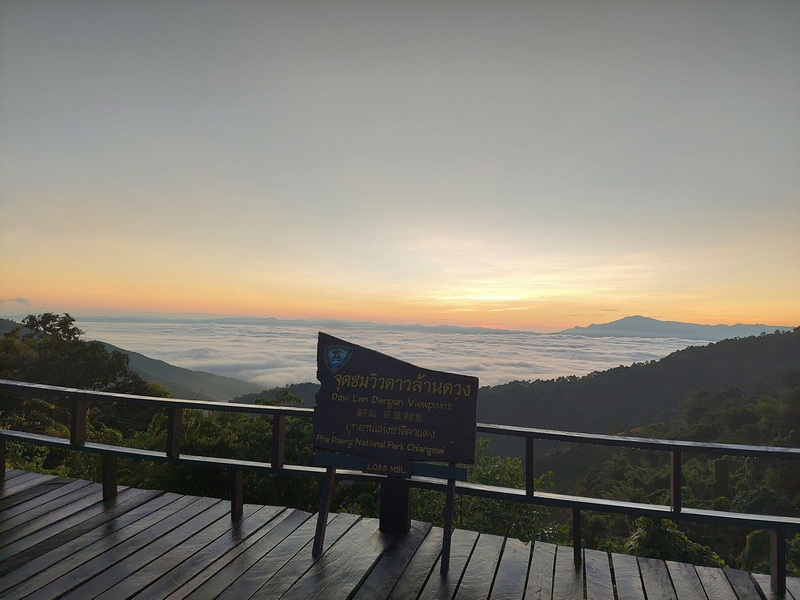
Viewpoint platform overlooking clouds and mountains at sunset with a signpost in foreground at Pha Daeng National Park.

Trekking in Chiang Mai Province offers a wonderful opportunity for beginners to experience Thailand’s rich natural beauty without overwhelming challenges. Among the best national parks in Chiang Mai, Pha Daeng National Park stands out as an accessible and scenic destination ideal for those new to trekking. Its well-marked trails, moderate terrain, and diverse ecosystems provide a gentle introduction to jungle hiking in northern Thailand. This guide focuses on beginner-friendly trekking options within Pha Daeng National Park and nearby attractions like Doi Luang Chiang Dao and Tham Chiang Dao. Whether you’re a first-time visitor or a casual outdoor traveler, these parks offer safe, rewarding routes that highlight the stunning landscapes and biodiversity of the region. Along with trail descriptions, you’ll find practical advice on preparation and safety to help build confidence before setting out. With an emphasis on accessible paths and natural highlights suitable for newcomers, this guide aims to inspire and inform those interested in exploring Chiang Mai’s wilderness at a comfortable pace. Let’s embark on a journey through some of the best beginner trekking experiences Chiang Mai Province has to offer.

Getting Started with Chiang Mai Trekking For Beginners

For those new to trekking, Chiang Mai Province provides a welcoming environment with a variety of trails that balance natural beauty and manageable difficulty. Beginner trekkers can expect well-maintained paths, clear signage, and supportive local communities nearby, making it easier to navigate and enjoy the experience. Travelers researching Chiang Mai Trekking For Beginners can use these details when planning the trip.

When planning your first trek, consider factors such as trail length, elevation gain, and climate. The region’s mild mountain weather and lush forests create pleasant conditions, but it’s important to prepare for occasional rain and humidity. Packing essentials like sturdy footwear, water, insect repellent, and sun protection will enhance safety and comfort.

Many first-time trekkers appreciate guided options or joining small groups for added security and local insights. However, Pha Daeng National Park and surrounding areas also offer self-guided routes that are straightforward enough for beginners comfortable with basic navigation.

Overall, beginning your trekking adventure in Chiang Mai Province is about enjoying nature at a gentle pace, learning about the local ecology, and developing confidence for future hikes.

Easy Trekking Routes at Pha Daeng National Park

Pha Daeng National Park is renowned as one of the best national parks in Chiang Mai for beginner trekkers due to its accessible trails and scenic landscapes. The park’s network of paths winds through dense jungle, riversides, and mountainous viewpoints, providing a rich introduction to northern Thailand’s natural environment.

One popular trail for beginners is the route to the park’s waterfalls and viewpoints. This path is moderately flat with gentle inclines, making it suitable for those new to hiking. Along the way, trekkers can observe a variety of tropical plants, bird species, and occasionally small mammals in their natural habitat.
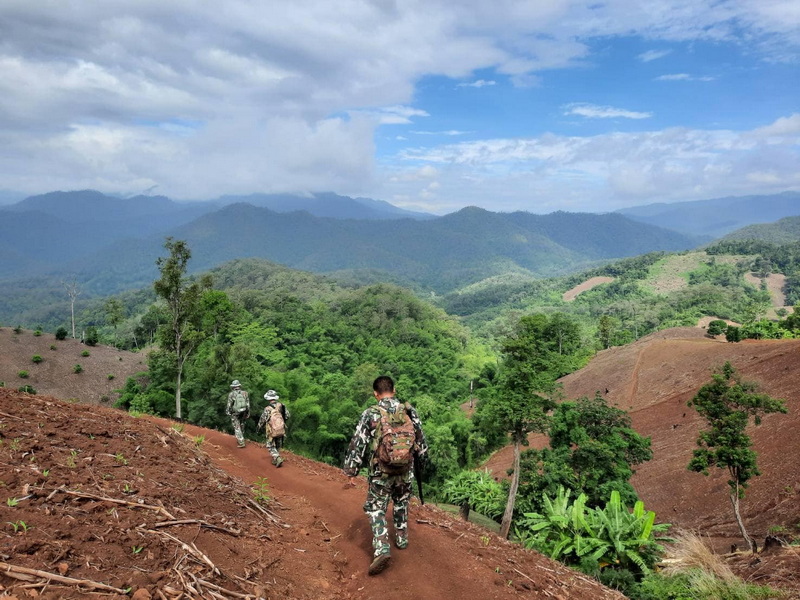
Soldiers walking on a dirt trail through lush green hills with mountains in the background at Pha Daeng National Park.

The trail to the viewpoint offers rewarding panoramic views of the surrounding mountains and valleys, perfect for photography and quiet moments of reflection. The terrain is well-marked and maintained, ensuring a low-risk experience for novices.

Additionally, the park has several short nature walks near the entrance area, ideal for warming up and familiarizing yourself with the local flora and fauna. These walks are educational and designed to showcase the park’s biodiversity without requiring extensive physical effort.

Visitors are encouraged to start early in the day to avoid the midday heat and to bring sufficient water and snacks. The park’s peaceful atmosphere and safe environment make it an excellent choice for families or individuals seeking a gentle introduction to trekking.

Beginner-Friendly Trails at Doi Luang Chiang Dao and Tham Chiang Dao
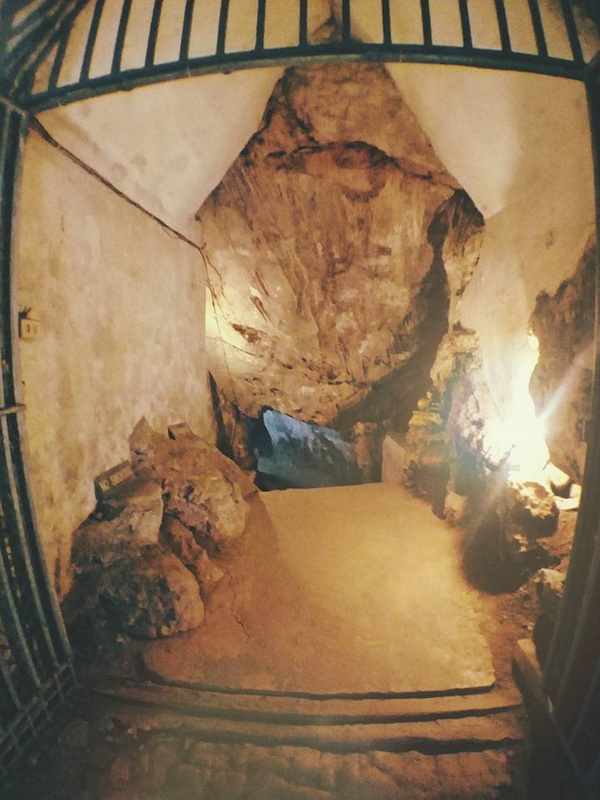
Inside a dimly lit cave with rocky walls and sandy floor at Tham Chiang Dao.
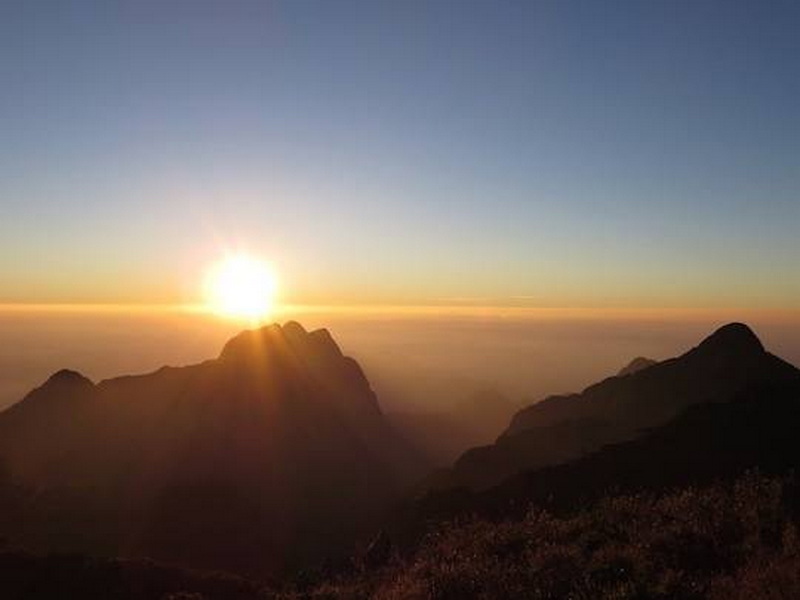
Sunrise emerging over mountain peaks with rays of light in the early morning sky at Doi Luang Chiang Dao.

Just a short distance from Pha Daeng National Park lie two other fantastic spots for beginner trekking: Doi Luang Chiang Dao and Tham Chiang Dao. Both locations offer trails that are accessible and provide unique natural features worth exploring.

Doi Luang Chiang Dao is famous for its majestic limestone peak, the third highest in Thailand. While the summit climb is challenging and suited for experienced hikers, the surrounding lower trails offer gentle walks through forested areas and along streams, perfect for newcomers to trekking.

These trails allow visitors to experience the region’s rich biodiversity, including various orchids, butterflies, and bird species. The cooler mountain air and shaded paths create comfortable trekking conditions for beginners.

Tham Chiang Dao, known for its extensive cave system, also features walking paths around the cave entrances and nearby forest areas. These trails are relatively flat and provide a glimpse into the geological and ecological wonders of the area without strenuous effort.

Moss-covered fallen tree trunk with green foliage in a forest setting at Pha Daeng National Park.

Both Doi Luang Chiang Dao and Tham Chiang Dao are excellent complementary destinations when planning a beginner trekking itinerary in Chiang Mai Province, offering diverse experiences while maintaining accessibility.
Preparation and Safety Tips for Beginner Trekkers

Proper preparation is key to a safe and enjoyable trekking experience, especially for beginners. Before heading out, it’s important to research trail conditions, weather forecasts, and park regulations to ensure you are well-informed.

Wear comfortable, sturdy hiking shoes with good grip to navigate uneven terrain safely. Dress in lightweight, breathable clothing and consider long sleeves and pants to protect against insects and sun exposure.

Carry enough water to stay hydrated throughout your trek, as well as some light snacks to maintain energy levels. A basic first aid kit, insect repellent, and sunscreen are also recommended.

Inform someone about your trekking plans and expected return time, particularly if trekking alone or on less frequented trails. Mobile phone reception can be limited in remote areas, so plan accordingly.

Respect the natural environment by sticking to marked trails, avoiding disturbing wildlife, and carrying out all rubbish. These practices help preserve the parks’ ecosystems and ensure a pleasant experience for everyone.
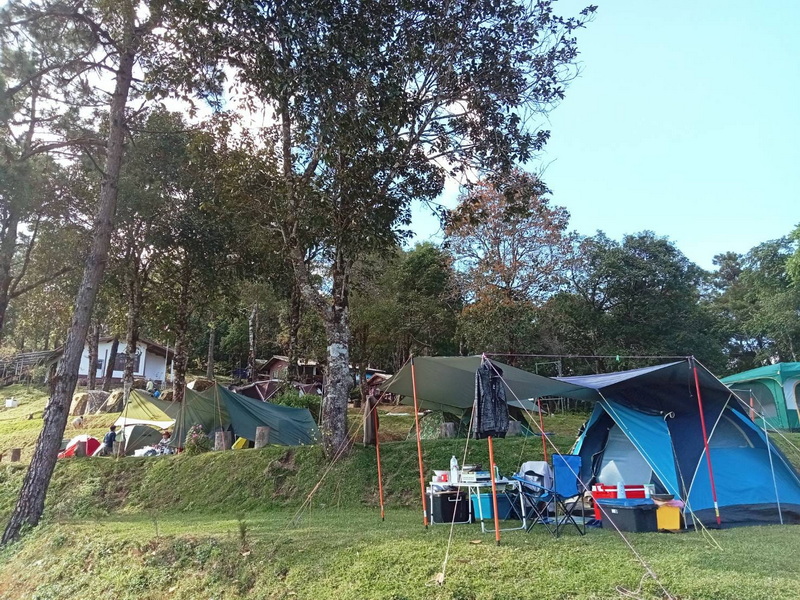
Campground with tents and trees on a grassy hillside at Pha Daeng National Park.

Finally, listen to your body’s signals and avoid pushing beyond your limits. It’s perfectly fine to take breaks and turn back if necessary, prioritizing safety over distance or speed.

Natural Highlights for Beginners in Chiang Mai National Parks

The national parks around Chiang Mai Province are rich in natural diversity, making beginner trekking both educational and visually rewarding. In Pha Daeng National Park, trekkers can encounter dense tropical forests filled with towering trees, colorful birds, and vibrant butterflies.

Waterfalls scattered along the trails offer refreshing spots to rest and enjoy the sounds of flowing water. The cooler microclimate near streams and falls provides a comfortable break from the tropical heat.

Doi Luang Chiang Dao’s forested lower slopes are home to unique plant species and occasional sightings of wildlife such as civets and hornbills. The limestone formations add a dramatic backdrop to the serene environment.

Tham Chiang Dao’s cave entrances reveal fascinating geological formations including stalactites and stalagmites, providing a glimpse into the underground world that complements the forested surroundings.

For beginners, these natural highlights serve as engaging points of interest that enrich the trekking experience without requiring strenuous effort, allowing visitors to connect closely with northern Thailand’s remarkable ecology.

Nearby Attractions

Doi Luang Chiang Dao

Doi Luang Chiang Dao is a prominent mountain and natural reserve near Pha Daeng National Park, celebrated for its impressive limestone peak and diverse ecosystems. While the summit climb is best suited for experienced trekkers, the area offers several gentle trails through lush forests and along cool streams that are perfect for beginners.

The region is home to a variety of wildlife and plant species, making it an excellent spot for nature observation. Its proximity to Pha Daeng National Park means visitors can easily include Doi Luang Chiang Dao in their trekking itinerary for a well-rounded experience of northern Thailand’s wilderness.

Tham Chiang Dao

Tham Chiang Dao is famous for its extensive cave system and tranquil forest surroundings. The caves feature fascinating geological formations and are a unique natural attraction in Chiang Mai Province. For beginner trekkers, the walking paths around the cave area provide an accessible way to explore the site without venturing into the more challenging cave interiors.

Visitors can enjoy peaceful walks through the surrounding forest, spotting local flora and fauna while appreciating the cool mountain atmosphere. Tham Chiang Dao complements the nearby Pha Daeng National Park by offering a different yet equally accessible trekking experience.

Looking Ahead to Your Visit

Embarking on your first trekking adventure in Chiang Mai Province through Pha Daeng National Park and its neighboring attractions is a rewarding way to connect with nature while building your trekking skills. These parks provide gentle, well-marked trails that highlight northern Thailand’s lush landscapes and diverse ecosystems, all within a safe and welcoming environment for beginners. With proper preparation and respect for the natural surroundings, even novice trekkers can enjoy memorable outdoor experiences and gain confidence for future explorations. Whether you choose the serene paths of Pha Daeng, the forested walks of Doi Luang Chiang Dao, or the unique setting of Tham Chiang Dao, Chiang Mai offers some of the best national parks in Chiang Mai to start your trekking journey.
Discover Ban Yang Pu Toh Eco Trekking Tour and Best Villages to Visit in Chiang Mai

Discover Ban Yang Pu Toh Eco Trekking Tour and Best Villages to Visit in Chiang Mai

Explore sustainable trekking and vibrant village culture in the heart of Chiang Dao, Chiang Mai

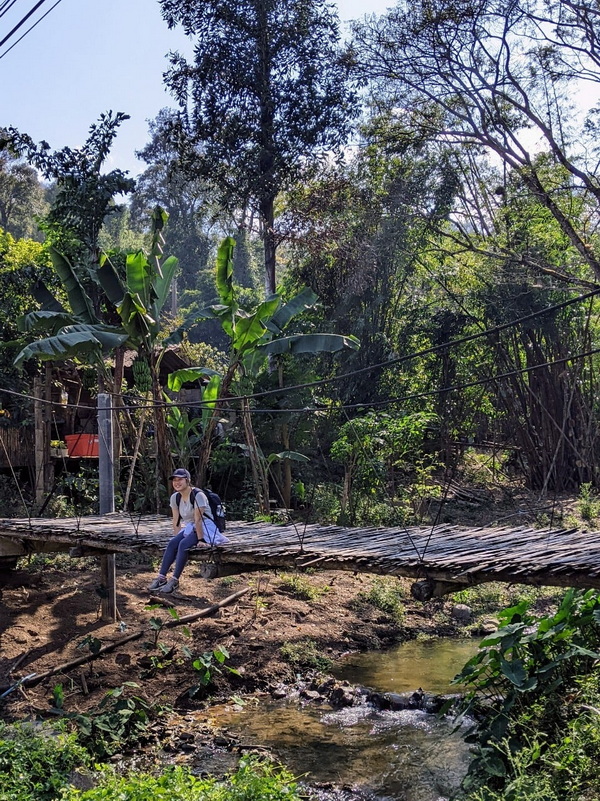
Woman sitting on a wooden suspension bridge over a stream in dense forest at Ban Yang Pu Toh.

Nestled in the lush landscapes of Chiang Dao, Chiang Mai, Ban Yang Pu Toh offers a unique eco trekking experience that combines immersive nature exploration with authentic cultural encounters. This region is renowned for its pristine jungle trails, rich biodiversity, and the warm hospitality of traditional villages that have preserved their heritage over generations. Travelers seeking a meaningful connection with nature and local communities will find Ban Yang Pu Toh a rewarding destination. The Ban Yang Pu Toh Eco Trekking Tour not only showcases the spectacular natural environment but also highlights the significance of sustainable travel practices. Visitors can appreciate the delicate balance between conservation and village life, gaining insights into the customs and daily rhythms of hill tribe communities. This guide introduces the must-visit places in Chiang Mai surrounding Ban Yang Pu Toh, emphasizing the best villages to visit and how the nearby natural parks enhance the trekking experience.

Immersive Eco Trekking at Ban Yang Pu Toh

The eco trekking tours around Ban Yang Pu Toh invite travelers to traverse verdant jungle trails amid mountainous terrain that is both challenging and breathtaking. The area’s rich flora includes towering teak trees, rare orchids, and diverse bird species that create a vibrant ecosystem teeming with life. Trekking here is about more than physical activity; it is an opportunity to engage with the environment respectfully, observing the natural world without leaving a harmful footprint. Travelers researching Must Visit Places In Chiang Mai can use these details when planning the trip.

Guided by knowledgeable local guides, visitors learn about the ecological importance of the region and the community’s efforts to protect it. The trails lead through dense forest patches, alongside clear streams, and up to panoramic viewpoints that reveal the grandeur of Chiang Dao’s karst mountains. This approach to trekking stresses sustainability, ensuring that the natural beauty remains intact for future generations while supporting local livelihoods.

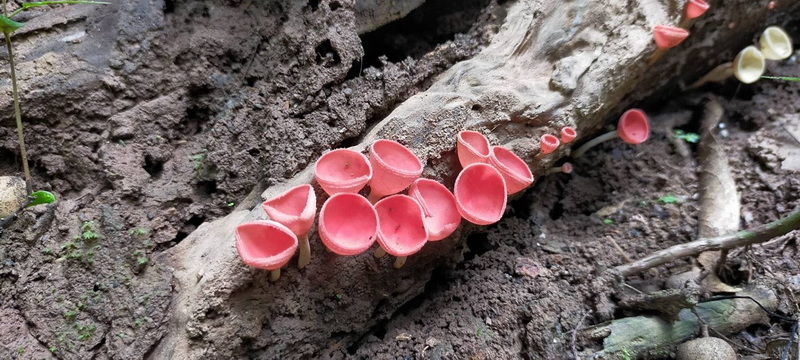
Pink cup fungi growing on a log on the forest floor at Ban Yang Pu Toh.

Ban Yang Pu Toh Eco Trekking Tour emphasizes slow travel, encouraging visitors to absorb the sights and sounds of the jungle, understand seasonal changes, and witness traditional agricultural practices such as terraced rice farming. Such experiences foster a deeper appreciation for the interconnectedness of nature and culture in this mountainous area.

Best Villages to Visit in Chiang Mai Around Ban Yang Pu Toh

Around Ban Yang Pu Toh, several villages stand out for their cultural richness and traditional lifestyles. These communities, often home to hill tribe groups such as the Karen and Lisu, maintain customs, crafts, and ceremonies that have endured despite modern influences. Visiting these villages offers a respectful glimpse into authentic daily life, where agriculture and handicrafts are central to the local economy.

Villages here are known for their wooden stilt houses, intricate weaving, and communal spirit. Travelers can witness traditional weaving techniques, participate in cultural exchanges, and savor local cuisine prepared from fresh, organic ingredients. Importantly, the villages have embraced community-based tourism to ensure that visitor activities are conducted ethically, with consent and benefit for the residents.

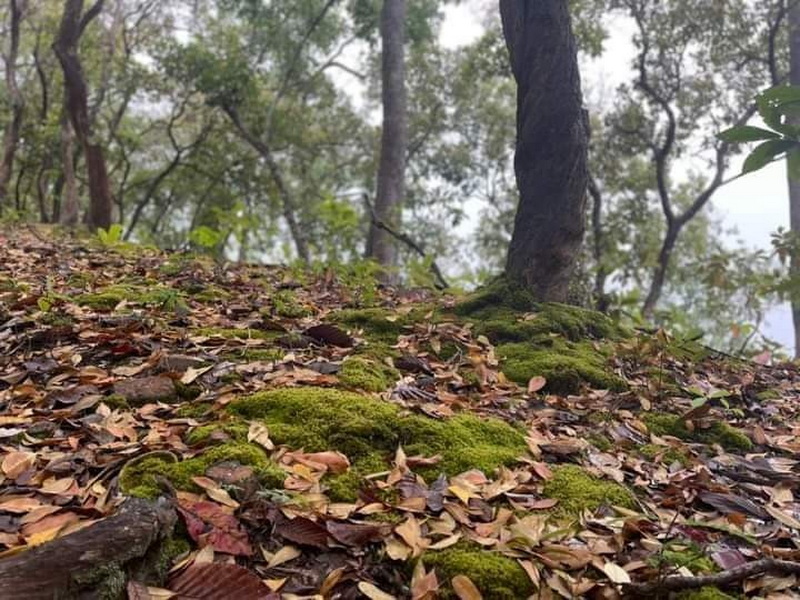
Forest floor with moss, leaves, and trees in the background at Ban Yang Pu Toh.

These villages are among the best villages to visit in Chiang Mai for those interested in meaningful cultural encounters. They provide a living link to northern Thailand’s heritage and illustrate how sustainable tourism can support cultural preservation. Visitors are encouraged to approach with sensitivity, respecting privacy and cultural norms while engaging with the villagers in a genuine and open manner.

Complementary Nature Experiences at Nearby Parks

The trekking and village visits around Ban Yang Pu Toh are enhanced by proximity to remarkable natural parks such as Doi Luang Chiang Dao and Tham Chiang Dao. Doi Luang Chiang Dao is the third highest peak in Thailand, offering rugged trails for experienced trekkers and a sanctuary for diverse wildlife including rare orchids, hornbills, and gibbons. Its limestone cliffs and dense forests create an impressive backdrop to any visit.

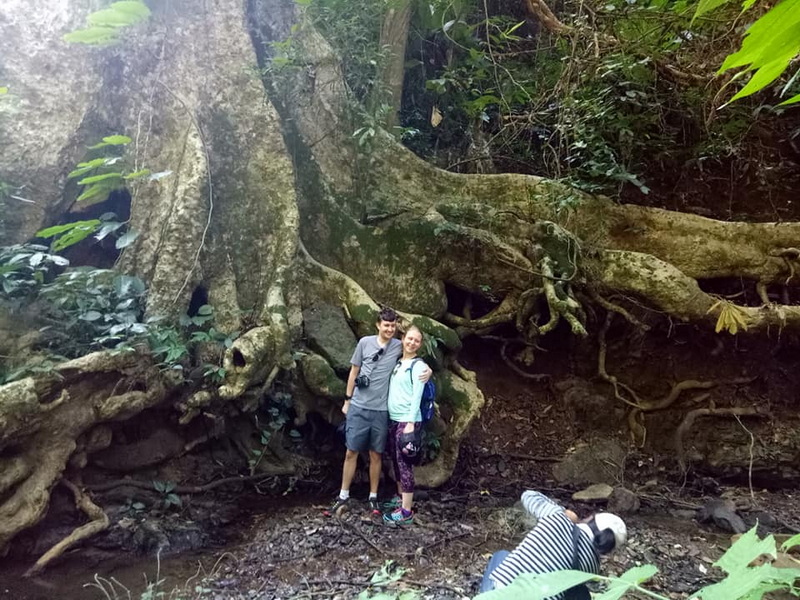
Two hikers in front of a massive tree with roots in a lush forest at Ban Yang Pu Toh.

Tham Chiang Dao, a large cave system near the village, adds another dimension to the eco trekking experience. The caves feature impressive stalactites and stalagmites, underground chambers, and an ecosystem sustained by bats and other cave-dwelling species. Exploring these caves with knowledgeable guides reveals geological history and local legends tied to the landscape.

Together, these nearby attractions complement the Ban Yang Pu Toh Eco Trekking Tour by providing varied natural environments to explore. They contribute to a holistic understanding of Chiang Dao’s ecological and cultural significance, enriching the traveler’s journey through this mountainous region.

Nearby Attractions

Doi Luang Chiang Dao

Sunset behind mountain peaks with a colorful sky and silhouettes at Doi Luang Chiang Dao.

Doi Luang Chiang Dao stands as a majestic peak towering over the Chiang Dao region, known for its challenging trekking routes and rich biodiversity. The area is a haven for nature lovers and bird watchers, with protected forests that harbor rare species. Trekking here offers panoramic views and a chance to experience the raw beauty of northern Thailand’s mountainous terrain.

Tham Chiang Dao

Indoor view of a cave with rock walls and steps illuminated by warm lights at Tham Chiang Dao.

Tham Chiang Dao is a vast cave complex near Ban Yang Pu Toh, famous for its intricate limestone formations and spiritual significance. Visitors can explore large caverns illuminated by natural light and discover the diverse fauna inhabiting the caves. The site holds cultural importance for local communities and provides a fascinating contrast to the jungle trekking experience.

Looking Ahead to Your Visit

Ban Yang Pu Toh represents a harmonious blend of ecological richness and vibrant cultural heritage, making it a compelling destination for travelers seeking more than just sightseeing. The eco trekking tours here foster a connection to the natural world, inviting visitors to tread lightly and learn deeply. By exploring the best villages in Chiang Mai around Ban Yang Pu Toh, travelers gain insight into enduring traditions and community resilience. Combined with the awe-inspiring nearby parks of Doi Luang Chiang Dao and Tham Chiang Dao, this region offers a layered experience that celebrates both nature and culture. Embracing sustainable travel principles ensures that these treasures remain vibrant and accessible, allowing future visitors to share in the wonder of Ban Yang Pu Toh and its surroundings.

Lantern Tours and Cave Temples Near Tham Chiang Dao

Lantern Tours and Cave Temples Near Tham Chiang Dao

Discover the cultural and spiritual richness of Chiang Dao Cave through lantern tours and revered cave temples surrounded by nature.

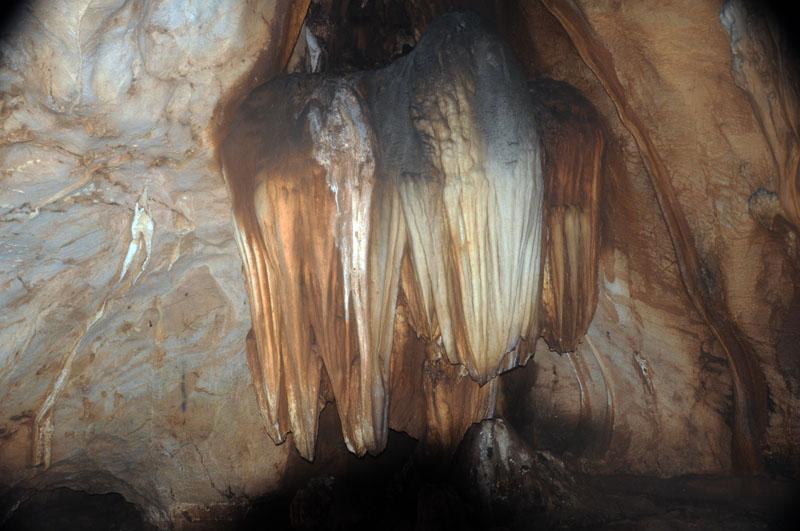
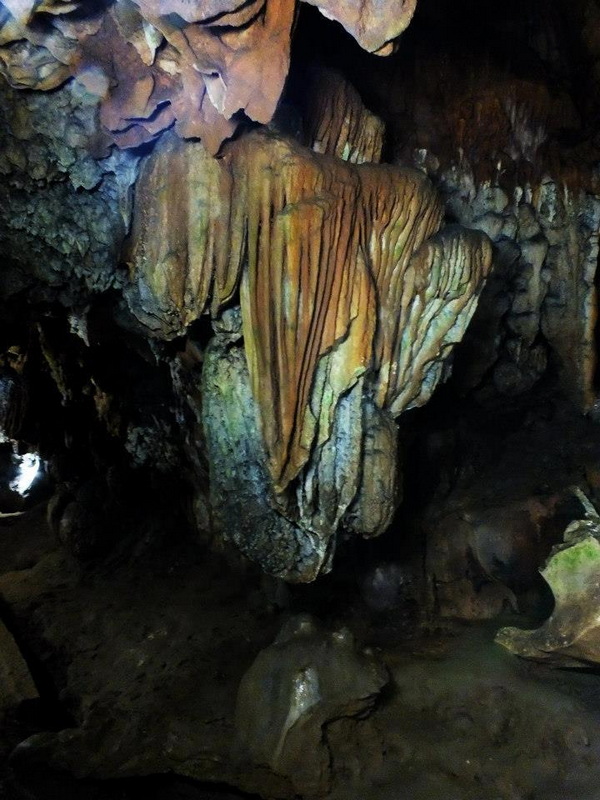
Large stalactite formation hanging from a cave ceiling with reddish rock walls at Tham Chiang Dao.

The experience of visiting Tham Chiang Dao offers travelers more than just a glimpse into geological wonders; it invites a deeper cultural and spiritual journey through its renowned cave temples and evocative lantern tours. Nestled in the serene landscape of Chiang Dao Chiang Mai, this destination is celebrated as one of the best cave temples in Chiang Mai and holds a special place among must visit places in Chiang Mai for those seeking meaningful cultural immersion. The lantern tours, in particular, illuminate the mystical atmosphere of the caves, offering a unique way to engage with local traditions and spiritual heritage. This article explores the cultural significance behind the lantern tours and cave temples at Chiang Dao Cave, highlighting how these experiences connect visitors to the region’s rich religious practices and community life. Additionally, it introduces nearby natural attractions such as Doi Luang Chiang Dao and Ban Yang Pu Toh trekking, which perfectly complement the cultural journey with opportunities for exploration and reflection in the surrounding natural environment.

The Cultural Experience of Chiang Dao Cave Lantern Tours

Lantern tours at Tham Chiang Dao provide an enchanting way to explore the cave’s vast chambers while engaging with a centuries-old tradition of light and spirituality. Unlike typical sightseeing visits, these tours emphasize the symbolic meaning of lanterns in Thai culture, representing enlightenment, guidance, and the dispelling of darkness both physically and metaphorically. As visitors carry lanterns through winding caverns, they participate in a contemplative journey that mirrors spiritual pilgrimage and reflection. Travelers researching Best Cave Temples Chiang Mai can use these details when planning the trip.

The soft glow of lantern light reveals the intricate limestone formations and ancient Buddha statues carved into the cave walls, creating a sacred ambiance that invites quiet respect and mindfulness. This experiential approach allows travelers to connect emotionally and culturally with the space, fostering an appreciation for the cave’s role as a living spiritual site rather than merely a natural wonder. The lantern tours highlight the reverence locals hold for Tham Chiang Dao, reinforcing its status as one of the best cave temples in Chiang Mai.

Large stalactite formation hanging inside a dark cave with textured rocks around it at Tham Chiang Dao.

Participating in a Chiang Dao Cave Lantern Tour also offers insight into local customs surrounding festivals and religious observances, where lanterns are used to honor deities and ancestors. This cultural immersion encourages visitors to approach the site with sensitivity, understanding the deeper meanings behind the rituals and the importance of maintaining the sanctity of the environment.

Exploring the Spiritual Heart of Chiang Dao Cave Temples

Chiang Dao Cave is home to several cave temples that have served as places of worship and meditation for generations. These sacred spaces are adorned with Buddha images, shrines, and offerings that reflect the enduring Buddhist heritage of the region. The temples within the cave complex are considered among the must visit places in Chiang Mai for travelers interested in cultural and spiritual exploration.

The architecture and placement of the temples inside the limestone caverns illustrate a harmonious blend of natural formation and human devotion. Visitors can observe how the natural light filtering through cave openings interacts with the golden statues and colorful murals, creating an atmosphere of serene contemplation. These temples are living religious sites where monks and devotees continue their practices, inviting visitors to witness and respect ongoing traditions.

Gated entrance to a cave with rocks and warm interior lighting at Tham Chiang Dao.

Understanding the spiritual significance of these cave temples enriches the visitor experience. The temples are not only places of worship but also symbols of resilience and faith, having withstood the passage of time and natural elements. Travelers are encouraged to approach these sites with reverence, appreciating their role in the cultural fabric of Chiang Dao and the broader Chiang Mai region.

Complementing the Cultural Visit with Nearby Natural Attractions

Beyond the cave temples and lantern tours, the surrounding landscape of Chiang Dao Chiang Mai offers a remarkable natural context that enhances the cultural visit. Two notable nearby attractions are Doi Luang Chiang Dao and Ban Yang Pu Toh trekking, both providing opportunities for outdoor exploration and connection with nature.

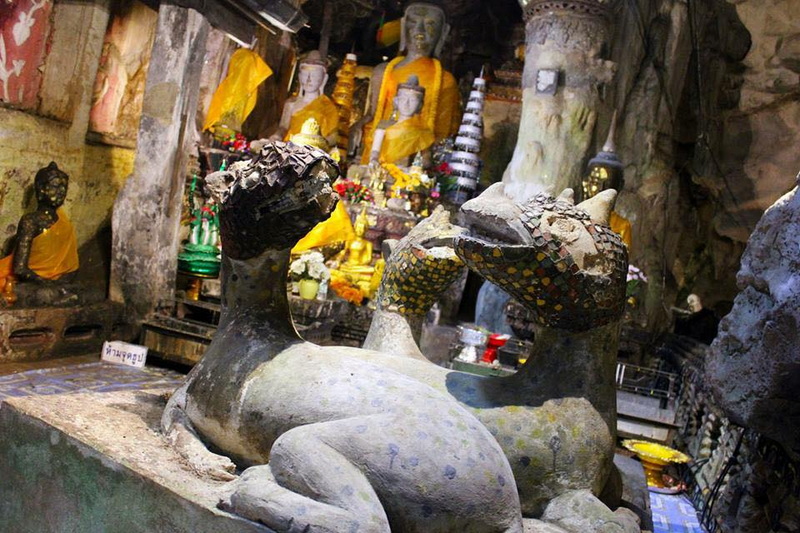
Religious statues and Buddha figures inside a cave with colorful offerings at Tham Chiang Dao.

Doi Luang Chiang Dao, the third highest peak in Thailand, stands majestically near the cave complex. Its forested slopes and diverse wildlife create a tranquil environment that contrasts yet complements the spiritual ambiance of the caves. Trekking in this area offers visitors a chance to experience the region’s biodiversity and panoramic views, deepening their appreciation for the natural heritage that surrounds the cultural sites.

Ban Yang Pu Toh trekking presents a more immersive experience into local hill tribe communities and their traditional ways of life. This trekking route passes through pristine forests, remote villages, and serene landscapes, allowing travelers to witness the coexistence of nature and culture. The proximity of these natural attractions encourages a holistic visit that balances spiritual reflection with physical activity and environmental awareness.

Nearby Attractions

Doi Luang Chiang Dao

Sunset illuminating mountain peaks with rays shining over a misty horizon at Doi Luang Chiang Dao.

Doi Luang Chiang Dao is a towering mountain peak near Chiang Dao Cave, renowned for its rich biodiversity and scenic hiking trails. It provides a natural sanctuary that complements the cultural significance of Tham Chiang Dao by offering visitors a space to connect with the region’s pristine environment. The mountain’s forested slopes and unique wildlife make it an ideal destination for nature lovers and those seeking peaceful outdoor experiences.

Ban Yang Pu Toh trekking

Pink fungi growing on a tree branch in a forest at Ban Yang Pu Toh trekking.

Ban Yang Pu Toh trekking is a popular route that winds through forested hills and traditional villages close to Chiang Dao Cave. This trek offers travelers a chance to engage with local hill tribe cultures and experience the natural beauty of the area. The journey highlights the harmonious relationship between the region’s cultural heritage and its natural surroundings, making it a meaningful addition to a visit focused on both spiritual and environmental appreciation.

Looking Ahead to Your Visit

Visiting Tham Chiang Dao through its lantern tours and cave temples invites travelers into a profound cultural and spiritual narrative that transcends ordinary sightseeing. The gentle illumination of lantern light and the sacred quietude of the cave temples offer a window into Thailand’s rich Buddhist traditions and the deep reverence locals hold for this natural sanctuary. Complemented by nearby natural attractions such as Doi Luang Chiang Dao and Ban Yang Pu Toh trekking, the experience becomes a balanced journey of discovery—one that honors both the spiritual heritage and the breathtaking environment of Chiang Dao Chiang Mai. Approached with respect and mindfulness, this destination reveals layers of meaning that resonate long after the visit, making it an essential experience for culturally curious travelers seeking meaningful connections with place and tradition.

Doi Luang Chiang Dao – Chiang Mai Trekking and Private Tours Featuring the Doi Chiang Dao Hike

Doi Luang Chiang Dao Trekking Overview and Nearby Attractions

Discover trekking options at Doi Luang Chiang Dao, insights on private tour searches, and natural highlights for first-time visitors.

Nestled in the northern reaches of Thailand, Doi Luang Chiang Dao rises dramatically above the surrounding landscape, drawing travelers with its untamed beauty and sense of adventure. For many, this mountain is one of Chiang Mai province’s most compelling natural destinations—a place where misty mornings, dense forests, and rocky limestone peaks come together to create an unforgettable trekking experience. If you are a first-time international visitor eager to explore the outdoors in Thailand, Doi Luang Chiang Dao offers a welcoming entry point to the region’s celebrated hiking culture. Trekking here is about more than just reaching the summit; it’s also a chance to immerse yourself in the rhythms of northern Thailand’s forests, encounter unique flora, and experience the calm that comes from venturing off the beaten path. As you plan your journey, you may notice a variety of phrases such as 'Chiang Mai Trekking,' 'Doi Luang Chiang Dao trek,' and 'private tours in Chiang Mai'—each reflecting the diverse ways travelers approach this destination. Whether you’re seeking a guided group hike, a private day trip, or simply want to understand what makes this mountain special, knowing your options helps build confidence before you set out. This article provides a practical overview of trekking and hiking at Doi Luang Chiang Dao, introduces the language of private tours, and highlights two nearby attractions—Chiang Dao Cave and Ban Yang Pu Toh trekking—that can round out your visit. The goal is to give you a clear, friendly starting point for planning, so you can make the most of your time in one of northern Thailand’s most remarkable natural areas.

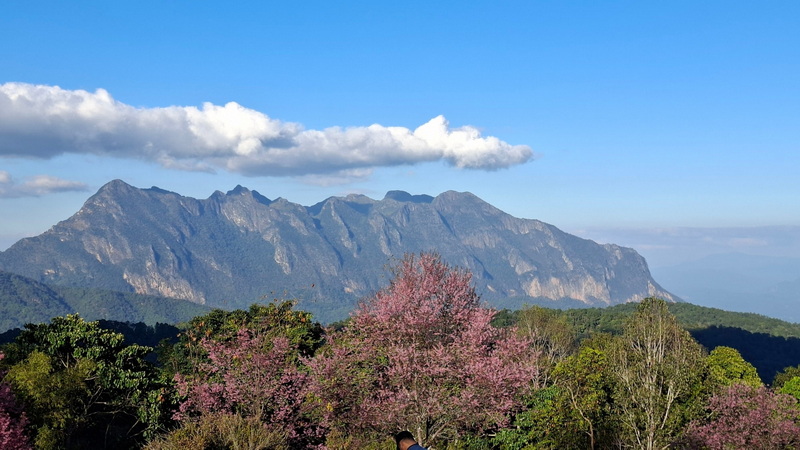
A picturesque view of mountains with pink flowering trees at Doi Luang Chiang Dao.

Doi Luang Chiang Dao: A Natural Landmark for Trekkers

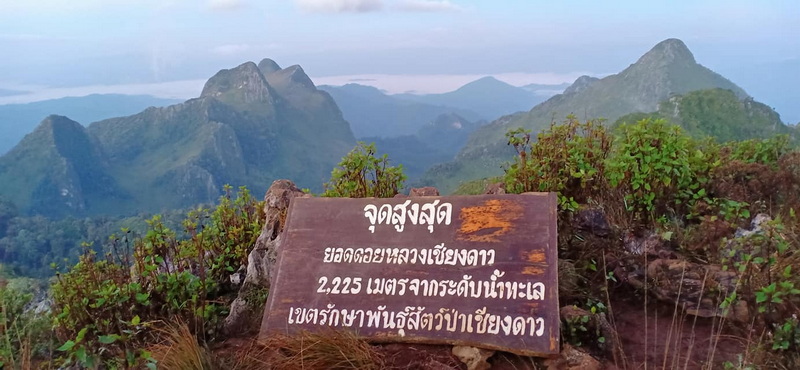
Doi Luang Chiang Dao is the third-highest peak in Thailand, standing at 2,225 meters above sea level. Its distinctive limestone ridges and rugged terrain have made it a favorite among hikers and nature lovers. The mountain is part of the Doi Chiang Dao Forest Park and the larger Chiang Dao Wildlife Sanctuary—a protected area with significant ecological value. For those new to the region, the landscape is both dramatic and accessible, offering a sense of wilderness without requiring advanced mountaineering skills.

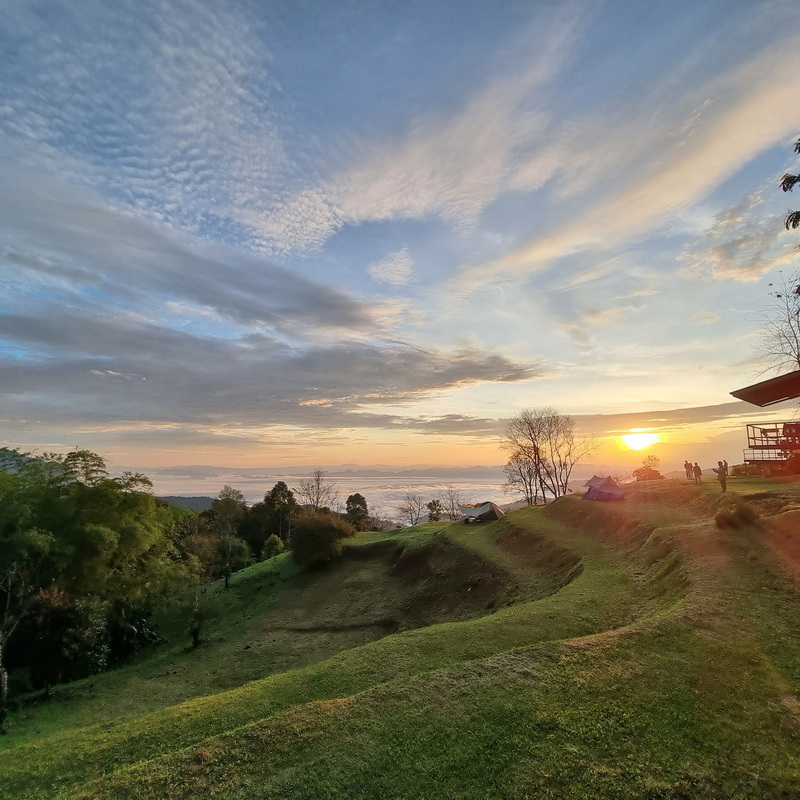
Sunset over a grassy hill at Doi Luang Chiang Dao.

The mountain’s appeal lies in its combination of challenge and approachability. Trails wind through bamboo forests, mossy undergrowth, and open ridgelines, revealing sweeping views of the surrounding valleys. During the dry season, clear skies often reward trekkers with panoramic vistas, while the rainy months paint the forests in lush greens. Seasonal wildflowers and the unique limestone ecosystem add to the sense of discovery, making every visit a little different.

Even for visitors without extensive hiking experience, Doi Luang Chiang Dao is a destination that encourages exploration and connection with nature. The trails can be physically demanding, but the reward is a feeling of accomplishment and a deeper appreciation for the region’s natural heritage.

Understanding Trekking and Hiking Options

When planning a visit, you’ll encounter a variety of trekking and hiking experiences tailored to different interests and fitness levels. Some travelers opt for a straightforward hike along established trails, while others seek out multi-day adventures that include overnight stays in basic campsites. The most well-known route is the ascent to the summit itself, which typically requires a full day of hiking each way and is often structured as a two-day, one-night journey.

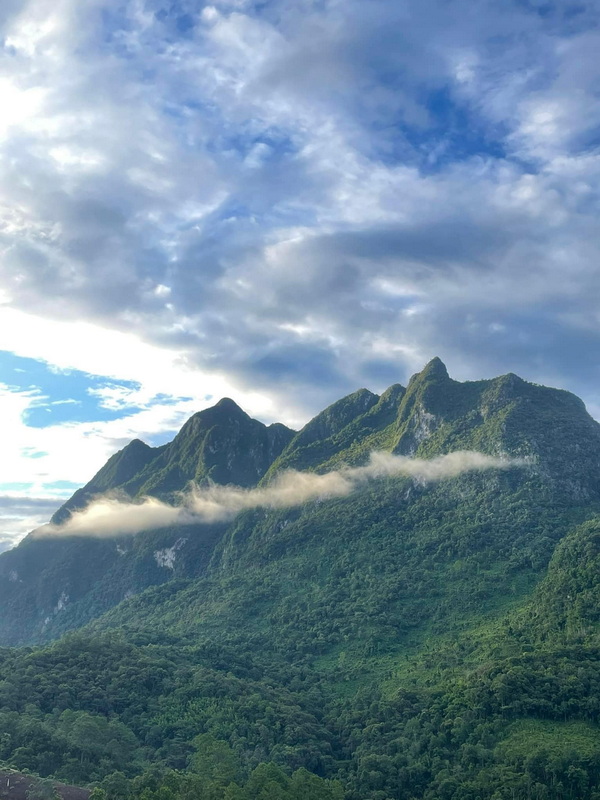
A view of lush green mountains at Doi Luang Chiang Dao.

Hiking at Doi Luang Chiang Dao is generally considered moderate to challenging, depending on the chosen route and current trail conditions. The elevation gain is significant, and some sections are steep or rocky. However, the main trails are well-trodden and benefit from the stewardship of local guides and park authorities. The trekking season usually runs from November through March, when weather is cooler and trails are less slippery.

For those who prefer a more relaxed pace, there are also shorter walks and nature trails around the base of the mountain. These routes provide a taste of the area’s biodiversity without the commitment of a summit trek. Whichever option you choose, it’s important to prepare for changing weather, bring adequate water and sun protection, and respect the park’s conservation guidelines.

The Role of Private Tours and Search Language

As interest in responsible travel grows, many visitors look for ways to customize their experience. This is where phrases like 'Chiang Mai Private Tour' come into play. While browsing for trekking options, you’ll notice that private tour search language is common, reflecting a demand for personalized, flexible itineraries. Private tours can offer advantages such as tailored pacing, opportunities for deeper interpretation from guides, and the ability to focus on particular interests—be it photography, birdwatching, or simply enjoying a quieter journey.

Mountain view with a wooden sign, showcasing the peaks of Doi Luang Chiang Dao.

It’s important to note that the presence of private tour phrasing in search results does not guarantee availability or imply any specific operator. Instead, it highlights the range of approaches travelers use to explore Doi Luang Chiang Dao. Some visitors join group treks organized by local agencies, while others arrange private guides or self-guided hikes. Regardless of your choice, the emphasis remains on respecting the protected status of the area and minimizing your impact on the environment.

Preparing for a Hike at Doi Luang Chiang Dao

Embarking on a hike at Doi Luang Chiang Dao is an opportunity to step into one of Thailand’s most celebrated mountain landscapes. Preparation is key—both for your safety and to ensure a positive experience. Start by checking the latest information on park access, as entry to certain trails may be limited during the rainy season or for conservation reasons. Packing light but efficiently is recommended; bring sturdy footwear, layered clothing, and essential supplies such as water, snacks, and a flashlight.

Guided treks are popular for first-time visitors, as local guides offer valuable insight into the area’s ecology and help navigate the sometimes-challenging terrain. Even on a guided hike, basic fitness and comfort with uneven ground will help you enjoy the journey. Remember to follow Leave No Trace principles and to be considerate of other hikers and the natural environment. If you are looking for a memorable adventure, the Doi Chiang Dao Hike is often mentioned as a must-try experience for those wanting to challenge themselves and witness the region’s breathtaking scenery.

Extending Your Adventure: Complementary Experiences

While the main draw is undoubtedly the trek itself, Doi Luang Chiang Dao’s location makes it easy to combine hiking with other nature-based activities. The surrounding area is dotted with limestone caves, forest reserves, and hot springs, offering a well-rounded itinerary for those with extra time. Many travelers find that exploring these nearby attractions adds depth and variety to their trip, transforming a single trek into a more immersive journey through northern Thailand’s natural wonders.

The mountain’s proximity to Chiang Mai city—roughly 70 kilometers away—means that it can be reached as part of a longer adventure or even a well-organized day trip. This flexibility appeals to visitors who wish to balance active exploration with comfort or who have limited time in the region. Whether you stay overnight or visit for a day, the diversity of experiences makes Doi Luang Chiang Dao a highlight for both seasoned trekkers and newcomers alike.

Nearby Attractions

Chiang Dao Cave

Just a short distance from the mountain, Chiang Dao Cave is one of the area’s most intriguing natural sites. The cave system extends several kilometers into the limestone hills, featuring spacious chambers, stalactites, and mysterious rock formations. Guided tours typically cover the well-lit sections, allowing visitors to appreciate the geological history and cool, echoing depths. For many, a visit to Chiang Dao Cave offers a welcome contrast to the open vistas of the mountain, providing a glimpse into the region’s underground wonders.

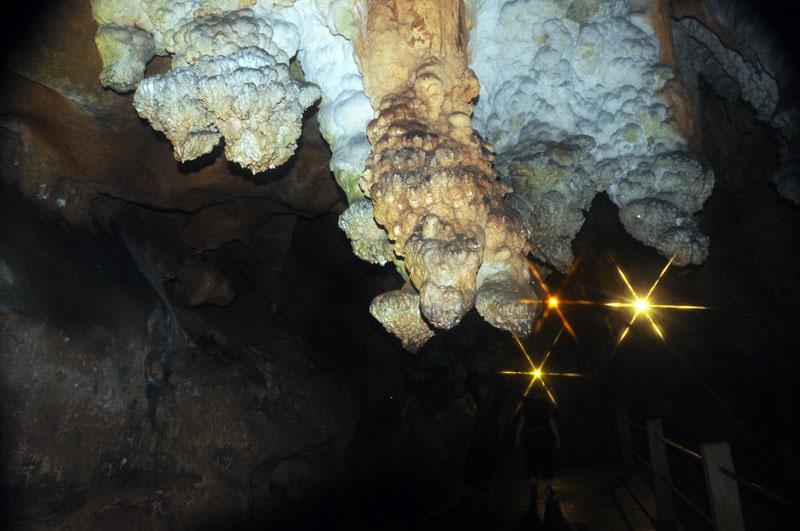
Stalactites illuminated by headlamps inside Chiang Dao Cave.

Ban Yang Pu Toh trekking

For those interested in expanding their trekking experience, Ban Yang Pu Toh trekking offers additional trails through lush forest landscapes. This area is known for its quieter paths and opportunities to observe the local flora up close. The routes here are generally less crowded than the main summit trail and can be tailored to different fitness levels, making them a suitable option for both beginners and more experienced hikers. Exploring Ban Yang Pu Toh is a way to deepen your connection with the natural side of Chiang Dao while enjoying a peaceful, scenic walk.

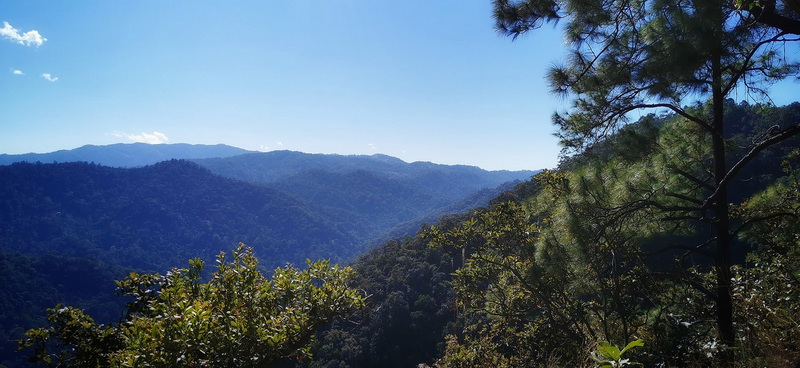
Forested hills under a clear blue sky at Ban Yang Pu Toh trekking.

Why This Place Stays With You

Trekking at Doi Luang Chiang Dao is as much about self-discovery as it is about exploring a remarkable landscape. For first-time visitors, understanding the variety of trekking options and the context of private tours can make planning less daunting and more exciting. By preparing thoughtfully and considering nearby attractions like Chiang Dao Cave and Ban Yang Pu Toh trekking, you set yourself up for a journey that is both rewarding and memorable. As you step onto the trails, you’ll find that the mountain’s beauty, the warmth of the local environment, and the spirit of adventure combine to create an experience that inspires confidence—both in travel and in yourself.