Luang Khun Win Temple in the Forests of Mae Wang

Luang Khun Win Temple in the Forests of Mae Wang

A thoughtful guide to temple culture, private touring, and mountain experiences south of Chiang Mai
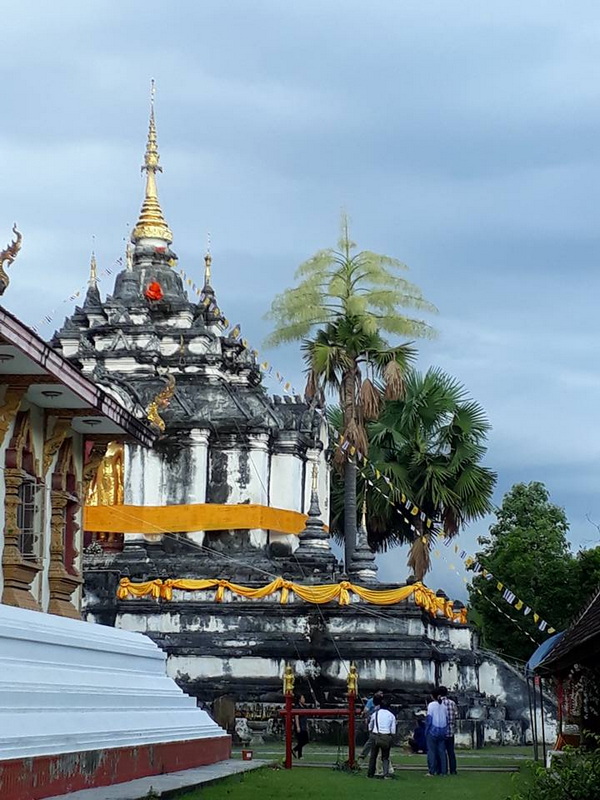
Travel photograph selected for Luang Khun Win Temple destination guide.

South of Chiang Mai, Mae Wang District offers a different pace from the city’s busy historic center. Here, Luang Khun Win Temple sits in a forested mountain setting where the journey, the surrounding landscape, and the atmosphere of the religious site are all part of the experience. It is a useful destination for visitors who want to understand Chiang Mai beyond the familiar old-city temples. The temple is best approached as a place of worship and local heritage rather than simply a photo stop. Its wooded surroundings and traditional character can encourage slower observation: notice the relationship between buildings and trees, allow space for worshippers, and treat architectural details with care. For travelers comparing Chiang Mai Temples, Wat Luang Khun Win adds a rural and contemplative dimension to the region’s cultural landscape. This guide focuses on how the temple can fit into a responsible day of sightseeing, including the role of a Private Tour Chiang Mai City arrangement, practical questions to consider before setting out, and nearby options in Mae Wang. It does not depend on a fixed itinerary, since conditions, access, and local arrangements can vary.

A Forest Setting Within the Chiang Mai Temple Landscape

Wat Luang Khun Win is located in Mae Wang District, a mountainous area south of Chiang Mai. The setting distinguishes it from temples surrounded by urban streets, markets, and dense neighborhoods. Forest scenery creates a quieter context for reflection, while the distance from the city helps visitors see how religious places remain connected to rural communities and local landscapes.

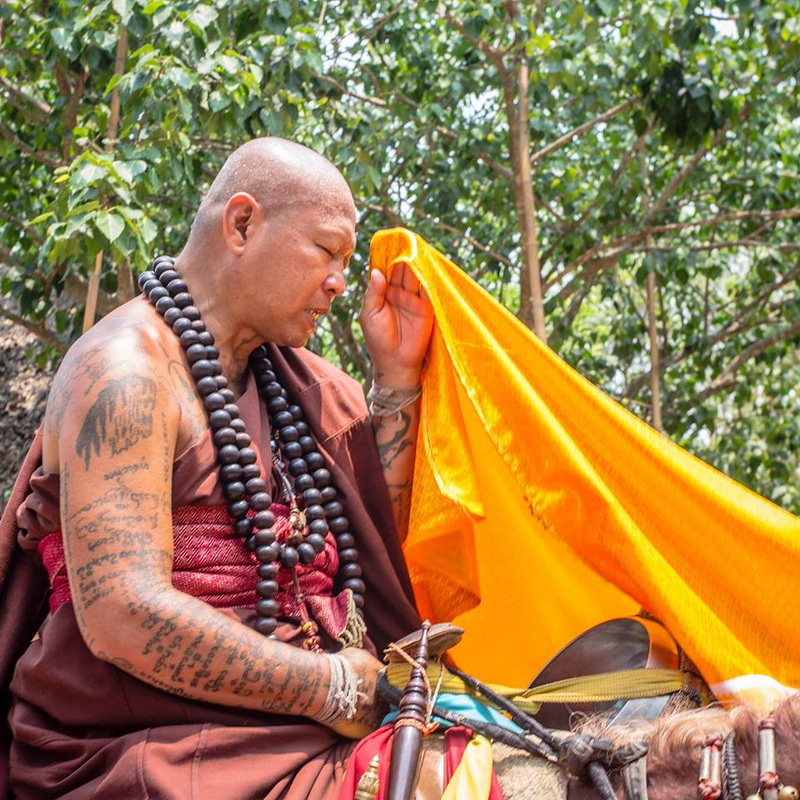
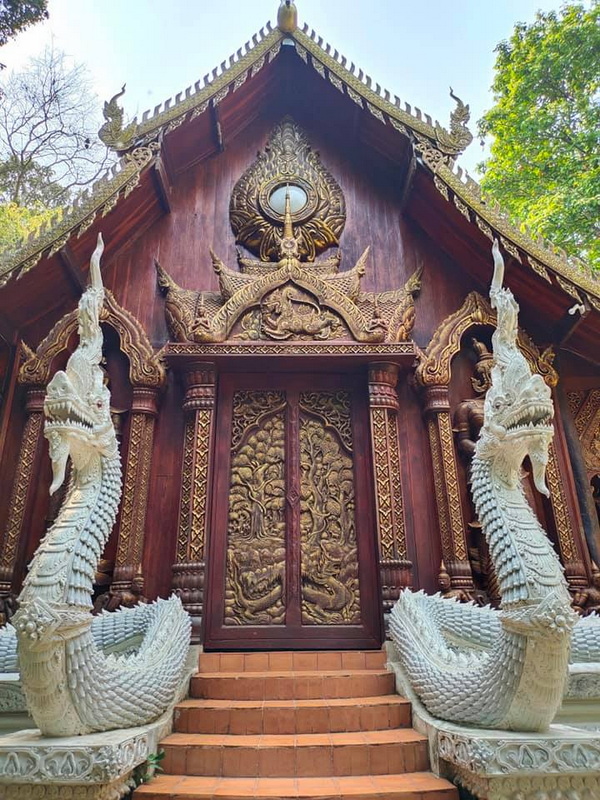
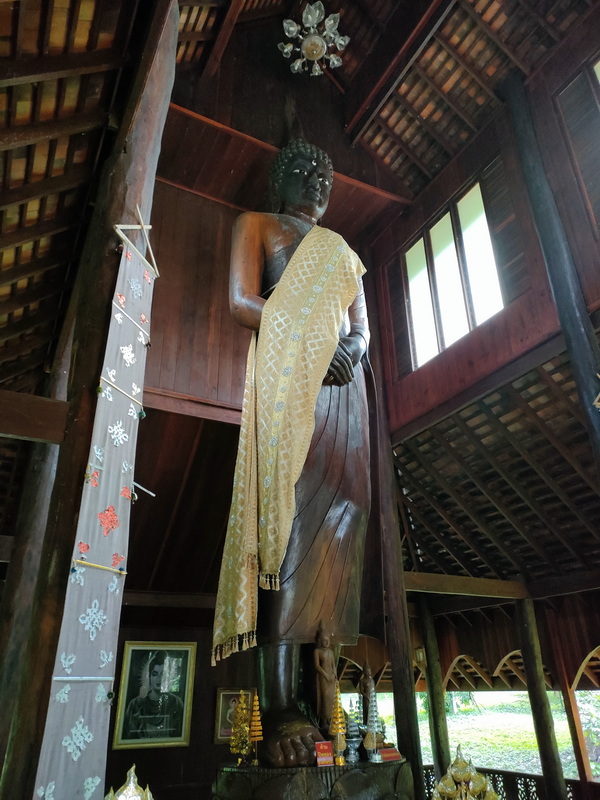
The temple is known for traditional wooden elements and a sense of age that blends with its natural surroundings. Rather than presenting a single monumental viewpoint, the site rewards attention to texture, proportion, shade, and craftsmanship. Visitors may encounter carved details, Buddhist images, and buildings arranged within the woodland environment. These features should be viewed as part of an active sacred place, not as scenery detached from religious life.

For people studying the region’s heritage, Luang Khun Win Temple Chiang Mai demonstrates that the cultural identity of Chiang Mai is not limited to the old city. Temples in the wider province can reflect different relationships between architecture, forest, village life, and pilgrimage. The temple’s importance for a visitor therefore lies both in its individual character and in the wider perspective it offers on northern Thai religious culture.
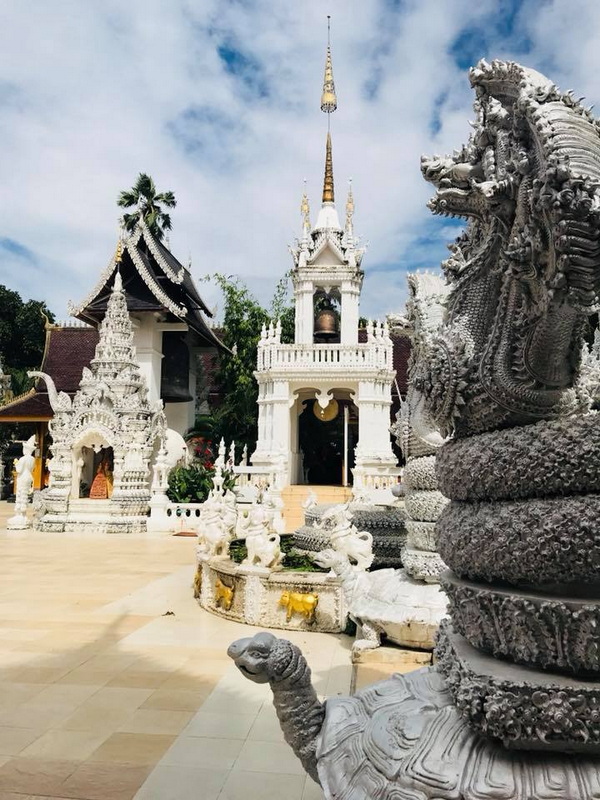
Travel photograph selected for Luang Khun Win Temple destination guide, Luang Khun Win Temple main article view 2 2

Planning a Visit With Patience and Respect

A visit requires a more deliberate mindset than a short stop between central attractions. The temple lies in a rural district, so travelers should allow flexibility for the journey and avoid building a schedule that leaves no time for changing road conditions or a slower exploration of the site. Checking current access information locally before departure is sensible, especially when traveling during periods of heavy rain.

Dress should be modest, with shoulders and knees covered where possible. Shoes may need to be removed before entering certain buildings, and signs or local instructions should always take priority. Keep voices low, avoid interrupting prayer or ceremonies, and ask before photographing people, monks, or religious activities. Images of Buddha should be treated respectfully, and visitors should avoid climbing on structures or posing in ways that turn sacred objects into props.

The forest environment also calls for practical care. Comfortable footwear, water, sun protection, and protection from rain can make the outing easier, but visitors should avoid leaving litter or disturbing plants and wildlife. A calm approach is especially appropriate here: the value of the temple is not measured by how quickly it can be seen, but by how attentively the place is encountered.
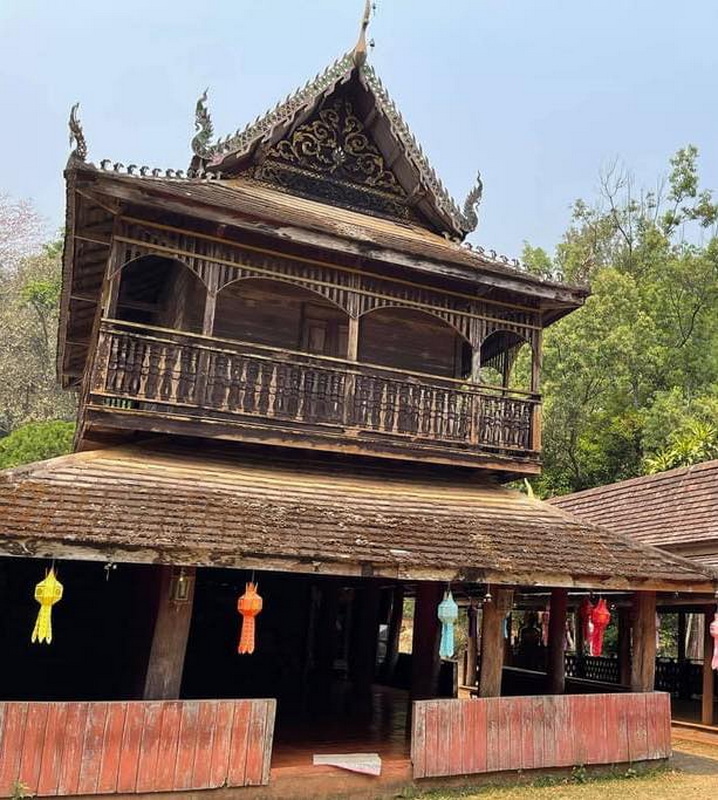
Travel photograph selected for Luang Khun Win Temple destination guide, Luang Khun Win Temple main article view 3 2

How a Private Tour Can Add Context

A private tour can be useful for travelers who want cultural explanation and flexible pacing rather than a checklist of city landmarks. When discussing a Private Tour Chiang Mai City, it is important to clarify whether the proposed route can include destinations in Mae Wang District, since the temple is outside the central urban area. The phrase may describe a style of personalized sightseeing rather than a standard route, so travelers should confirm the intended scope before making arrangements.

A guide may help explain the temple’s place within northern Thai Buddhist traditions, identify architectural details that are easy to overlook, and provide advice about respectful conduct. Local knowledge can also be valuable when the route involves rural roads or when visitors wish to combine cultural sightseeing with nature-based activities. The best arrangement should leave enough time for the temple itself instead of treating it as a brief photograph opportunity.

Private touring is also helpful for visitors with specific interests. A culture-focused traveler might ask for more interpretation of woodwork and religious imagery. A nature lover may prefer a slower day that gives equal attention to the surrounding mountain landscape. Independent travelers can use a private guide to reduce uncertainty while still discussing the pace and emphasis they prefer. These possibilities are planning considerations, not promises of a particular package or operating schedule.
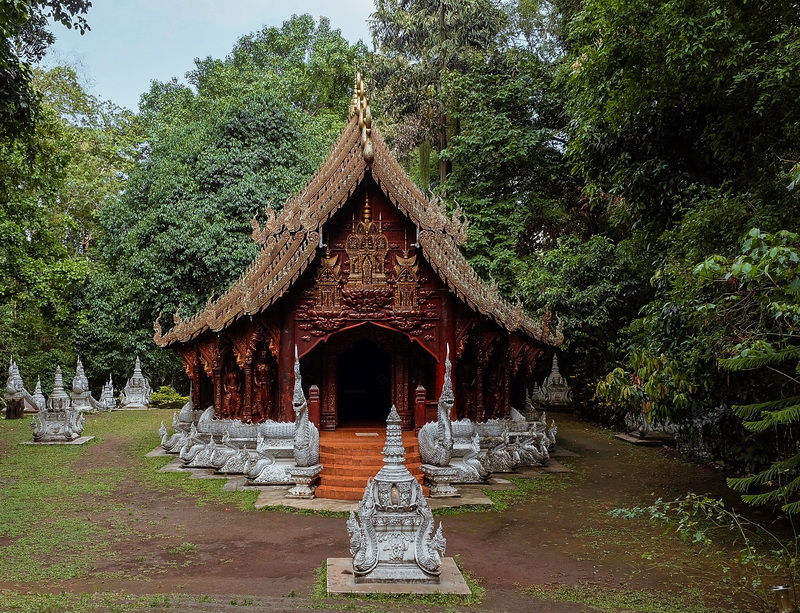
Travel photograph selected for Luang Khun Win Temple destination guide, Luang Khun Win Temple main article view 4 2

Building a Meaningful Day Around the Temple

The temple works well as part of a broader day in Mae Wang rather than as an isolated urban attraction. Begin with realistic expectations: the journey is part of the destination, and the rural setting may feel more rewarding to visitors who enjoy landscapes, quiet observation, and cultural places away from busy sightseeing circuits. Time can be given to walking carefully around the grounds, noticing how the buildings sit among the trees, and pausing without demanding constant visual stimulation.

Among the Top Things To Do in Chiang Mai, visiting a forest temple offers a different kind of activity from shopping, nightlife, or highly organized entertainment. It combines cultural learning with a change of scenery and can appeal to travelers who want to understand the province’s character through its communities and religious sites. It is also a useful counterpoint to visits in the old city, where the density of monuments and visitors creates a very different atmosphere.

A balanced day should not reduce local life to a backdrop. If the route includes community areas or local projects, visitors should follow guidance, purchase or participate thoughtfully, and avoid entering private spaces without permission. Leave room for quiet and uncertainty rather than expecting every part of the experience to be staged for tourists. This approach supports a more respectful connection with Mae Wang and makes the temple visit feel considered rather than hurried.

Extending the Mae Wang Experience

Once the temple has been given the time and attention it deserves, the surrounding district offers ways to continue the day without losing its cultural focus. Two nearby options broaden the experience from sacred architecture to community landscapes and protected forest.

Khun Wang Royal Project
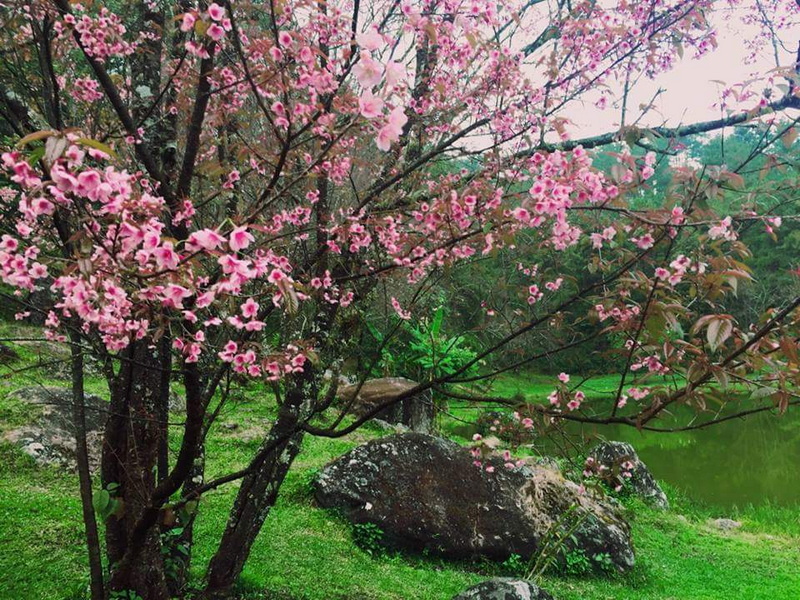
Travel photograph selected for Khun Wang Royal Project destination guide.

The Khun Wang Royal Project provides a cultural and agricultural dimension to a wider Mae Wang outing. Royal Project locations are associated with efforts to support highland communities and develop crops and livelihoods suited to local conditions. Visitors should view the site through that community context, following any guidance about access, photography, and seasonal activities rather than assuming that every area is open for casual exploration.

Its mountain setting can complement the temple’s forest atmosphere, but the two places represent different kinds of experience. Wat Luang Khun Win centers on religious heritage, while the project can help visitors think about cultivation, rural livelihoods, and the relationship between people and highland environments. Together, they offer a broader picture of the district without requiring either place to be treated as a spectacle.

Mae Wang National Park
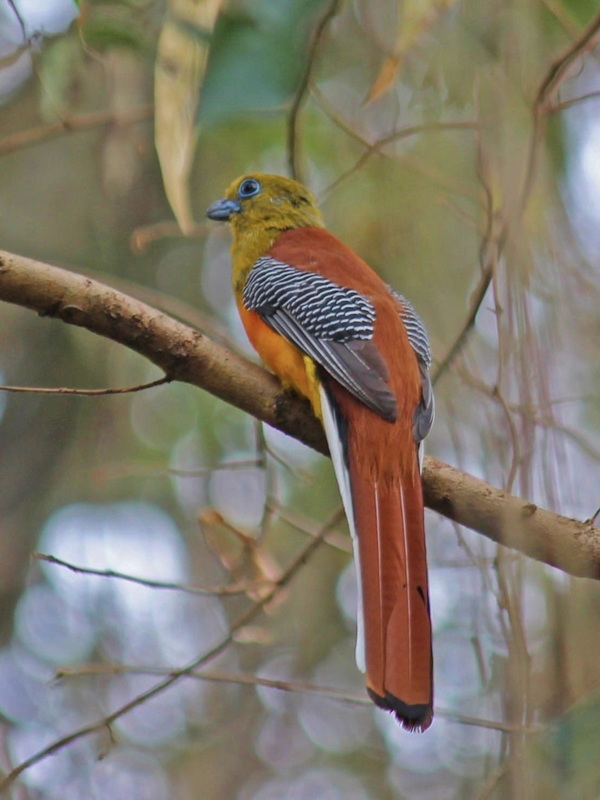
Travel photograph selected for Mae Wang National Park destination guide.

Mae Wang National Park adds a natural perspective to a temple-focused visit. The park represents the wider forested landscape of the district, where scenery, terrain, and local environmental conditions shape the experience of traveling through the area. Visitors should check current local guidance before planning outdoor activities, since weather and site conditions can affect what is practical.

Combining a national park visit with Luang Khunwin Temple can create a day that moves between cultural and environmental interests. The transition is most rewarding when travelers allow enough time for each setting and behave carefully outdoors: carry waste out, respect restricted areas, and avoid treating natural places as backdrops for disruptive behavior. The result is a fuller understanding of Mae Wang as both a cultural and ecological destination.

A Quieter View of Chiang Mai

Luang Khun Win Temple offers more than another name to add to a temple list. Its Mae Wang setting encourages visitors to connect religious heritage with forest, rural travel, and local community life. With respectful behavior, flexible planning, and enough time for the journey, the temple can become a thoughtful part of a wider Chiang Mai experience. A private guide may add useful context, while nearby destinations such as the Khun Wang Royal Project and Mae Wang National Park show how cultural and natural interests can share one carefully planned day.
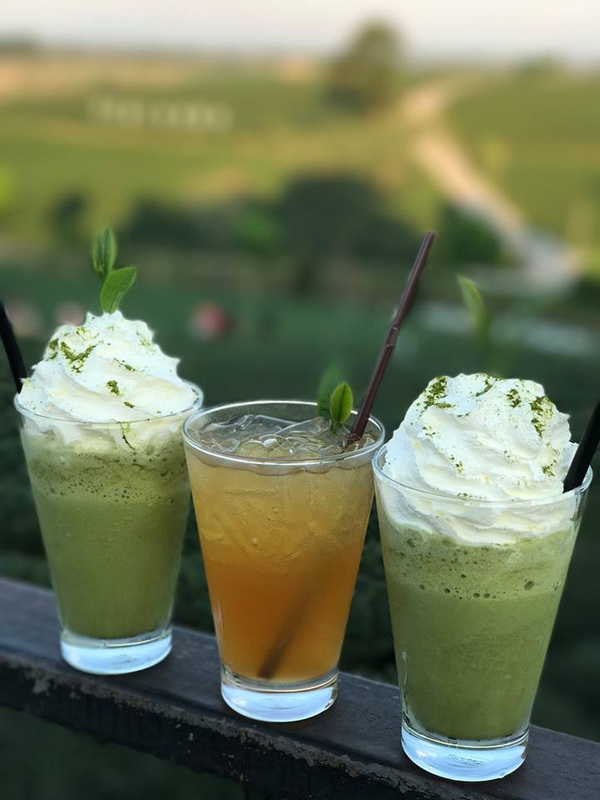
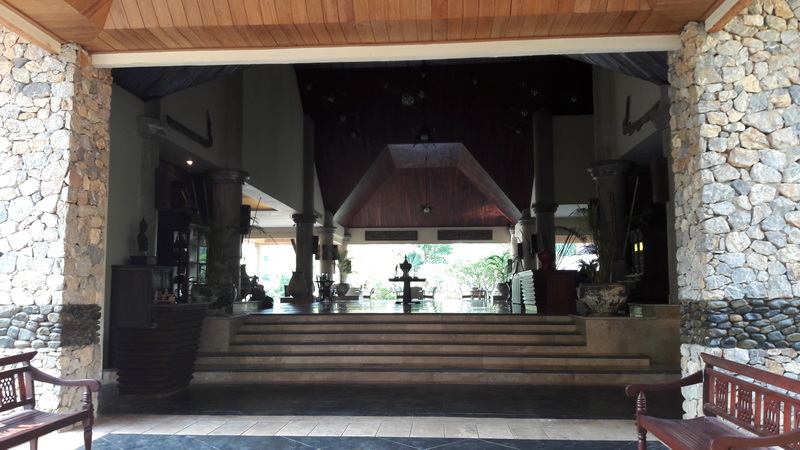
Chiang Rai Attractions and Tours Featuring Choui Fong Tea Plantation

Chiang Rai Attractions and Tours Featuring Choui Fong Tea Plantation

A thoughtful route through tea landscapes, regional sights, and complementary experiences in northern Thailand

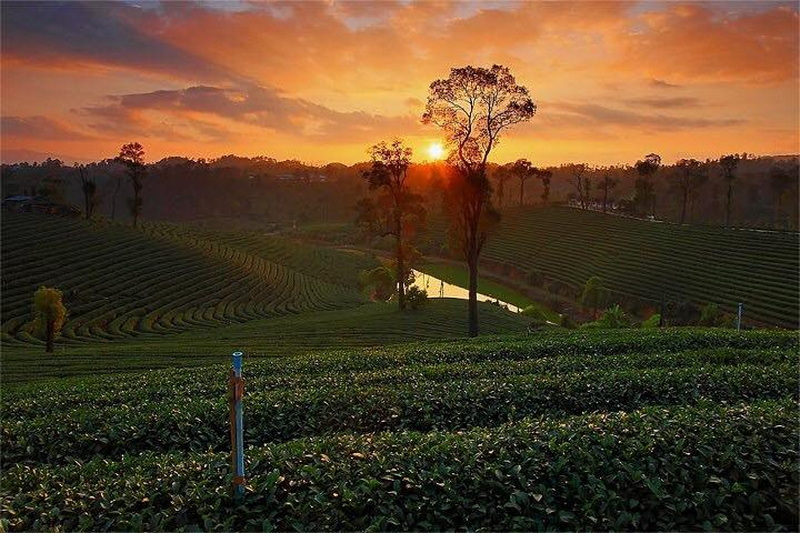
Travel photograph selected for Choui Fong Tea Plantation destination guide.

Mae Chan District offers a different way to understand northern Thailand. Rather than presenting Chiang Rai only as a collection of famous landmarks, the area invites visitors to notice how scenery, agriculture, community life, and regional identity meet. Rolling hills and cultivated landscapes create a setting where a sightseeing day can feel both visually rewarding and connected to the character of Chiang Rai Province. Among the region’s notable destinations, Choui Fong Tea Plantation stands out for the way it makes tea cultivation part of the visitor experience. The attraction is not simply a place to buy a drink or take photographs. Its planted slopes, open views, and tea-focused products provide an accessible introduction to an agricultural landscape that has become one of the memorable Chiang Rai Thailand Attractions for first-time visitors. This overview considers how to plan a visit around the plantation without reducing Chiang Rai to a single stop. It looks at the kinds of attractions and tours that can include the tea fields, how to appreciate the site responsibly, and why Pa Tueng Hot Springs and Acha Thong Forest Monastery can add different dimensions to the same regional journey.

Reading Chiang Rai Through Its Landscapes

Chiang Rai is known for a broad mix of sights rather than one uniform style of attraction. Visitors may encounter contemporary religious art, historic cultural settings, mountain scenery, local markets, gardens, and agricultural destinations. This variety is important when planning a first visit because the province rewards an itinerary that alternates between visual highlights and slower experiences. A temple or gallery may offer artistic depth, while a rural viewpoint or plantation reveals another side of everyday life in the region.

Travel photograph selected for Chiang Rai Tour Packages destination guide.

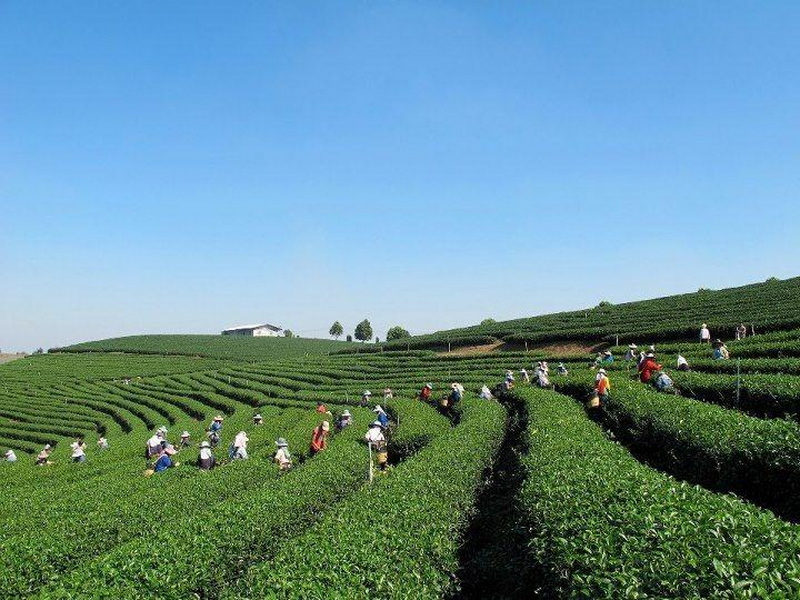
Choui Fong Tea Plantation fits naturally into that wider picture. The cultivated hills provide a strong sense of place, especially for visitors who have not previously seen tea grown in northern Thailand. Neat rows of tea plants follow the contours of the land, creating patterns that change with the light and weather. The setting encourages observation: the appearance of the fields, the surrounding hills, and the relationship between farming and tourism are all part of the visit.

The plantation is also useful for travelers who want a destination with a clear theme. Tea can be appreciated as a product, but the landscape adds context to what appears in a cup or packaged item. Visitors can take time to view the fields, sample tea-related products where available, and consider how agricultural places are presented to the public. Respectful behavior matters here, including remaining in permitted areas, avoiding damage to plants, and allowing working spaces to remain functional.

Choosing a Tour Style That Suits the Day

Tour options in Chiang Rai can be understood by the rhythm they create rather than by a single standard itinerary. A broad sightseeing tour may combine the plantation with several well-known attractions, giving first-time visitors an overview of the province. A nature-oriented outing may give more attention to scenery and rural routes. A privately arranged day can allow travelers to spend longer at the places that interest them most, although the practical details depend on the provider and the agreed plan.

When comparing Chiang Rai Tours, it is helpful to ask what kind of experience the route is designed to provide. Does the schedule allow time to appreciate the tea landscape, or is the plantation treated as a brief photo stop? Are the other destinations visually or thematically different enough to make the day varied? Does the proposed route respect the pace needed for meaningful visits? These questions are often more useful than choosing an itinerary based only on the number of stops.

Travelers coming from Chiang Mai may encounter day-trip concepts that combine Chiang Rai with the plantation and other major sights. Such a journey can cover considerable ground, so expectations should remain realistic. A long sightseeing day may be suitable for someone seeking an introduction, while visitors who prefer quiet observation may value a more focused plan. Checking current arrangements directly with a tour provider is important because routes, visiting conditions, and operating details can change.

Travel photograph selected for Choui Fong Tea Plantation destination guide, Choui Fong Tea Plantation main article view 2 2

For independent planners, the plantation works well as one anchor within a regional route rather than as the sole definition of Chiang Rai. Allowing time for changing weather, viewpoints, and unplanned pauses can make the experience less rushed. The most satisfying plan is usually the one that matches the traveler’s interests, energy, and curiosity instead of attempting to collect every famous location in one day.

What Makes Choui Fong Tea Plantation Memorable

The appeal of Choui Fong Tea is closely tied to its setting. Tea fields spread across gently shaped terrain, offering a visual contrast with the dense urban environments from which many visitors begin their journey. The orderly rows create natural lines for photography, but the view is more than a backdrop. It shows how a cultivated crop can shape the identity of a place and become part of a visitor’s understanding of the countryside.

A visit can be approached in several layers. First comes the landscape itself: the texture of the plants, the slope of the fields, and the changing atmosphere across the day. Next is the chance to learn about tea as a regional product through displays, tastings, or purchases where these are available. Finally, there is the social setting of a popular attraction, where visitors should be considerate of other guests and mindful that the plantation remains connected to agricultural work.

The best photographs do not require stepping into planted rows or blocking paths. Staying on designated routes protects the crop and preserves the view for others. Visitors should also avoid assuming that every area is open for exploration or that every product and activity is available at all times. Conditions may vary, so a flexible attitude and attention to local guidance are sensible parts of any Choui Fong Tea Plantation Travel Guide.

For travelers interested in food and drink, tea products can provide a modest souvenir linked to the place rather than a generic purchase. It is worth taking time to read labels, ask polite questions, and choose only what can be carried responsibly. The experience becomes more meaningful when consumption, photography, and appreciation are balanced with respect for the land and the people who maintain it.

Travel photograph selected for Choui Fong Tea Plantation destination guide, Choui Fong Tea Plantation main article view 3 2

Connecting the Plantation With the Wider Province

A balanced Chiang Rai itinerary gives each stop a distinct role. The tea plantation contributes agricultural scenery and a calm visual experience. A cultural attraction may offer insight into artistic traditions or religious life. A market can introduce local flavors and ordinary patterns of commerce. A natural site can change the pace again, encouraging visitors to notice water, forest, rock, or mountain conditions. This variety helps prevent a day of sightseeing from feeling like a sequence of similar photo opportunities.

Visitors should approach cultural places with the same care expected at any living religious or community setting. Clothing, photography, noise, and movement should follow local guidance. It is also useful to remember that Chiang Rai is not a theme park designed solely for visitors. Residents, farmers, vendors, monks, and workers continue their daily routines around the destinations that travelers come to see. Courtesy makes the journey more comfortable for everyone.

The plantation can also serve as a conversation point about responsible tourism. Agricultural attractions depend on healthy land, careful maintenance, and a relationship between visitors and local businesses. Buying thoughtfully, avoiding litter, and not damaging crops are small actions, but they support the dignity and continuity of the place. A visit to Choui Fong Tea Plantation Thailand becomes more than a scenic outing when the landscape is treated as a working environment rather than a stage.

Those seeking a broader overview of Chiang Rai should consider how much time they want for each experience before selecting a route. A short introduction may be enough for travelers with limited time, while a slower plan allows closer attention to the plantation and its surroundings. There is no single correct way to see the province; the useful question is whether the itinerary creates space for curiosity, respect, and genuine engagement.

Two Complementary Stops Beyond the Tea Fields

The plantation can be the central visual experience of a Mae Chan outing, but the surrounding area offers ways to change the pace and broaden the meaning of the day. These two nearby places bring natural and cultural perspectives that complement the agricultural landscape.

Pa Tueng Hot Springs

Travel photograph selected for Pa Tueng Hot Springs destination guide.

Pa Tueng Hot Springs can provide a contrasting stop after the cultivated slopes of the tea plantation. The hot-spring setting shifts attention from agricultural patterns to natural heat and water, giving the day a different sensory character. Travelers should follow local instructions, take care around hot areas, and confirm current visitor conditions before planning specific activities.

As part of a wider route, the springs work best when treated as a distinct landscape rather than simply another item to check off. The contrast between tea fields and geothermal surroundings can help visitors appreciate the environmental variety of Mae Chan District. It also offers a gentler transition for those who prefer to balance sightseeing with time spent observing nature.

Acha Thong Forest Monastery

Travel photograph selected for Acha Thong Forest Monastery destination guide.

Acha Thong Forest Monastery offers a more contemplative cultural dimension to a Chiang Rai journey. A forest monastery is a place of religious practice and community life, so visitors should dress respectfully, keep noise low, and follow any guidance about where to walk or take photographs. The atmosphere is best approached with patience rather than as a dramatic sightseeing performance.

Placed alongside a tea plantation visit, the monastery highlights the range of experiences available beyond conventional landmarks. The plantation introduces cultivated land and regional products, while the monastery invites attention to faith, forest surroundings, and quiet reflection. Together, they can give a tour a more varied and considerate sense of place.

Let the Landscape Set the Pace

Choui Fong Tea Plantation is a strong choice for travelers who want to see Chiang Rai through more than its headline landmarks. Its tea-covered hills connect scenery with agriculture, regional products, and thoughtful visitor behavior. When combined with carefully chosen Chiang Rai Tours, the plantation can anchor a varied day that also leaves room for cultural respect and natural appreciation. Whether paired with Pa Tueng Hot Springs, Acha Thong Forest Monastery, or other suitable regional stops, the experience is most rewarding when visitors slow down enough to notice how the landscape works and why it matters.

Guided Tours from Chiang Mai to Mae Hong Son Featuring Baan La-Up

Guided Tours from Chiang Mai to Mae Hong Son Featuring Baan La-Up

A respectful planning guide to village visits, regional travel, and meaningful stops around Mae La Noi

Travel photograph selected for Baan La-Up destination guide.

A guided journey from Chiang Mai to Mae Hong Son can make a remote-feeling region easier to understand and navigate. Roads wind through mountain country, distances are substantial, and the character of each community is best appreciated with time, context, and respectful attention. Ban La-Up, also written as Baan La-Up, is a village destination in Mae La Noi District that can bring these elements together within a broader Mae Hong Son visit. The value of including Ban La-Up is not simply that it offers a scenic stop. A thoughtful tour can help visitors understand the setting, learn how local livelihoods relate to the landscape, and observe community life without treating residents or traditions as a performance. This guide focuses on what travelers can reasonably expect from guided tours, how to prepare for the journey, and how to combine the village with nearby cultural and natural sites. Because tour programs differ, the most useful approach is to evaluate the style of travel rather than assume that every advertised route includes the same services. Travelers should confirm timing, transport arrangements, walking requirements, site access, and expectations for photography before departure.

Understanding the Journey from Chiang Mai

Guided Tours From Chiang Mai To Mae Hong Son generally appeal to visitors who want regional orientation as well as transport. The route into Mae Hong Son Province is a long overland journey through changing elevations and rural scenery, so a guide or experienced driver can help explain the difference between passing through a landscape and understanding it. Depending on the operator and overall route, Ban La-Up may form one cultural stop within a wider exploration of Mae La Noi and Mae Hong Son.

There is no single standard tour format to assume. Some guided journeys are designed around a private vehicle and flexible sightseeing, while others follow a planned regional circuit with a set number of stops. A traveler considering Ban La-Up should ask whether the village is a confirmed destination or merely an optional suggestion, how much time is normally allowed, and whether the visit is intended for observation, cultural interpretation, or a short scenic break.

The distance makes preparation important. Comfortable clothing, water, sun protection, and practical walking shoes are sensible choices, especially when a route includes uneven ground or village roads. Travelers who are sensitive to winding roads may also wish to discuss the driving character of the journey in advance. A well-planned tour balances movement with pauses instead of trying to turn every stop into a hurried photo opportunity.

What Visitors May Find at Ban La-Up

Ban La-Up is a community setting in Mae La Noi District rather than a conventional attraction built around a single monument. Its appeal comes from the relationship between settlement, surrounding hills, local routines, and the opportunity to encounter a quieter part of Mae Hong Son. Visitors may notice homes, cultivated areas, pathways, and ordinary working environments. These details are valuable precisely because they belong to a living community rather than a staged display.

Names can appear in several forms in travel material, including Ban La-Up Mae Hong Son and Ban La-Up Mae La Noi. A tour guide can help place the village within the district and explain how the stop relates to the wider province. The alternative spelling Ban Lua-Up may also appear in search results or informal references, but travelers should concentrate on confirming the location and intended visit with their chosen tour provider.

Travel photograph selected for Baan La-Up destination guide, Baan La-Up main article view 2 2

Visitor expectations matter. The experience may feel unhurried and observational, with scenery and local context carrying more importance than a long list of formal attractions. Guests should follow guidance about where to walk, avoid entering private spaces, and ask before photographing people, homes, ceremonies, or work activities. Purchasing locally made goods, where offered appropriately, can be a respectful way to support livelihoods, but visitors should never assume that a community visit creates an obligation to buy.

Planning a Responsible Community Visit

A useful Mae Hong Son Thailand Visitor Guide should treat cultural awareness as part of logistics, not as an optional extra. Ban La-Up is associated with a local community whose identity and livelihoods deserve more than a brief label. Visitors can prepare by learning a few basic Thai greetings, listening to explanations, dressing modestly, and allowing residents to set appropriate boundaries. A calm attitude is often more valuable than arriving with rigid expectations about what a village visit should look like.

Ask practical questions before booking or confirming a guided journey. These can include whether the guide has current knowledge of access conditions, whether the route involves walking, how the group size affects the visit, and whether interpretation will be available in a language the traveler understands. It is also reasonable to clarify photography expectations and whether any community contribution or local purchase is voluntary. Such questions help prevent misunderstandings without turning the visit into a transaction.

Travelers should also allow for changes caused by weather, road conditions, local activities, or community preferences. A responsible guide will explain adjustments rather than promise an identical experience in every season. Flexibility protects both visitors and residents, particularly in places where daily life is not organized around tourism. The best memories may come from attentive observation: a mountain view, an explanation of local work, or the quiet rhythm of a village road.

Choosing a Guided Tour That Fits Your Travel Style

When comparing guided options, first decide what kind of support is most useful. Travelers who value interpretation may prefer a guide who can discuss local history, community life, and the region’s geography. Those primarily concerned with comfort may focus on vehicle suitability, driving experience, rest opportunities, and the amount of time spent on the road. A private arrangement can offer more flexibility, while a shared group may provide a social experience but less control over pacing.

Travel photograph selected for Baan La-Up destination guide, Baan La-Up main article view 3 2

The wording used in tour descriptions should be read carefully. A mention of Mae Hong Son does not necessarily mean that Ban La-Up is included, and a reference to a cultural village does not always identify the same place. Before departure, confirm the destination name, district, approximate travel sequence, and whether the visit depends on local access. Travelers should also check what is not included, such as meals, entrance charges, or personal purchases, rather than relying on assumptions.

Families, older travelers, and people with mobility concerns may need a more detailed conversation about walking surfaces, rest stops, and the day’s physical demands. Solo travelers can benefit from a guide’s regional knowledge, particularly when connecting several sites across Mae Hong Son Province. In every case, the right tour is the one that leaves enough space for respectful engagement instead of measuring success by the number of stops completed.

Making Ban La-Up Part of a Wider Mae Hong Son Visit

Ban La-Up works best when considered as part of a regional story. Mae La Noi District combines mountain scenery, agricultural landscapes, and communities with distinct local identities. A guided visit can connect these elements by explaining how roads, terrain, and livelihoods shape movement through the area. This context makes the village more than an isolated pin on a map and helps visitors understand why travel times can be longer than distances appear.

Travel photograph selected for Mae Hong Son destination guide.

Rather than filling the day with hurried appointments, travelers can choose a route with a coherent theme: community life, mountain landscapes, or a combination of cultural and natural settings. The guide’s role is especially useful here because local knowledge can help determine whether the pace is realistic. Leaving room for pauses also supports responsible travel; it gives visitors time to listen and reduces pressure on communities to provide constant entertainment.

A considerate visit ends as thoughtfully as it begins. Follow instructions, carry personal waste away when appropriate, avoid loud behavior, and do not publish identifiable images of residents without permission. These small actions communicate that visitors recognize Ban La-Up as a home and workplace, not merely a backdrop. The result is a more grounded travel experience and a clearer understanding of the responsibilities that accompany guided tourism.

Two Complementary Stops for a Guided Route

Once the village visit has been placed in its cultural and logistical context, nearby sites can add natural and community perspectives without competing with Ban La-Up. They are most useful when selected for coherence and visited at a considerate pace.

Kaew Komol Cave

Travel photograph selected for Kaew Komol Cave destination guide.

Kaew Komol Cave can complement a Ban La-Up visit for travelers interested in the natural side of Mae La Noi District. A cave setting offers a different perspective from the open mountain environment around the village, so the two stops can create useful contrast within a guided route. Travelers should confirm current access conditions and any visitor rules with their guide, since natural sites may require particular care and may not suit every mobility level.

The relevance of the cave is not only visual. It encourages visitors to think about the geological features beneath the same regional landscape that supports villages and agriculture above ground. When time is limited, ask whether the cave and Ban La-Up can be visited without making either stop feel rushed.

Huai Hom Karen Village

Travel photograph selected for Huai Hom Karen Village destination guide.

Huai Hom Karen Village provides another cultural point of reference for travelers exploring communities in the Mae Hong Son area. Like any living settlement, it should be approached with respect for residents, local customs, and everyday work. A guide can help explain the community context while making clear which areas are appropriate for visitors and when permission is needed.

Combining Huai Hom Karen Village with Ban La-Up may broaden a traveler’s understanding of local diversity, but the two places should not be treated as interchangeable cultural showcases. Each community has its own history, livelihoods, and boundaries. A responsible itinerary allows enough time for listening and observation, avoids forced comparisons, and accepts that some activities or spaces may not be open to public viewing.

A More Informed Way to Visit Ban La-Up

A guided journey from Chiang Mai to Ban La-Up can offer more than a convenient route into Mae Hong Son. It can provide regional context, practical support, and a respectful introduction to community life in Mae La Noi District. The strongest planning begins with realistic expectations: confirm what the tour includes, prepare for a long mountain journey, and allow local people to define the boundaries of the visit. With that approach, Ban La-Up becomes a meaningful part of a wider Mae Hong Son experience, supported by thoughtful connections to Kaew Komol Cave and Huai Hom Karen Village.

Guided Tours from Chiang Mai to Mae Hong Son Featuring Kaew Komol Cave

Guided Tours from Chiang Mai to Mae Hong Son Featuring Kaew Komol Cave

A thoughtful route through limestone landscapes, local communities, and the quieter rhythm of Mae La Noi

Travel photograph selected for Kaew Komol Cave destination guide.

A journey from Chiang Mai into Mae Hong Son Province is more than a transfer between two northern Thai destinations. The road winds through mountain country, changing from busy urban surroundings to forested slopes, small settlements, and broad valley views. Within this regional journey, Kaew Komol Cave offers a focused encounter with the landscape beneath the surface. Its mineral formations and cool interior give visitors a different perspective on the terrain seen from the road. For a first-time international visitor, guided travel can make this kind of route easier to understand. A guide may connect the cave to the geography of Mae La Noi District, explain appropriate visitor behavior, and help travelers appreciate the journey as a sequence of places rather than a rushed collection of stops. This article looks at how guided tours can frame a visit, what the experience may involve, and how nearby community destinations can extend the day without turning local culture into a performance. A useful Mae Hong Son Thailand Visitor Guide should therefore cover more than viewpoints and photographs. It should also prepare visitors for mountain travel, a natural attraction that requires care, and encounters with communities whose identity deserves respectful attention.

Why the cave fits a guided Mae Hong Son journey

Guided Tours From Chiang Mai To Mae Hong Son often appeal to travelers who want regional context as well as transportation between attractions. The distance, winding roads, and number of possible stops can make an escorted itinerary easier to follow, especially for visitors unfamiliar with northern Thailand. Rather than treating Kaew Komol Cave as an isolated destination, a guide can place it within the wider story of Mae Hong Son: a mountainous province shaped by forests, valleys, limestone formations, and diverse communities.

Travel photograph selected for Mae Hong Son destination guide.

The cave is located in Mae La Noi District, an area known for a more rural atmosphere than the larger northern cities. Its position makes it a natural point of interest during a longer overland journey. The road experience is part of the setting, so a guided visit may allow travelers to notice changes in elevation, vegetation, agriculture, and settlement patterns along the way. These observations help explain why the province feels distinct from Chiang Mai, even though both destinations belong to northern Thailand.

A guide can also help establish realistic expectations. This is a natural attraction rather than an entertainment complex, and the visit is centered on entering a cave environment, observing formations, and moving through a managed visitor area. Conditions may differ according to local operating arrangements and weather, so travelers should confirm current details before setting out rather than assuming that every tour follows an identical program.

What a guided tour structure can add

A well-planned route usually begins with orientation: understanding the day’s general sequence, the nature of the roads, and the kind of walking involved at each stop. For Kaew Komol Cave Mae Hong Son, this preparation is valuable because visitors may be combining a longer drive with a short but distinctive underground experience. Asking about walking surfaces, footwear, personal comfort, and time available can help each traveler participate at an appropriate pace.

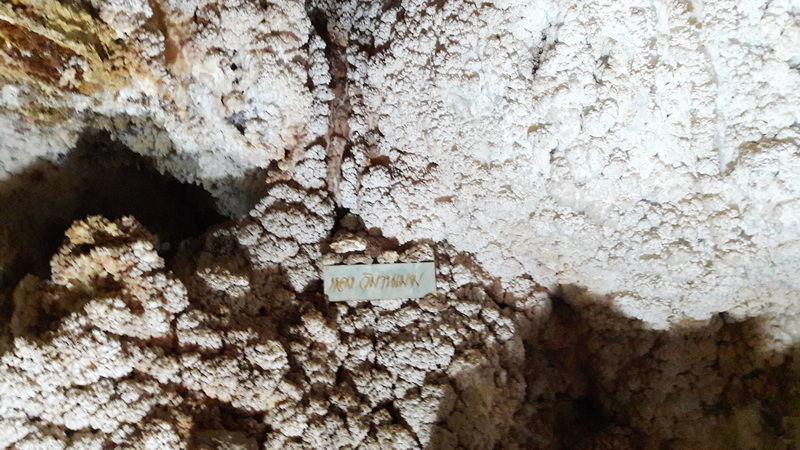
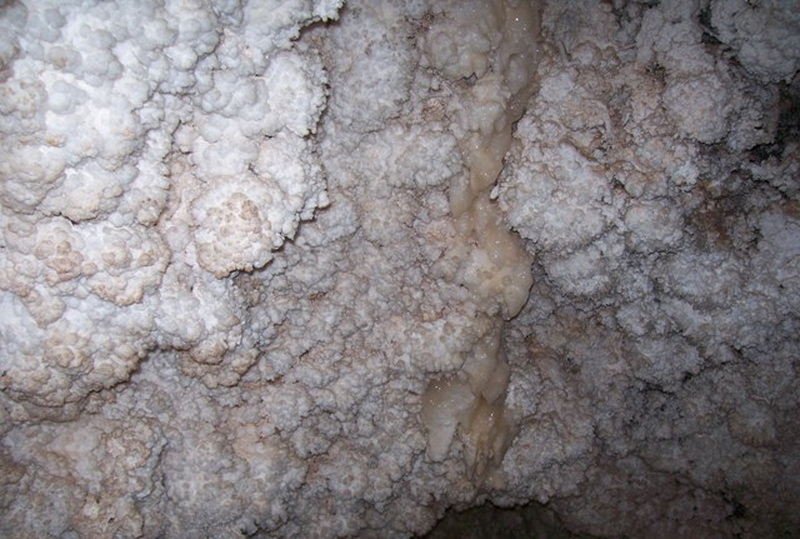
The next benefit is interpretation. Cave formations can be difficult to understand when viewed quickly, particularly when mineral textures and shapes appear unfamiliar. A knowledgeable guide may explain how water movement and mineral deposits contribute to the cave’s appearance, while also separating established information from imaginative descriptions. This turns looking into learning without requiring visitors to have a background in geology.

Guided travel can also reduce decision fatigue. Instead of repeatedly deciding where to turn, how to connect one site with another, or how much time to reserve for a stop, travelers can concentrate on the landscape and the people they meet. This does not mean surrendering all independence. Good communication remains important: visitors should feel able to ask questions, request reasonable pauses, and understand which activities are planned and which depend on local conditions.

Travel photograph selected for Kaew Komol Cave destination guide, Kaew Komol Cave main article view 2 2

For international visitors, a guide may provide useful cultural translation as well. That role should not involve speaking for communities or simplifying them into tourist labels. It is better understood as helping guests recognize boundaries, ask permission before photographing people, dress appropriately for the setting, and approach village visits with curiosity rather than expectation.

Inside the Kaew Komol Cave experience

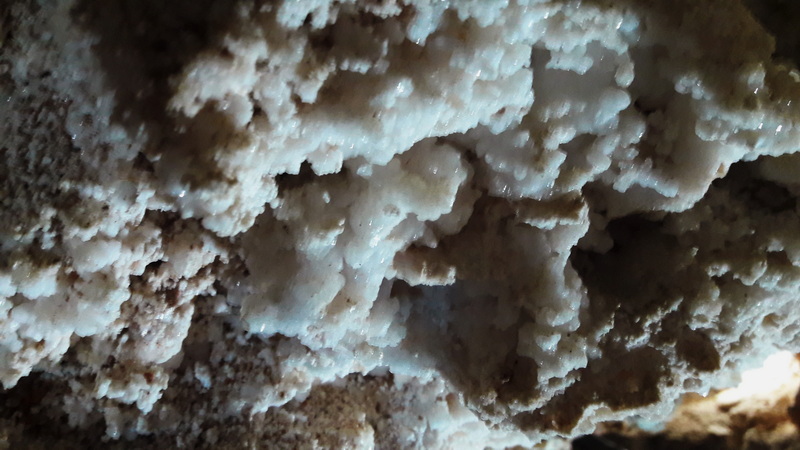
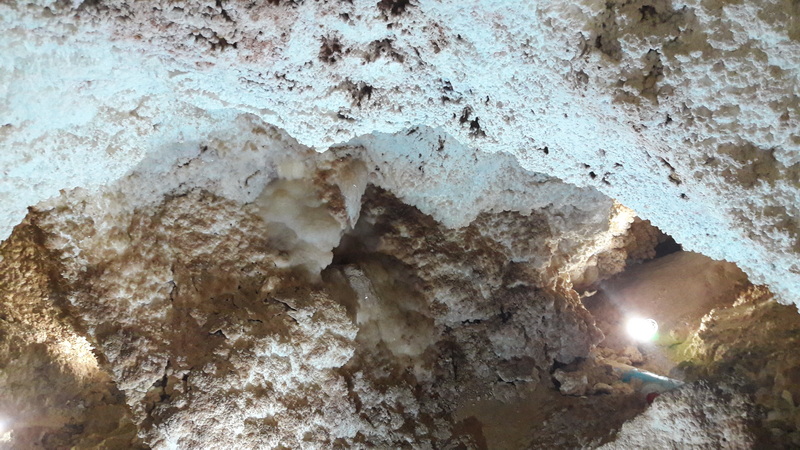
The appeal of Tham Kaeo Komon lies in the contrast between the open mountain journey and the enclosed world underground. Visitors leave the changing views of the road and enter a darker, cooler environment where attention naturally shifts to walls, ceilings, textures, and the route underfoot. The atmosphere can feel quieter and more concentrated than a typical outdoor sightseeing stop.

A responsible visit begins with patience. Formations are not props, and touching them can damage delicate surfaces or transfer oils and dirt. Following marked routes, listening to local staff or guides, and keeping voices considerate all help protect the site. Photography may be tempting, but visitors should use equipment only where permitted and avoid blocking paths while taking pictures. A cave visit rewards close observation more than hurried image collecting.

The experience can vary between travelers. Some visitors will focus on geology and the slow work of water and minerals; others may be drawn to the sensory contrast of darkness, cool air, and uneven natural textures. People who dislike confined spaces may want to discuss the route beforehand. Families and older travelers should also consider walking comfort, steps, and the amount of standing involved, since practical ease affects enjoyment as much as scenery.

A guide can make the visit feel connected to the rest of the province by explaining how underground formations relate to the limestone landscape above. The purpose is not to exaggerate the cave or assign unsupported legends to it, but to help visitors see it as part of a living natural environment. In that sense, a Visit Kaew Komol Cave experience can be both visually memorable and educational when approached with time and care.

Travel photograph selected for Kaew Komol Cave destination guide, Kaew Komol Cave main article view 3 2

Planning the journey with comfort and respect

Travelers considering a Kaew Komol Cave Travel Guide should begin with the broader journey rather than the cave alone. Mountain routes can take longer than a map may suggest, and a multi-stop itinerary may feel demanding if every hour is tightly scheduled. A guided route is most comfortable when it leaves room for road conditions, meal breaks, short rests, and the possibility that a local site requires more time than expected.

Light, practical clothing and secure footwear are sensible choices for a cave visit and a day spent moving through rural areas. Visitors should carry drinking water and protect personal belongings from damp conditions, while avoiding unnecessary disposable items. Exact facilities, access arrangements, and opening conditions can change, so current information should be checked with the relevant local authority or tour provider before departure.

The best questions are specific and simple. Travelers can ask whether the route includes substantial walking, how much time is normally allowed at the cave, whether photography is restricted in certain areas, and how the itinerary approaches village visits. These questions do not demand a fixed promise; they establish shared expectations and make it easier to choose a journey that matches personal ability and interests.

Responsible tourism also means recognizing that a community stop is not automatically a cultural lesson. Purchase decisions, photographs, and conversations should be guided by consent and respect. If a tour includes local products or village interaction, visitors can support genuine community-led activities without treating residents as scenery. A considerate attitude helps preserve the quality of the encounter for both guests and hosts.

Extending the journey beyond the cave

The cave can be the central natural experience, but the surrounding district gives a guided route greater depth. Two community destinations may help travelers connect the mountain landscape with the people who live within it, provided visits are approached with consent and restraint.

Ban La-Up

Travel photograph selected for Ban La-Up destination guide.

Ban La-Up can add a community and landscape dimension after the cave visit. The destination is associated with local hill-community life in Mae Hong Son, so a respectful visit should focus on the place as a living community rather than a staged backdrop. Travelers may notice settlement patterns, surrounding hills, and locally made products, but the meaning of the visit depends on how the community welcomes visitors and what activities are currently available.

A guide can help explain appropriate behavior, including when to ask before taking photographs and how to make purchases directly and thoughtfully. Visitors should avoid assuming that every resident wishes to be photographed or interviewed. When approached with humility, Ban La-Up complements the underground experience by bringing attention back to people, land, and everyday life in the mountain region.

Huai Hom Karen Village

Travel photograph selected for Huai Hom Karen Village destination guide.

Huai Hom Karen Village offers another way to understand the human geography surrounding Mae La Noi. A visit should be presented with dignity and without reducing Karen identity to a tourist image. The village is a community first, and travelers benefit from learning through permitted, locally guided experiences rather than arriving with fixed assumptions about customs or daily routines.

Placed after a cave visit, the village can broaden the journey’s perspective. Underground mineral formations reveal one layer of the region’s natural history, while a community destination encourages attention to livelihoods, landscape relationships, and local continuity. Visitors should follow guidance from residents or local hosts, buy only what they genuinely value, and leave the area as quietly and carefully as they found it.

A more meaningful route through Mae La Noi

Kaew Komol Cave works especially well within a guided journey because its value grows through context. The road from Chiang Mai, the cave’s mineral environment, and the nearby communities each reveal a different part of Mae Hong Son. Guided travel can make those connections easier to understand while supporting practical decisions about comfort, timing, and respectful conduct. With realistic expectations and attention to local guidance, visitors can experience the cave not as a hurried stop, but as one carefully considered chapter in a mountain journey.

Old Rubber Tree Road and the Quiet Side of Chiang Mai Travel

Old Rubber Tree Road and the Quiet Side of Chiang Mai Travel

A reflective journey through roadside trees, village life, and temple heritage between Chiang Mai and Lamphun

Travel photograph selected for Old Rubber Tree Road destination guide.

Some of the most memorable journeys in northern Thailand begin without a famous viewpoint or a crowded landmark. Old Rubber Tree Road offers that kind of experience. Stretching through Saraphi District in Chiang Mai and toward Mueang Lamphun District in Lamphun, the route is valued for its mature rubber trees, unhurried atmosphere, and connection to communities that have developed along an important regional corridor. The road is not a conventional attraction with a single entrance or a fixed list of activities. Its character appears gradually: in the repeating rhythm of tree trunks, the shade beside the roadway, small signs of daily work, and changing views between built-up areas and greener stretches. For curious visitors, this makes it one of the more rewarding Unseen Attractions In Chiang Mai. A visit here is best approached as an observation-led outing rather than a checklist. The interest lies in noticing how landscape, transport, agriculture, faith, and settlement meet. With a respectful pace, the journey can become a thoughtful part of Chiang Mai Travel and a gentle introduction to the cultural landscape shared by Chiang Mai and Lamphun.

Reading the Landscape Along the Road

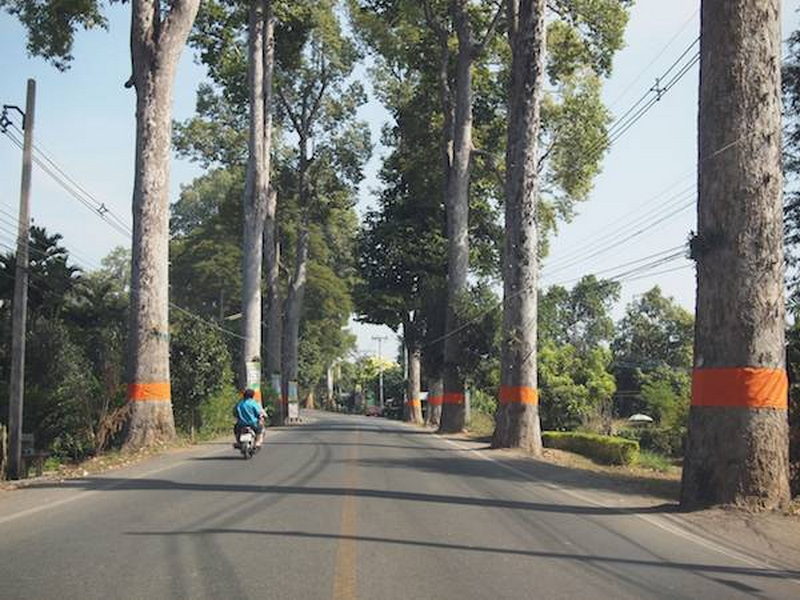
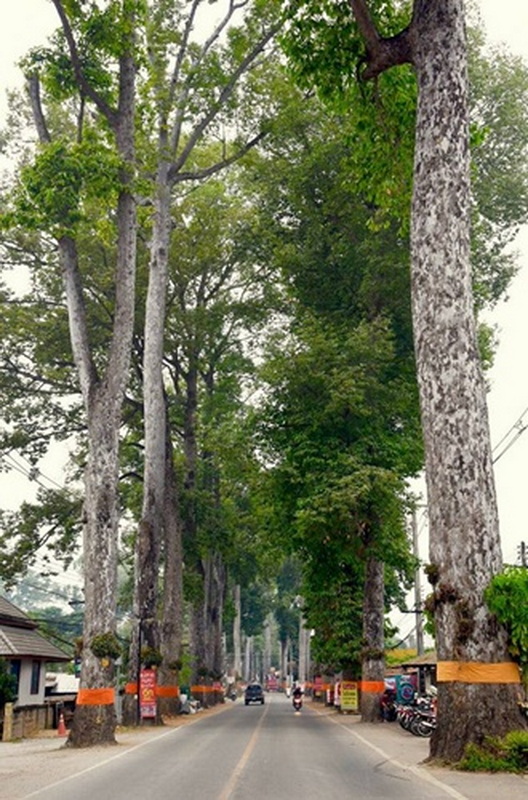
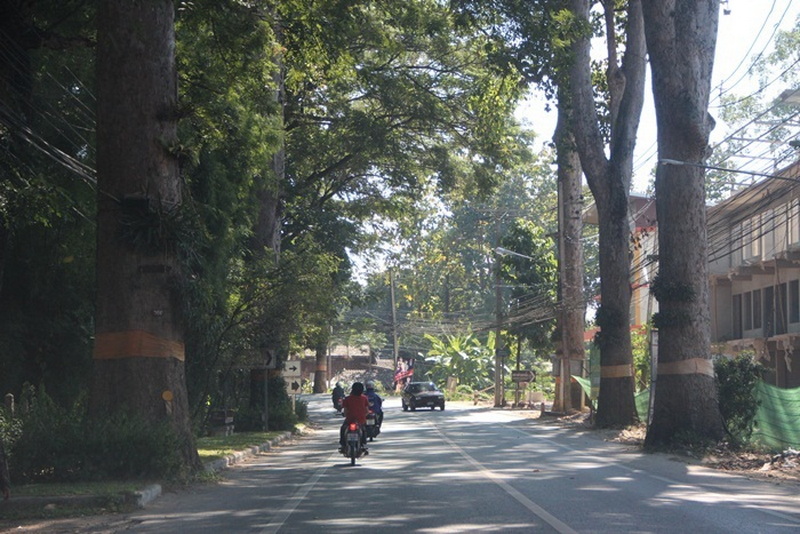
The defining feature of The Rubber Tree Road is its avenue of mature rubber trees. Their tall, pale trunks and spreading canopies create a visual rhythm that changes with the light, weather, and season. In some stretches, the trees feel like a deliberate frame for the road; in others, they blend into houses, walls, utility lines, and patches of cultivated land. The appeal is not a single dramatic vista but the continuity of the landscape.

Rubber trees are also a reminder that this is a lived environment, not a decorative park created solely for visitors. The surrounding area reflects the long relationship between residents, roads, agricultural land, and regional trade. Even when visitors cannot see every aspect of cultivation, the trees encourage a more attentive way of looking at the journey. Their presence connects a seemingly ordinary road with the economic and environmental history of the wider north.

The atmosphere can be especially compelling during quieter periods of the day, when shade softens the roadside and local movement becomes easier to observe without intrusion. Visitors should avoid stopping where they obstruct traffic and should treat private homes, work areas, and people going about their routines as part of a community landscape rather than as photo props. A slower pace and a restrained camera are often the most appropriate ways to appreciate the setting.

Travel photograph selected for Old Rubber Tree Road destination guide, Old Rubber Tree Road main article view 2 2

An Offbeat Experience for Curious Travelers

Unlike a destination built around one monument, the Saraphi Old Rubber Tree Road rewards short pauses and changing impressions. A visitor might notice the contrast between old trees and newer development, the sound of traffic moving beyond the canopy, or the way village lanes branch away from the main route. These details create a sense of place that is easy to miss when traveling only between major city attractions.

This is where the road becomes more than a scenic drive. It offers an opportunity to observe northern Thai daily life at an ordinary scale: modest roadside commerce, planted plots, local movement, and the practical relationship between residents and the road. Such observations should remain grounded and respectful. The goal is not to turn everyday life into a spectacle, but to understand how a regional route can carry memory and identity even when it is not heavily promoted.

For independent explorers, the area can complement a wider journey between Chiang Mai and Lamphun. Rather than filling every moment with scheduled sightseeing, travelers can leave room for visual discovery and reflection. The experience suits people who enjoy landscape photography, cultural observation, quiet cycling or driving environments where appropriate, and journeys in which the route itself is part of the destination.

Travel photograph selected for Old Rubber Tree Road destination guide, Old Rubber Tree Road main article view 3 2

How to Experience the Route with Care

A considerate visit begins with awareness that the road remains part of the local transport network. Traffic conditions can vary, so pedestrians and photographers should choose safe places to pause, remain alert, and never stand in the roadway for a better image. If a particular tree, house, or activity appears interesting, distance and discretion matter more than getting a close-up view.

The landscape also benefits from simple environmental care. Visitors can carry away rubbish, avoid damaging trees, and refrain from attaching objects to trunks or entering cultivated areas without permission. Mature roadside trees may look robust, but they are living parts of a connected landscape. Protecting the quiet character of the route helps preserve the very quality that makes it meaningful.

Respect extends to religious and community spaces encountered during the wider journey. Clothing should be suitable when entering a temple, shoes should be removed where requested, and photography should follow posted guidance or local expectations. Asking before photographing people is a small but important gesture. These practices make the experience more reciprocal and help ensure that exploration does not come at the expense of local dignity.

Travel photograph selected for Old Rubber Tree Road destination guide, Old Rubber Tree Road main article view 4 2

A Landscape Between Two Northern Cities

The phrase Rubber Tree Road Chiang Mai-Lamphun describes more than a scenic name. It points to a route through a region where the boundaries between urban expansion, village life, agriculture, and heritage are not always sharply divided. Saraphi and the surrounding districts have long served as a connecting landscape, allowing movement between the larger centers while retaining quieter local areas along the way.

That in-between quality gives the road its distinctive travel value. Visitors can sense the contrast between Chiang Mai’s busy visitor economy and the more dispersed rhythms found farther along the route. The change may be gradual rather than dramatic, which is precisely why attentive travel is useful. A roadside tree, an old wall, or a temple approach can reveal continuity that is difficult to understand from a central-city itinerary alone.

The route is therefore well suited to travelers who want to broaden their idea of what counts as a destination. It does not need elaborate interpretation to be worthwhile. Watching how the canopy, buildings, roads, and religious landmarks fit together can provide a grounded understanding of the region. In this setting, discovery comes from context: seeing familiar northern landscapes as parts of a living network rather than isolated attractions.

Temple Heritage Beyond the Tree Canopy

The road’s quiet scenery becomes more meaningful when placed beside the region’s continuing religious traditions. Two nearby temples offer distinct opportunities to reflect on Lamphun’s heritage while keeping the visit grounded in respectful observation.

Wat Phra Yuen

Travel photograph selected for Wat Phra Yuen destination guide.

Wat Phra Yuen in Lamphun adds a significant heritage dimension to a journey along the road. The temple is associated with Lamphun’s long Buddhist and Lanna history, and its name is commonly understood in relation to standing Buddha images. Its architectural setting invites visitors to consider how religious sites have served as places of devotion, community connection, and cultural continuity across generations.

Visitors should enter with quiet attentiveness and follow the temple’s local customs. Dress should be respectful, voices kept low, and sacred images treated with care. Rather than rushing through for photographs, allow time to notice the arrangement of the grounds and the relationship between worship, architecture, and daily community life.

Wat San Pa Yang Luang

Travel photograph selected for Wat San Pa Yang Luang destination guide.

Wat San Pa Yang Luang offers another perspective on the heritage of Lamphun and the wider northern region. The temple is known for its Lanna artistic character and religious setting, making it a useful companion to the more open-ended experience of the roadside landscape. Here, cultural meaning is expressed through a place maintained for worship and community use, not simply through objects on display.

A respectful visit means observing whether ceremonies or private acts of devotion are taking place before exploring. Avoid touching religious features, follow any instructions from temple caretakers, and ask permission for sensitive photography. Approached in this way, the temple can deepen an understanding of the area’s historical identity without reducing living traditions to scenery.

Let the Route Set the Pace

Old Rubber Tree Road is best remembered not as a single attraction to conquer, but as a landscape to notice. Its mature trees, local surroundings, and connections to temple heritage create an experience that rewards patience rather than speed. For travelers seeking Unseen Attractions In Chiang Mai, the road offers a quieter way to understand the region, while its wider Chiang Mai Travel context reveals how Chiang Mai and Lamphun remain linked by everyday life, history, and movement. Leave space for observation, travel gently, and allow the road to tell its story at its own pace.

Pong Dueat Geyser A Guide to Reading Northern Thailand Tour Descriptions

Pong Dueat Geyser A Guide to Reading Northern Thailand Tour Descriptions

A focused guide to geothermal vocabulary, hot-spring labels, and nature-led tour language around Mae Taeng

Travel photograph selected for Pong Dueat Geyser destination guide.

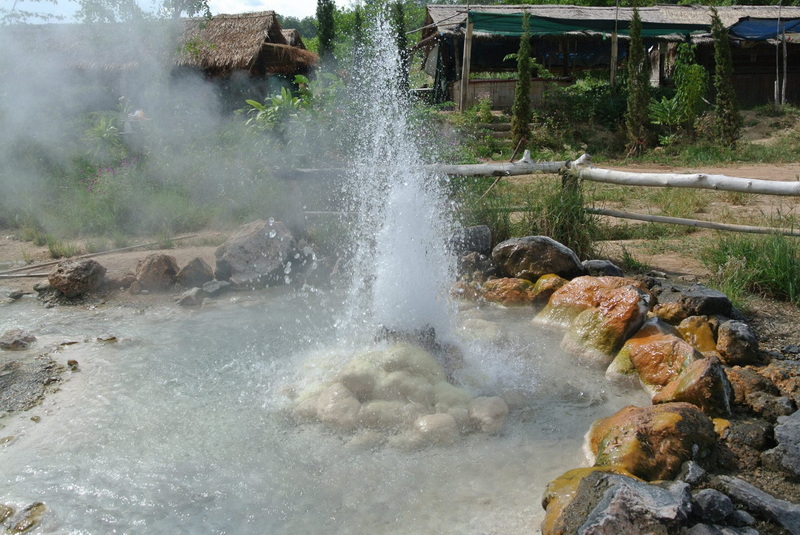
A tour description can make Pong Dueat Geyser sound like several different experiences. One listing may call it a hot spring, another may use the name Pong Dueat Pa Pae, and a third may place it within a scenic mountain itinerary. These labels are not interchangeable in emphasis: one highlights heated water, another points to the geyser-like feature, and a broader route description may be referring to the setting as a nature stop. That makes this attraction especially useful for readers who want to understand northern Thailand travel language before choosing an outing. Pong Dueat Hot Spring is in Mae Taeng District, Chiang Mai, and its defining appeal is the meeting of geothermal water with a natural outdoor setting. A short visit can therefore be read through several lenses at once: earth science, bathing culture, landscape observation, or regional sightseeing. This guide treats the destination as a vocabulary key. It explains what common labels suggest, how Pong Dueat fits discussions of the Best Hot Springs in Chiang Mai, and why the phrase Guided Tours From Chiang Mai To Mae Hong Son can describe a travel theme without telling the whole story of a particular itinerary. The goal is not to promote a specific package. It is to help nature-minded visitors understand what kind of experience the words are pointing toward.

One Site, Several Useful Names

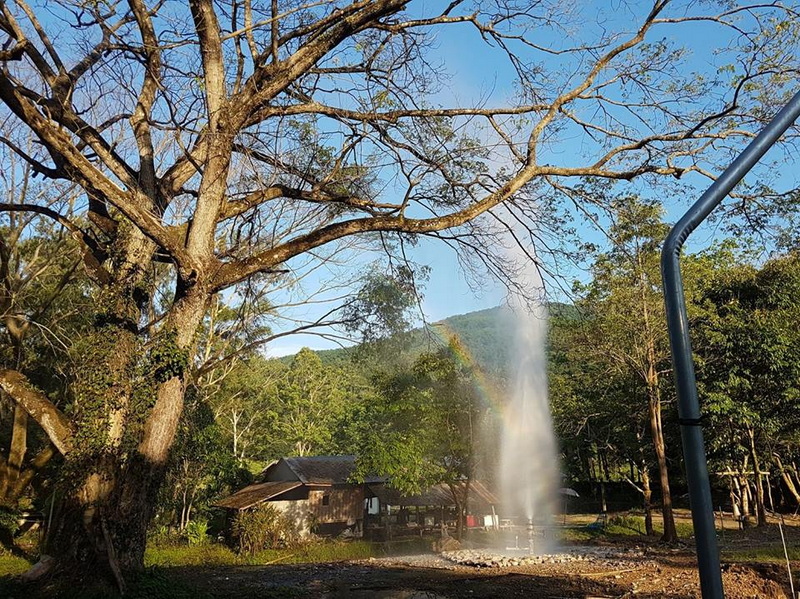
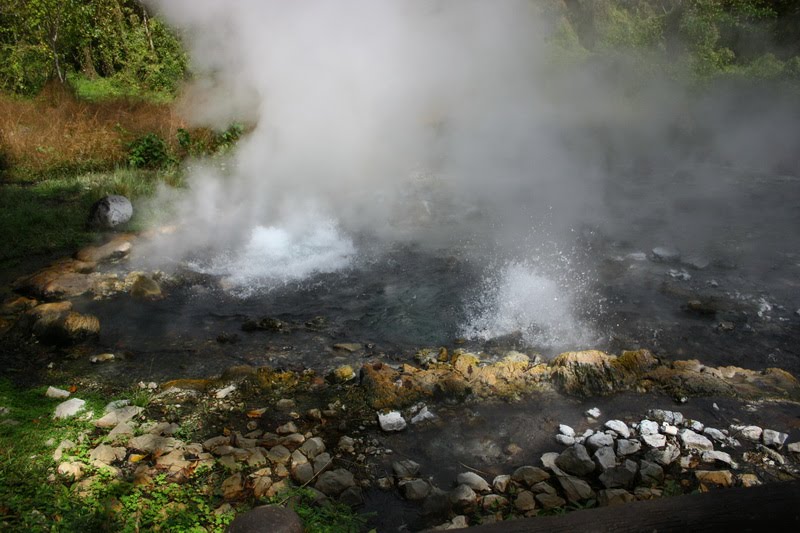
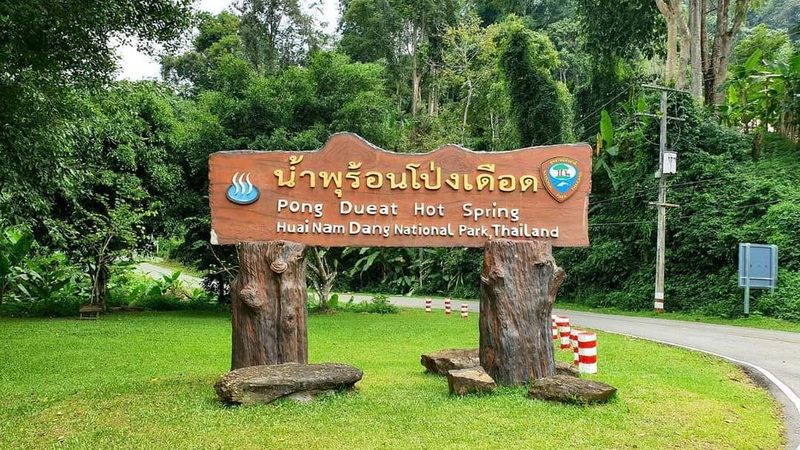
Pong Dueat Hot Spring is the clearest destination name for general travel searches. Pong Dueat Geyser draws attention to the feature that makes the place memorable: geothermal water can bubble or spurt from the ground in geyser-like activity. Pong Dueat Pa Pae and Pong Dueat Pa Pae Hot Spring are additional wording variations that may appear in travel content, maps, or search results. Readers should treat these as naming clues connected with the same destination topic, not as a reason to imagine several separate attractions.

The word “geyser” also changes the expected visitor experience. A conventional hot spring is often discussed through bathing pools, warm water, or relaxation. A geyser label directs attention toward movement: water rising, bubbling, steaming, or leaving mineral traces around the spring area. The attraction’s interest begins before anyone considers a soak. It lies in watching a force from below the surface make itself visible.

Only a small amount of geology is needed to understand the scene. Rainwater moves into the ground, encounters heat below, and returns upward through cracks and channels. At Pong Dueat, that process produces naturally heated water and visible geothermal activity within Mae Taeng’s green surroundings. The explanation is simple, but it gives the site a strong sense of place: the water is not merely heated for visitors; it arrives as part of an active earth system.

What “Best Hot Springs in Chiang Mai” Can Mean

The phrase Best Hot Springs in Chiang Mai is a comparison label, not a single standard of quality. “Best” may mean the strongest geothermal display, the most appealing bathing environment, the easiest cultural stop, or the most interesting setting for a short nature visit. Pong Dueat earns attention within that conversation because its geyser-like activity gives the destination an observable natural feature beyond the general idea of warm water.

A useful comparison starts with the visitor’s subject of interest. Someone focused on bathing may judge a hot spring by pools, water temperature, atmosphere, and the amount of time available for relaxation. Someone drawn to natural processes may place greater weight on bubbling water, steam, mineral colouring, and the chance to see how a spring behaves. Pong Dueat belongs firmly in the second conversation, even though the word “hot spring” keeps it connected to the first.

Travel photograph selected for Pong Dueat Geyser destination guide, Pong Dueat Geyser main article view 2 2

Search language can also blur local naming. Pa Pae Hot Spring may appear beside Pong Dueat-related searches, while Pong Dueat Pa Pae Hot Spring Chiang Mai and Pong Dueat Pa Pae Hot Spring Thailand are longer versions aimed at travellers searching by destination, region, or country. These phrases are useful for discovery, but the meaningful question is what the page or itinerary actually emphasizes: a geothermal feature, bathing, a forest stop, or a wider northern route.

This is why the best comparison is experiential instead of competitive. Pong Dueat is compelling for visitors who want a spring with visible geothermal character and an outdoor setting. Another hot spring may appeal more strongly to someone whose priority is an extended bathing session. Neither judgment needs a ranking; each describes a different way of valuing thermal places.

Reading the Route Words Around Mae Hong Son

The phrase Guided Tours From Chiang Mai To Mae Hong Son usually signals a regional travel theme: northern mountains, long-distance road scenery, cultural stops, and natural attractions linked across a larger journey. When Pong Dueat appears in that search environment, its role is often best understood as a geothermal point of interest within that theme. The phrase alone does not describe the spring’s physical character, so the destination name remains important.

Travel photograph selected for Mae Hong Son destination guide.

Several common expressions help reveal the intended emphasis of a description. A “nature stop” suggests that the place contributes scenery, earth features, or outdoor interest. A “scenic detour” presents the attraction as a memorable interruption in a longer route. A “mountain route” places the spring within northern topography and road-based exploration. A “hot-spring visit” gives the thermal element priority. These terms overlap, yet each one prepares the reader to notice something different.

A listing that calls Pong Dueat a geyser stop is inviting observation of the water’s activity. A description that calls it a wellness stop may foreground warmth and rest. If it appears as part of a Mae Hong Son travel narrative, the attraction may function as one chapter in a regional story instead of the sole purpose of the day. This distinction helps readers interpret tour language without mistaking a broad search phrase for a detailed itinerary.

For a nature lover, the strongest reading combines the labels without allowing one to erase the others. Pong Dueat Pa Pae Hot Spring Travel Guide, for example, should ideally answer both sides of the name: what makes the spring physically distinctive and how does the setting contribute to a northern Thailand outing? The more useful descriptions are those that give the geothermal feature enough attention to remain a destination, not just a line in a list.

Travel photograph selected for Pong Dueat Geyser destination guide, Pong Dueat Geyser main article view 3 2

The Details That Give the Stop Its Character

Pong Dueat rewards an attention span measured in observations instead of attractions counted. Watch the surface of the water and the rhythm of its movement. Notice how damp ground, mineral traces, steam, and vegetation occupy the same small area. The scene becomes legible when these details are read together: heat is moving upward, water is carrying material from below, and the surrounding environment records that process.

This also explains why the destination can matter to people who are not planning to bathe. The spring offers a compact lesson in northern geology, presented through sound, motion, and texture. A visitor interested in photography may focus on steam or water. A family may find the bubbling activity easier to understand than an abstract explanation of geothermal energy. A traveller following a regional route may value the change of subject after stretches of mountain scenery.

The site’s name should guide attention, not dictate a performance. A visitor searching for Visit Pong Dueat Pa Pae Hot Spring may arrive expecting a standard spa-like experience, yet the geyser identity points toward something more elemental and observational. That does not diminish the spring’s recreational value; it places relaxation alongside curiosity. The destination works best when its natural feature remains visible in the way the visit is imagined.

A brief verification note belongs at the practical edge of the subject: facilities and visitor arrangements can change, so current local information is useful when making detailed plans. It need not dominate the interpretation. The enduring reason to know Pong Dueat is the geothermal event itself and the way it gives a specific point in Mae Taeng a distinctive vocabulary.

Two Other Nature Vocabulary Clues

The surrounding attraction names also reveal how northern itineraries use broad nature language. They point to different subjects, and that difference is useful when reading a route description.

Kanta Elephant Sanctuary

Travel photograph selected for Kanta Elephant Sanctuary destination guide.

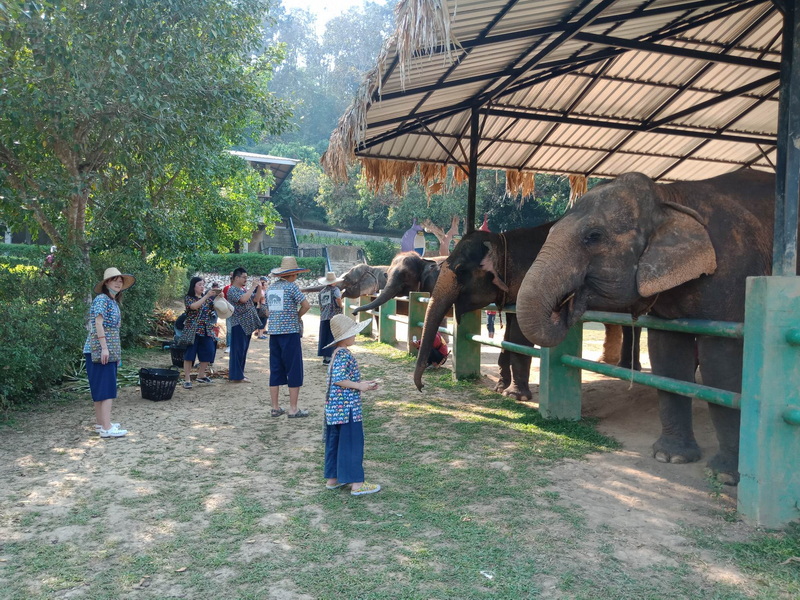
Kanta Elephant Sanctuary adds an animal-focused name to the wider set of nature experiences associated with this part of Chiang Mai. In an article about tour language, it illustrates how a route description can shift from geothermal observation to wildlife interest. Its inclusion should be read as a separate attraction theme, not as a definition of Pong Dueat’s geyser character.

Mok Fa Waterfall

Travel photograph selected for Mok Fa Waterfall destination guide.

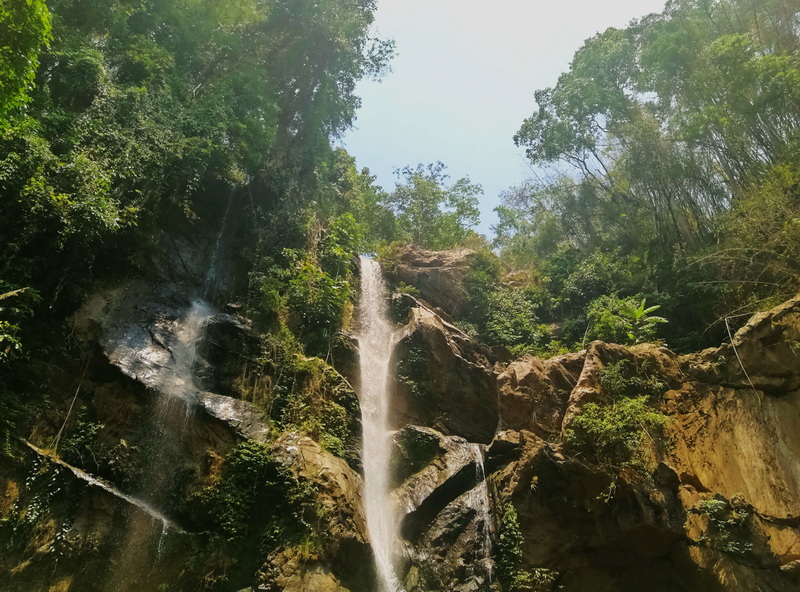
Mok Fa Waterfall introduces another form of water-based scenery into the regional conversation. The spring’s water is notable for heat rising from underground, while a waterfall is understood through flowing surface water and vertical movement. That simple distinction helps readers see why a tour writer may group different natural attractions under one broad outdoor itinerary while each retains its own subject.

Let the Name Tell You What to Notice

Pong Dueat Geyser becomes easier to understand once its labels are separated into their parts. “Hot spring” identifies the thermal setting, “geyser” directs attention to movement, and the Mae Hong Son tour language places the site within a larger northern travel conversation. Together, those clues point to a destination valued for its visible geothermal character and its ability to give a route a clear natural subject. Search terms may lead visitors there, but the bubbling water, heated ground, and changing surface details are what make the place worth interpreting for yourself.

Pai Canyon Visitor Guide for a Guided Mae Hong Son Journey

Pai Canyon Visitor Guide for a Guided Mae Hong Son Journey

A practical first-visit perspective on viewpoints, walking conditions, guided planning, and nearby natural stops

Travel photograph selected for Pai Canyon destination guide.

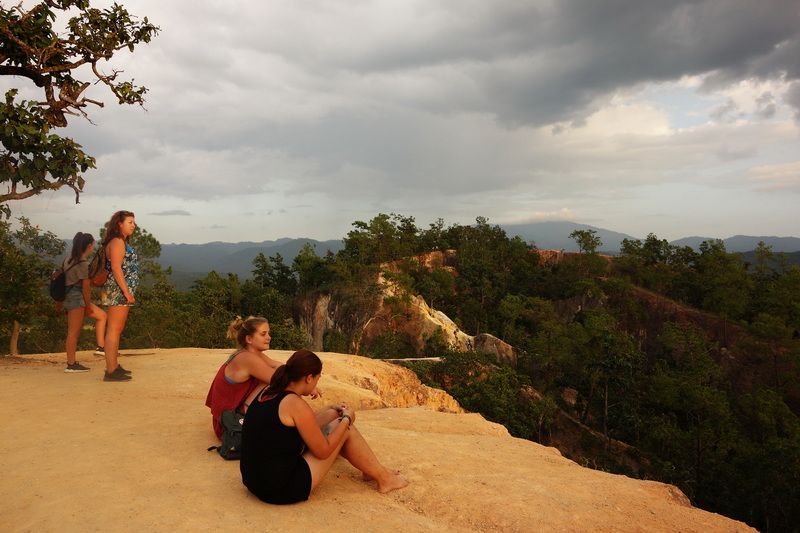
Pai Canyon, also known as Kong Lan, is a scenic natural viewpoint in Pai District, Mae Hong Son. Its appeal comes from narrow ridges, exposed earth, and broad views across a dry, undulating landscape. This is not a conventional park with a single paved viewing platform. Visitors encounter a terrain that rewards careful walking and sensible preparation, especially when exploring beyond the first accessible lookout. For a first-time international visitor, a guided itinerary can make the experience easier to understand and combine with other places in the district. A knowledgeable guide can help explain where the safer walking opportunities begin, how long to allow for photography and observation, and when to move on to the next stop without turning the visit into a rushed checklist. This article takes a planning-first approach to Pai Canyon Or Kong Lan Mae Hong Son, with practical context for travelers considering a wider Mae Hong Son route. The emphasis is on what to expect rather than on fixed schedules, prices, or promises about any particular tour. Conditions, traffic, weather, and operator arrangements can change, so visitors should confirm current details before departure. Used thoughtfully, a guided visit provides structure while still leaving room to appreciate the landscape at an unhurried pace.

Understanding Pai Canyon and Kong Lan

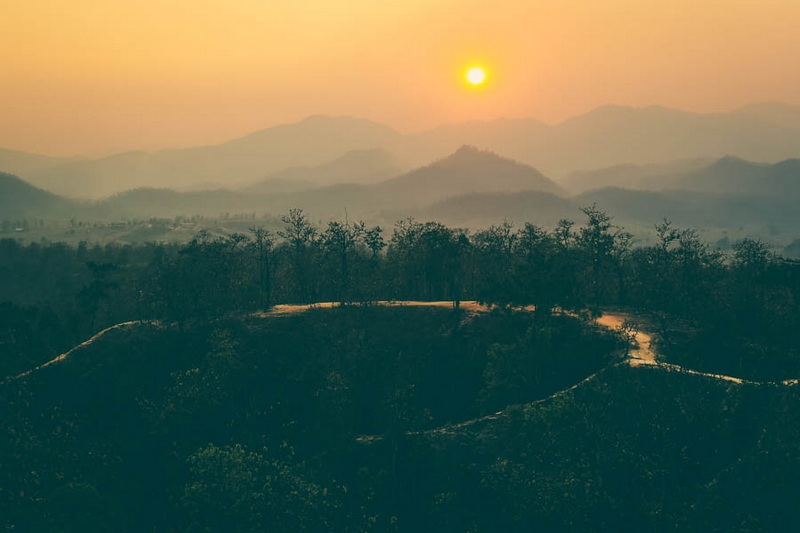
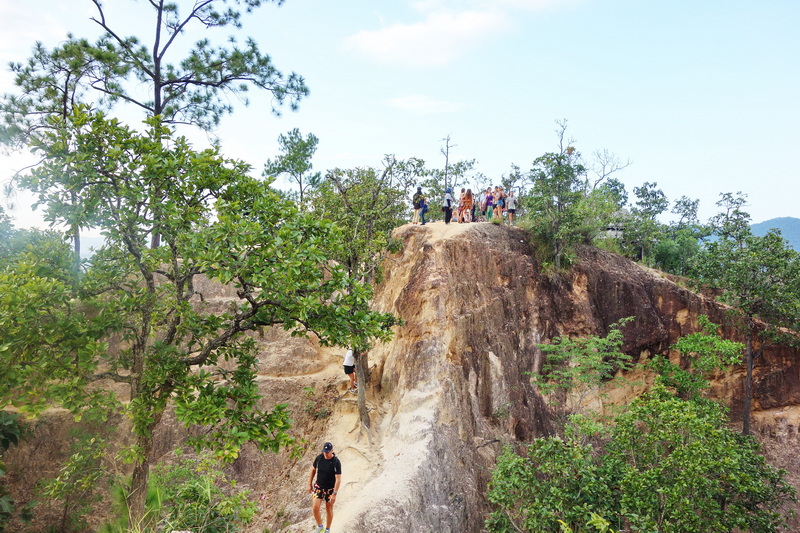
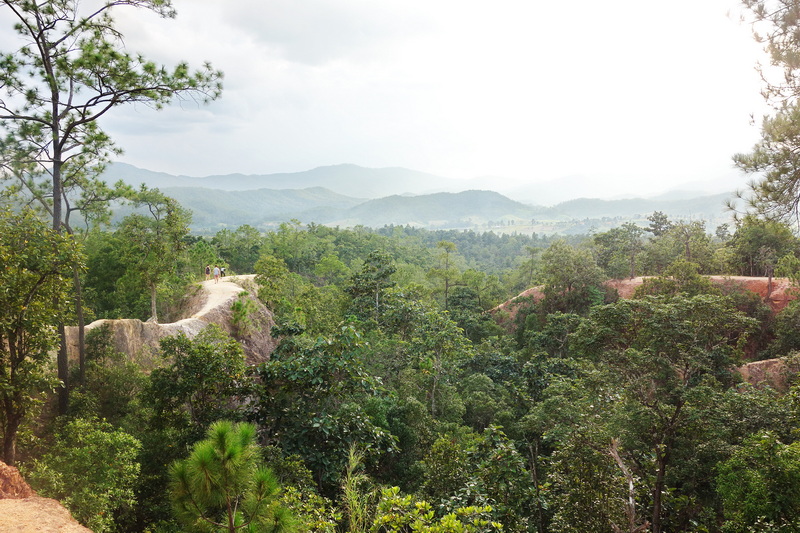
Pai Canyon is the name most visitors hear, while Kong Lan is a local name commonly associated with the same landscape. The site is formed by eroded earth and sandstone-like ridges that create a sequence of elevated paths and viewpoints. From the accessible areas, the surroundings appear open and spacious, with forested hills and agricultural land extending beyond the canyon formations. The landscape changes character with the light, but visitors should treat it as a natural environment rather than a manicured attraction.

The first viewing area may give a strong impression of the canyon, yet the ridges can become narrow, uneven, and exposed as walkers continue. Some sections have steep drops beside the walking surface, and the ground may be loose or dusty. A person who is comfortable at one viewpoint may not feel equally comfortable farther along the ridge. There is no need to reach every visible section to have a worthwhile visit; choosing a safe stopping point is part of responsible sightseeing.

A useful Pai Canyon Or Kong Lan Thailand visitor guide should therefore explain both the scenery and the limits of the terrain. Lightweight clothing, sun protection, drinking water, and shoes with a secure grip are sensible choices. Visitors should avoid climbing onto unstable edges for photographs and should give other people enough room on narrow sections. During or after rain, surfaces may be slippery, while dry weather can create dust and stronger heat exposure. A guide can help a group adapt its walking plan to those conditions.

How a Guided Visit Can Improve the Day

Search phrases such as Guided Tours From Chiang Mai To Mae Hong Son cover several different travel expectations. Some travelers mean a multi-stop regional journey, while others are looking for a guided route that includes Pai and selected attractions before continuing toward Mae Hong Son. Because the wording is broad, it is important to read an itinerary carefully rather than assuming that every tour offers the same amount of time at Pai Canyon.

Travel photograph selected for Pai Canyon destination guide, Pai Canyon main article view 2 2

Before choosing a guided experience, ask how the canyon visit fits into the wider day. Useful questions include whether walking time is flexible, whether the group visits during a busy viewing period, and whether the guide explains local geography or simply leads the way to a viewpoint. It is also reasonable to ask about the physical character of the walk. A clear description helps travelers decide whether the activity suits their footwear, fitness, confidence around heights, and preferred pace.

A guide can add value without overwhelming the visit with commentary. The most helpful guidance may be simple: stay on established walking surfaces, pause where the ridge widens, protect valuables from dust, and allow space for other visitors. An attentive guide also helps a group gather before moving on, which is useful when the terrain has several branching viewpoints. Travelers who prefer quiet observation can mention that preference in advance so the experience remains balanced.

For people building a Mae Hong Son Thailand Visitor Guide for their own trip, Pai Canyon works best as one landscape-focused stop within a varied route. It offers visual drama and open views, but it does not provide the same experience as a waterfall, hot spring, bridge, or cultural site. Combining different kinds of places can make the day more comfortable and meaningful, particularly for visitors who do not want every stop to involve uneven walking.

Practical Preparation for First-Time Visitors

Timing should be discussed with the tour provider or guide rather than assumed from a generic online description. Light, heat, road conditions, and crowd levels can influence how comfortable the visit feels. Many visitors are drawn to the changing colors around late afternoon, but a popular viewing period may also mean more people on limited ridge space. The best choice depends on the season, the group’s interests, and the current local conditions.

Travel photograph selected for Pai Canyon destination guide, Pai Canyon main article view 3 2

Wear clothing that allows easy movement and choose closed shoes with a reliable sole. Sandals may be less suitable on dusty or uneven sections, particularly if a traveler intends to walk beyond the main lookout. A small bag is easier to manage than bulky luggage, and water should be kept accessible. Sun protection is important because some viewpoints are open rather than shaded. Visitors should also carry personal medication and communicate any mobility concerns before the walking portion begins.

Photography deserves a safety reminder. The dramatic lines of the ridges can encourage people to focus on framing a picture instead of watching their footing. Stop fully before taking photographs, keep phones and cameras secure, and do not stand on crumbly edges or block a narrow path. A guide may identify viewpoints that provide a strong composition without requiring risky positioning. Respecting other visitors also matters: brief pauses are considerate when the path is limited.

Responsible behavior extends beyond personal safety. Do not remove soil, plants, or rocks, and carry away anything brought into the landscape. Keep voices moderate when other people are observing the scenery, and follow any current local signs or instructions. Weather can alter conditions quickly, so a guide may shorten or modify the walking portion. Flexibility is more useful than treating a preplanned route as an unchangeable promise.

Creating a Balanced Pai Canyon Itinerary

A well-shaped itinerary gives Pai Canyon enough attention without making the entire day a race between viewpoints. Start by deciding what the group values most: landscape photography, a short scenic walk, regional context, or a broader circuit through Pai District. Then discuss the order of stops with the guide. The ideal sequence depends on current conditions and the overall route, so a flexible plan is preferable to one built around exact assumptions.

Travel photograph selected for Pai Canyon destination guide, Pai Canyon main article view 4 2

Travelers searching for Pai Canyon Or Kong Lan Travel Guide information often want to know whether the site is suitable for a quick visit. It can be, provided expectations are realistic. A short stop may cover the principal outlook and a careful stretch of ridge, while a longer visit allows more time to observe the formations and landscape. Neither approach is automatically better. The right duration depends on comfort, weather, daylight, and the interests of the people traveling together.

Families, older travelers, and anyone uneasy with heights should tell the guide before reaching the canyon. They may enjoy the main viewpoint without attempting narrower sections. Solo travelers can also benefit from clear orientation, especially if they are unfamiliar with the terrain. A guided setting is not a substitute for personal judgment, but it can make decisions easier by providing local awareness and a shared plan.

When evaluating a possible Visit Pai Canyon Or Kong Lan experience, look beyond the attraction name in the itinerary. Consider whether the description explains walking conditions, whether nearby stops create a sensible rhythm, and whether the operator allows practical questions before departure. Good planning does not remove the natural character of the place. It simply helps visitors arrive prepared, move respectfully, and leave with a clearer understanding of what they saw.

Two Complementary Stops Near the Canyon

Once the main canyon visit is understood, the surrounding itinerary can be shaped around contrast rather than repetition. These two nearby places offer different textures and tempos, helping a guided day feel more varied.

Kho Ku So Bamboo Bridge

Travel photograph selected for Kho Ku So Bamboo Bridge destination guide.

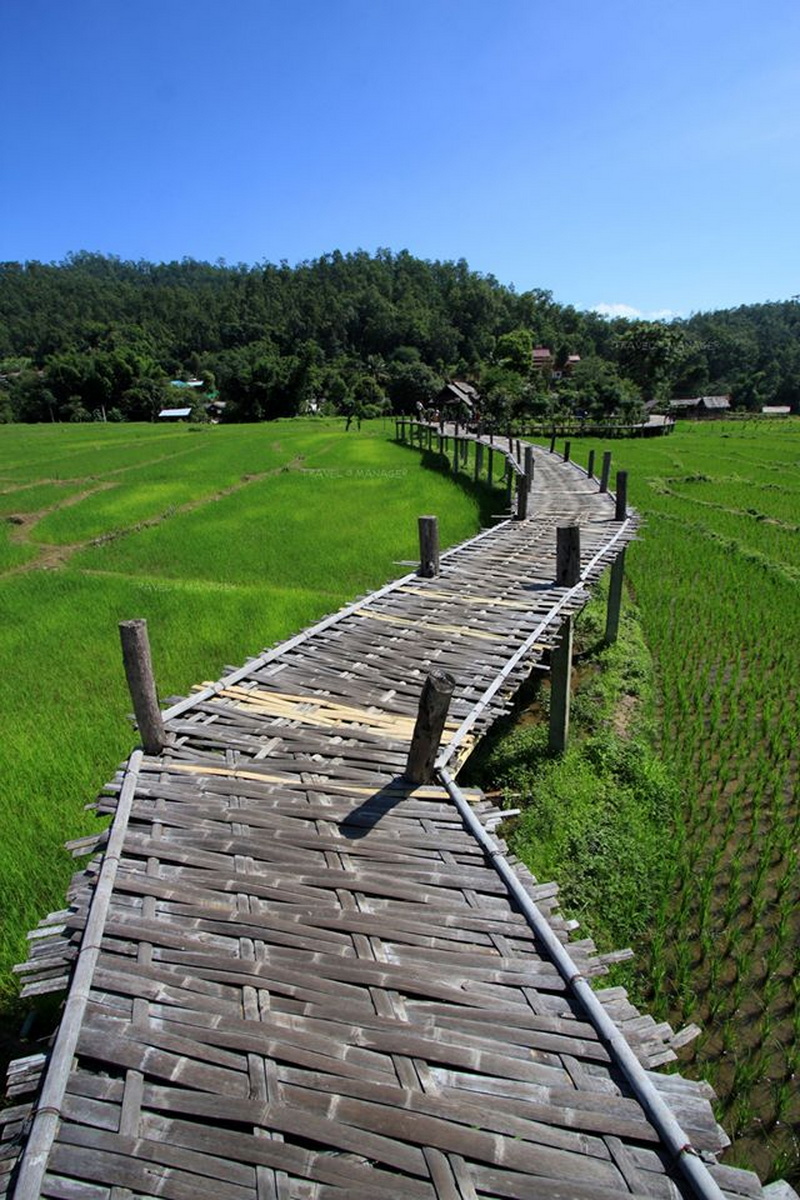
Kho Ku So Bamboo Bridge provides a contrasting experience to the exposed ridges of Pai Canyon. The bridge passes through a rural landscape and is associated with cultivated fields and a quieter, more grounded way of seeing the countryside. Its appeal lies in the relationship between the walkway, the surrounding farmland, and the local setting rather than in a single dramatic lookout.

As part of a guided itinerary, this stop can offer a gentler change of pace after walking on uneven canyon terrain. Visitors should remain attentive to current conditions and follow local guidance on the bridge. The site is best approached respectfully, with consideration for nearby agricultural activity and the people who maintain or use the area.

Pam Bok Waterfall

Travel photograph selected for Pam Bok Waterfall destination guide.

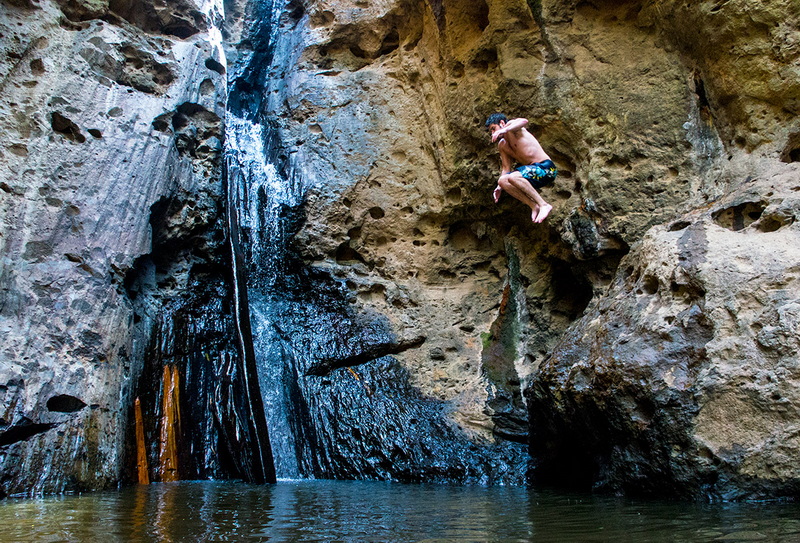
Pam Bok Waterfall adds a different natural setting to a Pai-area route. Its enclosed landscape and flowing water contrast with the open, dry appearance often associated with the canyon. The surrounding terrain can still be uneven, and water levels and walking conditions may vary, so visitors should rely on current local advice rather than assuming that every area is accessible at all times.

For guided travelers, Pam Bok Waterfall works well as a complementary stop because it changes the visual rhythm of the day. Instead of moving from one viewpoint to another, the group can experience a more sheltered landscape and notice how water has shaped the setting. Appropriate footwear, care on damp surfaces, and respect for any local instructions help keep the visit enjoyable and responsible.

A More Confident Way to Visit Pai Canyon

Pai Canyon is most rewarding when visitors balance curiosity with care. Understand that Kong Lan is a natural, uneven landscape, prepare for sun and changing ground conditions, and choose walking distances that suit the group. A thoughtful guide can add context and help connect the canyon with complementary places such as Kho Ku So Bamboo Bridge and Pam Bok Waterfall. With realistic expectations and a flexible plan, first-time travelers can enjoy the scenery without treating the visit as a hurried photo stop.