Exploring Pang Hi Village with Family Travel, Coffee Farm Tours, and Car Rental Convenience
Discover family-friendly village attractions, nearby coffee farm tours, and easy car rental options with driver in Chiang Mai’s Doi Saket District
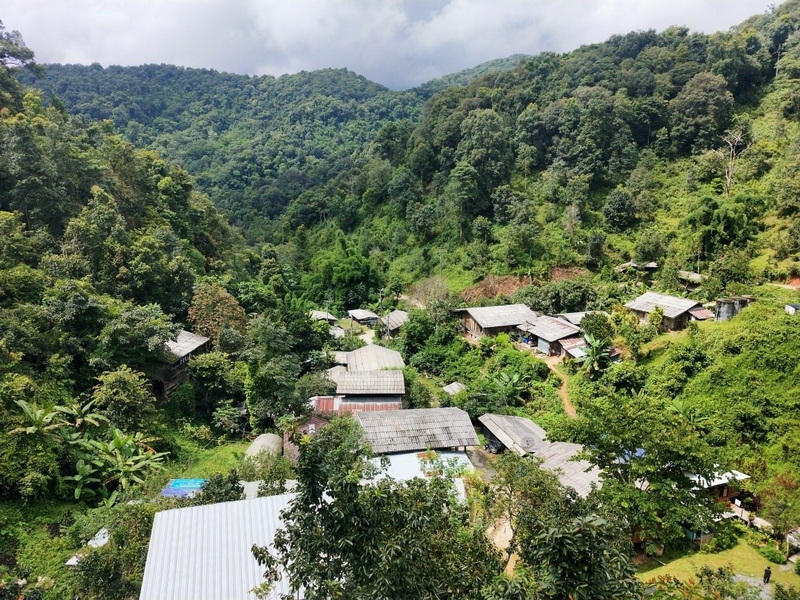
Pang Hi Village, nestled in the serene Doi Saket District of Chiang Mai, offers an inviting destination for families seeking a blend of cultural immersion and practical travel convenience. This charming village presents an authentic glimpse into traditional Thai village life while providing engaging activities suitable for all ages. Families planning their visit will appreciate the ease of exploring the area with reliable family car rental services that include professional drivers, ensuring a relaxed and safe journey. Beyond the village itself, Pang Hi Village serves as a gateway to nearby coffee farm tours that showcase the region’s rich agricultural heritage. These tours are thoughtfully designed to be accessible and enjoyable for families, offering a hands-on experience with local coffee production. Combining cultural village attractions with the delight of a coffee farm visit creates a well-rounded day trip that balances education, nature, and leisure. Traveling with children can be challenging, but the availability of family car rental with driver services in Chiang Mai simplifies transportation logistics. This option allows families to focus on the experience rather than navigating unfamiliar roads or public transport schedules. In this guide, we’ll explore the highlights of Pang Hi Village’s family-friendly attractions, nearby coffee farm tours, and practical tips for arranging comfortable car rental with driver services to enhance your family adventure.
Family-Friendly Village Attractions in Pang Hi Village
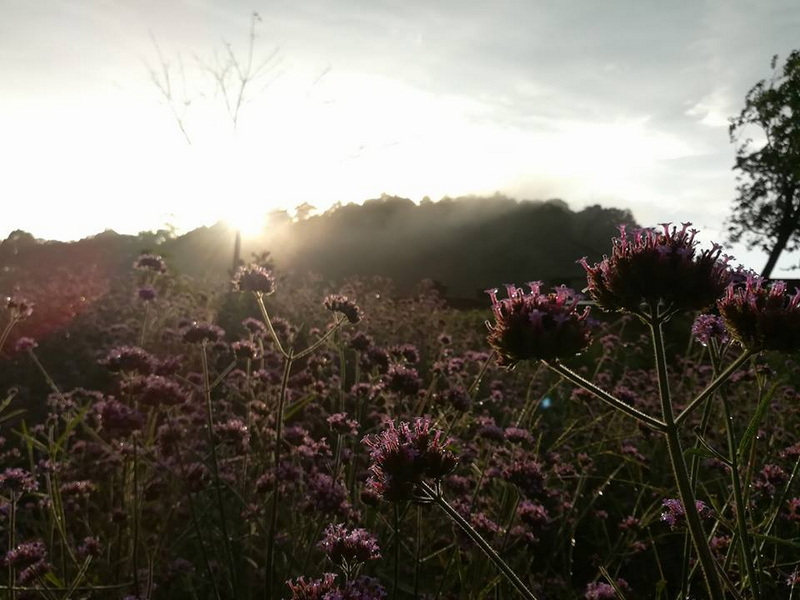
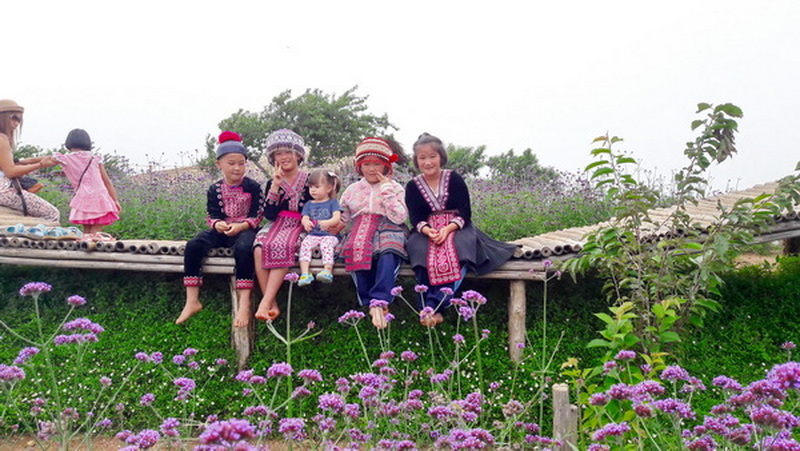
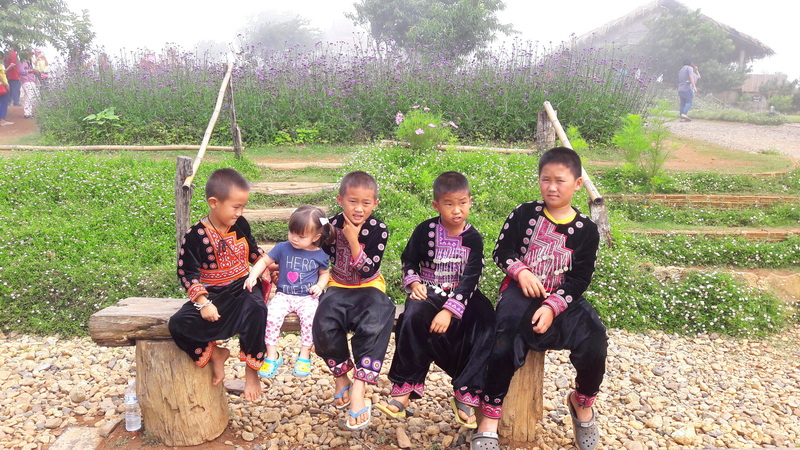
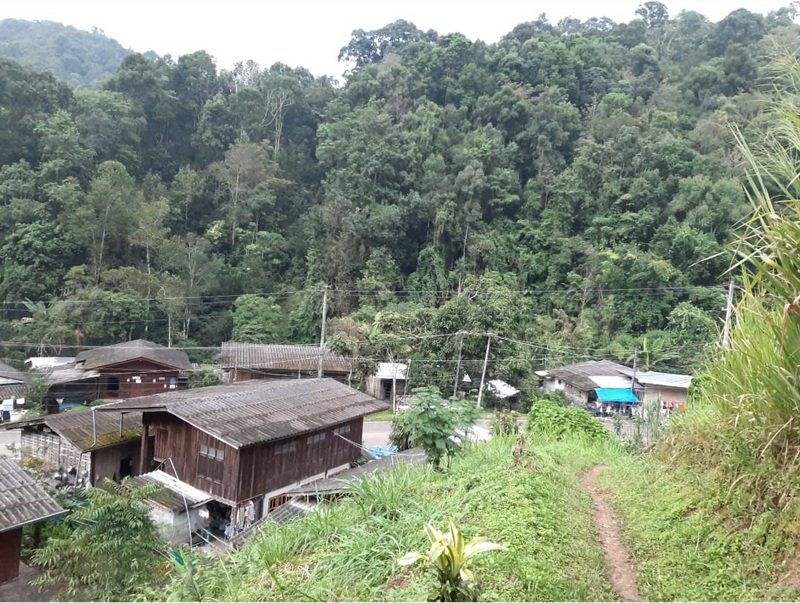
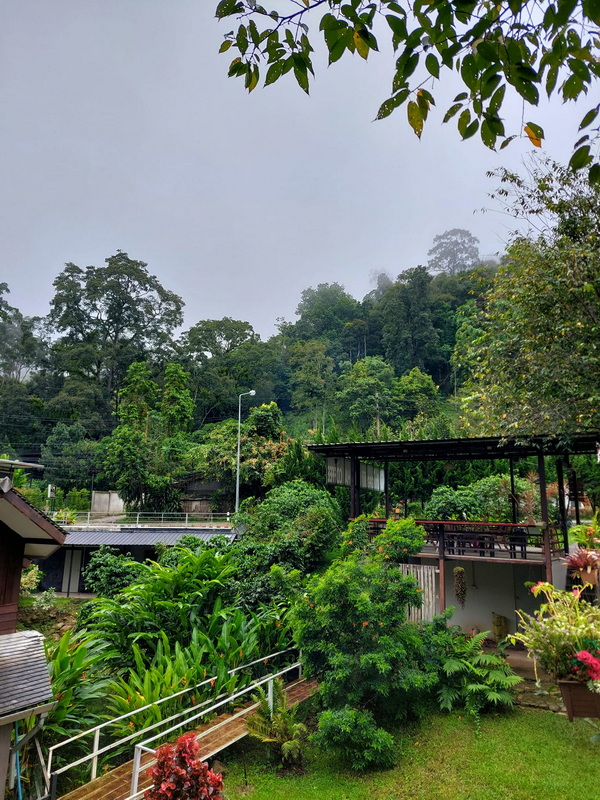
Pang Hi Village is known for its welcoming atmosphere and the preservation of traditional northern Thai culture, making it an excellent destination for families seeking an authentic yet accessible village experience. The village’s layout is pedestrian-friendly, allowing young children to explore safely while parents soak in the tranquil surroundings. Walking through the village, visitors can observe traditional wooden houses, local handicrafts, and daily village life that remains deeply connected to nature and community values. Travelers researching Village Attractions Chiang Mai can use these details when planning the trip.
Several attractions within the village cater to family interests, including interactive workshops where children can learn about traditional crafts such as weaving or pottery. These hands-on activities foster curiosity and respect for local culture without overwhelming younger visitors. The village also offers opportunities to participate in simple agricultural tasks or cooking demonstrations, which are engaging for all ages and provide meaningful insights into rural Thai lifestyles.
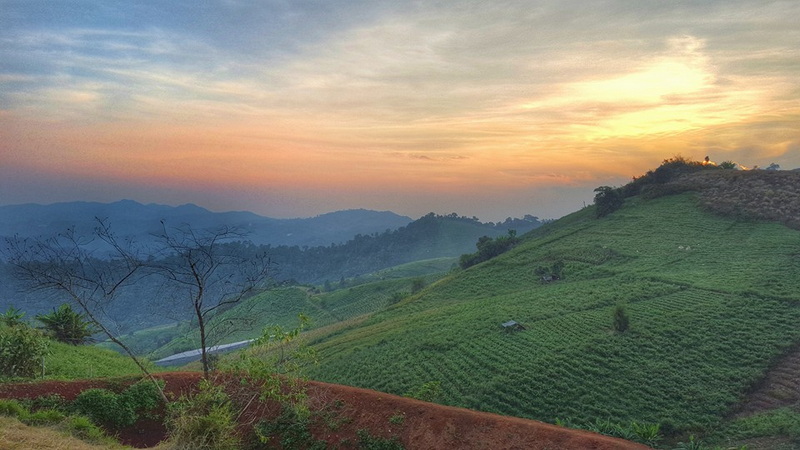
For families who enjoy nature, Pang Hi Village’s location in the foothills of Doi Saket provides scenic views and gentle trails suitable for short hikes or nature walks. These pathways encourage children to observe native plants and birds while spending quality time outdoors. The village’s peaceful setting makes it a refreshing change from busier tourist spots, allowing families to connect with the environment in a calm and respectful way.
Exploring Coffee Farm Tours Near Pang Hi Village
Just a short drive from Pang Hi Village, several coffee farms welcome visitors interested in learning about Chiang Mai’s thriving coffee culture. These Coffee Farm Tour Chiang Mai experiences are designed to be family-friendly, with guides explaining the coffee cultivation process in an engaging and accessible manner. Children and adults alike can discover how coffee plants grow, the harvesting techniques, and the traditional methods used to process the beans.
Many farms offer guided walks through their plantations, where families can enjoy the fresh mountain air and picturesque landscapes. These tours often include tasting sessions where parents can sample freshly brewed coffee while children can try local fruit juices or snacks made from farm-produced ingredients. The relaxed pace and interactive format make these tours suitable for families with young children who may appreciate a mix of education and leisure.
Participating in a coffee farm tour also supports local farmers and promotes sustainable tourism practices in the region. Families can appreciate the connection between the village lifestyle and the agricultural economy, gaining a deeper understanding of the area’s culture and environment. These tours complement the village attractions perfectly, providing a well-rounded cultural experience for visitors of all ages.
Benefits of Family Car Rental With Driver in Chiang Mai
Traveling with children often requires additional planning, especially when it comes to transportation. Hiring a Family Car Rental With Driver Chiang Mai service offers a convenient and stress-free way to explore Pang Hi Village and its surroundings. Professional drivers familiar with the local roads ensure safe and timely transfers, allowing families to relax and enjoy their trip without worrying about navigation or parking.
These car rental services typically provide spacious vehicles suitable for families, including child safety seats upon request. This level of comfort and security is invaluable when traveling with young children, making the journey as pleasant as the destination. Moreover, having a dedicated driver allows families to customize their itinerary, stopping as needed for breaks, meals, or sightseeing along the way.
Using a car rental with driver also supports local businesses and contributes to responsible tourism in the region. Drivers can offer valuable local knowledge, recommend hidden spots, and help bridge language barriers, enhancing the overall travel experience. For families visiting both Pang Hi Village and nearby attractions, this transport option offers flexibility, convenience, and peace of mind.
Practical Tips for Planning Your Family Trip to Pang Hi Village
When organizing a family trip to Pang Hi Village, it’s helpful to plan activities that balance cultural exploration with downtime to accommodate children’s needs. Starting the day with a visit to the village attractions allows families to immerse themselves in local traditions before heading out to a nearby coffee farm tour for a change of scenery.
Booking a family car rental with driver in advance is recommended to secure the best vehicle suited to your family size and preferences. Clear communication with the rental provider about any special requirements, such as child seats or flexible schedules, will ensure a smooth experience. It’s also wise to prepare for the rural setting by bringing essentials like snacks, water, sun protection, and comfortable walking shoes.
Families should respect local customs by dressing modestly and behaving considerately when visiting village homes and community spaces. Encouraging children to observe quietly and engage respectfully helps maintain the dignity of the local culture. Finally, consider including nearby attractions such as Mae Kampong Village or Jungle Flight Chiang Mai to round out your itinerary with diverse experiences that appeal to all family members.
Nearby Attractions
Mae Kampong Village
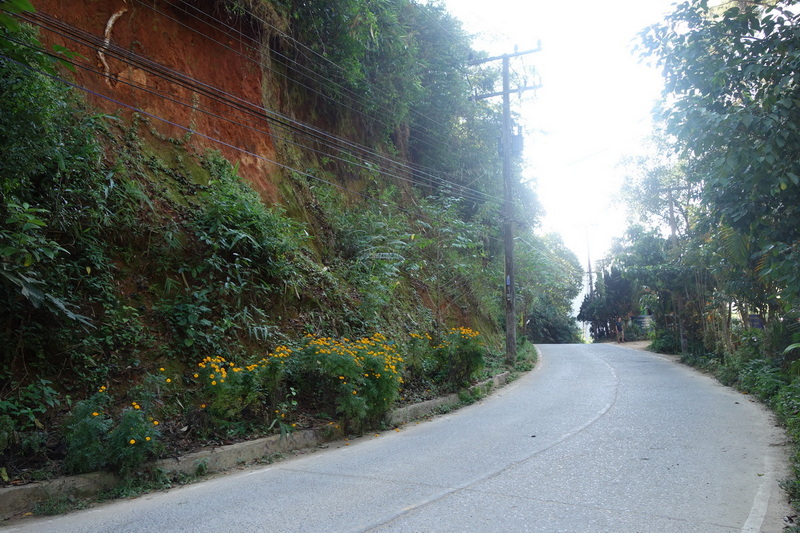
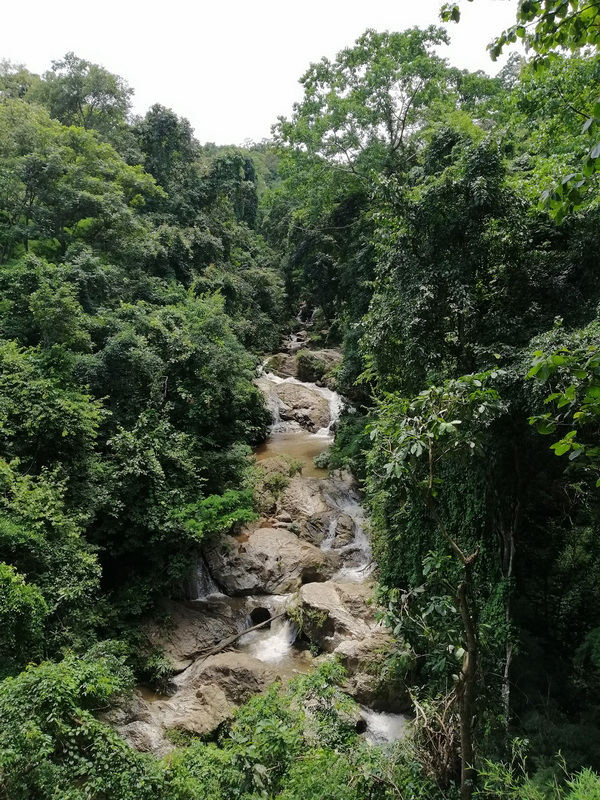
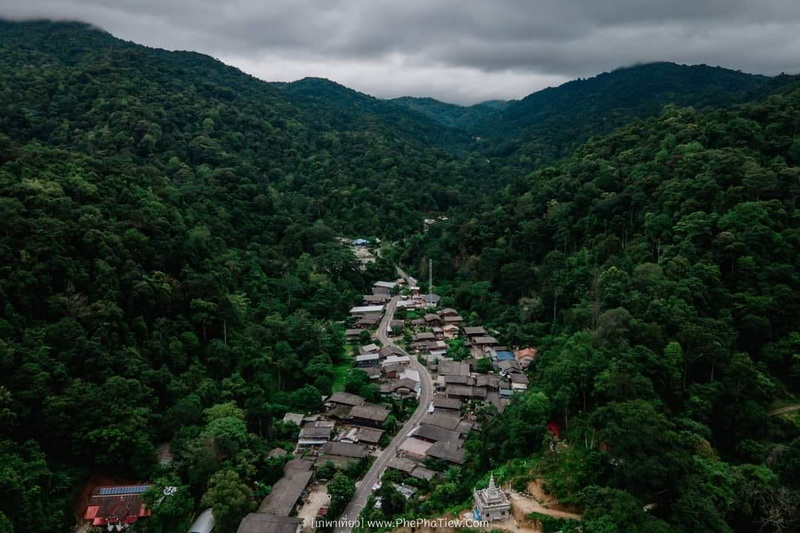
Mae Kampong Village is a picturesque mountain village not far from Pang Hi Village, known for its lush greenery and welcoming community. The village offers a peaceful retreat surrounded by forested hills, with easy walking trails and riverside spots that are ideal for families to explore nature together. Traditional wooden houses and local cafes provide authentic experiences, while the village’s close-knit community often welcomes visitors with warmth and hospitality.
For families, Mae Kampong Village presents opportunities to enjoy gentle treks, observe local agriculture, and participate in cultural activities such as traditional cooking classes or handicraft workshops. Its tranquil setting makes it a perfect complement to the more active adventures found in Pang Hi Village and nearby coffee farms.
Jungle Flight Chiang Mai
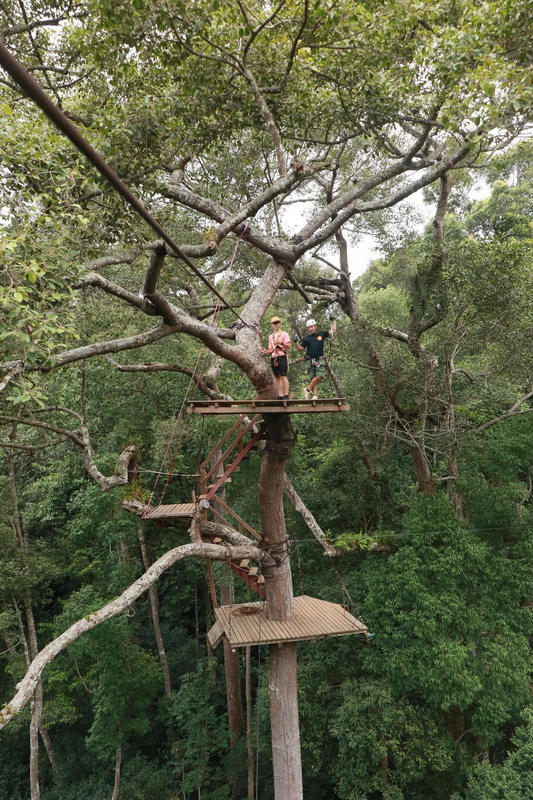
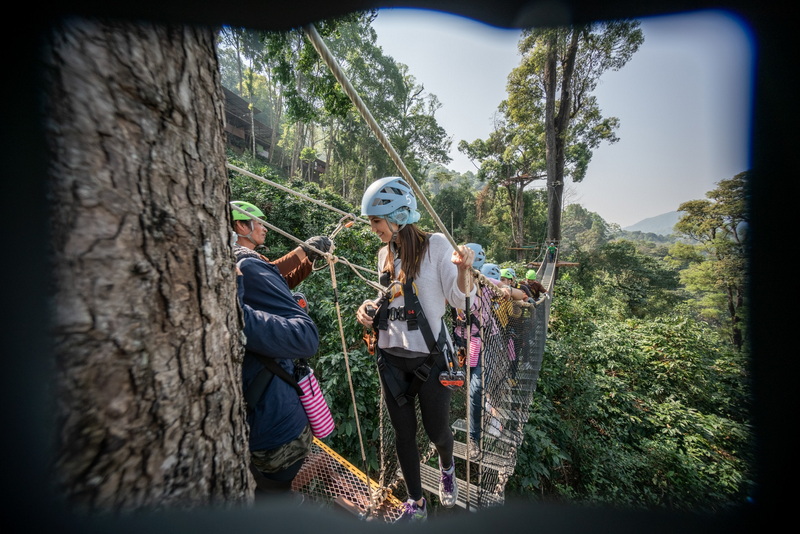
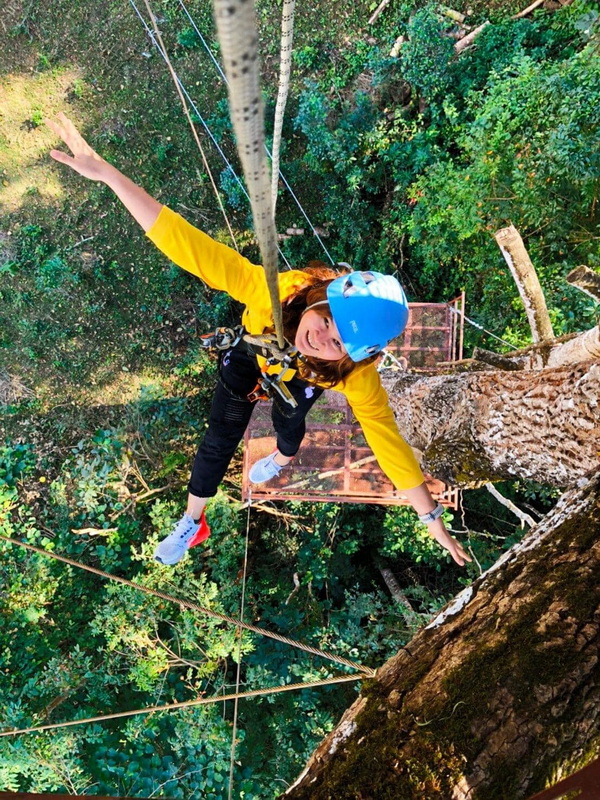
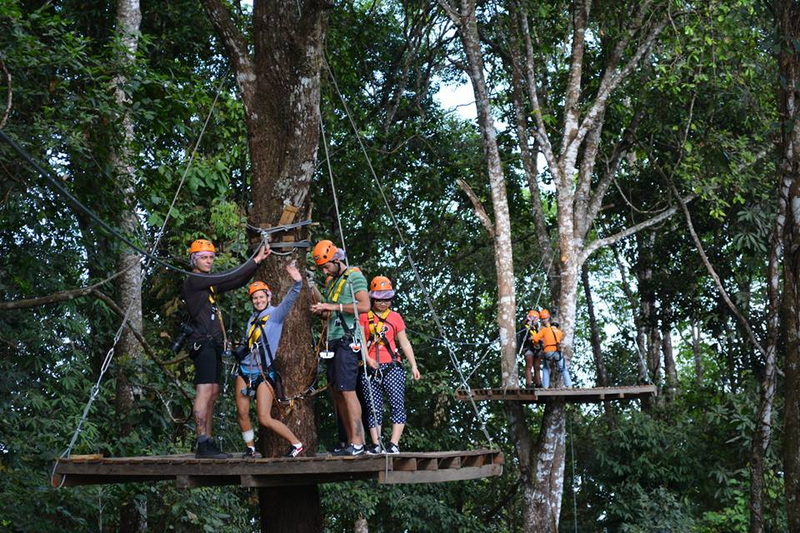
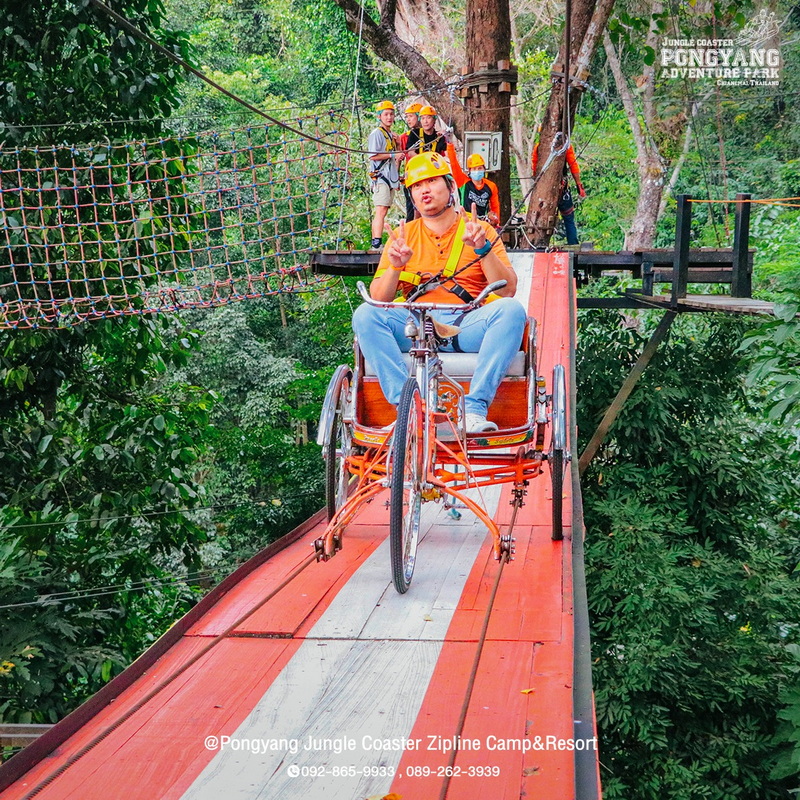
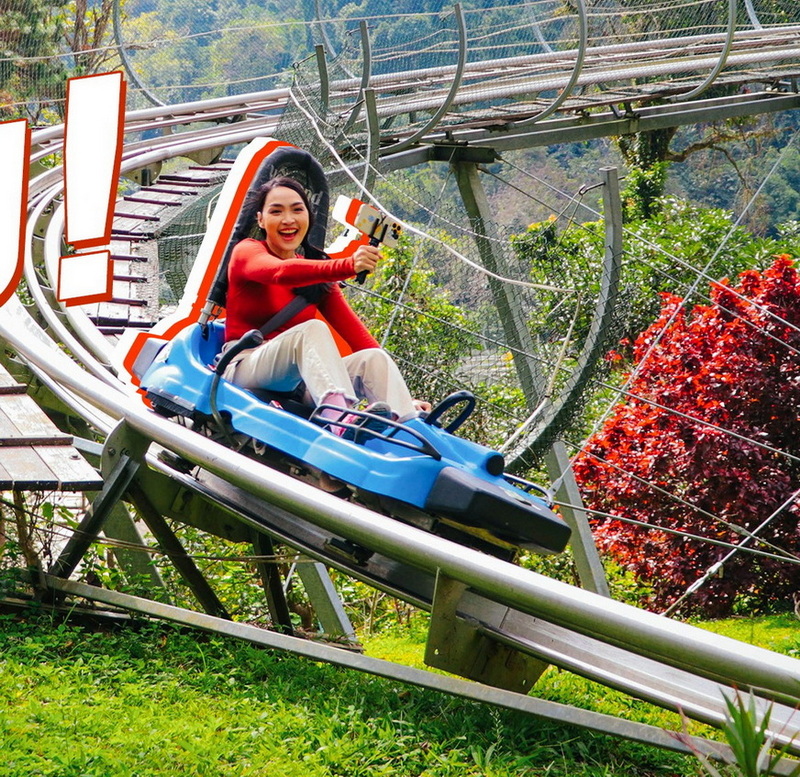
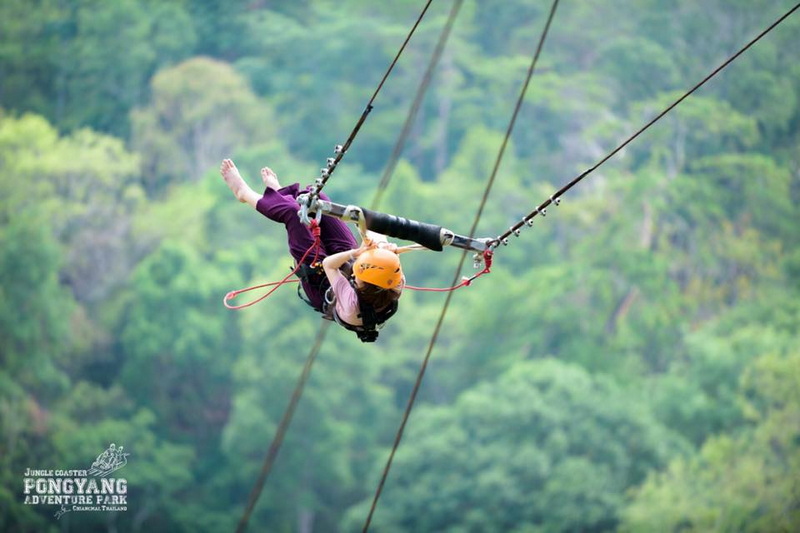
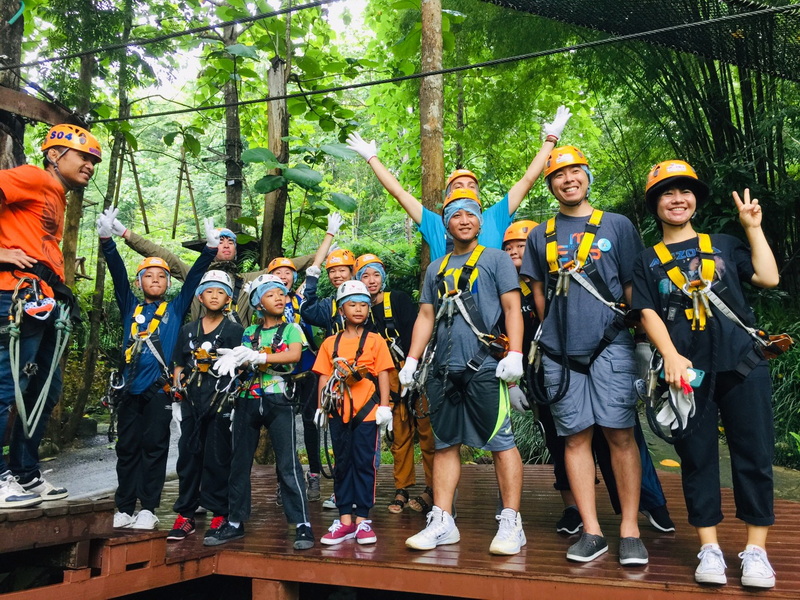
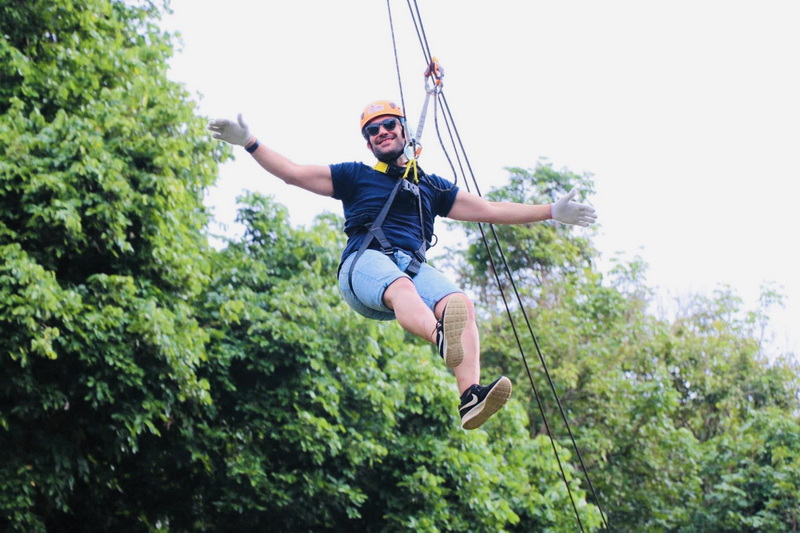
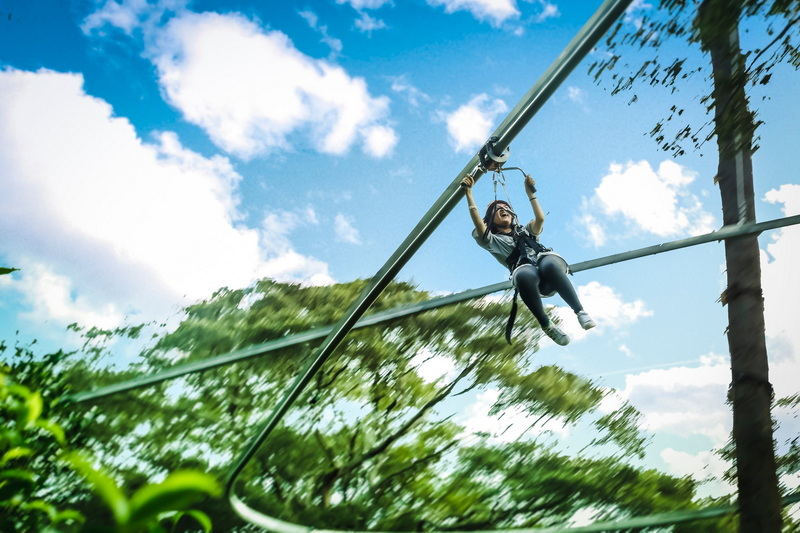
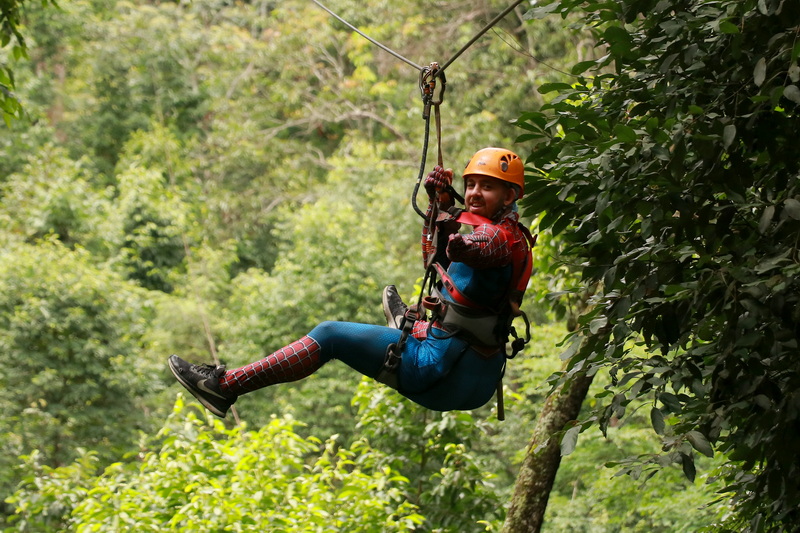
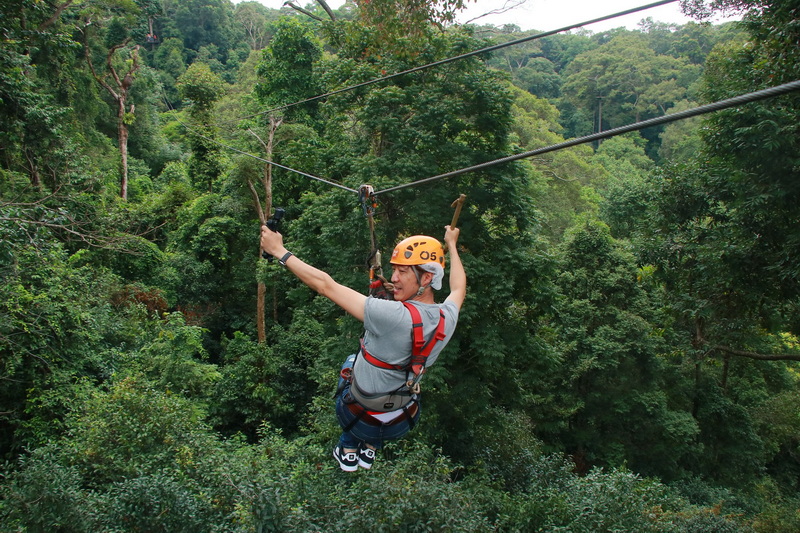
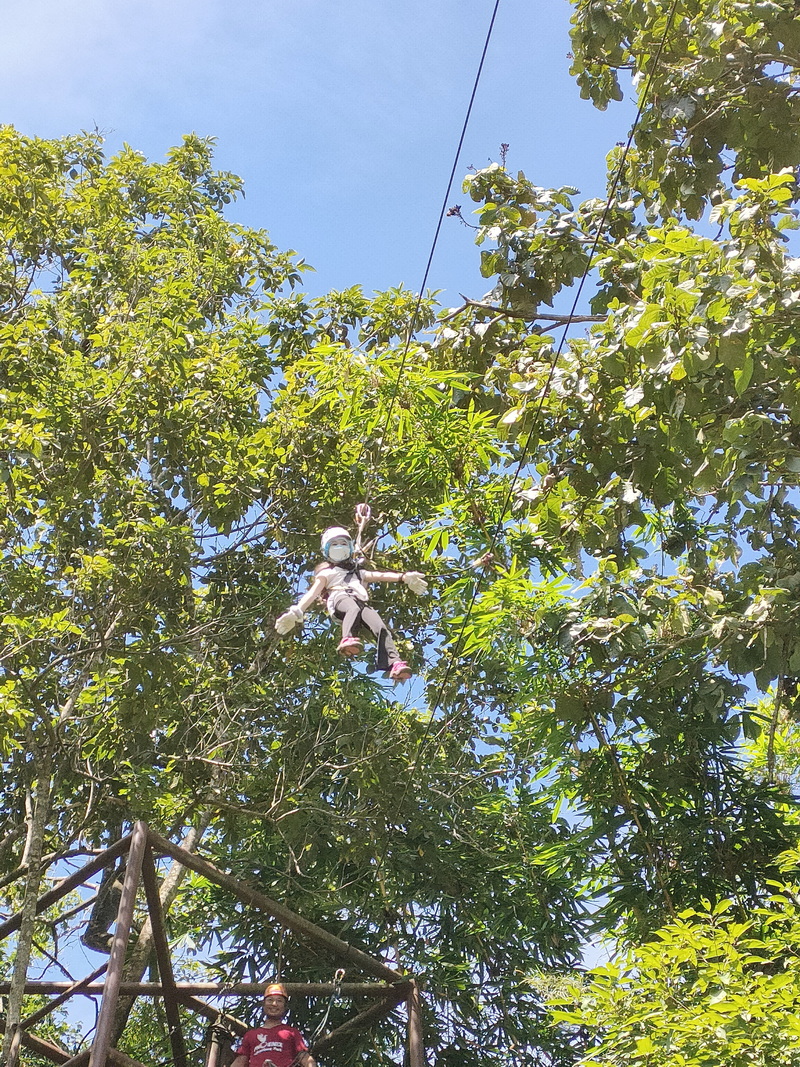
Jungle Flight Chiang Mai offers an adventurous and family-friendly zipline experience that allows visitors to soar through the treetops of northern Thailand’s jungles. Located conveniently near Pang Hi Village, this attraction provides a thrilling way to view the region’s natural beauty from above, combining excitement with safety measures suitable for children and adults alike.
The guided tours include informative briefings and equipment fittings, ensuring participants feel secure and confident throughout the experience. For families seeking an active outdoor excursion, Jungle Flight Chiang Mai adds a memorable dimension to a visit centered on cultural and agricultural exploration.
Why This Place Stays With You
Pang Hi Village offers a harmonious blend of cultural richness and family-friendly activities set within the scenic Doi Saket District. By combining village attractions with nearby coffee farm tours, families can enjoy diverse experiences that educate and entertain. The availability of family car rental with driver services ensures that transportation remains comfortable and convenient, allowing everyone to focus on creating lasting memories. Thoughtful planning and respectful engagement with local communities will make your family trip to Pang Hi Village both enjoyable and meaningful.
.jpg "Children's Forest Tricycle Ride at Pong Yang Zipline")