Exploring Chiang Man Temple with Private Tour Chiang Mai City Experiences

Exploring Chiang Man Temple with Private Tour Chiang Mai City Experiences

Discover the spiritual essence of Chiang Man Temple and enjoy personalized private Chiang Mai tour packages for a respectful and immersive visit.

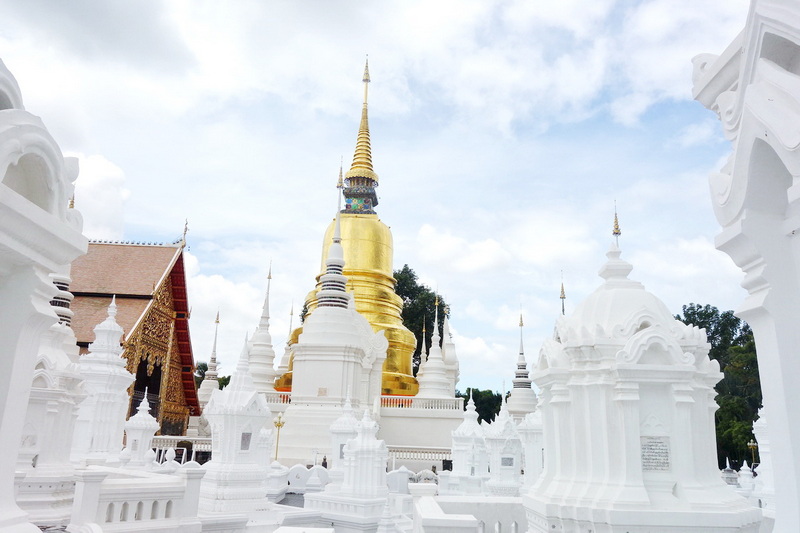
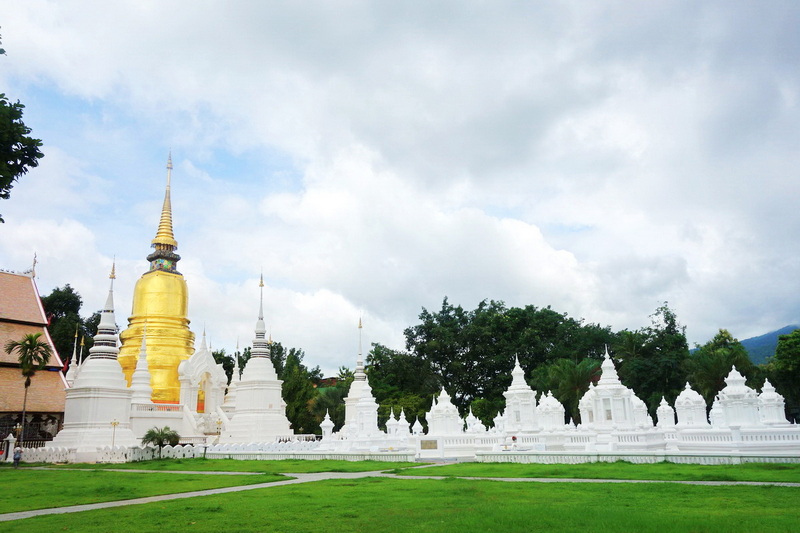
Golden stupa and temple with ornate roof under cloudy sky, surrounded by trees at Chiang Man Temple.

Nestled in the heart of Muang Chiang Mai, Chiang Man Temple stands as one of the most sacred and historically significant temples in the city. Revered not only for its ancient architecture but also for its deep spiritual presence, this temple invites travelers seeking a meaningful cultural and religious experience. This article highlights the spiritual significance of Chiang Man Temple, also known as Wat Chiang Man, and explores how private tour Chiang Mai city options can enrich your visit with personalized guidance and respectful engagement. Chiang Man Temple is the oldest temple in Chiang Mai, offering visitors a glimpse into the origins of the city’s religious heritage. Its tranquil atmosphere and revered Buddha statues create a sacred space where rituals and meditation flourish. For travelers who wish to delve deeper into the cultural and spiritual layers of Chiang Mai, private Chiang Mai tour packages provide a unique way to experience the temple alongside other important sacred sites. These private tours emphasize respect, cultural understanding, and personal attention, making them ideal for those who value a thoughtful and contemplative journey. Beyond the temple’s walls, the concept of private tours in Chiang Mai city offers flexibility and intimacy, allowing visitors to explore at their own pace and focus on what resonates most with their spiritual interests. This guide will also introduce nearby sacred sites such as Wat Phan Tao and Wat Chedi Luang, which complement the experience of Wat Chiang Man, creating a rich tapestry of Chiang Mai’s sacred landscape.

The Spiritual Significance of Wat Chiang Man

Wat Chiang Man holds a special place among the most sacred temples in Chiang Mai due to its historical roots and spiritual atmosphere. Founded in the late 13th century, it is the oldest temple in the city, serving as a cornerstone of Chiang Mai’s Buddhist tradition. The temple houses several revered Buddha images, including the Crystal Buddha and the Marble Buddha, which are objects of deep veneration by both locals and visitors. Travelers researching Most Sacred Temples Chiang Mai can use these details when planning the trip.

The temple’s architecture reflects Lanna style, with intricate carvings and serene stupas that invite contemplation. Visitors often remark on the quiet reverence that permeates the temple grounds, where monks continue daily rituals and meditation practices. This sacred environment encourages visitors to engage mindfully, respecting the spiritual customs and maintaining a calm demeanor throughout their visit.

Understanding the spiritual practices at Wat Chiang Man enhances the visitor experience. Offerings, prayers, and blessings are common, and observing these traditions with respect is essential. The temple embodies not just religious significance but also serves as a living cultural heritage site, preserving the rituals and artistry of the Lanna kingdom.

Private Tour Chiang Mai City: A Personalized Spiritual Journey

Private tour Chiang Mai city services offer an intimate way to explore Wat Chiang Man and other sacred sites. Unlike large group tours, private tours allow travelers to tailor their itinerary according to personal interests, time constraints, and spiritual focus. This approach facilitates deeper engagement with the temples’ histories, rituals, and cultural contexts.

Licensed guides on private tours often provide insightful commentary about the religious symbolism and historical background of the temples. They also assist visitors in understanding appropriate etiquette, such as dress codes and behavior within sacred spaces, ensuring a respectful and meaningful visit.

Golden stupa surrounded by traditional Thai temple buildings and greenery at Chiang Man Temple.

Private tours may include transportation and flexible scheduling, which makes it easier for travelers to visit multiple temples in one day without feeling rushed. This format is especially beneficial for those seeking a calm and contemplative experience, allowing time for meditation or quiet reflection at each stop.

For many visitors, the privacy and customization of these tours create a more personal connection to the spiritual heritage of Chiang Mai. Guides can also accommodate special requests, such as attending specific ceremonies or learning about Buddhist practices, enriching the overall experience.

Understanding Private Chiang Mai Tour Packages

Private Chiang Mai tour packages are designed to offer comprehensive yet flexible travel experiences centered around the city’s sacred temples. While specific packages vary, the core concept involves curated visits to key spiritual sites, including Wat Chiang Man, with an emphasis on cultural respect and personal enrichment.

These packages typically include a knowledgeable guide who facilitates the journey, sharing insights into the temples’ significance and helping visitors navigate local customs. The private nature of these packages ensures that travelers can explore at their own pace, ask questions freely, and engage more deeply with the spiritual environment.

Many private tour packages also consider logistical convenience, providing transportation and coordinating visits to nearby temples such as Wat Phan Tao and Wat Chedi Luang. This helps maximize the spiritual and cultural immersion without the stress of planning multiple stops independently.

Golden Thai pagoda with elephant sculptures at its base and traditional temple buildings nearby at Chiang Man Temple.

Importantly, private tour packages respect the sacred nature of the temples and avoid any commercialized or intrusive activities. They promote responsible tourism, encouraging visitors to honor religious practices and local traditions while enjoying a thoughtfully planned experience.

Respectful Behavior and Religious Etiquette at Sacred Temples

When visiting Wat Chiang Man and other sacred temples in Chiang Mai, observing proper etiquette is essential to honor the spiritual atmosphere and local customs. Visitors should dress modestly, covering shoulders and knees, and remove shoes before entering temple buildings. Silence or quiet voices are preferred to maintain the sanctity of the space.

Photography is generally allowed in outdoor areas but may be restricted inside certain shrines or during ceremonies. It is always best to ask permission or follow posted guidelines. Avoid pointing feet toward Buddha images or monks, as this is considered disrespectful in Buddhist culture.

Participating in rituals such as lighting incense or making offerings should be done with mindfulness and respect. Private tour guides often explain these practices and encourage visitors to observe or join in ways that are appropriate and meaningful.

By approaching the temples with humility and reverence, visitors not only show respect to the local culture but also deepen their own spiritual experience. This respectful behavior supports the preservation of these sacred sites for future generations.

A tall Buddhist stupa with a golden top and carved stone elephants at the base under a blue sky at Chiang Man Temple.

The Spiritual Landscape Around Wat Chiang Man

Wat Chiang Man is part of a cluster of sacred temples in Muang Chiang Mai that together represent the city’s rich religious heritage. Nearby temples like Wat Phan Tao and Wat Chedi Luang complement the spiritual experience with their own unique histories and architectural styles.

Wat Phan Tao, known for its elegant teakwood structures, offers a peaceful setting that highlights traditional Lanna craftsmanship. Visitors often find it a serene spot for quiet reflection and meditation, enhancing the contemplative atmosphere introduced at Wat Chiang Man.

Wat Chedi Luang, once home to the famous Emerald Buddha, is a monumental temple with a towering chedi that dominates the city skyline. Its partially ruined yet majestic structure speaks to centuries of religious devotion and cultural evolution in Chiang Mai.

Exploring these temples on a private tour allows travelers to appreciate the interconnectedness of Chiang Mai’s sacred sites, each contributing distinct spiritual and historical layers. This broader perspective enriches understanding and respect for the city’s Buddhist traditions.

Nearby Attractions

Wat Phan Tao

People participating in a night prayer ceremony with lanterns and flowers around them at Wat Phan Tao.

Wat Phan Tao is a tranquil temple located near Wat Chiang Man, renowned for its exquisite teakwood construction. The temple’s open wooden halls and intricate carvings reflect traditional Lanna architecture, creating a warm and inviting atmosphere for visitors.

This temple is often appreciated for its peaceful grounds, which provide a quiet retreat from the busier areas of Chiang Mai. It is a favored place for meditation and contemplation, making it a fitting complement to a spiritual tour of Chiang Mai’s most sacred temples.

Visitors to Wat Phan Tao are encouraged to observe the respectful customs of the site, including modest dress and silent reflection. The temple’s serene environment offers a moment of calm and spiritual connection amid the city’s cultural richness.

Wat Chedi Luang

Gold reclining Buddha statue inside a temple with white wall and wooden ceiling at Wat Chedi Luang.

Wat Chedi Luang stands as one of Chiang Mai’s most iconic religious landmarks, featuring a towering chedi that dates back to the 14th century. Though partially ruined, the temple remains a powerful symbol of the city’s Buddhist heritage and architectural grandeur.

Historically, Wat Chedi Luang was home to the revered Emerald Buddha before it was moved to Bangkok. The temple grounds include several important structures, statues, and stupas that continue to attract worshippers and visitors alike.

Exploring Wat Chedi Luang as part of a private tour allows for a deeper appreciation of its history and spiritual significance. Visitors can observe ongoing religious ceremonies and experience the temple’s sacred ambiance in a respectful and contemplative manner.

Why This Place Stays With You

Visiting Chiang Man Temple within the context of private tour Chiang Mai city options offers a uniquely respectful and enriching experience. By focusing on the spiritual significance of the temple and its nearby sacred sites, travelers can cultivate a deeper understanding of Chiang Mai’s Buddhist traditions. Private Chiang Mai tour packages provide the flexibility and personal attention needed to explore these temples thoughtfully, allowing for meaningful encounters with local culture and religious practice. Embracing proper etiquette and reverence ensures that your journey honors the sacred nature of these historic temples, leaving a lasting impression of spiritual discovery and cultural respect.

Exploring the Doi Pui Hmong Village with Half-Day and Private Temple Tours

Exploring the Doi Pui Hmong Village with Half-Day and Private Temple Tours

Discover authentic hill tribe culture alongside serene temple visits near Muang Chiang Mai

Hilly village with houses and vibrant flower gardens amidst green trees at Doi Pui Hmong Village.

Visiting the Doi Pui Hmong Village offers travelers a unique opportunity to experience the rich cultural heritage of one of northern Thailand's most renowned hill tribes. Nestled in the lush hills of Muang Chiang Mai, this village is often regarded as the best hill tribe to visit in Chiang Mai due to its authentic atmosphere and welcoming community. The village provides insight into traditional Hmong customs, crafts, and lifestyles preserved over generations. For those seeking to blend cultural immersion with spiritual exploration, combining a visit to the Doi Pui Hmong Village with a Doi Suthep half-day tour or a private tour of Doi Suthep Temple presents an ideal itinerary. These tour options allow travelers to experience the vibrancy of indigenous life alongside the serene beauty of one of northern Thailand’s most revered temples. This article will guide you through respectful ways to engage with the hill tribe community, explore tour options, and highlight nearby attractions that complement this cultural journey.

Understanding Hill Tribe Visits in Northern Thailand

Hill tribe villages such as the Doi Pui Hmong Village are living cultural sites where indigenous people maintain traditional ways of life. Visiting these communities offers more than just sightseeing; it is an opportunity to learn about their history, social structures, and artisanal crafts such as weaving and silverwork. Travelers should approach these visits with respect, recognizing the dignity and autonomy of the villagers rather than treating the experience as a spectacle. Travelers researching Private Tour Doi Suthep Temple can use these details when planning the trip.

The Hmong people of Doi Pui have a distinct language, dress, and customs that have been carefully preserved despite increasing tourism. Many visitors come to observe traditional dress, participate in handicraft demonstrations, and understand agricultural practices tied to the mountainous environment. This cultural authenticity is a key reason why the Doi Pui Hmong Village is considered the best hill tribe to visit in Chiang Mai.

Ethical tourism principles emphasize gaining consent from villagers before photographing or engaging with them. Supporting local artisans by purchasing handmade goods directly contributes to community sustainability. Visitors are encouraged to listen, ask thoughtful questions, and avoid exoticizing the culture, thereby fostering meaningful intercultural exchange.

Indoor display with posters showing traditional activities and portraits inside a bamboo shelter at Doi Pui Hmong Village.

Experiencing the Doi Suthep Half-Day Tour

A Doi Suthep half-day tour is an accessible way to combine cultural and spiritual experiences near Muang Chiang Mai. This tour typically includes transportation to the Doi Pui Hmong Village followed by a visit to Wat Phra That Doi Suthep, a majestic temple perched on a mountain overlooking the city. The half-day format allows travelers to experience both the hill tribe culture and the temple’s serene atmosphere without requiring a full-day commitment.

During the village portion of the tour, visitors can observe traditional Hmong houses, learn about ethnic costumes, and see demonstrations of local crafts. The village’s location in a cool mountainous area provides a refreshing contrast to the city below, enhancing the immersive experience. Afterward, the tour proceeds to Wat Phra That Doi Suthep, where visitors can explore the temple complex, admire intricate Lanna architecture, and reflect in a peaceful spiritual setting.

Guides on these half-day tours often emphasize respectful visitor behavior, including appropriate dress codes for temple visits and sensitivity toward the hill tribe community. This structured tour option is especially suitable for travelers seeking a balanced cultural itinerary with time efficiency.

Benefits of a Private Tour to Doi Suthep Temple and Doi Pui Village

Private tours to Doi Suthep Temple and the Doi Pui Hmong Village offer a more personalized experience, allowing travelers to set their own pace and focus on areas of particular interest. With a private guide, visitors receive tailored insights into the cultural significance of the Hmong community and the spiritual importance of the temple, creating a deeper understanding of northern Thailand’s heritage.

Interior of a traditional wooden structure with tools and animal skull decorations at Doi Pui Hmong Village.

A private tour encourages more meaningful interaction with local villagers, as guides can facilitate introductions and help interpret cultural nuances. This option is ideal for those who prioritize cultural authenticity and want to avoid the crowds associated with group tours. It also provides flexibility to spend additional time exploring nearby natural sites or artisanal workshops within the village.

In addition to cultural benefits, private tours typically include transportation and personalized attention to visitor needs, making the experience more comfortable and immersive. Travelers interested in ethical cultural encounters often prefer private tours to ensure that their visit respects local customs and contributes positively to the community.

Visitor Experience and Cultural Authenticity Considerations

When visiting the Doi Pui Hmong Village, it is important to maintain a respectful and open-minded attitude. Understanding that the village is a living community, not a tourist attraction, helps frame interactions appropriately. Visitors should avoid behaviors that may disrupt daily life or commodify cultural practices.

Group of four people in traditional clothing among vibrant flowers and greenery at Doi Pui Hmong Village.

Photography should always be conducted with permission, and visitors are encouraged to support local vendors by purchasing authentic handicrafts rather than mass-produced souvenirs. Engaging with the community through conversation and learning about their traditions fosters mutual respect and enriches the visitor experience.

Tour operators offering half-day and private temple tours often include briefings on cultural etiquette and emphasize sustainable tourism practices. Travelers are advised to dress modestly, especially when visiting Wat Phra That Doi Suthep, and to follow temple protocols such as removing shoes and refraining from loud behavior.

By prioritizing dignity and consent, visitors contribute to preserving the cultural heritage of the Hmong people and ensure that future generations can continue to share their traditions with the world.

Nearby Attractions

Khun Chang Kian Village

Forest scene with trees, rocks, and grassy hillside under cloudy sky at Khun Chang Kian Village.

Located a short distance from the Doi Pui Hmong Village, Khun Chang Kian Village offers an additional glimpse into rural life in northern Thailand. Known for its expansive vegetable farms and cool climate, this village provides a peaceful setting ideal for nature walks and experiencing local agricultural practices.

Visitors to Khun Chang Kian can observe traditional farming methods and enjoy scenic views of the surrounding hills. The village is less frequented by tourists, making it a tranquil complement to the cultural immersion found at Doi Pui.

Exploring Khun Chang Kian alongside a visit to the Hmong village enriches the understanding of how indigenous communities adapt to and thrive in the mountainous environment around Muang Chiang Mai.

Wat Phra That Doi Suthep

Panoramic view of a city from a lush hillside with trees and blue sky at Wat Phra That Doi Suthep.

Wat Phra That Doi Suthep is one of northern Thailand’s most sacred temples, situated on a mountain that offers panoramic views of Chiang Mai. The temple complex is renowned for its golden chedi, intricate carvings, and spiritual significance to the Lanna people.

Visitors often ascend the temple’s Naga staircase, a symbolic journey that prepares the mind for reflection and reverence. Inside, the temple houses revered Buddha images and serves as an active place of worship.

Combining a visit to Wat Phra That Doi Suthep with the Doi Pui Hmong Village creates a balanced itinerary of cultural and spiritual exploration. The temple’s serene atmosphere contrasts with the vibrant cultural expressions found in the hill tribe village, providing a holistic experience of northern Thailand’s heritage.

Why This Place Stays With You

Exploring the Doi Pui Hmong Village alongside half-day and private temple tours offers travelers a rich and respectful way to engage with northern Thailand’s cultural tapestry. By choosing tour options that prioritize ethical encounters and cultural authenticity, visitors can deepen their appreciation for the hill tribe community and the spiritual heritage embodied by Wat Phra That Doi Suthep. Remembering to approach these experiences with curiosity and respect ensures that your visit not only enriches your journey but also honors the dignity and traditions of the people who welcome you.

Exploring Doi Suthep-Pui National Park with Half-Day Tours and Beginner Trekking

Exploring Doi Suthep-Pui National Park with Half-Day Tours and Beginner Trekking

Discover easy trekking and half-day tours in one of the top national parks in northern Thailand, perfect for novice adventurers

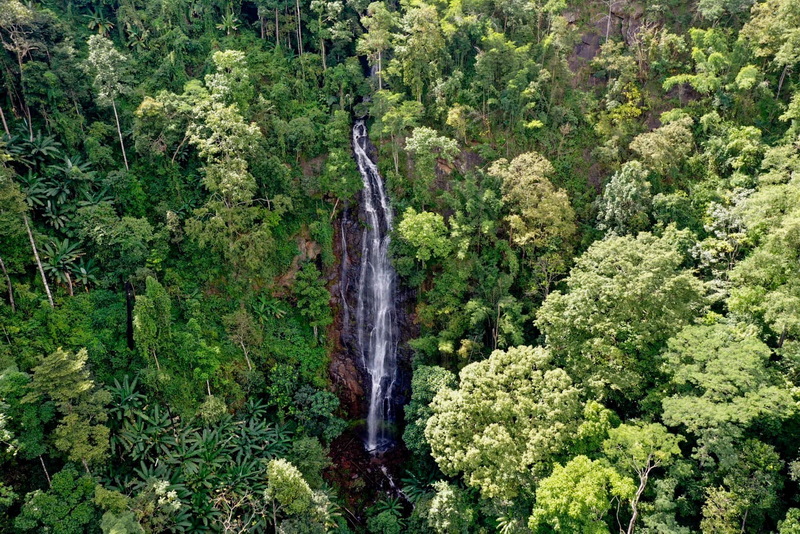
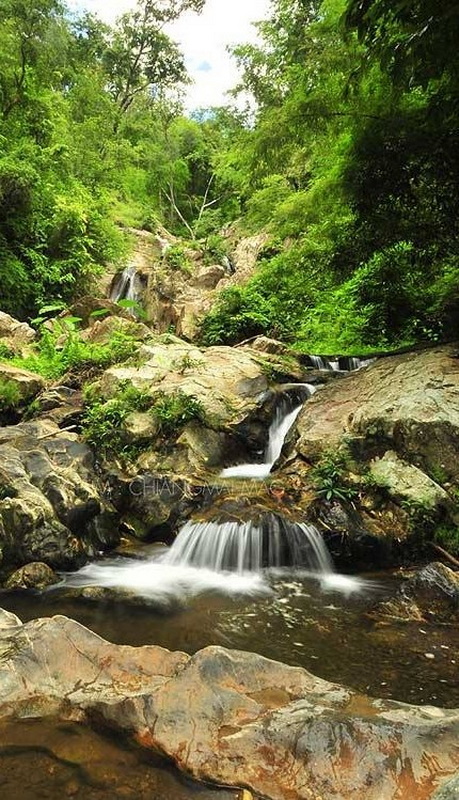
Water cascading down rocks into a muddy pool surrounded by lush trees at Doi Suthep-Pui National Park.

Northern Thailand is renowned for its lush landscapes and diverse national parks, offering a wealth of opportunities for travelers seeking nature and adventure. Among these, Doi Suthep-Pui National Park stands out as a prime destination, combining stunning natural beauty with accessible activities tailored for beginners. Whether you are new to trekking or looking for a manageable half-day excursion, this park provides an inviting gateway to the outdoors. This guide focuses on exploring the top national parks in the north of Thailand, highlighting Doi Suthep-Pui National Park’s half-day tour options and beginner-friendly trekking experiences. Designed especially for novice trekkers, the information here will help you plan a rewarding visit that balances activity with comfort and cultural respect. From gentle forest paths to scenic viewpoints, Doi Suthep-Pui is an ideal introduction to northern Thailand’s rich natural heritage. By the end, you will understand what to expect from a Doi Suthep half-day tour, the kinds of beginner trekking adventures available near Chiang Mai, and practical tips to make your outdoor experience both enjoyable and safe. Let’s embark on a journey that builds confidence for first-time visitors and opens the door to future trekking explorations.

Overview of Top National Parks In The North Of Thailand

Northern Thailand is home to some of the country's most captivating national parks, known for their mountainous terrain, rich biodiversity, and cultural significance. These parks offer a range of experiences from challenging mountain treks to easy nature walks, making them suitable for all levels of outdoor enthusiasts. Among these, Doi Suthep-Pui National Park is particularly notable for its proximity to Chiang Mai city and its blend of natural beauty and cultural sites.

Dark shiny snail on soil among moss and fallen leaves at National Parks in the North of Thailand.

The region's national parks protect diverse ecosystems including evergreen forests, waterfalls, and rare flora and fauna. They provide a sanctuary for local wildlife and a peaceful retreat for visitors. Hiking trails vary in length and difficulty, allowing beginners and experienced trekkers alike to explore the environment at their own pace. Many parks also feature hill tribe villages, offering cultural insights alongside outdoor adventure.

For travelers new to trekking, northern Thailand’s parks present a welcoming environment where the natural landscape is accessible without requiring advanced skills or long expeditions. Well-marked trails, guided tours, and half-day excursions are common, ensuring that even those with limited time or experience can enjoy the region's wonders.

Experiencing the Doi Suthep Half-Day Tour

The Doi Suthep half-day tour is an excellent choice for visitors seeking a compact yet fulfilling outdoor experience. This tour typically centers around the iconic Doi Suthep Temple, perched on the mountain and offering panoramic views of Chiang Mai below. The temple itself is a cultural highlight, rich with history and spiritual significance, making it a meaningful stop during the tour.

Beyond the temple visit, the half-day tour includes gentle forest walks through the national park’s well-maintained trails. These paths are suitable for beginners, featuring moderate elevation changes and shaded routes that showcase the park’s natural environment. Along the way, visitors can enjoy sightings of native birds, lush vegetation, and occasionally, small wildlife.

The half-day format is ideal for those with limited time or who prefer a less strenuous outing. It allows travelers to experience the essence of Doi Suthep-Pui National Park without committing to a full day of trekking. Guided tours often provide educational commentary about the park’s ecology and cultural connections, enriching the visitor’s understanding and appreciation.

Planning a half-day tour here is straightforward, with numerous operators and options available in Chiang Mai. Whether joining a group or arranging a private guide, the experience is designed to be accessible and enjoyable, making it a perfect introduction to northern Thailand’s national parks.

Signboard with cartoon characters outside a building amidst greenery at Doi Suthep-Pui National Park.

Beginner Trekking Options in Chiang Mai and Doi Suthep-Pui

For those interested in trekking but new to the activity, Chiang Mai offers a variety of beginner-friendly routes that are manageable and rewarding. Doi Suthep-Pui National Park features trails that range from short nature walks to slightly longer hikes suitable for novices who want to explore the jungle environment without overexertion.

Beginner trekking in this area often involves well-marked paths with gradual inclines, allowing trekkers to adjust their pace and enjoy the surroundings. These trails pass through diverse habitats, including dense forests, bamboo groves, and streams, providing a rich sensory experience. Local guides frequently accompany beginner groups to ensure safety, offer insights, and help navigate the terrain.

One popular beginner trek leads from the park entrance up to viewpoints that provide sweeping vistas of Chiang Mai and the surrounding mountains. The trek usually takes a few hours round-trip and is suitable for most fitness levels. Along the way, trekkers can learn about the park’s flora and fauna and observe traditional agricultural practices in nearby hill tribe villages without intruding on local life.

Chiang Mai trekking for beginners is not only about physical activity but also about connecting with nature and culture in a respectful way. Many tours emphasize responsible tourism, encouraging visitors to minimize their environmental impact and honor the traditions of indigenous communities.

Overall, beginner trekking in Doi Suthep-Pui National Park offers a safe, enriching introduction to northern Thailand’s natural landscapes and cultural heritage, making it an excellent choice for first-time trekkers.

Practical Tips for Novice Trekkers in Northern Thailand

Preparing for your first trekking experience in northern Thailand requires some practical considerations to ensure comfort and safety. Lightweight, breathable clothing and sturdy walking shoes are essential, as weather conditions can vary and trails may be uneven. Bringing water, snacks, and insect repellent is also recommended to stay hydrated and comfortable during your trek.

Choosing a half-day tour or beginner trek that matches your fitness level is important to avoid fatigue and enjoy the experience fully. Many tour operators offer customizable options, so don’t hesitate to communicate your preferences and concerns before booking. Guided tours are especially helpful for beginners, as guides provide support, local knowledge, and emergency assistance if needed.

People with backpacks walking along a forest trail enclosed by green trees and plants at Doi Suthep-Pui National Park.

Respect for local culture and the environment is crucial. When trekking near hill tribe villages, maintain a polite distance, ask permission before taking photographs, and avoid disturbing daily activities. Stay on designated trails to protect the fragile ecosystem and reduce your impact on wildlife habitats.

Lastly, take your time to enjoy the journey rather than rushing to reach a destination. Beginner trekking is about building confidence and appreciation for the outdoors. Pausing to observe plants, listen to birds, and breathe in the fresh mountain air enriches the experience and fosters a deeper connection with nature.

Summary of Accessible Trekking Experiences Near Chiang Mai

Doi Suthep-Pui National Park and its surroundings offer a diverse range of accessible trekking experiences designed with beginners in mind. From half-day tours that combine cultural visits with gentle forest walks to beginner trekking routes through scenic landscapes, visitors can tailor their adventures to match their interests and abilities.

These accessible treks provide a wonderful introduction to northern Thailand’s natural beauty, featuring cool mountain air, vibrant greenery, and the chance to encounter local wildlife. The proximity to Chiang Mai city makes these experiences convenient for travelers seeking to balance urban exploration with outdoor activities.

Moreover, the presence of knowledgeable guides and well-maintained trails ensures that even those new to trekking can navigate the terrain with confidence. The focus on respectful engagement with local communities and environmental stewardship adds meaningful context to every step taken in this remarkable region.

Whether you are planning a short half-day excursion or a longer beginner trek, Doi Suthep-Pui National Park exemplifies the best national parks in northern Thailand for novice adventurers looking to connect with nature and culture in an accessible and enjoyable way.

Why This Place Stays With You

Embarking on a half-day tour or beginner trek in Doi Suthep-Pui National Park offers a gentle yet enriching introduction to northern Thailand’s natural and cultural treasures. These accessible experiences are thoughtfully designed to welcome novice trekkers, providing a perfect balance of activity, discovery, and reflection. By choosing well-supported tours and respecting the environment and local cultures, first-time visitors can build confidence and create lasting memories. Whether it’s the scenic views from Doi Suthep or the tranquil forest trails nearby, this region invites you to step outside your comfort zone and begin a rewarding journey into the heart of northern Thailand’s wilderness.

Huai Nam Dang National Park with Best Trekking Companies and Overland Tours from Chiang Mai

Huai Nam Dang National Park with Best Trekking Companies and Overland Tours from Chiang Mai

Exploring trekking opportunities and overland travel options from Chiang Mai to Pai District Mae Hong Son

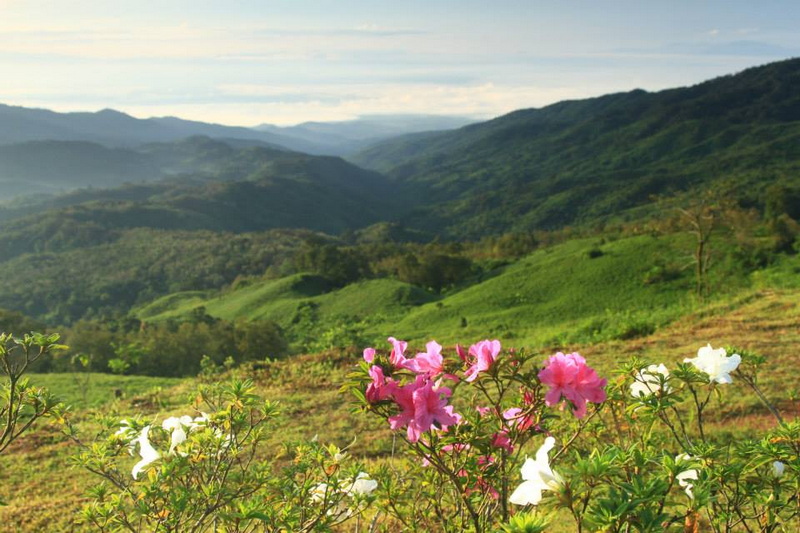
Colorful flowers border a grassy path leading to a house among pine trees under a clear sky at Huai Nam Dang National Park.

Huai Nam Dang National Park is a prominent destination among National Parks In Northern Thailand, renowned for its lush landscapes and invigorating trekking routes. Located in Pai District Mae Hong Son, this park offers visitors a refreshing natural environment characterized by misty mountains, dense forests, and panoramic viewpoints. For trekking tourists and overland tour planners, understanding the available trekking companies in Chiang Mai and the logistics of overland tours to Mae Hong Son is essential for a well-organized adventure. This article focuses on the best trekking companies operating out of Chiang Mai that provide access and guidance to Huai Nam Dang National Park. Additionally, it explores the growing interest in Mae Hong Son Overland Tour From Chiang Mai, highlighting the practical aspects of travel planning and trekking services. Whether you are a seasoned trekker or planning your first overland journey through northern Thailand’s national parks, this guide aims to equip you with detailed insights to make confident and informed decisions.

Profiles of the Best Trekking Companies in Chiang Mai

Chiang Mai is a well-established hub for trekking tourism, hosting numerous companies that specialize in outdoor adventures across northern Thailand. The best trekking companies in Chiang Mai distinguish themselves through experienced guides, well-planned routes, and a commitment to sustainable tourism practices. These companies typically offer a variety of trekking styles, from day hikes to multi-day jungle treks, incorporating cultural visits to local hill tribe villages and nature immersion. Travelers researching Best Trekking Companies Chiang Mai can use these details when planning the trip.

When selecting a trekking company, travelers should consider factors such as guide qualifications, group sizes, environmental responsibility, and the company’s reputation for safety and ethical practices. Many of the leading operators include options that focus on moderate to challenging treks suitable for experienced hikers, as well as beginner-friendly tours. Their expertise ensures that visitors to Huai Nam Dang National Park can navigate the park’s trails efficiently while gaining insights into the region’s ecology and cultural heritage.

In addition to guiding services, these companies often provide logistical support such as transportation from Chiang Mai, equipment rental, and accommodation arrangements near the trekking areas. This comprehensive approach allows trekkers to focus on the experience itself without the complexity of independent planning. For those interested in combining trekking with overland travel, some companies also facilitate Mae Hong Son Overland Tour From Chiang Mai, creating seamless travel itineraries.

Trekking Environment and Natural Features of Huai Nam Dang National Park

Huai Nam Dang National Park is celebrated for its striking natural beauty and diverse trekking environments. Situated in the mountainous region of Pai District Mae Hong Son, the park’s elevation ranges from approximately 400 to 1,900 meters, resulting in a variety of climate zones and vegetation types. Trekkers experience cool air, especially in the early morning and late evening, which enhances the appeal of outdoor activities.

The park’s trails wind through evergreen forests, pine plantations, and mixed deciduous woodlands, offering opportunities to observe native flora and fauna. Key trekking routes lead to scenic viewpoints such as the famous Huai Nam Dang viewpoint, where visitors can witness breathtaking sunrises and sea-of-mist panoramas. The terrain varies from gentle slopes to steeper ascents, accommodating both casual hikers and more adventurous trekkers.

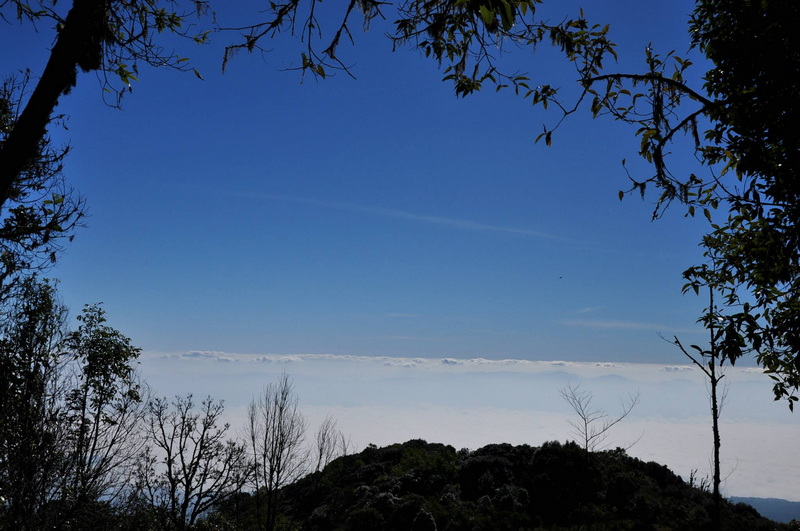
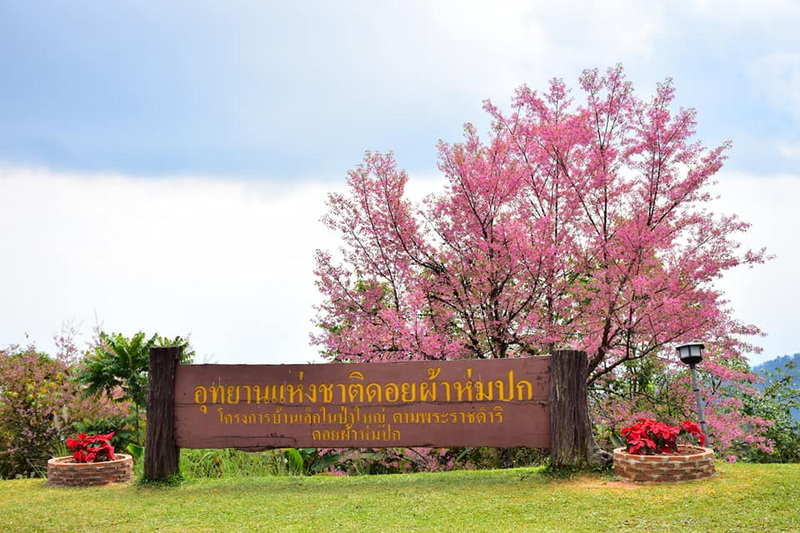
Wooden signboard with park emblem overlooking a cloud-filled valley at sunset at Huai Nam Dang National Park.

Beyond natural scenery, the trekking environment includes encounters with local hill tribe communities, whose villages lie near or within the park boundaries. These cultural elements enrich the trekking experience and provide context to the region’s human geography. Responsible trekking companies emphasize respectful interaction with these communities and promote awareness of conservation efforts aimed at preserving the park’s ecological integrity.

Understanding Overland Tour Concepts and Travel Logistics from Chiang Mai to Mae Hong Son

Overland tours from Chiang Mai to Mae Hong Son have gained popularity among travelers seeking an immersive route through northern Thailand’s mountainous landscapes. The Mae Hong Son Overland Tour From Chiang Mai typically spans multiple days and includes stops at key national parks, cultural sites, and scenic viewpoints. This route offers a blend of trekking, sightseeing, and cultural exploration.

A green hillside with a winding path surrounded by trees and bushes at Mae Hong Son.

Logistically, overland tours require careful planning due to the region’s challenging terrain and variable road conditions. The journey covers winding mountain roads, which demand experienced drivers and reliable vehicles. Many trekking companies in Chiang Mai extend their services to include transportation and guided overland tours, ensuring safety and comfort throughout the trip.

Travelers considering an overland tour should factor in travel time, weather conditions, and the physical demands of trekking combined with road travel. Proper preparation includes packing suitable gear, arranging accommodations in advance, and understanding the environmental and cultural contexts of the areas visited. Overland tours provide a unique perspective on northern Thailand’s diverse landscapes and communities, connecting Huai Nam Dang National Park with broader regional attractions.

Key Service and Travel Considerations for Trekking and Overland Tours

Choosing the right trekking company and overland tour provider involves more than just price comparison. Service quality, environmental responsibility, and cultural sensitivity are paramount. The best trekking companies in Chiang Mai prioritize these aspects, ensuring that clients receive knowledgeable guidance while minimizing their ecological footprint.

Travelers should inquire about the company’s policies on waste management, trail impact, and support for local communities. Likewise, understanding the physical requirements of treks and overland journeys helps in selecting an option that matches one’s fitness and experience level. Clear communication about itinerary flexibility, group sizes, and safety protocols contributes to a more satisfying experience.

People gather on a hilltop overlooking mountains during sunset with a colorful sky at Huai Nam Dang National Park.

When planning travel logistics, coordination between trekking schedules and overland transport is critical. Timing arrivals and departures to allow ample rest and acclimatization enhances both safety and enjoyment. Additionally, considering seasonal weather patterns aids in avoiding periods of heavy rain or extreme temperatures, which can affect trail conditions and road accessibility.

Summary of Key Points for Trekking and Overland Travel in Northern Thailand

Huai Nam Dang National Park stands out as an exceptional trekking destination within the network of National Parks In Northern Thailand, offering varied terrain, stunning views, and cultural encounters. The availability of reputable trekking companies in Chiang Mai facilitates access to this park with expert guidance and comprehensive support.

Interest in Mae Hong Son Overland Tour From Chiang Mai reflects a broader trend toward integrated travel experiences that combine trekking with scenic overland routes. Understanding the logistical challenges and planning considerations of such tours is essential for a smooth and rewarding journey.

Overall, travelers benefit from selecting service providers who emphasize professionalism, environmental stewardship, and respect for local cultures. This approach not only enhances the quality of the trekking and travel experience but also contributes to the sustainable development of northern Thailand’s tourism sector.

Why This Place Stays With You

Embarking on a trekking experience in Huai Nam Dang National Park, supported by the best trekking companies in Chiang Mai, offers a rewarding way to engage with northern Thailand’s natural and cultural richness. Coupled with the overland travel opportunities to Mae Hong Son, this journey presents a comprehensive adventure that blends physical challenge, scenic beauty, and meaningful cultural connection. Careful planning and informed choices will help ensure a safe, respectful, and memorable trip through this remarkable region.

Exploring Night Activities and Souvenir Shopping on Nimmanhaemin Road

Exploring Night Activities and Souvenir Shopping on Nimmanhaemin Road

A practical guide to nighttime experiences, private driver insights, and cultural shopping near Nimmanhaemin road in Chiang Mai

Night market with food stalls, string lights, and many people in a busy street at Nimmanhaemin road.

Nimmanhaemin road in Chiang Mai is a vibrant hub that comes alive as the sun sets, offering a unique blend of night activities and shopping experiences. For travelers keen on exploring the city’s evening charm, this area provides a lively atmosphere filled with local markets, cozy cafes, and cultural spots. Navigating the nightlife here is made easier with insights into private driver costs, helping visitors plan their evenings with convenience and budget awareness. Beyond entertainment, Nimmanhaemin road is also a fantastic place for souvenir shopping, where authentic local crafts and unique gifts reflect the rich cultural heritage of Chiang Mai. This guide highlights the best night activities, practical considerations for hiring private drivers, and tips for finding meaningful souvenirs, all within easy reach of notable nearby attractions like Doi Suthep-Pui National Park and Chiang Mai Zoo. Whether you are visiting for the first time or returning to uncover more of Chiang Mai’s evening offerings, understanding the balance between enjoying vibrant night scenes and managing transport costs can elevate your trip. Let’s explore how Nimmanhaemin road serves as an ideal starting point for memorable night outings and cultural shopping adventures.

Discovering Night Activities Near Nimmanhaemin Road

As twilight descends on Nimmanhaemin road, the area transforms into a lively destination for night activities in Chiang Mai. From trendy bars and live music venues to art galleries and night markets, there is something to suit every interest. Visitors can enjoy an evening stroll along the vibrant street, where local artists and performers often add to the dynamic atmosphere. Travelers researching Chiang Mai Private Driver Cost can use these details when planning the trip. Travelers researching Souvenir Shopping Chiang Mai can use these details when planning the trip.

One of the highlights is the variety of night markets scattered nearby, offering an array of street food, handmade crafts, and local products. These markets provide a glimpse into the region’s night culture, where both locals and tourists mingle in a relaxed setting. Many cafes and restaurants stay open late, serving traditional northern Thai dishes alongside international cuisine, making it easy to find a perfect spot for dinner or drinks.

For those interested in cultural experiences, some venues host live traditional music and dance performances in the evenings. These events offer an authentic taste of Chiang Mai’s heritage amid the modern nightlife vibe. Whether you prefer a quiet evening sipping coffee or a lively night out, Nimmanhaemin road offers a welcoming environment that caters to diverse preferences.

Navigating Chiang Mai Private Driver Cost for Night Outings

Transportation plays a key role in making nighttime excursions smooth and enjoyable, especially for visitors unfamiliar with the area. Hiring a private driver in Chiang Mai is a popular option, providing a flexible and comfortable way to explore Nimmanhaemin road and its surroundings after dark. It allows travelers to avoid the hassle of parking, navigating unfamiliar routes, or relying on public transport schedules.

Exterior view of a modern shopping mall with glass windows and pedestrians at Nimmanhaemin road.

When considering private driver costs, it’s important to think about factors like duration, distance, and the type of vehicle. Many drivers offer hourly rates or half-day packages that can be negotiated based on your itinerary. This flexibility is particularly useful if you plan to visit multiple spots or extend your evening to nearby attractions.

While exact prices vary, being aware of typical cost ranges helps in budgeting your evening activities. Using a private driver can also enhance safety, especially when traveling late at night. Additionally, drivers often have local knowledge that can enrich your experience, such as recommending popular night spots or the best times to visit certain markets.

Overall, factoring in private driver costs early in your trip planning ensures a hassle-free night out on Nimmanhaemin road, allowing you to focus on enjoying the vibrant atmosphere and cultural offerings.

Souvenir Shopping Chiang Mai Style on Nimmanhaemin Road

Nimmanhaemin road is not only a nightlife hotspot but also a prime location for souvenir shopping in Chiang Mai. The area boasts numerous boutiques, artisan shops, and market stalls where travelers can find authentic handicrafts, textiles, and locally made products. These souvenirs reflect the rich cultural traditions of northern Thailand and make meaningful keepsakes or gifts.

Market stall selling hats, bags, and clothes with three people browsing at Nimmanhaemin road.

Popular items include handwoven fabrics, silver jewelry, traditional pottery, and unique artwork created by local artisans. Many shops also feature contemporary designs that blend traditional motifs with modern aesthetics, appealing to a wide range of tastes. Shopping here offers more than just purchasing; it’s an opportunity to engage with the community and appreciate the craftsmanship behind each item.

For visitors interested in sustainable and ethical shopping, several stores emphasize fair trade practices and support for local producers. This approach adds value to your souvenirs, knowing they contribute positively to the local economy and culture.

Timing your shopping trips during the evening markets or later in the day can also lead to discovering special deals and experiencing the lively market ambiance. Whether you’re looking for a small token or a distinctive piece, Nimmanhaemin road provides an enjoyable and culturally rich shopping experience.

Combining Night Activities and Souvenir Shopping with Nearby Attractions

Nimmanhaemin road’s location offers easy access to notable nearby attractions that complement an evening itinerary. After exploring night markets and shops, visitors can plan visits to places like Doi Suthep-Pui National Park or Chiang Mai Zoo, which are not far from the city center. While these attractions are typically daytime destinations, their proximity allows for a well-rounded trip combining nature, wildlife, and urban nightlife.

Crowded indoor market with people, vendors, and colorful lighting decorations at Nimmanhaemin road.

Doi Suthep-Pui National Park is a must-visit for those interested in scenic views and cultural landmarks such as the famous Wat Phra That Doi Suthep temple. Spending part of the day here before transitioning to Nimmanhaemin road’s night scene creates a balanced experience of Chiang Mai’s diverse offerings.

Chiang Mai Zoo, known for its variety of animals and family-friendly environment, is another excellent daytime stop. Visitors can enjoy the zoo earlier and then head to Nimmanhaemin road for evening entertainment and shopping. This combination suits travelers looking to maximize their time by mixing nature, culture, and nightlife within a manageable area.

Using private driver services to move between these locations adds convenience and safety, especially when traveling after dark. This approach allows you to enjoy each attraction fully without worrying about transport logistics.

Nearby Attractions

Doi Suthep-Pui National Park

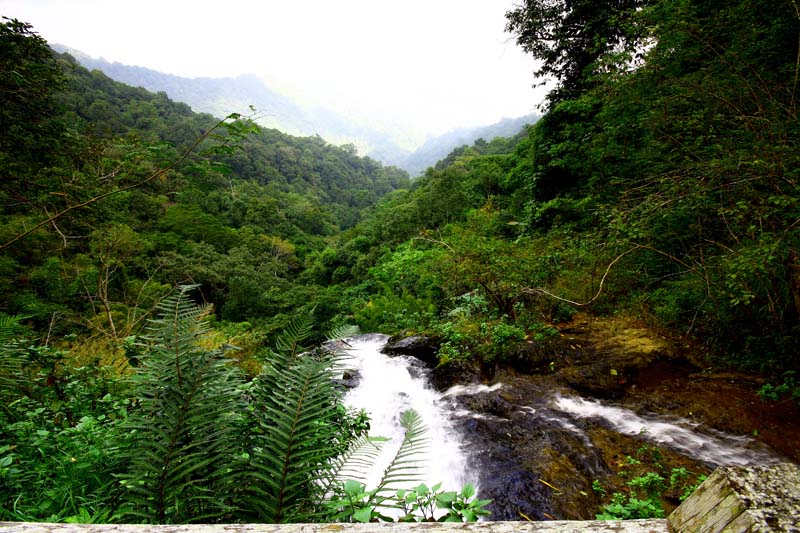
Waterfall cascading into a muddy river amid rocks and lush greenery at Doi Suthep-Pui National Park.

Doi Suthep-Pui National Park is a beautiful natural area located just outside Muang Chiang Mai, offering lush forests, mountain views, and cultural sites. The park’s highlight is the revered Wat Phra That Doi Suthep temple, which provides panoramic views of Chiang Mai city below. Visitors often combine a daytime visit here with their evening plans on Nimmanhaemin road to enjoy both nature and urban nightlife.

Besides the temple, the park features hiking trails, waterfalls, and diverse wildlife, making it a refreshing escape from the city’s bustle. It’s an ideal spot for travelers who appreciate outdoor activities and cultural heritage in one destination.

Chiang Mai Zoo

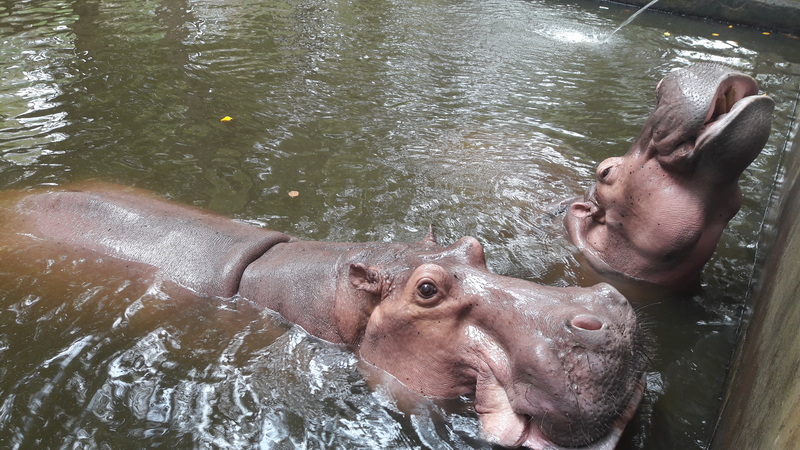
Two hippopotamuses in water with their heads above the surface at Chiang Mai Zoo.

Chiang Mai Zoo is a popular family-friendly attraction located within easy reach of Nimmanhaemin road. The zoo houses a wide variety of animals, including pandas, elephants, and exotic birds, providing educational and entertaining experiences for visitors of all ages. It’s a great daytime destination before heading to the vibrant night activities and markets along Nimmanhaemin road.

The zoo’s spacious grounds and well-maintained habitats create a pleasant environment for animal lovers and those interested in wildlife conservation. Combining a visit here with evening outings offers a well-rounded view of Chiang Mai’s diverse attractions.

Why This Place Stays With You

Exploring Nimmanhaemin road at night offers a vibrant mix of cultural experiences, lively markets, and authentic shopping opportunities. Being mindful of private driver cost considerations helps ensure your evenings are both enjoyable and convenient, allowing you to focus on the experience rather than logistics. With nearby attractions like Doi Suthep-Pui National Park and Chiang Mai Zoo within easy reach, your visit can blend nature, culture, and nightlife seamlessly. Whether you’re hunting for unique souvenirs or simply soaking in the local atmosphere, Nimmanhaemin road provides a welcoming and dynamic setting for memorable nighttime adventures.

Exploring the Three kings Monument on Chiang Mai Half Day City Tours in Chiang Mai Province

Exploring the Three kings Monument on Chiang Mai Half Day City Tours in Chiang Mai Province

Discover cultural heritage and top package tours featuring the Three kings Monument and nearby historic temples in Chiang Mai Province

Tall flowering tree with pink blossoms in an urban street scene at Three kings Monument.

The Three kings Monument stands as a remarkable cultural landmark in Muang Chiang Mai, representing the unity and historical significance of the founders of Chiang Mai city. This monument is not only a symbol of local pride but also a popular highlight on many Chiang Mai half day city tours designed for travelers who have limited time yet desire an immersive experience. Situated in the heart of Chiang Mai Province, the monument offers visitors a glimpse into the rich Lanna heritage that shaped northern Thailand. For first-time visitors or those seeking the best Chiang Mai package tours, the Three kings Monument serves as a natural starting point for exploring the city’s cultural and historical layers. These tours often combine visits to nearby significant temples, providing a well-rounded introduction to the province’s spiritual and architectural treasures. Planning a short visit around this monument allows travelers to maximize their experience within a half day, balancing sightseeing with meaningful cultural engagement. This article guides you through the cultural importance of the Three kings Monument, outlines popular half day city tours that include this site, and highlights the best package tours available in Chiang Mai Province. Additionally, it introduces nearby attractions suited for brief visits, helping you plan an efficient and enriching itinerary that respects the heritage and traditions of the region.

Cultural and Historical Significance of the Three kings Monument

The Three kings Monument commemorates the legendary founders of Chiang Mai: King Mengrai, King Ramkhamhaeng of Sukhothai, and King Ngam Muang of Payao. Erected to symbolize their alliance and cooperation in establishing the city in the late 13th century, the monument reflects the spirit of unity that was essential for the region’s stability and cultural development.

Crafted with intricate detail, the monument is an artistic representation of the Lanna Kingdom’s heritage, which deeply influences the identity of Chiang Mai Province today. Visitors can appreciate the monument not only as a historical marker but also as a place where locals honor their ancestry and cultural roots. The site is often a focal point for festivals and ceremonies that celebrate Lanna traditions.

Understanding the monument’s background enriches the visitor experience, providing context to the stories and legends that surround Chiang Mai’s origins. This cultural insight is a highlight of any Chiang Mai half day city tour, where guides often share narratives that connect the monument to the broader history of northern Thailand.

Chiang Mai Half Day City Tours Featuring the Three kings Monument

Half day city tours in Chiang Mai are popular for travelers who want a concise yet meaningful introduction to the city’s highlights. These tours typically include a stop at the Three kings Monument due to its central location and cultural importance. Visitors can expect guided explanations about the monument’s symbolism and its role in Chiang Mai’s history.

Large golden statues of kings being assembled outdoors with palm trees around at Three kings Monument.

Such tours often combine visits to nearby temples and landmarks, allowing participants to explore multiple sites within a limited timeframe. The efficiency of these tours suits travelers on tight schedules or those wanting to complement other activities planned during their stay in Chiang Mai Province.

Many half day tours are designed with first-time visitors in mind, balancing historical education with opportunities for photography and leisurely walks around the old city. This approach ensures a practical and engaging experience, making the monument a memorable highlight of the morning or afternoon itinerary.

Exploring the Best Chiang Mai Package Tours Including the Monument

For travelers seeking a more comprehensive experience, the best Chiang Mai package tours often incorporate the Three kings Monument as a core attraction. These packages may extend beyond half day tours, offering customizable options that include cultural performances, local markets, and culinary experiences alongside historical sightseeing.

Package tours are advantageous for visitors who prefer organized travel with expert guides, ensuring that the cultural context of the monument and surrounding sites is thoroughly communicated. These tours provide convenience and depth, often including transportation and additional services to enhance the overall visit within Chiang Mai Province.

Old faded mural with multiple ancient scenes and figures in muted colors at Three kings Monument.

Choosing a package tour that highlights the monument allows travelers to connect with the region’s heritage while benefiting from professional planning. Such tours also facilitate access to lesser-known cultural experiences, enriching the visitor’s understanding of the Lanna way of life and its enduring legacy.

Planning a Short Visit in Chiang Mai Province Around the Monument

Chiang Mai Province offers a compact yet diverse range of cultural attractions, making it ideal for travelers with limited time. When planning a short visit, focusing on the Three kings Monument and nearby sites provides a structured itinerary that maximizes cultural exposure without overwhelming the schedule.

Visitors are advised to start early to avoid crowds and take advantage of cooler morning temperatures while exploring outdoor landmarks. Combining the monument with close-by temples ensures an efficient use of time and a coherent thematic experience centered on Lanna heritage.

Practical tips for short visits include wearing comfortable shoes, carrying water, and respecting local customs at religious sites. Many half day city tours and package tours cater specifically to travelers with time constraints, offering curated experiences that balance sightseeing with cultural immersion.

Colorful traditional artwork showing people engaging in an activity inside a courtyard at Three kings Monument.

Visitor Considerations for Touring the Three kings Monument and Nearby Attractions

When visiting the Three kings Monument, it is important to approach the site with respect for its cultural and historical significance. Photography is generally welcome, but visitors should be mindful of ceremonies or gatherings that may take place at the monument.

Guided tours often provide valuable context and ensure visitors understand appropriate behavior, such as dress codes when also visiting nearby temples like Wat Phra Singh and Wat Phan Tao. These considerations enhance the experience and demonstrate respect for local traditions.

Travelers should also consider the time needed to fully appreciate each site, especially when on a half day city tour. Planning breaks and pacing the visit allow for a more relaxed and meaningful engagement with the heritage of Chiang Mai Province.

Nearby Attractions

Wat Phra Singh

Golden Buddha statue inside a richly decorated temple with smaller statues and floral decorations at Wat Phra Singh.

Wat Phra Singh is one of Chiang Mai’s most revered temples, located just a short walk from the Three kings Monument. Known for its stunning Lanna architecture and intricate murals, the temple offers visitors a rich spiritual and artistic experience.

The temple complex houses the revered Phra Singh Buddha image, which attracts both local worshippers and tourists. Exploring Wat Phra Singh provides insights into the religious practices and artistic traditions that have shaped Chiang Mai’s cultural landscape.

Its proximity to the monument makes Wat Phra Singh an ideal stop on half day city tours, allowing travelers to seamlessly transition from historical monuments to active places of worship.

Wat Phan Tao

Group of people participating in a nighttime ceremony holding flowers with illuminated decorations behind them at Wat Phan Tao.

Wat Phan Tao, located near the Three kings Monument, is known for its unique teakwood viharn (assembly hall) and peaceful atmosphere. This temple exemplifies traditional Lanna craftsmanship and offers a quieter alternative to larger temple complexes.

Visitors to Wat Phan Tao can appreciate the intricate wood carvings and the serene environment that invites contemplation. Its location within the old city walls makes it accessible during short visits focused on cultural and historical exploration.

Including Wat Phan Tao on a half day city tour enriches the itinerary by highlighting the diversity of Chiang Mai’s religious architecture and providing a deeper connection to the province’s heritage.

Why This Place Stays With You

The Three kings Monument serves as a compelling entry point for travelers eager to explore the cultural heart of Chiang Mai Province within a limited timeframe. Whether through a Chiang Mai half day city tour or one of the best Chiang Mai package tours, visitors can engage with the rich history and heritage of the Lanna Kingdom in a practical and respectful way. Nearby temples such as Wat Phra Singh and Wat Phan Tao complement the experience, offering additional layers of spiritual and artistic significance. By planning thoughtfully and choosing appropriate tours, travelers can make the most of their short visit, gaining confidence and appreciation for one of northern Thailand’s most treasured cultural landscapes.

Exploring Wat Jed Yod Among the Most Sacred Temples Chiang Mai

Exploring Wat Jed Yod Among the Most Sacred Temples Chiang Mai

Discover the spiritual essence of Wat Jed Yod through private and day tour perspectives and nearby cultural highlights

Monks and visitors gather outside a lit historic brick temple at night surrounded by trees at Wat Jed Yod.

Wat Jed Yod stands as one of the most sacred temples in Chiang Mai, offering visitors a serene glimpse into the spiritual heart of the city. Known also by various names such as Wat Jedyod, Wat Chet Yod, and Jed Yod Temple, it holds a unique place among the region's religious sites. Its sacred status not only draws those interested in Buddhist culture but also travelers seeking meaningful experiences through private tour Chiang Mai city arrangements or convenient Chiang Mai day tours. Situated in Muang Chiang Mai, Wat Jed Yod embodies both historical reverence and living religious practice. Visitors approach it with respect for its spiritual significance, often reflecting on the temple’s serene atmosphere that contrasts with the city's bustling cultural scenes. Exploring Wat Jed Yod within the context of private or day tours helps deepen understanding of its role among the most sacred temples Chiang Mai has to offer, while also connecting to vibrant nearby attractions like Saturday Night Market Chiang Mai and Nimmanhaemin Road for a well-rounded visit. This article invites travelers to explore what makes Wat Jed Yod sacred, how it fits into Chiang Mai’s tour experiences, and how to respectfully engage with this important temple. It also highlights complementary nearby sites that enrich the cultural journey, providing practical insights for those planning their visit.

Spiritual Significance of Wat Jed Yod

Wat Jed Yod is revered as one of the most sacred temples in Chiang Mai, distinguished by its spiritual heritage and unique architectural symbolism. The temple’s name, which translates to 'Seven Spires Temple,' reflects the seven distinct chedis that crown its central shrine, each representing important aspects of Buddhist teachings. This design is inspired by the Mahabodhi Temple in Bodh Gaya, India, linking Wat Jed Yod to the broader Buddhist world and its sacred geography.

Beyond its architecture, the temple serves as a place for meditation, prayer, and reflection, attracting monks, devotees, and travelers alike. It embodies the spiritual ideals of peace, mindfulness, and devotion, making it a focal point for religious observance in Muang Chiang Mai. Visitors often experience a calm and contemplative atmosphere, enhanced by the temple’s tranquil garden setting and the gentle sounds of chanting or bells during prayer times.

The sacred status of Wat Jed Yod is not only historical but also alive in daily practice. It remains an active place of worship where local communities engage in rituals and festivals, reinforcing its role as a living spiritual hub. This ongoing religious life invites visitors to witness and respect Buddhist customs, fostering a deeper appreciation of Chiang Mai’s spiritual landscape.

Experiencing Wat Jed Yod Through Private and Day Tours

Wat Jed Yod is frequently included in private tour Chiang Mai city itineraries as well as broader Chiang Mai day tours, each offering distinct ways to experience the temple’s sacred ambiance. Private tours provide a personalized and flexible approach, allowing travelers to spend more time understanding the temple’s spiritual background and participate quietly in its rituals. Guides often share insights into Buddhist symbolism and the temple’s significance, enriching the visitor experience without disrupting the peaceful environment.

Monks in orange robes with face masks participating in a ceremony outdoors at Wat Jed Yod.

Day tours that include Wat Jed Yod typically combine the temple visit with nearby cultural highlights, offering a balanced itinerary that blends sacred reflection with urban exploration. These tours are well suited for travelers seeking a structured experience that introduces them to key spiritual sites alongside other attractions. In both private and day tour contexts, visitors are encouraged to dress respectfully, maintain silence in prayer areas, and observe customary practices such as removing shoes before entering temple buildings.

Whether through a private tour or a day tour, Wat Jed Yod offers a meaningful glimpse into Chiang Mai’s religious traditions. The temple visit often acts as a contemplative pause within the broader journey, inviting travelers to connect with the spiritual roots of the city while planning their day around notable nearby attractions.

Visitor Experience and Spiritual Insights at Wat Jed Yod

Visitors to Wat Jed Yod often remark on the temple’s quiet dignity and the sense of calm it imparts amid the city’s activity. The temple grounds provide peaceful spaces for meditation and reflection, supported by the presence of monks and the gentle rhythm of Buddhist chants. Many find the seven spires visually striking and symbolic, offering a contemplative focus that draws attention to the deeper meanings within Buddhist teachings.

Engaging respectfully with Wat Jed Yod involves awareness of local customs and an attitude of humility. Visitors are advised to wear modest clothing covering shoulders and knees, speak softly, and refrain from disruptive behavior. Photography is generally permitted in outdoor areas but should be avoided during prayer or meditation sessions unless explicitly allowed. These practices honor the temple’s sacred nature and the devotion of those who come to worship.

Golden Buddha statue seated on a pink lotus pedestal surrounded by candles and trees at Wat Jed Yod.

The spiritual insights gained at Wat Jed Yod often extend beyond the visit itself. Many travelers leave with a renewed sense of calm and a better understanding of Buddhist principles such as compassion, mindfulness, and impermanence. This reflective experience enhances the cultural journey through Chiang Mai, offering a meaningful contrast to the city’s lively markets and modern attractions.

Nearby Cultural Spots to Complement Your Visit

To enrich the visit to Wat Jed Yod, travelers often explore nearby attractions that highlight Chiang Mai’s vibrant cultural scene. Saturday Night Market Chiang Mai is a lively destination just a short distance away, where visitors can experience local crafts, street food, and performances. This market offers a colorful contrast to the temple’s quiet spirituality, showcasing the everyday life and creativity of the city.

Nimmanhaemin Road is another nearby attraction that complements the temple visit with its trendy cafes, art galleries, and boutique shops. This area reflects the modern cultural pulse of Chiang Mai, where tradition and contemporary lifestyles blend seamlessly. After spending time in the sacred space of Wat Jed Yod, wandering through Nimmanhaemin Road allows visitors to engage with the city’s dynamic artistic and social environment.

Together, these nearby spots provide a balanced itinerary for those on a private tour Chiang Mai city or a Chiang Mai day tour, connecting spiritual exploration with cultural enjoyment. They also exemplify the diverse experiences available within Muang Chiang Mai, encouraging travelers to appreciate both the sacred and the secular aspects of this historic city.

People praying at an outdoor shrine with a Buddha statue amid trees and stone structures at Wat Jed Yod.

Practical Considerations for Visiting Wat Jed Yod

When planning a visit to Wat Jed Yod, it is important to consider practical aspects that ensure a respectful and fulfilling experience. The temple is located in Muang Chiang Mai, accessible by various transportation options suitable for both private tour Chiang Mai city travelers and those on day tours. Visitors should plan their timing to avoid peak prayer hours if they prefer a quieter atmosphere or to coincide with ceremonies to observe religious practices respectfully.

Respectful dress is essential: shoulders and knees should be covered, and shoes must be removed before entering temple buildings. Visitors are encouraged to speak softly and avoid loud conversations or disruptive behavior. Photography should be approached with sensitivity, especially inside prayer halls or during rituals.

It is also helpful to bring water and sun protection, as temple grounds include open areas exposed to the sun. While food and drink are generally not permitted inside the temple precincts, nearby cafes and markets provide options for refreshments. Being mindful of these considerations helps maintain the sanctity of Wat Jed Yod while allowing visitors to enjoy their time comfortably.

Nearby Attractions

Saturday Night Market Chiang Mai

Colorful plush toys and fabric bags displayed at an outdoor market stall at Saturday Night Market Chiang Mai.

Saturday Night Market Chiang Mai is a bustling cultural hub that comes alive every weekend in the heart of the city. It features a diverse array of local handicrafts, street food, and live performances, offering a vibrant atmosphere that contrasts with the tranquility of Wat Jed Yod. Visitors can explore stalls selling traditional textiles, artworks, and souvenirs, providing an immersive experience of Chiang Mai’s creative spirit.

The market is a popular gathering place for both locals and tourists, making it an excellent spot to observe contemporary Thai culture and interact with artisans. Its proximity to Wat Jed Yod makes it a convenient addition to any itinerary focused on combining spiritual and cultural exploration within Muang Chiang Mai.

Nimmanhaemin Road

Night market scene with food stalls, string lights, and busy crowd at dusk at Nimmanhaemin Road.

Nimmanhaemin Road is known as one of Chiang Mai’s trendiest neighborhoods, offering a dynamic mix of cafes, galleries, and boutique shops. This area reflects the city’s modern cultural identity, blending artistic innovation with traditional influences. Visitors to Nimmanhaemin Road can enjoy specialty coffee shops, contemporary art spaces, and stylish boutiques, making it a lively complement to the contemplative visit to Wat Jed Yod.

The district attracts a young, creative crowd and serves as a hub for cultural events and social gatherings. Its walkable streets and vibrant atmosphere provide an engaging experience for travelers interested in the evolving cultural landscape of Chiang Mai, just a short distance from the spiritual calm of the temple.

Why This Place Stays With You

Wat Jed Yod offers a distinctive spiritual experience that stands out among the most sacred temples Chiang Mai has to offer. Whether visited through a private tour Chiang Mai city or as part of a Chiang Mai day tour, the temple invites respectful reflection and deeper understanding of Buddhist traditions. Paired with nearby cultural highlights like Saturday Night Market Chiang Mai and Nimmanhaemin Road, a visit to Wat Jed Yod becomes part of a rich and balanced exploration of Chiang Mai’s diverse cultural and spiritual heritage. Travelers who approach this sacred site with mindfulness and respect will find their journey both calming and enlightening, gaining insights that resonate beyond the temple grounds.