Doi Luang Chiang Dao – Chiang Mai Trekking and Private Tours Featuring the Doi Chiang Dao Hike

Doi Luang Chiang Dao Trekking Overview and Nearby Attractions

Discover trekking options at Doi Luang Chiang Dao, insights on private tour searches, and natural highlights for first-time visitors.

Nestled in the northern reaches of Thailand, Doi Luang Chiang Dao rises dramatically above the surrounding landscape, drawing travelers with its untamed beauty and sense of adventure. For many, this mountain is one of Chiang Mai province’s most compelling natural destinations—a place where misty mornings, dense forests, and rocky limestone peaks come together to create an unforgettable trekking experience. If you are a first-time international visitor eager to explore the outdoors in Thailand, Doi Luang Chiang Dao offers a welcoming entry point to the region’s celebrated hiking culture. Trekking here is about more than just reaching the summit; it’s also a chance to immerse yourself in the rhythms of northern Thailand’s forests, encounter unique flora, and experience the calm that comes from venturing off the beaten path. As you plan your journey, you may notice a variety of phrases such as 'Chiang Mai Trekking,' 'Doi Luang Chiang Dao trek,' and 'private tours in Chiang Mai'—each reflecting the diverse ways travelers approach this destination. Whether you’re seeking a guided group hike, a private day trip, or simply want to understand what makes this mountain special, knowing your options helps build confidence before you set out. This article provides a practical overview of trekking and hiking at Doi Luang Chiang Dao, introduces the language of private tours, and highlights two nearby attractions—Chiang Dao Cave and Ban Yang Pu Toh trekking—that can round out your visit. The goal is to give you a clear, friendly starting point for planning, so you can make the most of your time in one of northern Thailand’s most remarkable natural areas.

A picturesque view of mountains with pink flowering trees at Doi Luang Chiang Dao.

Doi Luang Chiang Dao: A Natural Landmark for Trekkers

Doi Luang Chiang Dao is the third-highest peak in Thailand, standing at 2,225 meters above sea level. Its distinctive limestone ridges and rugged terrain have made it a favorite among hikers and nature lovers. The mountain is part of the Doi Chiang Dao Forest Park and the larger Chiang Dao Wildlife Sanctuary—a protected area with significant ecological value. For those new to the region, the landscape is both dramatic and accessible, offering a sense of wilderness without requiring advanced mountaineering skills.

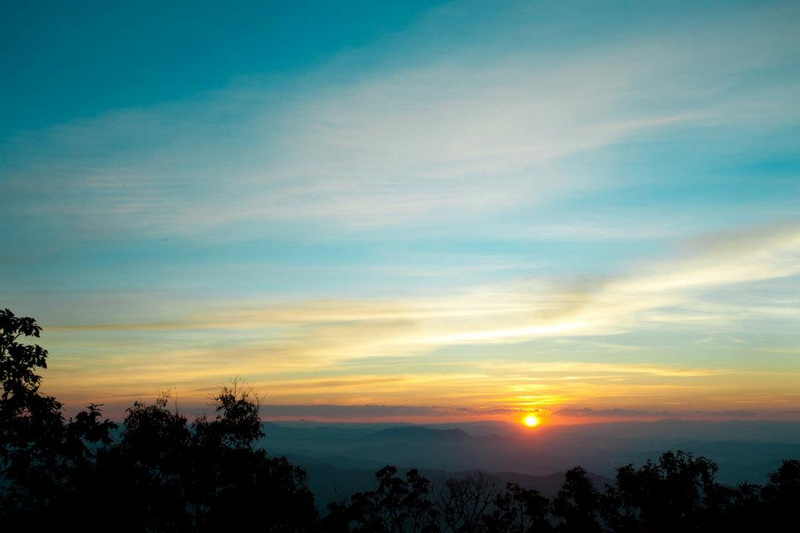
Sunset over a grassy hill at Doi Luang Chiang Dao.

The mountain’s appeal lies in its combination of challenge and approachability. Trails wind through bamboo forests, mossy undergrowth, and open ridgelines, revealing sweeping views of the surrounding valleys. During the dry season, clear skies often reward trekkers with panoramic vistas, while the rainy months paint the forests in lush greens. Seasonal wildflowers and the unique limestone ecosystem add to the sense of discovery, making every visit a little different.

Even for visitors without extensive hiking experience, Doi Luang Chiang Dao is a destination that encourages exploration and connection with nature. The trails can be physically demanding, but the reward is a feeling of accomplishment and a deeper appreciation for the region’s natural heritage.

Understanding Trekking and Hiking Options

When planning a visit, you’ll encounter a variety of trekking and hiking experiences tailored to different interests and fitness levels. Some travelers opt for a straightforward hike along established trails, while others seek out multi-day adventures that include overnight stays in basic campsites. The most well-known route is the ascent to the summit itself, which typically requires a full day of hiking each way and is often structured as a two-day, one-night journey.

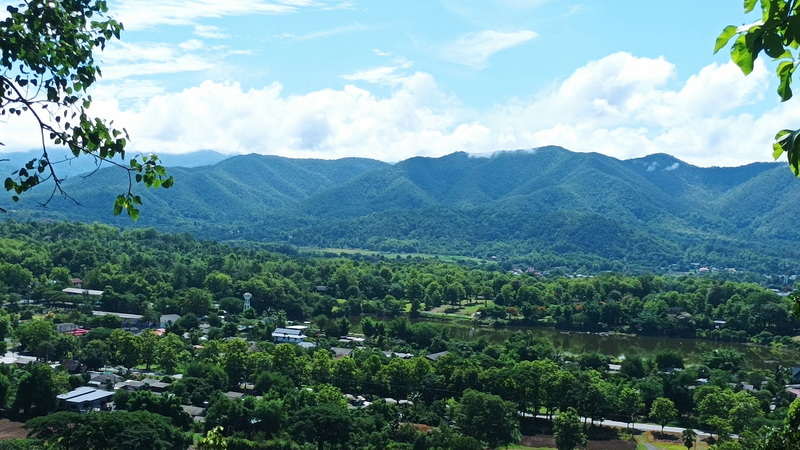
A view of lush green mountains at Doi Luang Chiang Dao.

Hiking at Doi Luang Chiang Dao is generally considered moderate to challenging, depending on the chosen route and current trail conditions. The elevation gain is significant, and some sections are steep or rocky. However, the main trails are well-trodden and benefit from the stewardship of local guides and park authorities. The trekking season usually runs from November through March, when weather is cooler and trails are less slippery.

For those who prefer a more relaxed pace, there are also shorter walks and nature trails around the base of the mountain. These routes provide a taste of the area’s biodiversity without the commitment of a summit trek. Whichever option you choose, it’s important to prepare for changing weather, bring adequate water and sun protection, and respect the park’s conservation guidelines.

The Role of Private Tours and Search Language

As interest in responsible travel grows, many visitors look for ways to customize their experience. This is where phrases like 'Chiang Mai Private Tour' come into play. While browsing for trekking options, you’ll notice that private tour search language is common, reflecting a demand for personalized, flexible itineraries. Private tours can offer advantages such as tailored pacing, opportunities for deeper interpretation from guides, and the ability to focus on particular interests—be it photography, birdwatching, or simply enjoying a quieter journey.

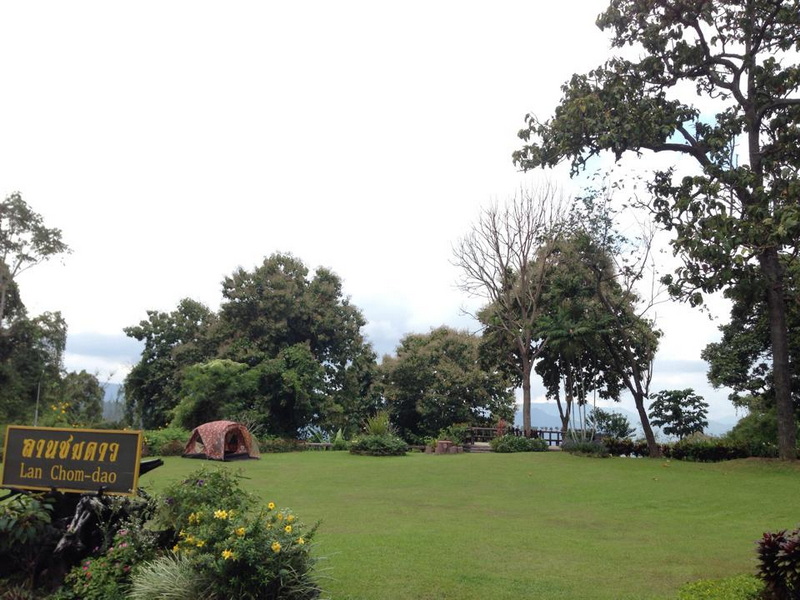
Mountain view with a wooden sign, showcasing the peaks of Doi Luang Chiang Dao.

It’s important to note that the presence of private tour phrasing in search results does not guarantee availability or imply any specific operator. Instead, it highlights the range of approaches travelers use to explore Doi Luang Chiang Dao. Some visitors join group treks organized by local agencies, while others arrange private guides or self-guided hikes. Regardless of your choice, the emphasis remains on respecting the protected status of the area and minimizing your impact on the environment.

Preparing for a Hike at Doi Luang Chiang Dao

Embarking on a hike at Doi Luang Chiang Dao is an opportunity to step into one of Thailand’s most celebrated mountain landscapes. Preparation is key—both for your safety and to ensure a positive experience. Start by checking the latest information on park access, as entry to certain trails may be limited during the rainy season or for conservation reasons. Packing light but efficiently is recommended; bring sturdy footwear, layered clothing, and essential supplies such as water, snacks, and a flashlight.

Guided treks are popular for first-time visitors, as local guides offer valuable insight into the area’s ecology and help navigate the sometimes-challenging terrain. Even on a guided hike, basic fitness and comfort with uneven ground will help you enjoy the journey. Remember to follow Leave No Trace principles and to be considerate of other hikers and the natural environment. If you are looking for a memorable adventure, the Doi Chiang Dao Hike is often mentioned as a must-try experience for those wanting to challenge themselves and witness the region’s breathtaking scenery.

Extending Your Adventure: Complementary Experiences

While the main draw is undoubtedly the trek itself, Doi Luang Chiang Dao’s location makes it easy to combine hiking with other nature-based activities. The surrounding area is dotted with limestone caves, forest reserves, and hot springs, offering a well-rounded itinerary for those with extra time. Many travelers find that exploring these nearby attractions adds depth and variety to their trip, transforming a single trek into a more immersive journey through northern Thailand’s natural wonders.

The mountain’s proximity to Chiang Mai city—roughly 70 kilometers away—means that it can be reached as part of a longer adventure or even a well-organized day trip. This flexibility appeals to visitors who wish to balance active exploration with comfort or who have limited time in the region. Whether you stay overnight or visit for a day, the diversity of experiences makes Doi Luang Chiang Dao a highlight for both seasoned trekkers and newcomers alike.

Nearby Attractions

Chiang Dao Cave

Just a short distance from the mountain, Chiang Dao Cave is one of the area’s most intriguing natural sites. The cave system extends several kilometers into the limestone hills, featuring spacious chambers, stalactites, and mysterious rock formations. Guided tours typically cover the well-lit sections, allowing visitors to appreciate the geological history and cool, echoing depths. For many, a visit to Chiang Dao Cave offers a welcome contrast to the open vistas of the mountain, providing a glimpse into the region’s underground wonders.

Stalactites illuminated by headlamps inside Chiang Dao Cave.

Ban Yang Pu Toh trekking

For those interested in expanding their trekking experience, Ban Yang Pu Toh trekking offers additional trails through lush forest landscapes. This area is known for its quieter paths and opportunities to observe the local flora up close. The routes here are generally less crowded than the main summit trail and can be tailored to different fitness levels, making them a suitable option for both beginners and more experienced hikers. Exploring Ban Yang Pu Toh is a way to deepen your connection with the natural side of Chiang Dao while enjoying a peaceful, scenic walk.

Forested hills under a clear blue sky at Ban Yang Pu Toh trekking.

Why This Place Stays With You

Trekking at Doi Luang Chiang Dao is as much about self-discovery as it is about exploring a remarkable landscape. For first-time visitors, understanding the variety of trekking options and the context of private tours can make planning less daunting and more exciting. By preparing thoughtfully and considering nearby attractions like Chiang Dao Cave and Ban Yang Pu Toh trekking, you set yourself up for a journey that is both rewarding and memorable. As you step onto the trails, you’ll find that the mountain’s beauty, the warmth of the local environment, and the spirit of adventure combine to create an experience that inspires confidence—both in travel and in yourself.

Pang Ung: Explore Thailand’s Alpine Paradise

Pang Ung: Explore Thailand’s Alpine Paradise

pang ung, pang oung, pang oong, pang ung mae hong son, pang oung mae hong son, pang oong mae hong son

Imagine waking up to the serene beauty of Pang Ung , where mist-covered waters meet towering pine trees. Capture the elegance of black and white swans gifted by the Queen Mother, and enjoy a peaceful sunset on the reservoir. With its unique charm and natural wonders, Pang Oung promises an unforgettable escape. 

Pang Ung: Top Reasons Why This Hidden Gem Should Be on Your Travel Bucket List


pang ung, pang oung, pang oong, pang ung mae hong son, pang oung mae hong son, pang oong mae hong son

1. The Breathtaking Morning Mist and Swans

One of the most magical experiences at Pang Ung is the ethereal morning mist that blankets the reservoir. As you sit on a raft and glide across the tranquil waters, you’ll be surrounded by towering pine trees and long stretches of mist. Keep your camera ready because you might spot the iconic "black swans" and "white swans," which were gifted by Her Majesty Queen Sirikit, the Queen Mother. These elegant creatures add to the charm of the landscape, making it a photographer’s paradise.

2. Stunning Sunset Views Over the Reservoir

Another highlight of Pang Ung is the breathtaking sunset view over the reservoir. As the sun dips below the horizon, the sky transforms into a canvas of vibrant colors, reflecting beautifully on the calm water. Whether you’re sitting on the shore or aboard a raft, this serene moment will leave you in awe and provide the perfect backdrop for unforgettable memories.

ban rak thai, rak thai village

3. Nearby Attractions Worth Exploring

While Pang Ung itself is mesmerizing, nearby attractions like Ban Rak Thai and Namtok Pha Suea - Tham Pla National Park are equally captivating. Ban Rak Thai offers scenic tea plantations and cultural insights, while Namtok Pha Suea - Tham Pla National Park boasts stunning waterfalls and limestone caves. These destinations make Pang Ung an ideal base for exploring the natural beauty of Mae Hong Son Province .

4. Unique Accommodations Amidst Nature

From cozy homestays like Lung Nah Homestay to budget-friendly camping options, Pang Oung offers diverse accommodations for every traveler. Prices range from 100 to 400 THB per night, with basic amenities such as hot showers and clean bedding. For those seeking adventure, tents can be rented for around 225 THB per night, allowing you to immerse yourself in the natural surroundings.

pang ung, pang oung, pang oong, pang ung mae hong son, pang oung mae hong son, pang oong mae hong son

5. Local Culture and Cuisine

The local people of Pang Ung are warm and welcoming, eager to share their traditions and way of life. Don’t miss out on sampling local delicacies like Khao Soi and Sai Oua , which offer a taste of northern Thai flavors. Handmade crafts and souvenirs available at local markets make for perfect keepsakes to remember your trip.

6. Best Time to Visit Pang Ung

The ideal time to visit Pang Ung is during the cool season from December to January. During this period, you’ll experience the famous morning mist and enjoy comfortable weather. Temperatures can drop significantly at night, so pack warm clothing to fully enjoy your stay.

pang ung, pang oung, pang oong, pang ung mae hong son, pang oung mae hong son, pang oong mae hong son

How to Get There

Reaching Pang Ung is an adventure in itself. The journey typically begins from Chiang Mai, following the scenic Mae Hong Son tourpackage route. Travelers can choose between the upper route via Pai or the lower route through Mae Sariang. The winding roads offer glimpses of pristine forests and traditional villages, setting the tone for the beauty that awaits at Pang Ung.


Su Tong Pae Bridge Walk the Path of Faith and Beauty

Su Tong Pae Bridge Walk the Path of Faith and Serenity in Mae Hong Son

su tong pae bridge, su tong pae bamboo bridge, su tong pae, sutongpae bridge, sutongpae bamboo bridge

More than just a bridge, Su Tong Pae Bridge is a journey of faith, perseverance, and the beauty of simple living in Mae Hong Son.

A Bridge That Inspires

Sometimes, a journey isn’t just about reaching a destination—it’s about what you feel along the way. Su Tong Pae Bridge, a stunning 500-meter-long bamboo bridge in Mae Hong Son province, is one of those places where every step carries meaning. Built with faith, generosity, and determination, this bridge represents the heart and soul of the local community.

The name Su Tong Pae, meaning "successful prayer" in the Tai Yai language, reflects the deep spiritual belief that crossing this bridge with a sincere wish can help it come true. Whether you're a traveler seeking peace or a photographer capturing the beauty of rural Thailand, this bridge offers an experience that goes beyond words.

su tong pae bridge, su tong pae bamboo bridge, su tong pae, sutongpae bridge, sutongpae bamboo bridge

Faith Woven into Every Step

Built in 2012, the bridge was constructed using bamboo and teak wood pillars, generously offered by the villagers of Ban Kung Mai Sak. The farmers who owned the land beneath the bridge donated their rice fields, allowing monks from Wat Tham Poo Sa Ma to have a safe and direct path for their daily alms rounds. With a budget of 800,000+ Baht, this labor of love was completed in just two months and 12 days, a testament to the unity of the community.

Each morning around 6:30 AM, monks in saffron robes walk barefoot across the bridge, collecting food offerings from villagers and visitors. The sight of this sacred ritual, with mist floating over the golden fields, is one that fills the heart with peace and gratitude.

su tong pae bridge, su tong pae bamboo bridge, su tong pae, sutongpae bridge, sutongpae bamboo bridge

Nature’s Ever-Changing Masterpiece

Walking across Sutongpae Bridge is like stepping into a painting that changes with the seasons. In October, the surrounding rice paddies are lush and green, reflecting the promise of a bountiful harvest. By December, the fields glow in golden hues, mirroring the warmth of the morning sun.

As you walk, you can look down and see farmers tending to their fields, a reminder of how closely faith and daily life are connected here. The bridge isn’t just a passageway—it’s a symbol of hard work, devotion, and the simple beauty of rural Thailand.

How to Reach Su Tong Pae Bridge

From Muang Mae Hong Son, take Highway 1095 toward Pang Mapha. After about 10 kilometers, turn left at Kung Mai Sak village and drive for 1.5 kilometers. Parking is available near the entrance, and a short walk will take you to the bridge.

For those planning a Mae Hong Son tour package, this bridge is more than just a stop—it’s an experience that connects you to the essence of northern Thailand. Whether you're taking the Mae Hong Son loop tour via Pai or Mae Sariang, Su Tong Pae Bridge is a place to reflect, reconnect, and be inspired

Nearby Places That Add to the Magic

ban rak thai

Your journey doesn’t have to end at the bridge. A short drive away, you’ll find Ban Rak Thai, a peaceful Yunnanese village surrounded by tea plantations and mountain mist. If you’re looking for relaxation, Phu Klon Country Club Hot Springs offers natural mineral mud baths, perfect for unwinding after a day of exploring.

phu klon


Ban Rak Thai

Ban Rak Thai - A Journey to the Heart of Tranquility

ban rak thai, baan rak thai, ban rak thai village, rak thai village, baan rak thai village, ban rak thai maehongson, rak thai village maehongson

Discover the charm of Ban Rak Thai, a serene village nestled in the mountains of Mae Hong Son, where culture and nature blend seamlessly.

A Village Steeped in History
Ban Rak Thai, a quaint village in Mae Hong Son Province, is a place where time seems to stand still. Originally settled by Chinese immigrants from Yunnan, this village is a testament to the harmonious blend of Thai and Yunnanese cultures. The village, located in Moo 6, Tambon Mok Champae, was established by former soldiers of the Chinese Nationalist Army (93rd Division), also known as the Kuomintang. As you wander through the village, you’ll notice traditional tea houses, rustic wooden homes, and terraced tea plantations that stretch as far as the eye can see.
ban rak thai, baan rak thai, ban rak thai village, rak thai village, baan rak thai village, ban rak thai maehongson, rak thai village maehongson

The Beauty of Ban Rak Thai Village
The village is surrounded by lush mountains and a tranquil lake, creating a picturesque setting that feels like a scene from a postcard. Situated at an elevation of 1,776 meters above sea level, the cool climate and misty mornings add to the village’s enchanting atmosphere. Whether you’re sipping on locally grown tea or exploring the narrow pathways, Ban Rak Thai offers a peaceful escape from the hustle and bustle of city life.

Nearby Attractions to Explore
Within a 10-kilometer radius of Ban Rak Thai, you’ll find Pang Ung, a stunning lake surrounded by pine forests, perfect for a serene boat ride. Another must-visit is Namtok Pha Suea - Tham Pla National Park, where you can marvel at cascading waterfalls and explore mysterious caves. These attractions make  Rak Thai village an ideal base for nature lovers.

ban rak thai, baan rak thai, ban rak thai village, rak thai village, baan rak thai village, ban rak thai maehongson, rak thai village maehongson

A Cultural Experience Like No Other
The village is also known for its warm hospitality. Don’t miss the chance to try Yunnanese dishes like steamed buns and tea-infused delicacies. The locals are proud of their heritage and are always eager to share their stories with visitors. Activities such as guided nature walks to explore the "Earth Prison" and horseback riding to the Myanmar border add to the unique experience.

How to Get There:

Ban Rak Thai is located approximately 45 kilometers from Muang Mae Hong Son. The best way to reach the village is by car or motorbike, which allows you to enjoy the scenic drive through the mountains. If you’re on a Mae Hong Son loop tour, this village is a must-stop destination.

Escape to Ban Rak Thai and immerse yourself in its serene beauty and rich culture. Whether you’re a nature enthusiast or a culture seeker, this village promises an unforgettable experience.


Buatong Waterfall

Buatong Waterfall An Adventure Beyond Expectations

buatong waterfall, bua tong waterfall, buatong sticky waterfall, bua tong sticky waterfall, sticky waterfall, sticky waterfall chiang mai

Step into the enchanting world of Buatong Waterfall, where adventure meets serenity in Chiang Mai.

Located in Buatong Waterfall-Chet Si Fountain National Park, in Mae Ho Phra, Mae Taeng District, Chiang Mai, Buatong Sticky Waterfall is one of the most unique and fun natural wonders in Northern Thailand. It spans four levels, with a total height of about 120 meters, offering a mix of adventure and tranquility for visitors. Previously designated as a forest park, it now enjoys the status of a national park.

buatong waterfall, bua tong waterfall, buatong sticky waterfall, bua tong sticky waterfall, sticky waterfall, sticky waterfall chiang mai

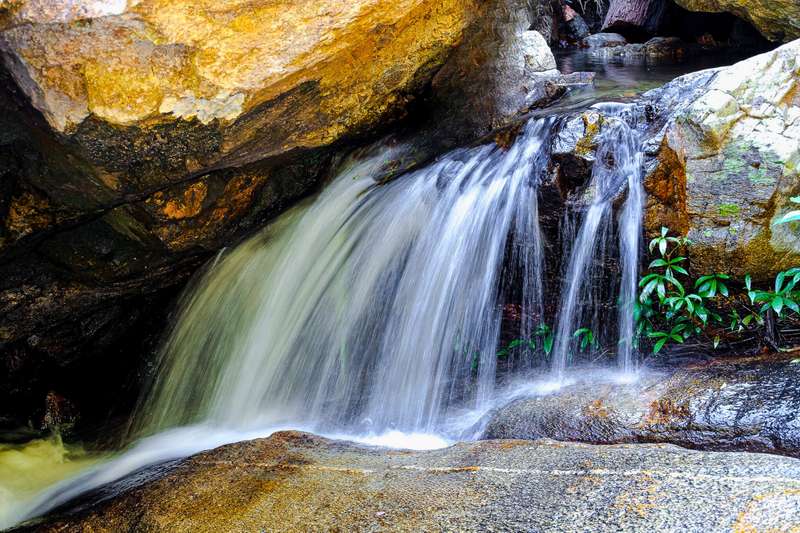
Buatong Waterfall’s unique “stickiness” comes from calcium carbonate deposits that coat the rocks. This creates a grippy, non-slippery surface, allowing visitors to safely climb the cascading water barefoot. The rocks feel slightly prickly, like pumice stones, and there’s no algae or slime, ensuring a clean and fun experience. The water flows year-round, remaining crystal clear due to the lack of sediment. This natural phenomenon is why locals and tourists alike rave about climbing this waterfall.

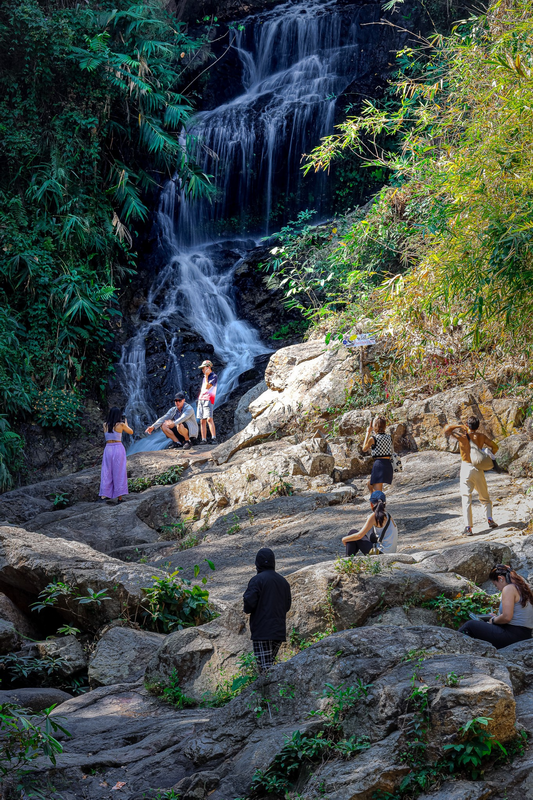
Buatong Waterfall is a magical four-tiered cascade that’s both stunning and fun to explore. Starting at the first level with shaded picnic spots and shallow pools perfect for families, each tier gets more adventurous as you descend. The second level introduces the thrill of climbing the unique grippy rocks, while the third level immerses you in lush greenery and stronger cascades. Finally, the fourth level’s dramatic 60-meter drop offers breathtaking views of the forest. With creamy limestone rocks, vibrant greenery, and crystal-clear water, every step down feels like uncovering a new piece of nature’s masterpiece.

buatong waterfall, bua tong waterfall, buatong sticky waterfall, bua tong sticky waterfall, sticky waterfall, sticky waterfall chiang mai

Don’t miss the Seven Colors Spring, located a short walk from the waterfall. Measuring 6x8 meters, this natural pool is a year-round spring where water gushes from underground. When sunlight hits, the water sparkles in rainbow hues, creating a stunning visual. This spring is also the source of Buatong Waterfall, with its water flowing downstream to feed the cascades. It’s a serene spot for reflection and a must-visit during your trip.

While the first level tends to get busy during weekends and holidays, especially with local families enjoying picnics, the lower levels remain quieter and more adventurous. For a relaxed experience, visit on a weekday to avoid the crowds. However, note that the steeper trails and lower levels may not be suitable for elderly visitors.

buatong waterfall, bua tong waterfall, buatong sticky waterfall, bua tong sticky waterfall, sticky waterfall, sticky waterfall chiang mai

What to Bring for a Great Trip

Make sure to pack the essentials:

  • Bathing Suit: Perfect for cooling off in the cascades.
  • Towel: To dry off after exploring the falls.
  • Camera: The scenic beauty is Instagram-worthy.

Avoid wearing flip-flops near the water—they can get stuck in the mud or swept away. Barefoot climbing is the best way to enjoy the sticky rocks.

How to Reach Buatong Sticky Waterfall

The waterfall is located about 60 km north of Chiang Mai. Drive along Highway 1001 from the Superhighway, passing Mae Jo University. Look for a faded sign near a cluster of vegetable stalls and small shops—this indicates the turnoff to the park. If in doubt, friendly locals are always happy to help with directions.

Pair your visit to Buatong Waterfall with a scenic boat trip to the Mae Ngat Dam in Sri Lanna National Park, where you can relax on a floating raft, enjoy fishing, swim in calm waters, or even stay overnight on the raft for a stunning sunrise and sunset experience. For an ethical and unforgettable wildlife encounter, head to Mae Rim Elephant Sanctuary, where rescued elephants roam freely in a safe, caring environment. These nearby attractions perfectly complement your adventure, adding a mix of tranquility and meaningful exploration to your Chiang Mai day tours.

Night Bazaar Chiang Mai

Night Bazaar Chiang Mai A Vibrant Hub for Culture and Entertainment

chiang mai night bazaar, night bazaar chiang mai, night market chiang mai, chiang mai night market, chiang mai night, chiang mai at night, chiang mai nightlife, nightlife in chiang mai

Explore the highlights of Night Bazaar Chiang Mai, a dynamic destination blending shopping, food, and culture

Nestled on the lively Chang Klan Road, the Night Bazaar Chiang Mai is more than just a market—it’s a destination that defines the city’s vibrant spirit. A hub for culture, crafts, and cuisine, it has become a must-visit spot for locals and tourists alike.

Whether you’re exploring what to do in Chiang Mai or searching for an authentic taste of the city, the Night Bazaar offers an unforgettable experience, making it one of the most iconic Chiang Mai night markets.

Highlights of Night Bazaar Chiang Mai

A Shopper’s Paradise

The market is renowned for its wide variety of goods, ranging from traditional to contemporary:

  • Handmade Crafts: Explore stalls offering silk scarves, wooden carvings, and silver jewelry crafted by local artisans.
  • Fashion and Accessories: Browse through colorful clothing, trendy bags, and custom-tailored suits for unique finds.
  • Art and Souvenirs: Watch live art demonstrations or pick up vibrant paintings and keepsakes to remember your trip.

Every corner of the bazaar reveals treasures that showcase the creativity and heritage of Chiang Mai.

chiang mai night bazaar, night bazaar chiang mai, night market chiang mai, chiang mai night market, chiang mai night, chiang mai at night, chiang mai nightlife, nightlife in chiang mai

A Culinary Wonderland

The Night Bazaar is a food lover’s dream, featuring a blend of local and international flavors:

  • Northern Thai Cuisine: Must-try dishes include khao soi, sai ua (northern sausage), and mango sticky rice.
  • Street Food Staples: Grilled skewers, papaya salad, and Thai pancakes provide quick and delicious bites.
  • Global Options: Sushi, pizza, and Mediterranean fare ensure there’s something for every palate.

The vibrant food scene is a highlight that appeals to visitors of all tastes and preferences.

chiang mai night bazaar, night bazaar chiang mai, night market chiang mai, chiang mai night market, chiang mai night, chiang mai at night, chiang mai nightlife, nightlife in chiang mai

Cultural Performances and Entertainment

Adding to its charm, the Night Bazaar offers a variety of live entertainment:

  • Traditional Dances: Performances showcasing the elegance and beauty of Thai culture.
  • Street Artists: Musicians, magicians, and dancers create a dynamic and engaging atmosphere.
  • Muay Thai Matches: Witness the thrill of Thailand’s national sport at Kalare Night Bazaar Boxing Stadium.

These activities make the Night Bazaar more than just a shopping destination—it’s an immersive cultural experience.

Practical Information for Visitors

How to Get There

The Night Bazaar Chiang Mai is centrally located and easy to access:

  • On Foot: Conveniently situated near the Old City, it’s a short walk for many visitors.
  • Local Transport: Tuk-tuks and songthaews are affordable and readily available.
  • Rideshare Services: Apps like Grab offer a comfortable and efficient way to reach the market.

Tips for First-Time Visitors

  • Bring Cash: Many stalls prefer cash payments, so having smaller denominations is helpful.
  • Arrive Early: Visit early in the evening to avoid crowds and enjoy a leisurely experience.
  • Explore Fully: Take your time to explore every section, from food stalls to artisan corners.

Why Night Bazaar Chiang Mai Stands Out

The Chiang Mai Night Bazaar encapsulates the essence of the city, blending its rich heritage with modern influences. Whether you’re hunting for unique souvenirs, savoring delicious food, or soaking in the lively entertainment, this destination offers a glimpse into the soul of Chiang Mai.

Discover the magic of Night Bazaar Chiang Mai—a destination that promises excitement, culture, and endless memories.

Ban Huay Pu Keng

Ban Huay Pu Keng A Village That Takes You Back in Time

ban huay pu keng, kayan village ban huay pu keng long neck village, huay pu keng village, huay pu keng kayan village, huay pu keng long neck village

Experience the traditions, stories, and serene beauty of Ban Huay Pu Keng, a cultural gem in Mae Hong Son Province.

My First Impressions of Ban Huay Pu Keng

As I stepped into Ban Huay Pu Keng, I felt an overwhelming sense of calm and wonder. Nestled by the Pai River in Mae Hong Son Province, the village seemed untouched by time. The sounds of nature enveloped me—the gentle flow of the river, the rustling of leaves, and the faint laughter of children playing.

The locals greeted me warmly, their faces alight with smiles that immediately made me feel welcome. These were the Kayan or Karen people, whose traditions and lifestyles have remained steadfast despite the changing world around them. I was eager to immerse myself in their culture and understand what makes this village so special.

ban huay pu keng, kayan village ban huay pu keng long neck village, huay pu keng village, huay pu keng kayan village, huay pu keng long neck village

Walking Through the Heart of the Village

The village itself felt like stepping into a living museum. Wooden houses raised on stilts lined the pathways, each with a unique charm. Women sat on verandas, weaving colorful fabrics on traditional looms, while others tended to their gardens.

The iconic long-necked Karen women stood out, their brass rings glinting in the sunlight. I stopped to chat with one of them, who shared stories of her life and the significance of the rings she wore. “It’s more than just tradition,” she explained. “It’s who we are.” Listening to her made me realize how deeply rooted their identity is in this unique practice, one that blends beauty with a strong sense of heritage.

ban huay pu keng, kayan village ban huay pu keng long neck village, huay pu keng village, huay pu keng kayan village, huay pu keng long neck village

Hands-On Activities That Connect You to the Culture

I didn’t just observe; I participated. One of the villagers invited me to try weaving on a waist loom. As I worked under her guidance, I began to understand the patience and skill required to create such intricate patterns.

Later, I joined a group carving wooden dolls, a craft passed down for generations. Each stroke of the chisel felt like a connection to the past, and the sense of accomplishment when I finished my small creation was incredible. These activities weren’t just fun—they were deeply meaningful experiences that left me with a greater appreciation for the Kayan people’s artistry.

Nature and Spiritual Connection

Nature surrounded Baan Huay Pu Keng like a protective embrace. The Pai River’s gentle flow provided a serene backdrop, while the nearby forest trails offered a chance to explore the area’s natural beauty. Walking along these trails, I felt a sense of peace that’s hard to find in the hustle of everyday life.

wat phra that doi kong mu, doi kong mu temple

wat chong klang, chong klang temple

In the heart of the village, the sacred Thee Lan pillar stood as a symbol of unity and protection. The villagers spoke of it with reverence, explaining how it plays a role in their spiritual practices. For those seeking more cultural depth, nearby temples like Wat Chong Klang and Wat Phra That Doi Kong Mu added to the journey’s richness, each offering its own unique story and tranquility.

Why You Should Visit Ban Huay Pu Keng

Every moment in Ban Huay Pu Keng is an invitation to slow down, connect, and learn. From its breathtaking natural beauty to the rich traditions of the Kayan people, the village offers an experience that stays with you long after you leave.

ban huay pu keng, kayan village ban huay pu keng long neck village, huay pu keng village, huay pu keng kayan village, huay pu keng long neck village

How to Get to Ban Huay Pu Keng

A Perfect Stop on the Mae Hong Son Loop

Traveling through the Mae Hong Son Loop Tour? Ban Huay Pu Keng is a must-visit. Whether you’re coming from Pai, Mae Sariang, or Doi Inthanon, this village provides a glimpse into a way of life that’s rare and precious.

  1. By Boat:
    Start at Huai Duea Pier, located 8 kilometers from Mae Hong Son town. From there, a 20-minute long-tail boat ride (600 baht round trip) takes you to the village. The journey offers stunning views of the river and its lush surroundings.

  2. By Road and Ferry:
    Drive along Highway 108 and turn onto Rural Road 3018. A short ferry ride across the Pai River (20 baht) completes your journey. This route is budget-friendly and equally scenic.


Pha Bong Hot Spring

Pha Bong Hot Spring A Relaxing Gem in Mae Hong Son

pha bong hot spring, pha bong hot springs, phabong hot spring, phabong hot springs

Have you ever thought about soaking in nature’s mineral-rich hot springs? Let’s explore the charm of Pha Bong Hot Spring together!

Why Visit Pha Bong Hot Spring?

“Imagine this,” I said to my friend as we drove down Highway No. 108. “Just 10 kilometers from Mae Hong Son, there’s this magical place where the water is naturally heated to the perfect temperature.” That’s how I convinced my travel buddy to visit Pha Bong Hot Spring, a serene spot surrounded by lush agricultural land. The springs, managed by the Pha Bong Subdistrict Administrative Organization, are a must-visit for anyone who loves relaxation and a touch of local culture.
pha bong hot spring, pha bong hot springs, phabong hot spring, phabong hot springs

Affordable Relaxation for Everyone

The best part? It’s affordable! Whether you choose a private room for 150-200 baht or a shared bath for 400 baht, the experience is worth every penny. There’s even a pool entry fee of just 20 baht. Feeling adventurous? Set up a tent at the camping area for only 50 baht per night. Oh, and don’t miss the Thai massage—150 baht for an hour of blissful relaxation.
wat phra that doi kong mu, phra that doi kong mu temple

Exploring Nearby Attractions

Here’s a tip: Combine your visit to the hot spring with nearby attractions. A short drive away, you’ll find Wat Phra That Doi Kong Mu, a temple that offers stunning views of Mae Hong Son’s valleys. For something unique, head to Wat Chong Klang, known for its fascinating Burmese-style architecture and serene ambiance.
wat chong klang, chong klang temple, mae hong son lake

Add It to Your Mae Hong Son Adventure

If you’re planning a trip, consider including this spot in your Mae Hong Son Tour Package. It’s not just about soaking in the hot spring; it’s about experiencing the local culture, supporting the community, and exploring nearby gems.

pha bong hot spring, pha bong hot springs, phabong hot spring, phabong hot springs

How to Reach This Tranquil Spot

Getting to Pha Bong Hot Spring is simple. From Muang Mae Hong Son, drive south on Highway No. 108 toward Khun Yuam District. The well-signposted entrance makes it easy to find. The hot spring is open daily from 8:00 AM to 5:00 PM.

Take a moment to unwind at Phabong Hot Spring. Embrace relaxation and discover Mae Hong Son’s beauty today!

Wat Phra That Doi Kong Mu

Wat Phra That Doi Kong Mu A Cultural Treasure of Mae Hong Son

phra that doi kong mu temple, phra that doi kong mu, wat phra that doi kong mu, doi kong mu temple, wat doi kong mu

Dive into the historical and cultural significance of Wat Phra That Doi Kong Mu and its impact on the Shan community.

Wat Phra That Doi Kong Mu stands as a testament to the rich cultural heritage of Mae Hong Son province. This revered temple, built in 1860, reflects the close relationship between the local Shan community and Buddhism. Its iconic Burmese-style architecture symbolizes the enduring influence of Shan traditions in the region. The temple’s two pagodas hold profound meaning: the larger was built by Phra Maha Singhanat Thera to enshrine Buddha relics, while the smaller stupa commemorates the dedication of a Shan ruler. Together, these structures bridge spiritual devotion with the artistry of a bygone era.

phra that doi kong mu temple, phra that doi kong mu, wat phra that doi kong mu, doi kong mu temple, wat doi kong mu

Shan Culture and the Temple’s Legacy
For the Shan people of Mae Hong Son, Phra That Doi Kong Mu temple serves as both a spiritual and cultural anchor. The temple regularly hosts Buddhist ceremonies that draw pilgrims and visitors alike. Among its most celebrated events is the Poi Sang Long Festival, a Shan tradition deeply rooted in Buddhist teachings. This festival is a rite of passage for young boys entering monkhood, where they are adorned as princes, reminiscent of the Buddha’s early life. Through music, dances, and processions, the temple becomes a vibrant stage celebrating faith and cultural pride. For visitors, attending this festival offers a unique glimpse into the traditions that shape the identity of Mae Hong Son.
phra that doi kong mu temple, phra that doi kong mu, wat phra that doi kong mu, doi kong mu temple, wat doi kong mu

The Role of Burmese-Style Architecture
The architectural design of Wat Phra That Doi Kong Mu is an homage to its Shan roots. The temple’s white stupas, decorated with intricate details, reflect Burmese influences combined with local craftsmanship. Surrounding the pagodas, smaller shrines and sacred spaces create a harmonious layout that encourages meditation and reflection. At the base of the hill, the journey to the temple involves a climb that symbolizes spiritual ascent—a meaningful act for many Buddhists. The hilltop setting enhances the temple’s sanctity, offering sweeping views of Muang Mae Hong Son below and the misty mountains that stretch to the horizon.
mae hong son lake, chong kham temple

Nearby Cultural and Natural Highlights
Wat Phra That Doi Kong Mu is surrounded by attractions that complement its cultural significance. Jong Kham Lake, located near the temple, reflects the influence of Shan architecture with its peaceful surroundings. At the nearby Mae Hong Son Night Market, visitors can explore authentic Shan-inspired cuisine and traditional handicrafts, including textiles and wood carvings. Another gem is Pha Bong Hot Springs, a perfect spot for relaxation while connecting with the region’s natural beauty. These nearby attractions enrich the experience, making the area a cultural and natural treasure trove.
phra that doi kong mu temple, phra that doi kong mu, wat phra that doi kong mu, doi kong mu temple, wat doi kong mu

A Symbol of Mae Hong Son’s Identity
Wat Phra That Doi Kong Mu is more than a spiritual sanctuary; it is a cultural emblem that reflects the heart of Mae Hong Son Thailand. Its annual festivals, stunning design, and community importance make it a cornerstone of Shan heritage in Northern Thailand. For those exploring the Mae Hong Son loop tour, visiting this temple is an opportunity to connect with the rich traditions and serene landscapes that define the province.

Celebrate the cultural richness of Wat Phra That Doi Kong Mu. From festivals to hilltop vistas, it’s a journey into the soul of Mae Hong Son.