Discovering Umong Temple and Its Sacred Aura with Private and Day Tour Options
Exploring the spiritual essence of Wat Umong alongside practical private and day tour experiences in Chiang Mai
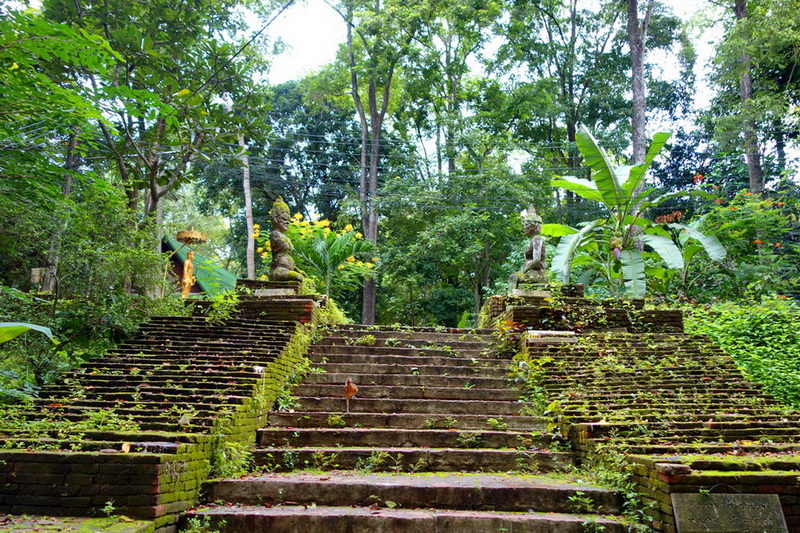
Nestled in the serene outskirts of Muang Chiang Mai, Umong Temple stands as one of the most sacred temples in Chiang Mai, offering visitors a unique blend of spiritual tranquility and historical depth. Unlike many other temples, Wat Umong is known for its ancient tunnels, lush forest surroundings, and a peaceful atmosphere that invites reflection and meditation. Its reputation as a sanctuary for both monks and travelers has made it a revered destination for those seeking a deeper connection with Buddhist culture. For travelers interested in immersing themselves fully in this sacred environment, private tour Chiang Mai city options provide a personalized and contemplative experience, allowing for thoughtful exploration of the temple’s spiritual features. Alternatively, a Chiang Mai day tour offers a balanced itinerary that combines time at Wat Umong with visits to other cultural highlights. This article guides you through the sacred characteristics of Umong Temple, the phrasing and benefits of private and day tours, and nearby attractions that beautifully complement your visit.
Sacred Features of Umong Temple
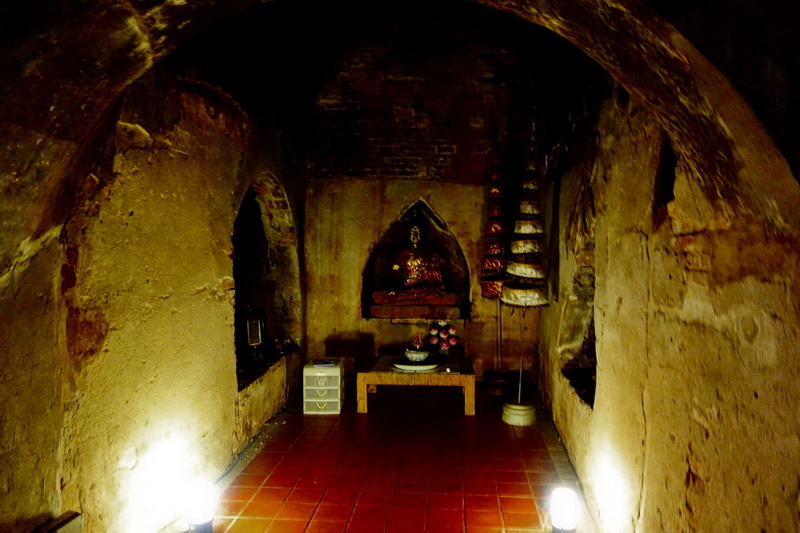
Wat Umong, also known as the Umong Suan Putthatham Temple, is distinguished by its unique spiritual ambiance shaped by its historical architecture and natural surroundings. Established in the 14th century, the temple’s ancient tunnels are perhaps its most striking feature. These underground passageways were originally created for meditation and contemplation, offering a quiet retreat away from the bustling city life. Visitors today can walk through these tunnels, experiencing a sense of calm and introspection that echoes centuries of monastic practice. Travelers researching Most Sacred Temples Chiang Mai can use these details when planning the trip.
The temple grounds are enveloped by tall trees and a large pond inhabited by koi fish and turtles, adding to the tranquil setting. The natural environment encourages mindfulness and a slower pace, inviting visitors to engage in peaceful reflection. The presence of numerous Buddha statues, some partially overgrown and weathered, speaks to the temple’s long-standing spiritual significance and the passage of time in this sacred space.
Wat Umong’s reputation as one of the most sacred temples in Chiang Mai is also rooted in its role as a center for meditation retreats and teaching. Many monks and spiritual practitioners come here to deepen their practice, making it a living temple where tradition and spiritual discipline thrive. This ongoing spiritual vitality enriches every visitor’s experience, whether they come for quiet contemplation or cultural exploration.
Experiencing Umong Temple with a Private Tour Chiang Mai City
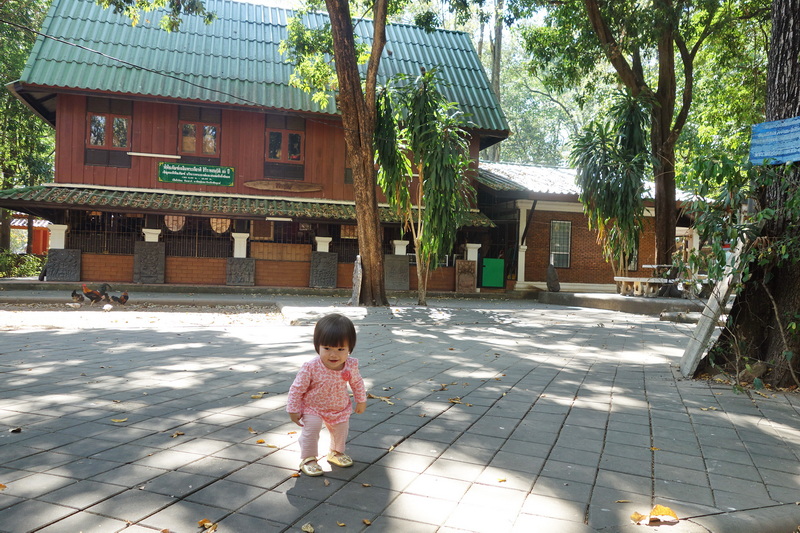
Opting for a private tour Chiang Mai city provides a tailored and intimate way to explore Wat Umong’s sacred grounds. Such tours often allow visitors to spend more time at the temple, delve into its history, and engage with knowledgeable guides who can share insights about its spiritual significance. The private setting encourages questions and personalized reflection, ideal for travelers seeking a deeper connection with the temple’s heritage.
A private tour can be adjusted to include meditation sessions or quiet moments for personal contemplation, enhancing the spiritual aspect of the visit. This approach respects the temple’s sanctity and helps visitors appreciate its role beyond a tourist attraction—as a place of living spirituality.
Moreover, private tours often accommodate flexible schedules and can incorporate visits to nearby spiritual or cultural sites, making for a comprehensive experience that balances sacred exploration with cultural appreciation.
Incorporating Umong Temple in a Chiang Mai Day Tour
For those with limited time or seeking a broader cultural experience, a Chiang Mai day tour offers a practical way to visit Wat Umong alongside other notable destinations. Day tours typically include transportation and a guided itinerary, providing context and convenience for first-time visitors or travelers preferring a structured schedule.
During a day tour, Wat Umong’s peaceful setting acts as a serene contrast to the more bustling parts of Chiang Mai. Visitors can explore the temple’s tunnels, gardens, and meditation spaces before moving on to other attractions, allowing them to experience a spectrum of cultural and spiritual sites within a single day.
This option appeals to travelers who appreciate a well-rounded overview of Chiang Mai’s heritage, combining sacred temples with local markets, historic sites, and modern cultural hubs. The day tour format ensures that Wat Umong’s spiritual qualities are highlighted without requiring an entire day, making it accessible for a wider range of visitors.
Nearby Attractions Complementing Your Visit
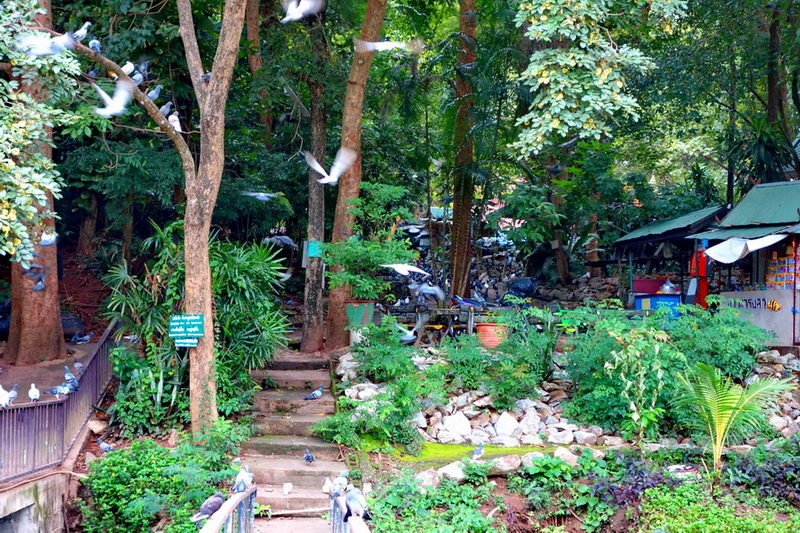
Wat Jed Yod and Nimmanhaemin Road are two notable nearby attractions that enrich a visit to Umong Temple by offering diverse cultural and historical experiences within easy reach. Their proximity allows visitors to deepen their understanding of Chiang Mai’s heritage and contemporary life after exploring Wat Umong’s sacred spaces.
Wat Jed Yod is a historic temple known for its distinctive seven-spired chedi and intricate Lanna architecture. It provides a visual and spiritual complement to Wat Umong, showcasing different aspects of Buddhist artistry and temple design in Chiang Mai. Visiting Wat Jed Yod offers insight into the region’s religious history and architectural evolution.
Nimmanhaemin Road represents the modern cultural pulse of Chiang Mai, filled with cafes, galleries, and boutique shops. While it contrasts with the tranquil atmosphere of Wat Umong, it reflects the city’s dynamic blend of tradition and contemporary creativity. After a reflective visit to Umong Temple, a stroll along Nimmanhaemin Road offers a chance to experience Chiang Mai’s vibrant urban culture.
Nearby Attractions
Wat Jed Yod
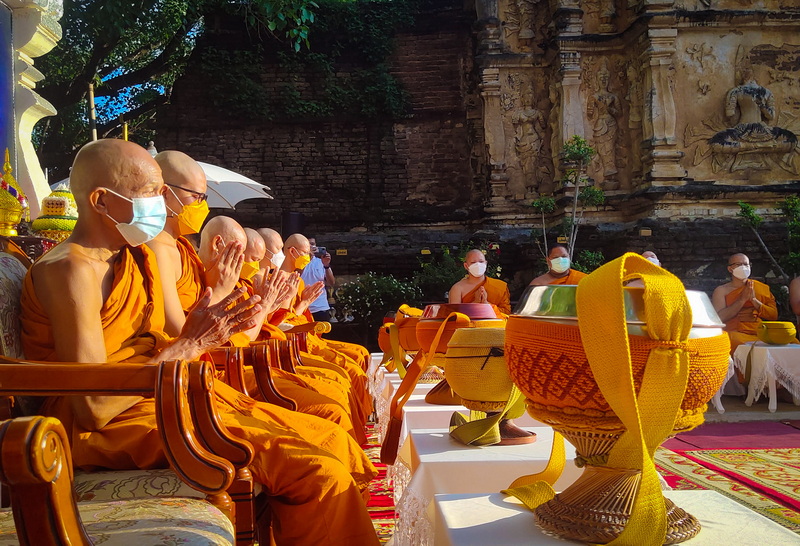
Wat Jed Yod, located near Umong Temple, is a historic Buddhist temple famous for its unique seven-spired chedi, which blends traditional Lanna and Burmese architectural styles. It dates back to the 15th century and is recognized for its serene atmosphere and intricate stucco work. Visitors to Wat Jed Yod can appreciate its spiritual ambiance and artistic details, making it a meaningful complement to a visit to Wat Umong.
Nimmanhaemin Road
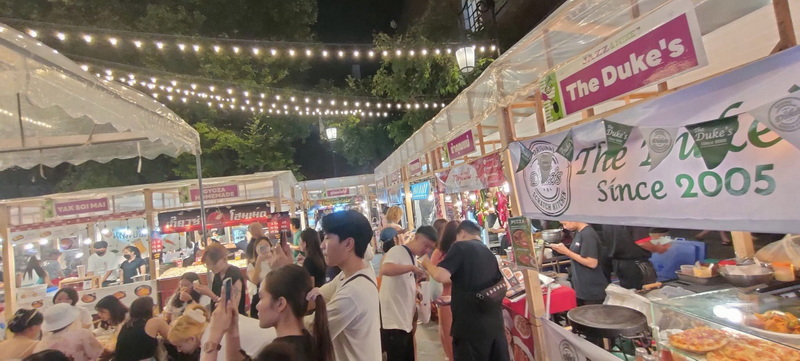
Nimmanhaemin Road is a lively neighborhood known for its modern cafes, art galleries, and trendy boutiques. It offers a contemporary cultural experience that contrasts with the spiritual calm of Umong Temple. This area is popular among both locals and tourists for its creative vibe and vibrant social scene, providing an engaging space to explore after a day of temple visits.
Why This Place Stays With You
Visiting Umong Temple invites travelers into a sacred world where history, spirituality, and nature converge. Whether you choose the intimacy of a private tour Chiang Mai city or the convenience of a Chiang Mai day tour, the temple’s peaceful atmosphere and profound heritage offer a meaningful experience. Nearby attractions like Wat Jed Yod and Nimmanhaemin Road further enrich your journey, blending spiritual reflection with cultural discovery. This combination ensures that your visit to Umong Temple is not only an exploration of one of the most sacred temples in Chiang Mai but also a thoughtfully balanced encounter with the city’s rich cultural tapestry.
ไม่มีความคิดเห็น:
แสดงความคิดเห็น