A Regional Visitor Guide to Singha Park and Chiang Rai Tours
Plan a relaxed Chiang Rai itinerary that connects a landscaped park with nature, local life, and evening city experiences.

A visit to Singha Park is best understood as one part of a wider Chiang Rai itinerary rather than an isolated stop. In Mueang Chiang Rai District, the attraction combines open agricultural scenery, landscaped grounds, viewpoints, and outdoor spaces that invite visitors to move at an unhurried pace. The experience is more about observing the setting and choosing a few areas to explore than trying to cover every corner in a short time. For first-time visitors, this makes the park a useful anchor for regional travel. It can fit into a day organized around countryside scenery, or form one stop on a broader route through Chiang Rai Thailand. A thoughtful plan also leaves room for the character of the city and the natural landscape beyond it. This Singha Park Visitor Guide explains what to expect, how to think about Chiang Rai Tours, and why nearby places such as Lam Nam Kok National Park and Chiang Rai Walking Street can give a short trip more variety. The practical principle is simple: allow enough time for changing scenery, check current operating information before departure, and treat the park and surrounding communities with care. Conditions, access arrangements, and seasonal features can change, so flexible planning is more reliable than depending on a fixed assumption.
What the Park Experience Feels Like
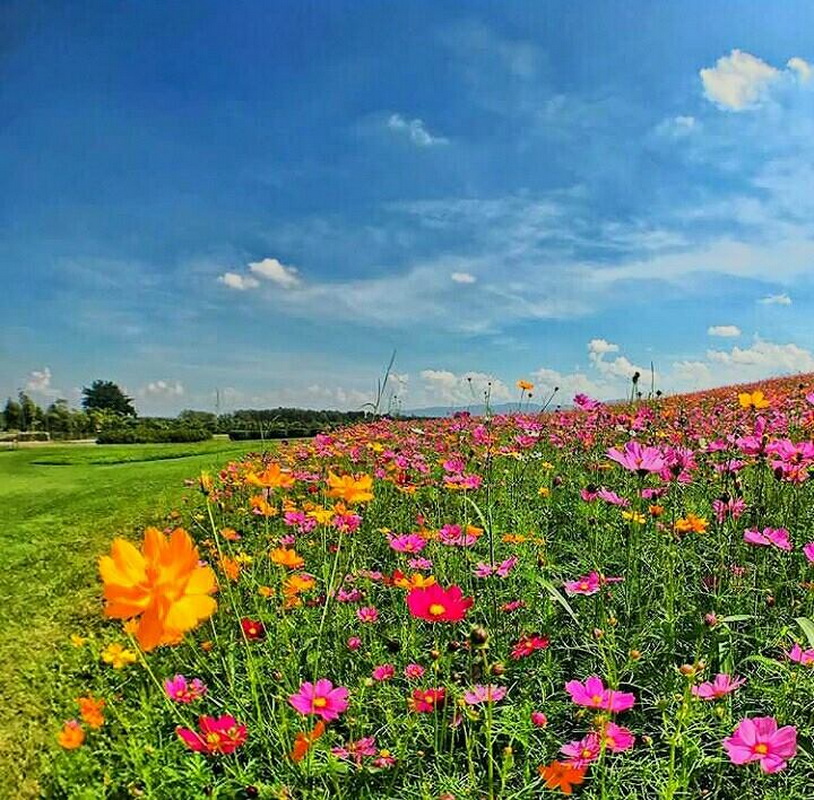
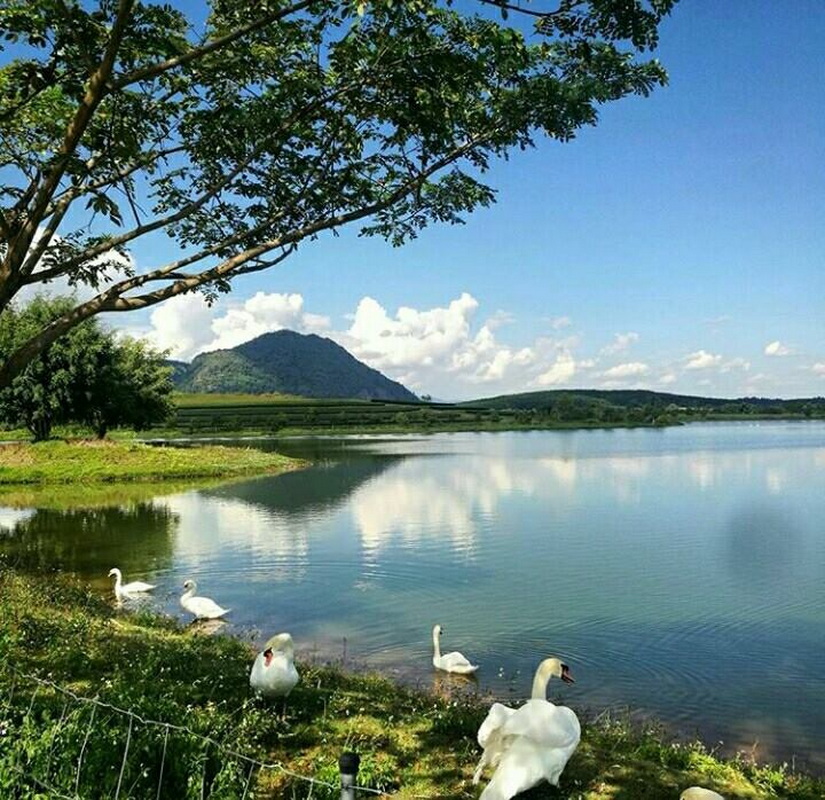
Singha Park is associated with broad green spaces and an agricultural landscape rather than a dense collection of indoor exhibits. Visitors may encounter planted areas, cultivated scenery, open roads, and viewpoints that create a sense of distance from the built-up parts of Chiang Rai. The visual experience changes with the weather and season, so the same route may feel different under clear skies, soft morning light, or a cooler afternoon.
The park is suitable for travelers who enjoy taking photographs, noticing landscape details, and pausing between planned stops. It is not necessary to approach the visit as a demanding activity. Comfortable clothing, sun protection, drinking water, and footwear suited to walking are sensible choices. Because some areas may be spread apart, visitors should confirm available transport arrangements and access conditions locally rather than assuming that every facility operates in the same way throughout the year.
A respectful visit also means staying on designated paths where provided, avoiding damage to crops and plants, and carrying rubbish to the appropriate disposal point. Agricultural attractions are working landscapes as well as leisure spaces. Observing from a reasonable distance and asking before photographing people or activities helps preserve a considerate relationship with the local environment.
Building Singha Park into a Chiang Rai Route
When planning a route, begin with the experience you want from the day. A countryside-focused itinerary can place Singha Park alongside another nature-oriented stop, while a mixed itinerary can pair the park with a later visit to the city. The order depends on your accommodation, transport, weather, and the current opening information for each location. Rather than filling every hour, leave a buffer for road conditions, meals, and unplanned pauses.

Travelers using organized Chiang Rai Tours should ask what is actually included in the itinerary. Important questions include how long the group remains at the park, whether the guide accompanies visitors throughout the grounds, whether transportation between separated areas is provided, and whether other stops are fixed or flexible. These details affect the experience more than the label of the tour itself. A clear itinerary also helps prevent rushed visits and makes it easier to choose clothing and equipment for the day.
Independent travelers can use the same questions when creating a self-guided plan. Confirm the location before setting out, allow extra time for navigation, and check whether seasonal events or temporary closures affect access. A private vehicle, hired driver, or local transport arrangement may offer different levels of flexibility, but visitors should verify terms directly and avoid assuming that a particular service is always available. Keeping one or two optional stops in reserve is useful when weather changes.
Choosing the Right Tour Style
A short regional tour can work well for visitors staying in Chiang Rai who want an introduction to the surrounding countryside without planning every transfer themselves. These tours often make the most sense when the route includes several places with a manageable geographic relationship. Read the description carefully, because a tour that mentions Singha Park may provide only a brief photo stop, while another may allow more time for walking and scenery.
Visitors arriving from Chiang Mai may see the park included in longer Chiang Rai day-trip routes. This option can be convenient, but the travel time between the two cities means the day may feel full. Before booking, check the total time on the road, the number of scheduled stops, meal arrangements, group size, and the languages offered by the guide. A realistic plan is more valuable than an itinerary with an unusually large number of attractions.
Families and travelers with limited mobility should ask about walking distances, rest opportunities, and the surfaces used between points of interest. People traveling with children may prefer a route that leaves room for breaks instead of one organized around constant movement. Nature-focused travelers may value slower observation, while culture-focused visitors may prefer to combine the park with an urban evening. Matching the tour structure to your energy and interests creates a more comfortable visit.
Practical Considerations for a Comfortable Visit
Weather is an important part of planning in northern Thailand. Sun, heat, rain, and seasonal haze can all influence visibility and comfort. Check a current forecast and prepare for changing conditions rather than relying on one expected temperature. Light layers, a hat, sunscreen, and rain protection can be useful, while a refillable water bottle reduces unnecessary plastic waste where refill facilities are available.
Photography is naturally part of the appeal of an open landscape, but visitors should remember that attractive viewpoints may also be working areas or shared public spaces. Stay clear of vehicles and equipment, do not enter planted areas without permission, and avoid blocking roads or paths while taking pictures. If animals are present, follow posted guidance and do not feed or approach them unless an authorized activity specifically permits it.
Before departure, check current information from official or local sources for opening arrangements, seasonal activities, transport access, and any weather-related changes. Information found in older travel posts may no longer apply. This habit is particularly important for travelers building a tight day trip, because a small change in access can affect every later stop.
Why Include the Park in a Wider Chiang Rai Visit
Singha Park adds a landscape-based perspective to a trip that might otherwise concentrate on temples, museums, and city streets. Its open setting gives visitors time to notice agriculture, hills, cultivated land, and the relationship between recreation and the local environment. That contrast can make a regional itinerary feel more balanced without requiring a long stay at every attraction.
The wider province rewards travelers who connect places by character rather than simply collecting names. A morning in the countryside, an afternoon shaped by a natural area, and an evening in the city create different rhythms within one trip. This approach is also useful for visitors comparing Chiang Rai with other northern destinations: the appeal lies not only in individual sights, but in how the landscape, local commerce, and cultural life fit together.
For a first visit, keep the plan selective. Two or three meaningful stops may provide a better understanding of the area than a crowded schedule. Note which places deserve more time, and leave some experiences for a future return. A flexible itinerary also supports responsible travel by reducing pressure to rush through communities and natural spaces.
Nearby Attractions
Lam Nam Kok National Park
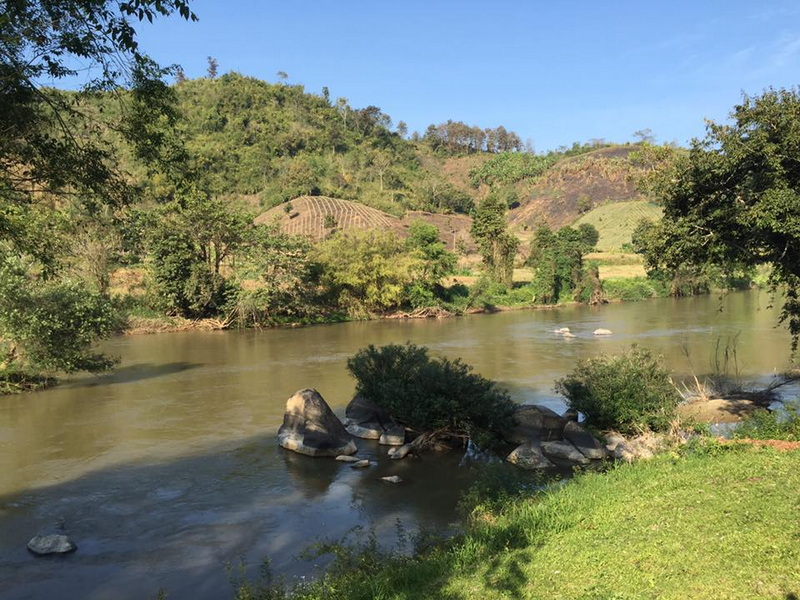
Lam Nam Kok National Park offers a natural counterpoint to the cultivated and landscaped setting of Singha Park. The park area is associated with forest, waterways, hills, and outdoor environments in the Kok River region. Conditions and access can vary by site and season, so visitors should obtain current local information before choosing a particular trail, picnic area, or viewpoint.
When combining the two places, allow time for transport and avoid treating a national park as a quick photograph-only stop. Follow marked routes, respect restrictions, carry waste out when appropriate, and be mindful of weather. The landscape is a living habitat, so quiet observation and staying within permitted areas are more appropriate than seeking close contact with wildlife.
Chiang Rai Walking Street
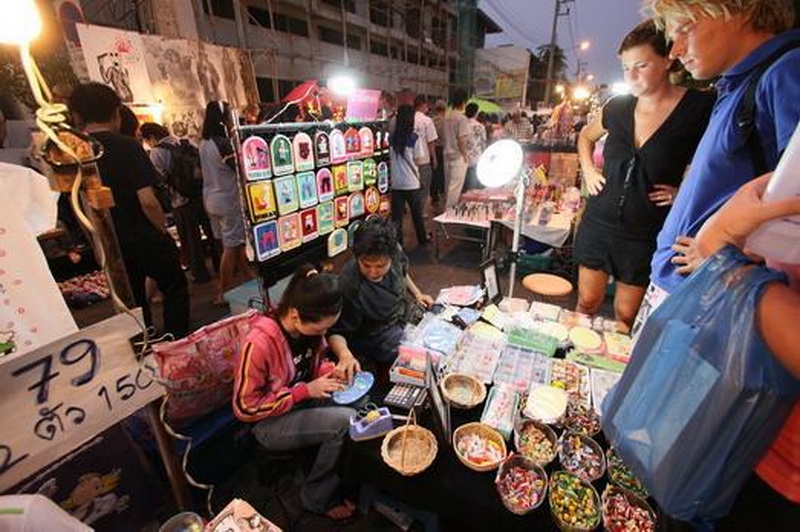
Chiang Rai Walking Street provides a contrasting evening experience, with pedestrian-oriented areas, local food, crafts, and social activity when the market is operating. It is a place to observe everyday urban life and support small vendors through considerate purchases. Market arrangements can change by day or season, so confirm current timing before making it the fixed final stop of a tour.
Visitors should move patiently through crowded sections, ask before photographing sellers or performers, and carry small reusable bags where practical. Sampling local food can be part of the experience, but travelers with dietary restrictions should communicate clearly and recognize that preparation practices differ between stalls. A visit here adds a city-based layer to a day otherwise shaped by open countryside.
Why This Place Stays With You
Singha Park works well in a Chiang Rai itinerary because it offers a slower, open-air experience that complements the province’s urban and natural attractions. Use current information to confirm access, choose a tour or transport plan that matches your pace, and leave space for weather and travel time. Pairing the park with Lam Nam Kok National Park or Chiang Rai Walking Street can create a varied day without making the schedule unnecessarily crowded. With considerate behavior and realistic planning, visitors can experience the scenery while gaining a broader sense of Chiang Rai Thailand.