Queen Cham Dhavi Monument and the Meaning of Phra Nang Chamthewi Statue
A respectful guide to Lamphun’s royal heritage, cultural meaning, and thoughtful day-trip planning from Chiang Mai
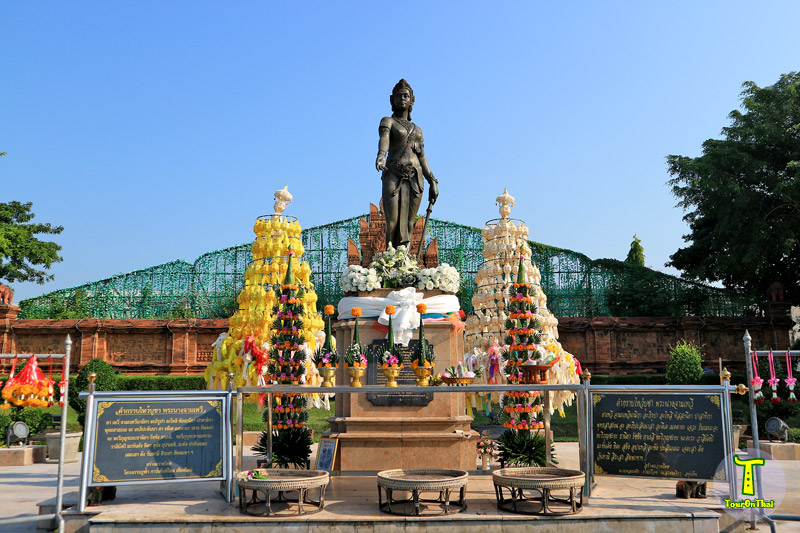
In Mueang Lamphun District, Lamphun, the Phra Nang Chamthewi Statue offers a focused encounter with one of northern Thailand’s most important historical figures. The monument is associated with Queen Chamthewi, also known as Queen Camadevi, a ruler remembered in local history and tradition as the first monarch of Hariphunchai. For visitors, the statue is more than a stopping point for photographs: it is a place to consider the historical memory, religious traditions, and civic identity connected with Lamphun. The Queen Cham Dhavi Monument fits naturally into a cultural day trip from Chiang Mai, especially for travelers who want to see heritage sites at a measured pace rather than move quickly between famous landmarks. Its importance is best understood alongside Lamphun’s temples and old-city atmosphere. A visit does not require an elaborate interpretation, but it benefits from quiet observation, respectful behavior, and an awareness that the stories surrounding Camadevi combine historical tradition, local belief, and enduring community respect.
Reading the Statue as a Cultural Landmark
The Phra Nang Chamthewi Statue presents Queen Chamthewi in a formal, dignified manner suited to her standing in Lamphun’s cultural memory. Like many public monuments honoring revered leaders, it provides a recognizable focal point for remembrance and civic identity. The image is not simply a decorative representation of a historical person. It connects the present-day city with stories about Hariphunchai, an early polity whose legacy remains central to the identity of Lamphun.
Visitors may encounter several spellings of the queen’s name, including Chamthewi, Cham Dhavi, and Camadevi. These variations reflect differences in transliteration rather than separate historical figures. The names Queen Camadevi and Camadevi are especially common in English-language discussions of Lamphun’s past. Using the local name carefully is a small but meaningful part of approaching the site with respect.
The monument is most rewarding when viewed as part of a living cultural landscape. People may visit to pay respects, learn about local history, or include the site in a broader journey through northern Thailand. The appropriate response is not to treat the statue as an exotic curiosity, but to recognize its continuing significance for the people and traditions of Lamphun.
Queen Camadevi and the Hariphunchai Tradition
Queen Camadevi is traditionally associated with the establishment and early development of Hariphunchai, the ancient kingdom centered on present-day Lamphun. Accounts of her life appear in northern chronicles and local traditions, where she is remembered as a capable ruler connected with the growth of the city and its religious foundations. The details of these accounts belong partly to historical tradition and partly to legend, so visitors should avoid assuming that every narrative detail has the same status as documented history.
Her importance extends beyond the idea of a royal founder. Queen Camadevi represents a period when political authority, Buddhist institutions, settlement, craftsmanship, and regional exchange were closely connected. Lamphun’s heritage reflects layers of Mon, Lanna, and wider northern Thai history, and the queen’s story helps introduce that complexity. The Camadevi Monument therefore acts as a doorway into questions about how communities preserve the memory of their origins.
The statue also carries significance as an image of female leadership. In a historical landscape often described through kings, dynasties, and military events, Queen Chamthewi provides a different emphasis. Her traditional legacy invites attention to governance, religious patronage, and the role of women in regional history. A respectful interpretation does not need to turn her into a modern symbol detached from context; it can acknowledge both the strength of her cultural memory and the limits of what can be established about early chronicles.
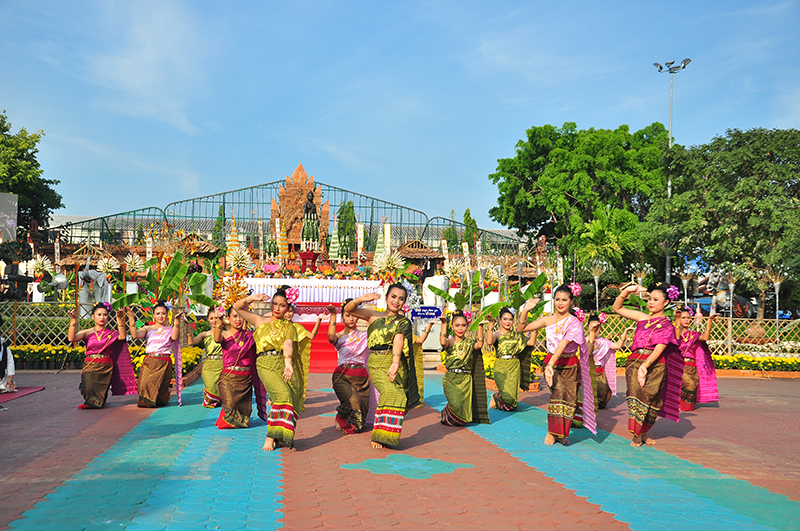
For travelers, this distinction creates a more thoughtful experience. The Queen Camadevi Statue can be appreciated as a monument shaped by belief, history, and community remembrance at the same time. Reading it in that way allows the visit to remain meaningful without forcing a single explanation onto a complex past.
Including the Monument in a Chiang Mai Package Tour
A Chiang Mai Package Tour can provide a practical framework for travelers who want to connect northern Thailand’s major urban center with Lamphun’s quieter heritage setting. Rather than viewing the statue as an isolated attraction, consider it one cultural stop within a day devoted to the historical character of the region. This approach leaves room for reflection and helps prevent the visit from becoming a rushed checklist item.
When discussing a tour or planning a private day out, the most useful questions concern cultural focus and pace. Travelers can look for an approach that allows time to understand the Queen Cham Dhavi Monument, visit nearby religious sites, and observe local customs. Since package contents vary, it is sensible to confirm the intended attractions and the amount of time allocated for cultural visits instead of assuming that every Chiang Mai program offers the same experience.
Lamphun works well as a complementary destination because its heritage has a distinct identity. Chiang Mai is widely recognized for its Lanna history and temple culture, while Lamphun offers an earlier Hariphunchai perspective that broadens an understanding of northern Thailand. Combining the two does not mean treating one city as merely an extension of the other. It allows travelers to notice continuities and differences in architecture, religious practice, urban memory, and regional history.
A thoughtful itinerary should also protect the quality of the visit. Avoid scheduling too many unrelated stops around the monument, and allow time to pause before moving on. Even a short visit can be meaningful when the statue is approached as a place of remembrance rather than only as a background for travel photographs.
A Cultural Way to Explore Lamphun Attractions
The wider group of Lamphun Attractions gives context to Queen Chamthewi’s place in the city. Temples, monuments, and old urban areas are not interchangeable sights; each expresses a different part of Lamphun’s heritage. Some emphasize religious continuity, while others preserve stories of historical figures or regional communities. Linking them through a common theme of memory makes the day more coherent than simply collecting photographs.
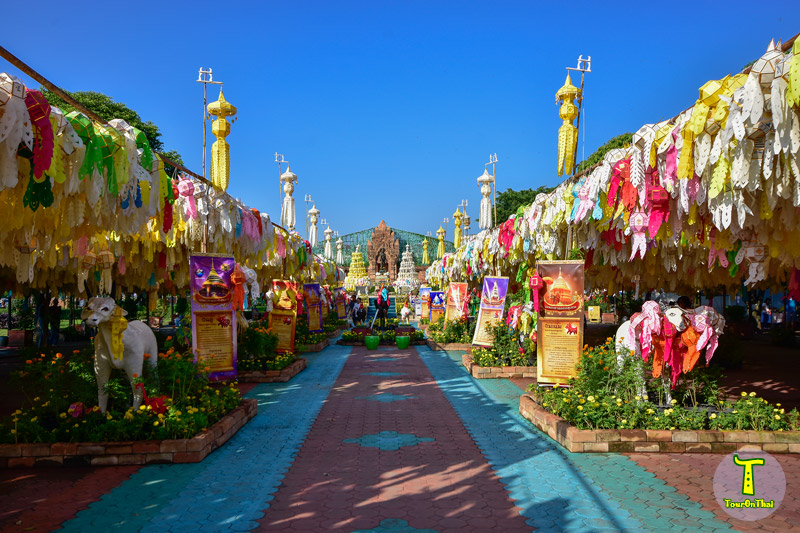
Wat Chamadevi is particularly relevant to visitors interested in the queen and the early history of Lamphun. The temple is associated with the city’s Hariphunchai heritage and is widely known for its distinctive historic religious architecture. Its presence helps visitors understand that Queen Camadevi’s legacy is connected not only with a public statue but also with sacred places and long-standing traditions. Visitors should dress appropriately, speak quietly, and follow any signs or guidance within the temple grounds.
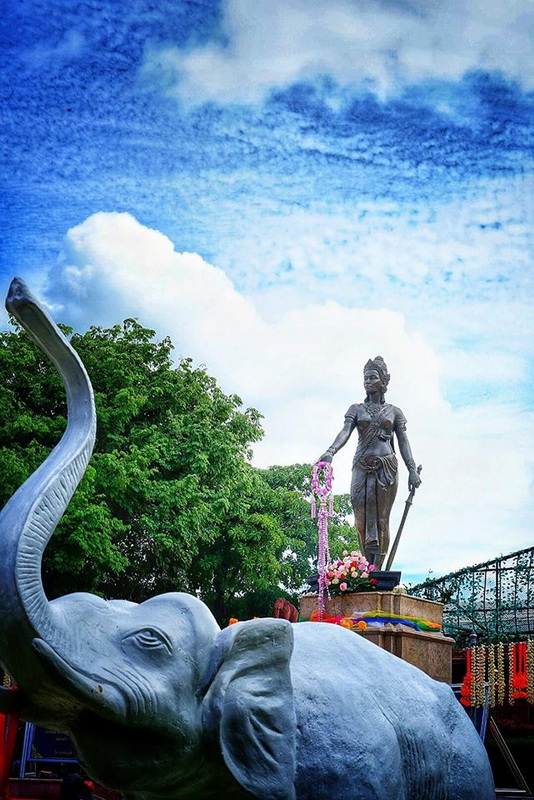
Wat Phra Yuen adds another dimension to a heritage-focused visit. Its religious setting and historical character encourage travelers to look beyond the monument’s royal symbolism and consider the continuing role of Buddhism in Lamphun’s cultural landscape. The temple can be approached as a place of worship first and a tourist attraction second. That distinction supports more responsible travel and helps preserve the calm atmosphere valued by worshippers.
Together, these sites show why Lamphun is more than a brief excursion from Chiang Mai. The city’s attractions form a network of historical and religious references, with Queen Camadevi serving as one of the most recognizable points of entry. Travelers who take time to notice the relationship between monuments and temples will gain a fuller impression of the city’s identity.
Practical Respect at the Queen Camadevi Statue
The most important preparation for visiting the Camadevi Statue is cultural awareness. Observe how local visitors behave, keep conversations considerate, and avoid climbing on or touching the monument unless clearly permitted. If people are making offerings or paying respects, give them space and do not photograph private acts of devotion without permission. These simple choices acknowledge that the site has meaning beyond sightseeing.
Photography can be part of a visit, but it should not dominate the experience. Take a moment to observe the statue’s posture, setting, and relationship with the surrounding public space. Notice how a monument can shape the way a city remembers its past. If an image includes worshippers or local residents, ask before taking a close portrait, particularly when the person is engaged in a ceremony.
It is also useful to approach historical information with humility. English-language descriptions may simplify local traditions, while different sources may present Queen Chamthewi’s story in different ways. Treat the monument as an invitation to learn rather than as proof of every detail in a single account. This attitude is especially valuable at heritage sites where history, religious belief, oral tradition, and civic pride overlap.
For culture-focused travelers, the best visit may be the quietest one. A few attentive minutes at the monument, followed by respectful exploration of nearby temples, can offer more insight than a hurried route through many locations. The experience is grounded in attention: to place, to people, and to the continuing value of Lamphun’s heritage.
Nearby Attractions
Wat Chamadevi
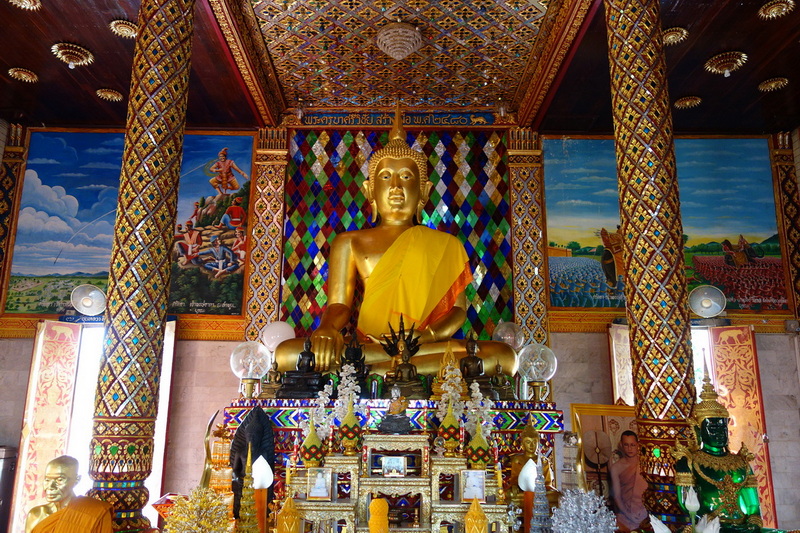
Wat Chamadevi is a natural companion to the monument because it connects Lamphun’s present-day cultural landscape with the heritage traditionally associated with Hariphunchai. Its historic religious setting provides a deeper context for understanding why Queen Camadevi remains important in local memory. Visitors should enter with the same care expected at any active temple: dress modestly, behave quietly, and be attentive to worshippers and temple guidance.
The visit is most useful when approached as an opportunity to observe continuity rather than simply admire an old structure. Religious practice, architecture, and local history meet here, helping travelers see how the queen’s story exists within a wider sacred landscape.
Wat Phra Yuen
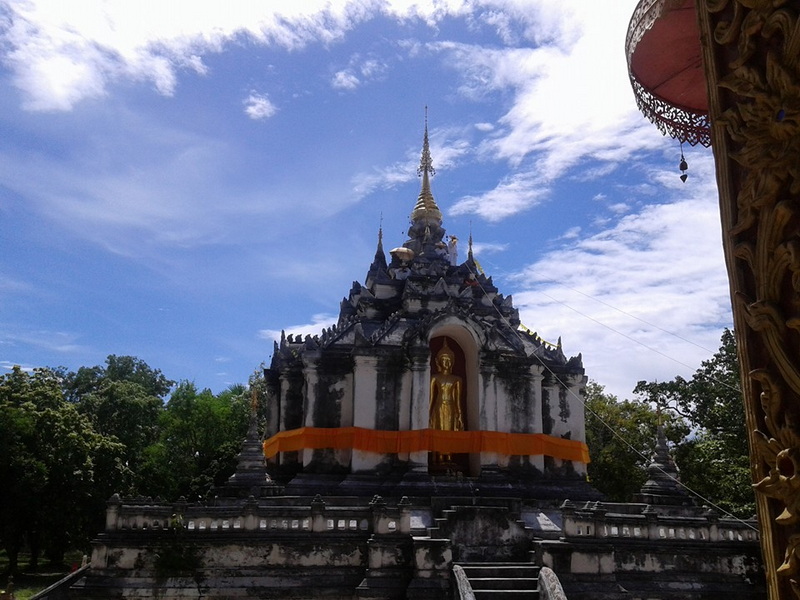
Wat Phra Yuen adds a calm religious and historical dimension to a Lamphun heritage visit. Its temple environment encourages visitors to consider the role of Buddhism in shaping the city’s identity across generations. The site is best experienced respectfully, with attention to whether ceremonies or acts of devotion are taking place.
Placed alongside the Phra Nang Chamthewi Statue and Wat Chamadevi, Wat Phra Yuen helps create a balanced understanding of Lamphun. The journey moves from the memory of a revered ruler toward the continuing religious life of the community, showing that heritage is not confined to the past.
Why This Place Stays With You
The Phra Nang Chamthewi Statue offers a clear starting point for understanding Lamphun through Queen Camadevi’s enduring cultural legacy. Its meaning becomes richer when considered with Wat Chamadevi, Wat Phra Yuen, and the wider heritage of the city. Whether included in a Chiang Mai Package Tour or planned as an independent cultural visit, the monument rewards patience and respect. Approach it as a place of remembrance, listen carefully to the traditions surrounding it, and allow Lamphun’s layered history to shape the journey.
ไม่มีความคิดเห็น:
แสดงความคิดเห็น