Baan Huai Kung Through Limestone and Forest
A cave-led reading of karst, forest transitions, village life, and cultural meaning in Mae Hong Son
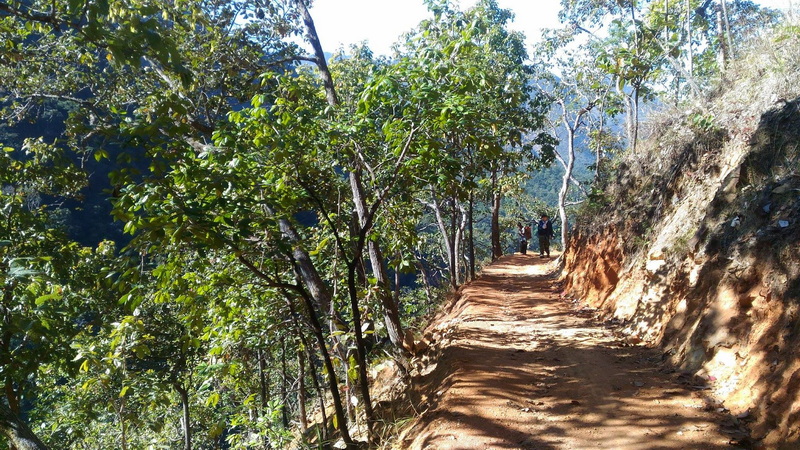
The most revealing way to think about Baan Huai Kung is to start beneath the canopy, where pale limestone, damp air, and shadow change the character of a walk. Around Ban Huai Kung in Mueang Mae Hong Son District, Mae Hong Son, the move from forest floor to cave entrance creates a sequence of small environmental changes: sunlight weakens, surfaces become slicker, sound travels differently, and the ground demands closer attention. These details give Cave And Jungle Trekking Mae Hong Son its strongest identity. The experience is shaped by karst terrain and living habitats before it becomes a cultural excursion. That natural setting also leads toward Ban Huay Kung, a settlement associated with Karen communities and with the phrase Karen Long Neck, a term that requires careful use. Cultural identity cannot be reduced to one visible custom or a travel label. A fuller visit considers geology, plants, water, homes, memory, and the choices of the people who live in this landscape. Read in that order, the area becomes easier to understand: first as a connected cave and jungle environment, then as a village setting, and finally as a place where cultural context adds depth to the terrain.
Limestone Gives the Landscape Its First Language
Karst landscapes are shaped by the long interaction of soluble rock and water. Rain enters cracks in limestone, follows weaknesses in the stone, and gradually enlarges passages below the surface. The result may be a shallow hollow, a narrow opening, or a darker chamber whose form cannot be understood from the entrance alone. At Ban Huai Kung, this geological background offers a useful way to observe the surroundings without assigning unsupported names or stories to individual caves.
Look closely at the rock instead of expecting a dramatic landmark. Mineral surfaces may show differences in colour and texture. Water marks can indicate where runoff has travelled, while damp patches reveal areas that retain moisture for longer periods. Uneven shelves and broken edges record weathering over time. A cave entrance often feels like a boundary between two climates: the outer forest responds to sun and wind, while the interior holds cooler, stiller conditions.
These changes make the terrain valuable for patient observation. A visitor may notice the forest brightening behind them, the sound of footsteps becoming more pronounced, or a thin film of moisture on stone. Such ordinary details explain more about a cave than a grand description does. They also encourage a slower pace, which is appropriate for ground that may be irregular and for rock surfaces that can be easily damaged.
Inside the Dark Zone
Caves are environments of limited light, changing humidity, and restricted energy. Near an opening, plants can take advantage of indirect sunlight, and the influence of the outside forest remains strong. Farther inside, that influence diminishes. Small organisms may depend on organic material carried inward by water, wind, or visiting animals. The transition is gradual, so the entrance zone can be ecologically different from both the open jungle and the deeper darkness.
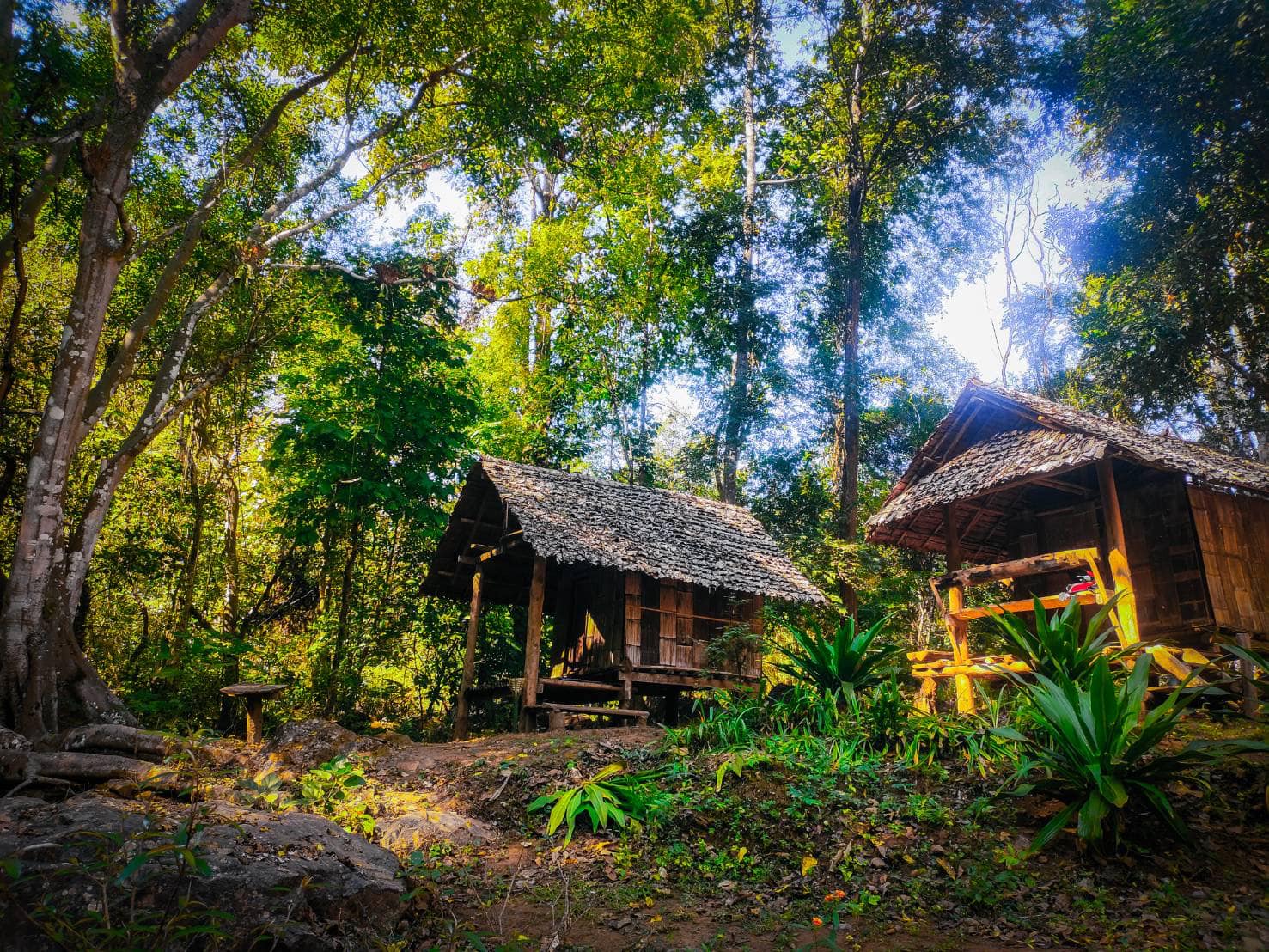
Moisture is one of the clearest features to notice. Dripping water, wet walls, and mud may alter the texture of the floor from one short stretch to the next. Water also transports fine sediment and leaves marks on stone. Tiny crevices can provide shelter for insects and other cave-associated life, even when nothing is immediately visible. Darkness itself is part of the environment, not an empty space waiting to be filled by artificial excitement.
Low-impact behaviour follows from these conditions. Avoid touching mineral textures simply to test them, since oils from skin can affect delicate surfaces. Keep the route quiet enough for other people and animals to remain undisturbed, and leave stones, plants, and organic material where they are found. A single visit has a small footprint only when attention is matched by restraint. This environmental principle needs to be stated once; the rest of the experience can then remain focused on what the cave reveals.
The Short Distance Between Canopy and Cavern
The character of Cave And Jungle Trekking Mae Hong Son comes from the relationship between exposed and enclosed terrain. Outside, vegetation responds to changing light, rainfall, and slope. Roots cross the ground, leaf litter softens some steps, and open sections allow the eye to follow the shape of the hills. Near a cave, the same forest may feel more concentrated, with rock, shade, and moisture becoming the dominant visual elements.
This transition is worth reading as a continuous system. Rain that falls among trees can travel over the surface, enter cracks, and continue underground. Soil gathered along the route may collect at an opening, while fallen leaves contribute organic matter to damp hollows. The forest therefore does more than frame the cave; it helps supply the conditions that make the underground environment possible.
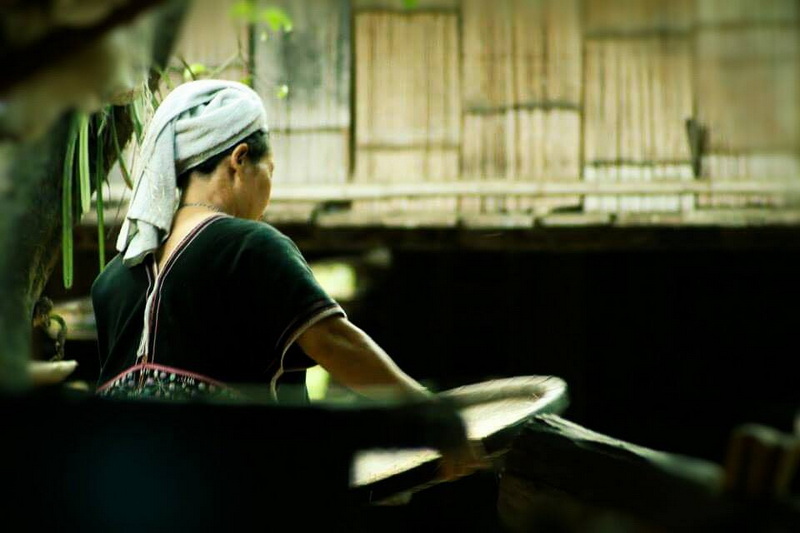
The route also changes the body’s awareness. Brightness can make the entrance appear darker than it is, and eyes need time to adjust. Slopes and irregular stone call for deliberate footing. Echoes may make a nearby sound seem farther away, while a pause outside can reveal insects, moving leaves, or water that were hidden by conversation. These observations create a nature-first experience without requiring a fixed itinerary or a claim that every visit will look the same.
Ban Huai Kung in Its Wider Setting
The settlement known as Ban Huai Kung also appears in different written forms, including Huai Kung Village, Baan Hauy Kung, Huay Kung Village, and Ban Huai Kung Village. These variations reflect the difficulty of representing local place names in another writing system. They refer readers toward the same general cultural landscape, while the spelling itself should not be treated as a substitute for learning about the people who live there.
Village surroundings are connected to the practical geography of the hills. Forests, slopes, water, paths, and cultivated areas influence how people understand distance and movement. A cave may be part of a wider local landscape rather than an isolated attraction, and the meaning of a place can include memories and uses that are not visible during a brief visit. The physical setting is therefore only one layer of Ban Huai Kung.
For travelers, this means that the cave experience and the village context should remain distinct but connected. Rock formations can be examined through geology; community life requires a different kind of attention. Observing the first does not grant automatic insight into the second. A respectful visitor keeps that boundary clear and does not assume that a landscape view explains individual lives.
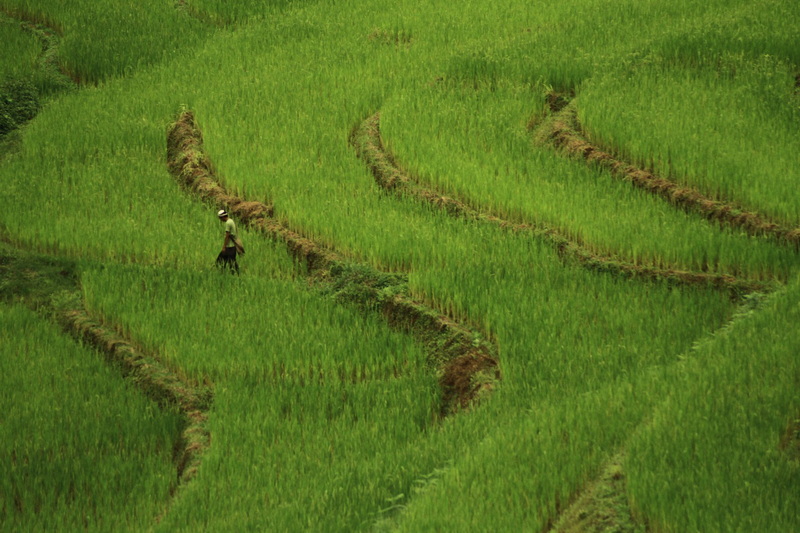
Understanding the Karen Long Neck Term
The phrase Karen Long Neck is commonly used in travel writing to describe a visible tradition associated with brass coils worn by some Karen women. It is a narrow description, however, and should never stand in for a whole community. People have distinct family histories, beliefs, languages, work, and views about how they wish to be represented. The term can help identify a subject of cultural interest, but it does not define every resident of Ban Huai Kung.
Cultural understanding improves when visitors treat residents as people with agency rather than as evidence of an exotic story. Ask before taking a photograph, accept a refusal without pressing for an explanation, and avoid turning clothing or bodily adornment into a spectacle. One clear exchange can be more meaningful than a collection of images made without consent. Curiosity is welcome when it is accompanied by humility and awareness of personal boundaries.
This perspective also changes how the surrounding environment is read. The forest and caves are not a theatrical backdrop for culture, just as cultural identity is not an accessory to a nature walk. Ban Huai Kung contains several kinds of knowledge at once: the physical signs left by water in limestone, the ecological life of shaded spaces, and the histories carried by families. Keeping those forms of knowledge alongside one another produces a more accurate understanding than forcing them into a single story.
Nearby Attractions
Wat Phra That Chom Thong
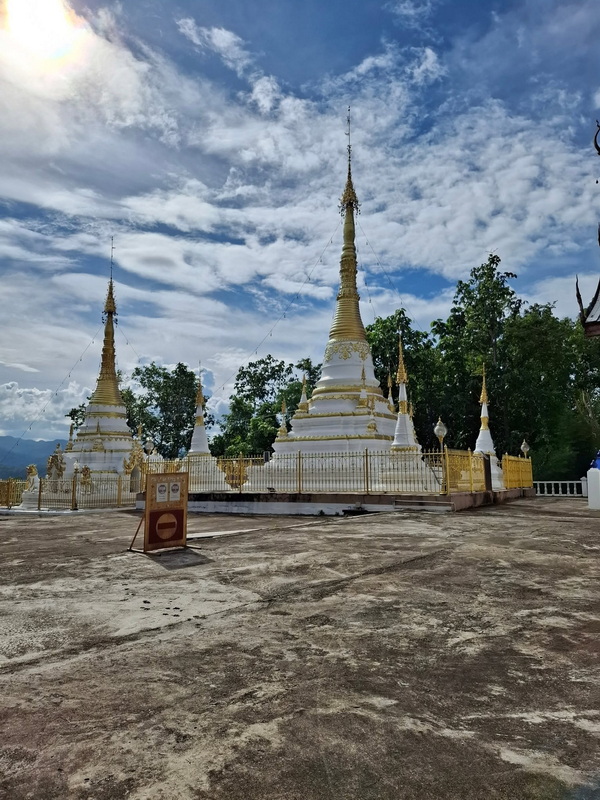
Wat Phra That Chom Thong adds a spiritual dimension to a day centred on karst and forest. A temple should be read through its religious purpose and local significance, with neutral behaviour appropriate to a sacred setting. Its presence broadens the journey from natural processes to places shaped by belief, devotion, and community memory.
The contrast is useful. Limestone records water and time through cracks, deposits, and erosion, while a temple expresses meaning through architecture, ritual, and reverence. Neither needs to be reduced to a backdrop. Together, they show how the wider Mae Hong Son landscape can hold geological and cultural significance in different forms.
Ban Mae Sam Laeb
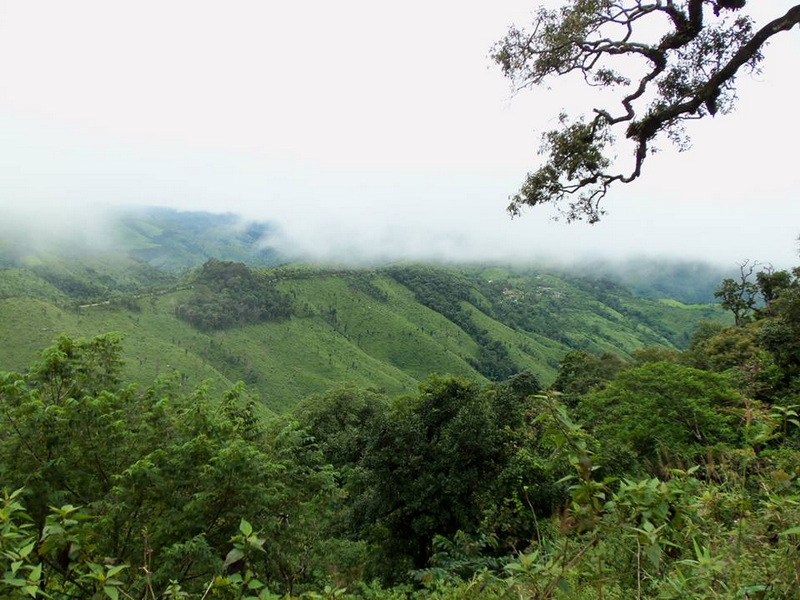
Ban Mae Sam Laeb provides another way to consider how settlement and landscape meet. Its inclusion alongside Ban Huai Kung extends the regional view beyond a single cave environment and invites attention to the communities, waterways, and terrain that shape life in this part of Mae Hong Son.
The connection is best understood as a change in emphasis. Ban Huai Kung encourages close observation of limestone, shadow, moisture, and forest transitions; Ban Mae Sam Laeb adds a broader sense of place and movement through the surrounding region. Holding both perspectives together helps prevent the cave from being treated as an isolated curiosity.
Why This Place Stays With You
Ban Huai Kung rewards a layered reading. Begin with the stone: notice water marks, mineral textures, darkness, and the uneven edge between forest and cave. Then consider the habitat, where moisture and limited light support forms of life that are easy to overlook. From there, place the village and Karen Long Neck context in their proper human dimension, using the term carefully and allowing residents their privacy and choices. Wat Phra That Chom Thong and Ban Mae Sam Laeb widen the setting beyond the immediate karst. The lasting impression is therefore assembled from several kinds of attention—geological, ecological, cultural, and spiritual—rather than from one dramatic scene.