Ban Rak Thai and Guided Tours from Chiang Mai Visitor Guide
A thoughtful route guide to village scenery, cultural context, and nearby Mae Hong Son experiences
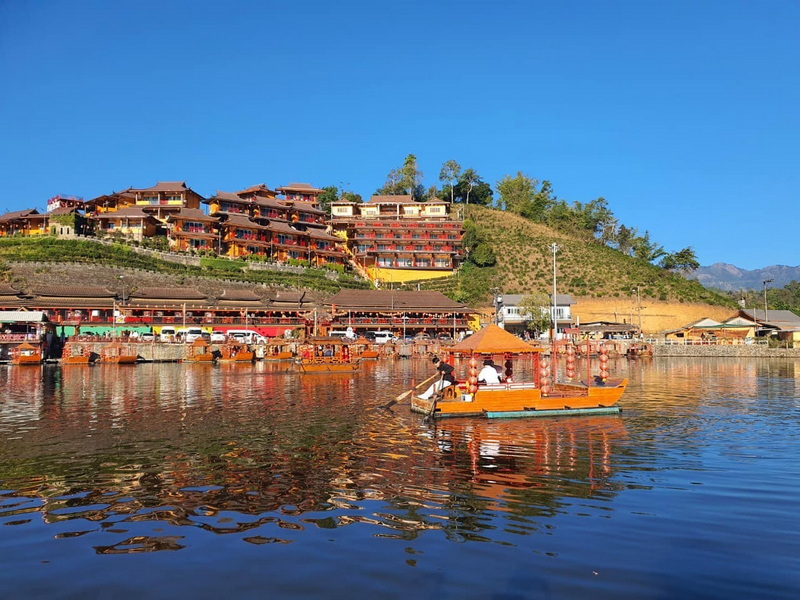
In the highlands of Mae Hong Son Province, Ban Rak Thai presents a travel experience shaped by mountain scenery, tea cultivation, village life, and a distinctive local history. The settlement is often associated with communities of Chinese Yunnanese heritage, and its lakeside setting gives the village a visual character that feels different from Thailand’s larger towns. Rather than being a place to rush through, it rewards visitors who allow time for observation: mist above the water, pathways between homes and tea gardens, and quiet viewpoints across the surrounding hills. For a first-time international visitor, the distance from Chiang Mai is an important part of the story. A journey here is usually better understood as a regional excursion than as a quick urban day outing. This Mae Hong Son Thailand Visitor Guide places Ban Rak Thai within the wider landscape of guided travel, while leaving room for independent planning and respectful contact with the community. It explains what makes the village appealing, how guided routes can frame the experience, and why nearby natural destinations can complement a visit without overwhelming its main character.
Why Ban Rak Thai Stands Out in Mae Hong Son
Ban Rak Thai is located in the mountainous Mueang Mae Hong Son District, in a remote northern part of Thailand near the country’s western border. Its elevation and hills create a cooler, quieter atmosphere than many lowland destinations, particularly during the early morning and the cooler months. The village is arranged around a small lake, with steep green slopes and tea-growing areas adding layers to the landscape. These elements make the destination especially attractive to visitors interested in scenery without separating that scenery from everyday community life.
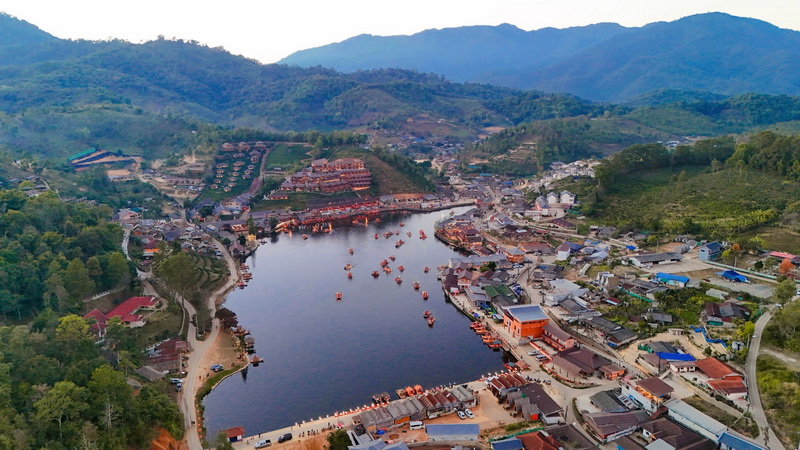
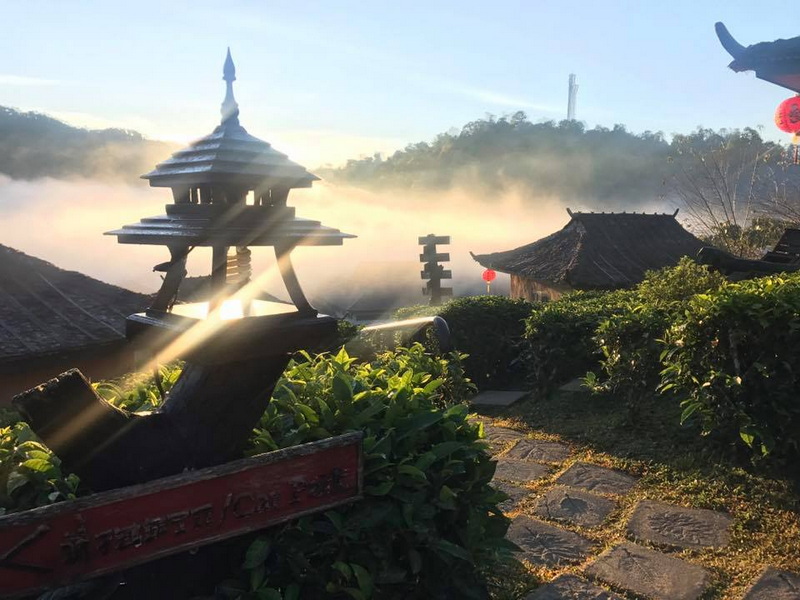
The village’s Yunnanese cultural connections can be seen in food traditions, tea culture, architecture, and aspects of local heritage. Visitors should approach these features with curiosity rather than treating them as a staged spectacle. A simple tea tasting, a walk beside the water, or a meal featuring regional influences can be meaningful when experienced with attention and respect. The name Baan Rak Thai is also used for the village, so visitors may encounter both spellings when reading maps or local information. The most valuable impressions often come from small details: the changing light on the lake, the shape of a tea garden, or the way mountain roads connect communities across the province.
A Ban Rak Thai Travel Guide should therefore set realistic expectations. This is not primarily a destination for a long checklist of formal attractions. Its appeal lies in atmosphere, landscape, and the chance to understand one corner of Mae Hong Son through its setting. Photographs are part of the experience, but visitors can make the trip more rewarding by balancing photography with quiet observation and by remembering that homes, businesses, and community spaces are not automatically public displays.
How Guided Tours from Chiang Mai Can Frame the Visit
Because Ban Rak Thai is far from Chiang Mai and surrounded by winding mountain roads, guided travel can help first-time visitors understand how it fits into a broader Mae Hong Son route. Guided Tours From Chiang Mai To Mae Hong Son may include several regional stops, with Ban Rak Thai presented as one part of a journey through highland landscapes and communities. The exact structure varies by operator and season, so travelers should review the itinerary carefully rather than assume that every tour offers the same amount of time at the village.
A thoughtful guide can add value by explaining geography, local history, and appropriate visitor behavior. They may also help travelers recognize the difference between a scenic viewpoint, a community area, and a private space. This cultural context is particularly useful for visitors who do not speak Thai or who are unfamiliar with rural etiquette in northern Thailand. Interpretation should support the community’s dignity, not reduce local people to an attraction or turn cultural differences into entertainment.
When comparing a guided route, practical questions matter more than promotional language. Check how much of the journey is spent on the road, whether Ban Rak Thai is a central stop or a brief addition, and whether the route allows time for walking and unhurried viewing. Ask about the general level of physical activity, the type of transport, and the season of travel. Mountain weather can affect comfort and visibility, while road conditions may make the journey feel longer than a map suggests. Travelers who prefer a slower pace may find a multi-day regional itinerary more suitable than trying to combine too many distant places.
Independent visitors can use the same principles even when they are not joining a group. Plan around daylight, allow extra time for mountain travel, and confirm current local conditions before setting out. A local guide or knowledgeable driver can be especially helpful for route interpretation, but visitors should still retain responsibility for checking arrangements and respecting community guidance. The goal is not simply to reach Ban Rak Thai; it is to arrive prepared to experience the place without imposing an unrealistic schedule.
A Considered Way to Visit Ban Rak Thai
The most comfortable way to experience the village is to divide the visit into small, unhurried moments. Begin with an overview of the lake and surrounding slopes, then notice how the built environment relates to the terrain. Tea is central to the village’s visitor identity, but it can be appreciated as part of local agriculture and commerce rather than as a souvenir theme alone. If a tea shop or community business welcomes visitors, ask before taking photographs and follow any instructions about where guests may walk.
Food can provide another connection to the area. Yunnanese-influenced dishes and tea-based refreshments are often part of the local visitor experience, although menus and availability can change. Trying regional food respectfully is more valuable than searching for a single ‘must-eat’ item. Travelers should also be considerate of dietary needs, avoid wasting food, and understand that small village businesses may operate differently from restaurants in Chiang Mai.
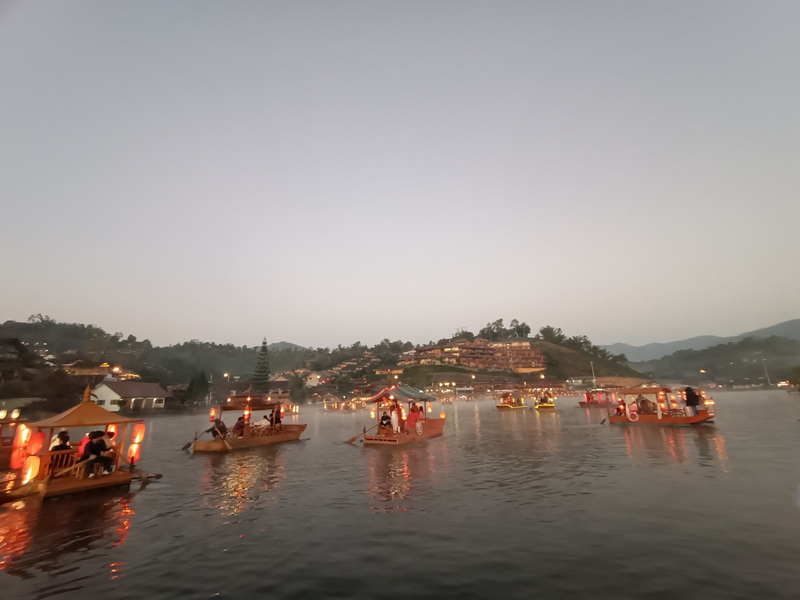
For photography, early and late light can emphasize the lake, hills, and mist, but the best image is not always worth interrupting someone’s routine. Avoid entering homes, gardens, or restricted areas without permission. Dress comfortably and modestly for a rural community setting, keep noise low, and carry rubbish away when suitable disposal is not available. These actions are simple, yet they help ensure that tourism remains compatible with local life.
The phrase Visit Ban Rak Thai can suggest a scenic escape, but the destination is more than a background for photographs. It is a lived-in settlement with residents, businesses, and cultural connections that deserve thoughtful attention. Visitors who learn a little about the area before arriving are more likely to notice its complexity and less likely to expect a theme-park version of village culture. Patience, listening, and a willingness to adapt are useful travel skills here.
Planning a Comfortable Mae Hong Son Journey
The Ban Rak Thai Visitor Guide perspective begins with geography. Roads through Mae Hong Son are known for bends and elevation changes, so people who are sensitive to motion should prepare accordingly and choose transport that feels manageable. Those arriving from Chiang Mai should think about the journey as part of the destination experience, not merely as a transfer between two points. Breaks, water, suitable clothing, and flexibility can make a substantial difference on a long mountain route.
Weather also shapes the character of the village. Cool-season mornings may bring mist and crisp air, while conditions in other periods can be warmer or wetter. Visibility is not guaranteed, and the landscape may look different from one day to the next. Travelers should check current forecasts and local road information before departure, especially when planning to include several highland stops. Comfortable walking shoes are useful because visitors may encounter uneven paths, sloping ground, or damp surfaces.
A balanced itinerary leaves space for the village itself. Rather than collecting every possible viewpoint, choose a few experiences that match your interests: a lakeside walk, time with tea culture, a meal, or a conversation interpreted by a guide. If the journey includes other parts of Mae Hong Son, make sure the schedule does not turn each stop into a rushed photograph. This approach supports better understanding and reduces pressure on both travelers and local communities.
Travelers using organized routes should clarify what is included before departure, including meals, transport arrangements, walking expectations, and the amount of free time. Travelers arranging their own route should verify opening conditions and local access close to the travel date because rural services can change. Neither approach is automatically better. The right choice depends on confidence with mountain travel, language, time available, and the desire for interpretation. In both cases, flexibility is more reliable than assuming that a published plan will unfold exactly as imagined.
Adding Two Highland Perspectives
Ban Rak Thai can anchor a wider Mae Hong Son experience without becoming just one rushed stop among many. Two nearby destinations offer useful contrasts in landscape and pace, provided the route allows enough time for each.
Phu Klon
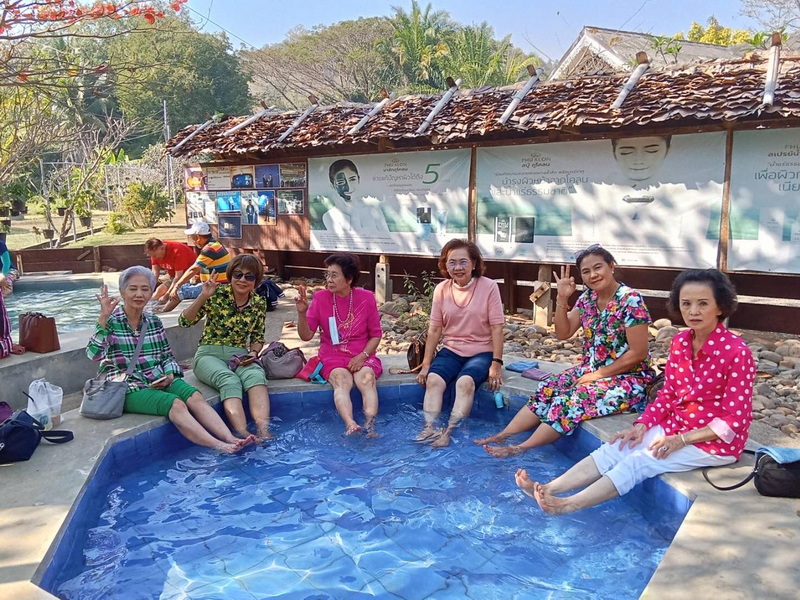
Phu Klon is a natural mud and mineral-spring destination in the Mae Hong Son area, offering a different kind of experience from Ban Rak Thai’s lake and tea landscape. Its mud resources and warm-water setting have made it known as a wellness-oriented stop, though visitors should treat any health or beauty benefit as a matter of personal experience rather than a guarantee. The site can add variety to a regional itinerary for travelers who enjoy natural features and gentle, practical activities.
As with any outdoor stop, conditions and access can vary, so confirm current arrangements before building the day around it. A visit works best when it complements, rather than replaces, time in Ban Rak Thai. Together, the two places show how Mae Hong Son combines highland scenery with distinctive natural resources.
Pang Ung
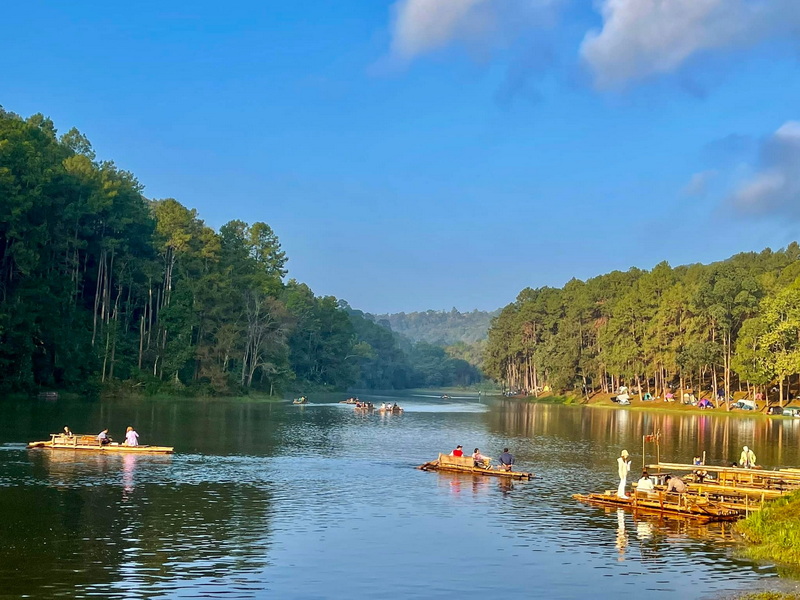
Pang Ung is a scenic highland reservoir area associated with pine trees, cool air, and tranquil water views. Its atmosphere can contrast beautifully with Ban Rak Thai: both are shaped by mountain geography, but Pang Ung places more emphasis on forested scenery and the calm surface of the reservoir. Misty conditions may enhance the mood, although visibility and weather naturally change.
Visitors should follow local instructions, keep noise under control, and avoid treating the landscape as an unlimited photo set. Pang Ung is most rewarding when approached as a protected natural setting where quiet enjoyment matters. Included thoughtfully in a wider Mae Hong Son route, it gives travelers another perspective on the region’s upland environments without competing with the cultural focus of Ban Rak Thai.
Leaving Room for the Place to Speak
Ban Rak Thai is most memorable when visitors look beyond its photogenic lake and recognize the relationship between landscape, local enterprise, cultural heritage, and daily life. Guided travel from Chiang Mai can make the region easier to understand, while independent planning can work well for those prepared for mountain distances and changing conditions. Whether paired with Phu Klon, Pang Ung, or neither, the essential choice is to travel with patience. A slower, respectful visit gives the village space to be experienced as a community rather than consumed as a quick attraction.