Land Split Guided Tours and Visitor Information for Mae Hong Son
A practical introduction to guided visits, local context, and planning resources around Pai District
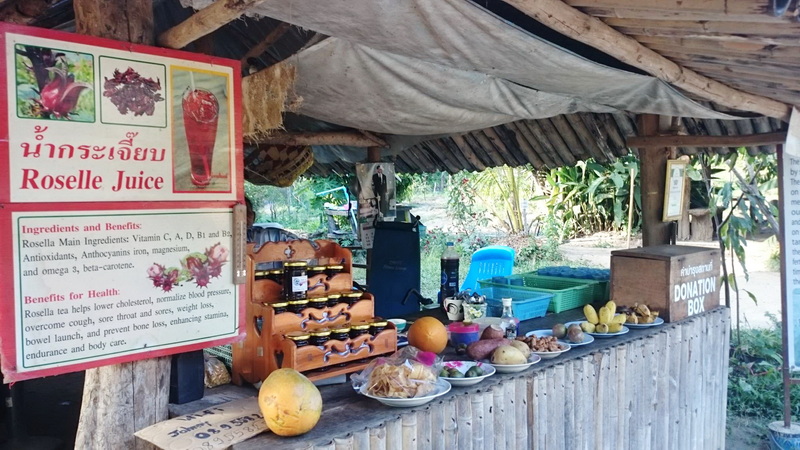
Land Split Pai is a striking geological site in Pai District, Mae Hong Son, where deep cracks divide cultivated land and reveal the effects of shifting ground. The attraction is modest in scale, yet it offers an unusual stop between Pai’s better-known viewpoints, waterfalls, and cultural areas. Its interest comes from observing a real landscape change rather than visiting a purpose-built monument. For first-time international visitors, the main challenge is often not deciding whether to see the site, but understanding how it fits into a wider day. A guide can provide context about the land, explain respectful visitor behavior, and help connect the stop with other places in the Pai area. This article looks specifically at guided tour support and reliable visitor information, rather than presenting a fixed itinerary or promising particular departures. A useful Mae Hong Son Thailand Visitor Guide should help travelers distinguish between general destination information, local interpretation, and services arranged through an operator. That distinction makes planning clearer, especially for visitors considering a longer journey from Chiang Mai or a locally organized excursion after arriving in Pai.
Understanding the Landscape at Land Split
The Land Split is associated with a large ground fissure that appeared in agricultural land near Pai. Over time, the site became known as a natural attraction because the altered surface is visible within an otherwise green rural setting. The contrast is part of the experience: visitors see a working countryside landscape alongside an example of geological change.
This is best approached as an observation stop rather than a conventional park with a long list of facilities. The visible formations invite careful looking, photography, and questions about how land changes through natural processes. Conditions can vary with weather and farming activity, so visitors should remain on appropriate paths, avoid climbing unstable edges, and respect boundaries around cultivated areas.
A guide may add value by placing the fissure within the geography of Pai District. Instead of treating the feature as an isolated curiosity, an informed explanation can connect it to the valley, surrounding hills, seasonal conditions, and the relationship between tourism and local agriculture. Travelers should still regard broad claims about the exact cause or future development of the fissure cautiously unless they come from a qualified local or official source.
What Guided Visits Can Provide
Guided Tours From Chiang Mai To Mae Hong Son can serve different purposes depending on the traveler’s time, preferred pace, and interest in interpretation. Some visitors seek a guide mainly to reduce planning uncertainty across a mountainous region. Others value explanations of landscapes, communities, and local history that are difficult to obtain from a road map alone. Land Split may be included as one stop within a broader Pai or Mae Hong Son program, but inclusion should always be confirmed directly with the provider.
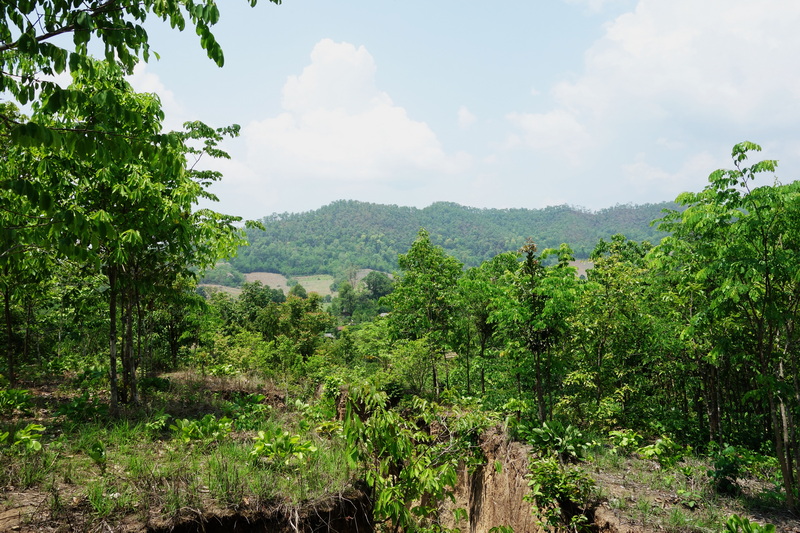
A guide’s practical role can include explaining meeting arrangements, identifying appropriate walking areas, translating basic questions, and helping travelers understand local etiquette. The most useful support is often simple: clarifying whether a site is suitable for a short visit, allowing time for photographs, and making sure the group does not disturb residents or agricultural work. These responsibilities are different from guaranteeing access, weather, or a particular sequence of stops.
Visitors comparing guided options should ask focused questions before confirming. Is Land Split included or merely suggested? How much time is normally allocated for the visit? Does the guide provide geological or local context? Are changes possible if rain affects rural access? Clear answers are more helpful than choosing an excursion solely from a broad title such as a Pai sightseeing tour.
A Chiang Mai Tour Agency may help coordinate regional planning, but agencies vary in the services they provide. Some act as booking intermediaries, while others work with local guides or transport providers. Travelers should check what is actually included, how communication will work during the trip, and whether the operator has current information about access. Neutral, specific questions help prevent misunderstandings without assuming that one type of agency is suitable for everyone.
Using Visitor Information with Confidence
Visitor information is most useful when it combines official destination guidance with current local advice. Tourism offices, established destination information channels, and responsible local operators can help travelers understand regional geography, cultural expectations, and attractions that work well together. Maps and online descriptions are useful starting points, but they may not reflect temporary agricultural activity, rainfall, road conditions, or changes in access.
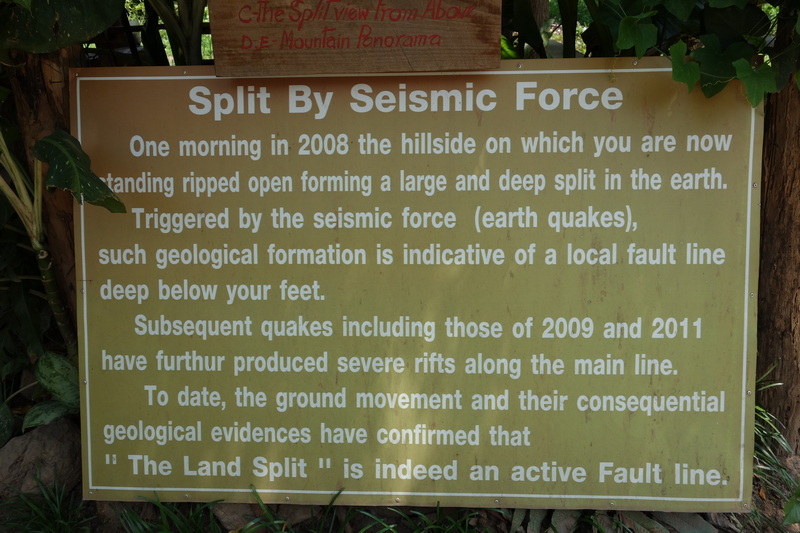
A practical Land Split Travel Guide should therefore encourage flexible planning. Before leaving Pai, confirm the location, approximate visit conditions, and whether the site is appropriate for the group’s mobility needs. Comfortable shoes, sun protection, drinking water, and weather-appropriate clothing are sensible for an outdoor rural stop. Visitors should also allow enough time to look carefully rather than rushing through for a single photograph.
The phrase Land Split Mae Hong Son describes both a geological attraction and a place connected to a living local landscape. That distinction matters. Travelers are guests in an agricultural area, not simply spectators at an attraction. Keeping voices moderate, following signs or guidance, avoiding litter, and asking before photographing people or private property are small actions that support respectful tourism.
Independent travelers can use visitor information to build their own sequence, while guided travelers can use it to evaluate whether an offered plan matches their interests. In either case, the strongest resource is current and transparent information: what is known, what may change, and which decisions remain the visitor’s responsibility.
Choosing the Right Level of Tour Support
Not every visitor needs the same kind of assistance. A traveler already staying in Pai may prefer a locally arranged half-day outing or a guide for interpretation at selected sites. Someone arriving from Chiang Mai may find broader regional support useful, particularly when the journey involves several destinations and requires coordination across a mountainous province. The important question is whether the service solves a real planning need.
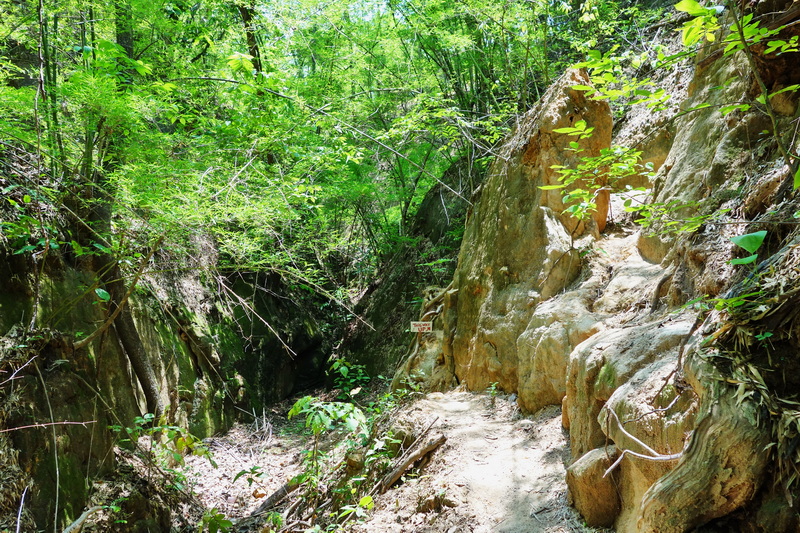
For a first visit, look for a provider that communicates clearly about route flexibility, guide language, site conditions, and the difference between confirmed services and suggestions. Reviews can offer clues about communication and organization, but they should not replace direct confirmation. Availability, weather, seasonal access, and community activities can change, so no general description should be treated as an exact schedule.
The best guided experience around Land Split Thailand is usually one that leaves room for observation and context. A rushed stop can reduce the site to a photo opportunity, while an overly ambitious day can make the landscape feel like another item on a checklist. Asking for a balanced pace allows the geological feature, the countryside, and nearby Pai experiences to make sense together.
Whether travelers choose a local guide, a regional operator, or self-directed planning, visitor information should increase confidence rather than remove personal judgment. Read the conditions, respect local guidance, and keep expectations realistic. Those habits are particularly valuable in Mae Hong Son, where natural settings and rural communities are central to the character of the journey.
Extending the Visit Beyond the Fissure
Land Split makes most sense when considered alongside the varied settings of Pai rather than as an isolated photo stop. Two nearby points of interest offer contrasting ways to continue the day, one centered on local activity and the other on open scenery.
Pai Walking Street
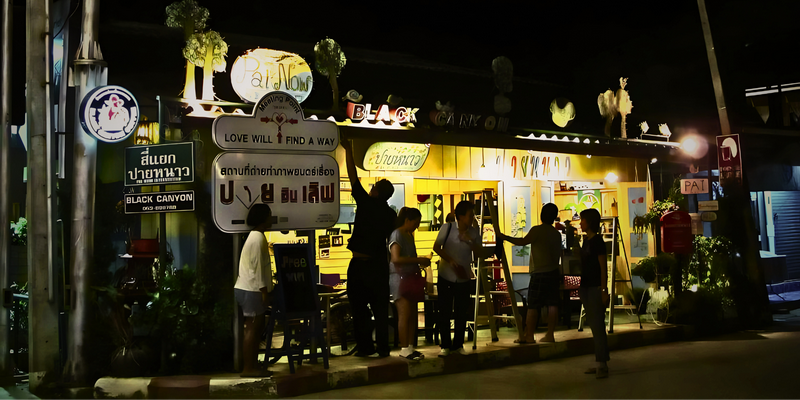
Pai Walking Street provides a very different setting from the quiet agricultural landscape around Land Split. In the evening, the central area is associated with food stalls, small shops, and a lively pedestrian atmosphere. Visiting it after a rural outing can help travelers see how Pai combines tourism with local commerce, although the mood and level of activity may vary by season and time of day.
A guide can offer useful orientation about respectful shopping and dining without turning the market into a staged cultural display. Visitors should allow room for ordinary browsing, ask permission before photographing people, and remember that vendors and residents are carrying out daily work. The walking street is best treated as a place to explore at an unhurried pace rather than as a guaranteed list of specific stalls or performances.
Pai Canyon
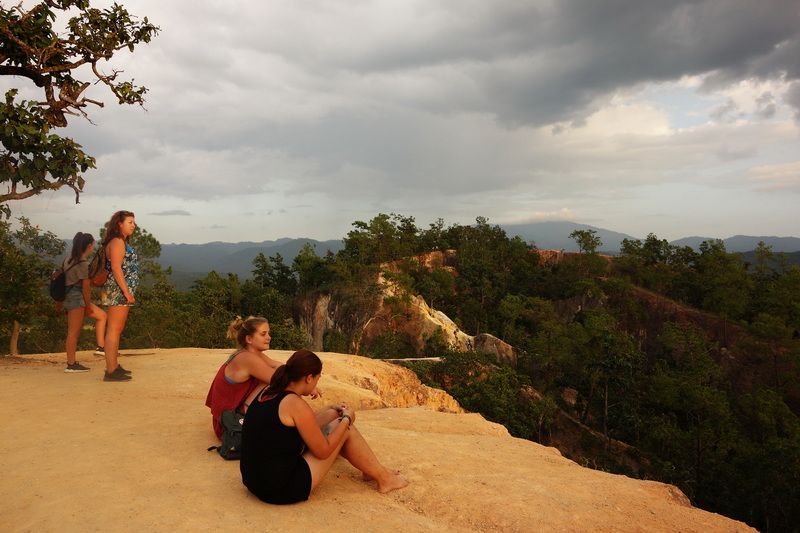
Pai Canyon adds a scenic viewpoint and walking experience to a visit centered on Land Split. Its narrow ridges, exposed earth, and elevated views create a strong contrast with the cultivated valley landscape. Some sections can be uneven, steep, or exposed, so visitors should judge conditions carefully and remain within areas they can navigate safely.
The attraction also shows why timing and weather matter in Pai. Light, heat, rainfall, and visibility can change the experience considerably. A guide may help visitors understand how to approach the trails and connect the viewpoint with the broader landscape, but no guide can remove natural risks. Sensible footwear, attention to edges, and respect for closures or local advice are essential.
A More Informed Visit to Land Split
Land Split offers a concise but memorable lesson in how natural change can appear within an everyday rural landscape. Guided support is most valuable when it adds context, clarifies practical details, and encourages respectful behavior without overstating what a tour can guarantee. By checking current visitor information, asking precise questions of an operator, and leaving space for changing conditions, travelers can approach Pai and the wider Mae Hong Son region with greater confidence. The result is not only a better-organized stop, but a more attentive way to experience the place.
ไม่มีความคิดเห็น:
แสดงความคิดเห็น