Chiang Rai Khon Muan Street and the Best Ways to Explore Chiang Rai
A practical sightseeing guide to market culture, regional tours, and memorable activities across Chiang Rai and Chiang Mai
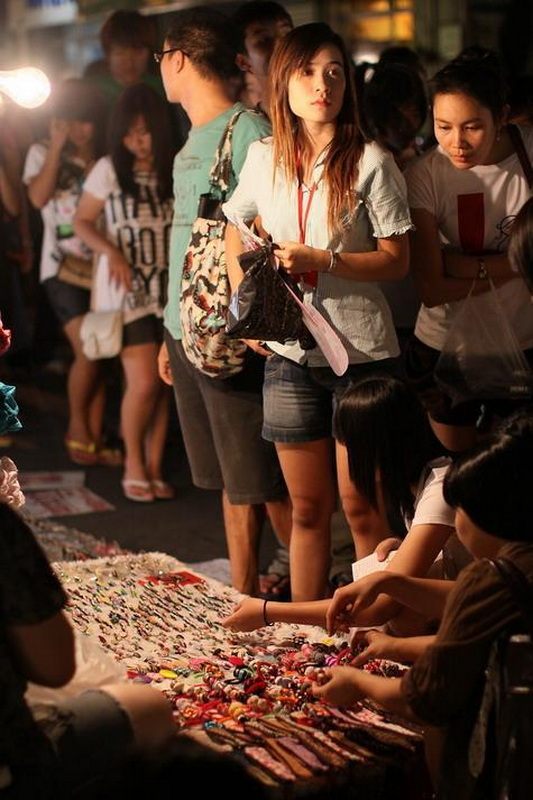
Chiang Rai Khon Muan Street offers a lively way to encounter the character of northern Thailand through food, handmade goods, music, and the everyday rhythm of a local city. Often referred to by visitors as Chiang Rai Walking Street, this pedestrian market area in Mueang Chiang Rai District becomes especially appealing when travelers want more than a quick view of famous temples. It is a place to browse slowly, taste regional dishes, and observe how public spaces bring residents and visitors together. The street also works well as a sightseeing focus within wider Chiang Rai Tours. Travelers can combine time among market stalls with cultural landmarks, temple visits, countryside scenery, or a broader route from Chiang Mai. The most rewarding approach is not to treat the market as a rushed checklist stop, but as one part of a day shaped around local heritage and relaxed exploration. For visitors arriving from Chiang Mai, the experience raises a useful planning question: should the market be the main destination, or should it be one element of a wider northern Thailand itinerary? The answer depends on personal interests, but the surrounding attractions and activities make both approaches possible. This guide explains how to think about the visit, what kinds of tours suit it, and which nearby cultural stops add depth without making exaggerated promises.
Reading the Character of Chiang Rai Walking Street
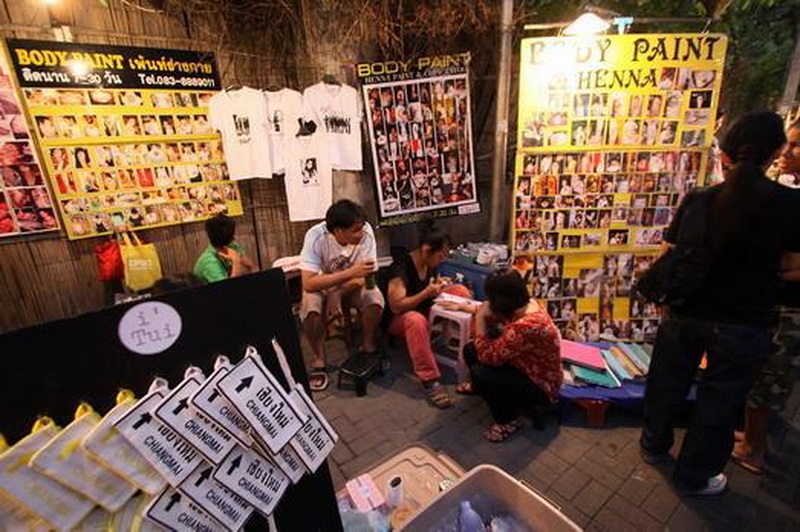
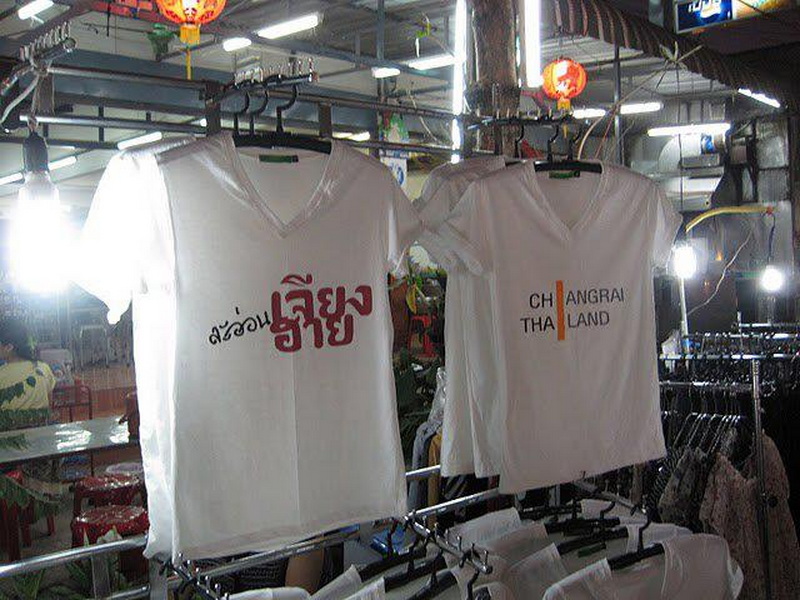
Chiang Rai Walking Street is best understood as a social and cultural setting rather than simply a row of retail stalls. When the market is operating, the pedestrian environment encourages visitors to move at an unhurried pace, looking at textiles, crafts, small souvenirs, prepared food, and other locally made products. The selection can vary, so it is more accurate to approach the area as a changing community marketplace than as a fixed exhibition. Travelers researching Chiangrai Khon Muan Street can use these details when planning the trip.
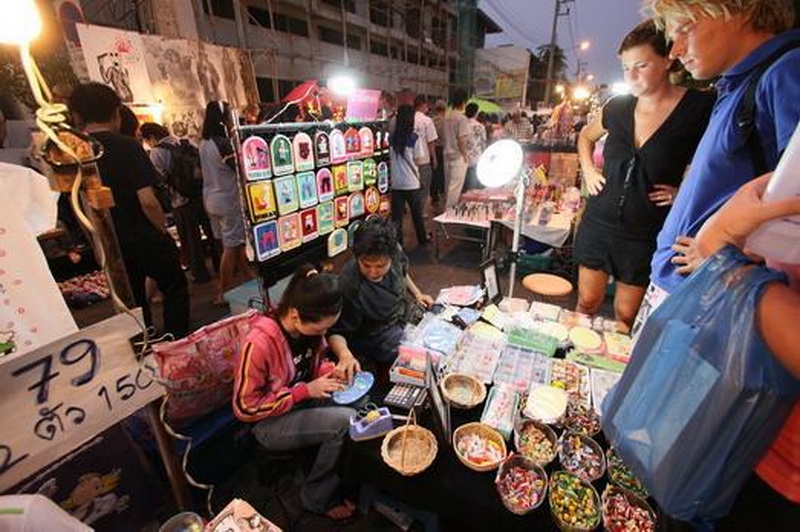
Food is often central to the experience. Small portions and shared tables can make it easier to sample several flavors instead of committing to one large meal. Northern Thai cuisine has its own balance of herbs, spices, textures, and fermented ingredients, while familiar dishes may also be available for travelers who prefer gentler choices. Asking politely about ingredients is sensible for anyone with allergies or dietary restrictions.
The atmosphere is also shaped by sound and movement. Local performances or informal entertainment may appear as part of the market environment, but visitors should avoid assuming that a particular program will always be present. A respectful traveler gives performers space, asks before taking close-up photographs, and remembers that the market remains a place for residents to shop, eat, and socialize.
How Chiang Rai Tours Can Frame the Visit
The main tour choices connected with the street fall into a few broad sightseeing styles. A city-focused outing can place the market alongside central landmarks and public spaces, giving travelers a compact introduction to Chiang Rai. A culture-oriented route may combine the street with temples, local history, and northern artistic traditions. A scenery-focused excursion can use the market as an evening or concluding stop after visiting rural landscapes and regional viewpoints. These descriptions are useful categories rather than promises of a fixed itinerary.
Travelers beginning in Chiang Mai may encounter several forms of Chiang Rai Tours, including shared day excursions, guided sightseeing routes, and arrangements designed around a private group. The important comparison is not only the number of stops but also the pace and emphasis. A traveler interested in food and local life may prefer time to browse independently, while someone visiting for the first time may value a guide who explains cultural context and helps identify significant landmarks.
A longer stay in Chiang Rai gives the market a different role. Rather than fitting it into a tightly packed day, visitors can return to the city center with enough energy to notice details such as regional ingredients, craft techniques, or the way families use the public space. A shorter visit can still be rewarding, but it is wise to leave room for walking and unexpected discoveries instead of expecting every attraction to fit neatly into a strict sequence.
When assessing a tour description, look for clear information about the general focus, group size, flexibility, and cultural approach. Avoid choosing solely because of dramatic wording or a long list of destinations. A well-balanced sightseeing experience should allow reasonable time at each place and should present temples, markets, and communities with respect rather than treating them as backdrops.
Popular Chiang Mai Activities That Complement Chiang Rai
Although the market is in Chiang Rai, it connects naturally with the wider range of activities available from Chiang Mai. Travelers can use Chiang Mai as a base for learning about northern architecture, visiting museums, exploring historic neighborhoods, or joining cultural experiences before setting out toward Chiang Rai. This makes it possible to compare two northern cities without suggesting that one can stand in for the other.
For readers collecting ideas for the Top Things To Do in Chiang Mai, a useful theme is cultural continuity. Traditional markets, temple compounds, craft communities, and food experiences can help explain shared northern influences while also revealing local differences. These activities are most meaningful when visitors pay attention to the setting: a temple is a religious space, a market is a working public environment, and a craft workshop represents a skilled livelihood rather than a staged performance.
Outdoor interests can also shape a combined itinerary. Chiang Mai and Chiang Rai both provide access to green landscapes and scenic areas, but conditions and visitor facilities differ from place to place. Travelers should choose activities suitable for their fitness, weather tolerance, and available time. Natural areas deserve the same care as cultural sites, including staying on appropriate paths, reducing waste, and following local instructions.
The strongest connection between the two destinations is variety. Chiang Mai can provide an urban cultural starting point, while Chiang Rai adds a more spacious regional perspective through markets, temples, art, and countryside. Planning around one or two themes, such as food and heritage or architecture and local crafts, often creates a more coherent experience than trying to collect every possible attraction.
Making the Sightseeing Experience More Comfortable
Comfort matters in a walking market because much of the experience happens on foot. Wear shoes suitable for standing and strolling, carry only what is necessary, and keep valuables secure in crowded areas. A reusable bag can be helpful for small purchases, while a refillable water bottle supports a lower-waste visit when drinking water is available. Since weather in northern Thailand can change, light clothing and sensible protection from sun or rain are practical choices.
Cash may still be useful at small stalls, but payment methods can differ between vendors. Carrying modest amounts and confirming the price before ordering or purchasing helps prevent misunderstandings. Bargaining should never be aggressive, particularly for handmade items that reflect time and skill. A fair, polite exchange is more consistent with the community character of the market.
Dress and behavior deserve attention near religious buildings and heritage settings. Clothing that covers the shoulders and knees is a considerate choice when visiting temples, and visitors should follow signs or local guidance about footwear, photography, and restricted areas. Speak quietly in worship spaces, do not touch religious objects without permission, and ask before photographing people, especially children and vendors.
Language does not need to be a barrier to courtesy. A greeting, thank-you, patient gesture, or simple question can make an interaction warmer, even when conversation is limited. Travelers should also remember that not every local person wants to be photographed or included in a social media post. Observing first and asking permission reflects a more responsible way to enjoy Chiang Rai Walking Street Thailand.
Nearby Attractions
King Mangrai Monument
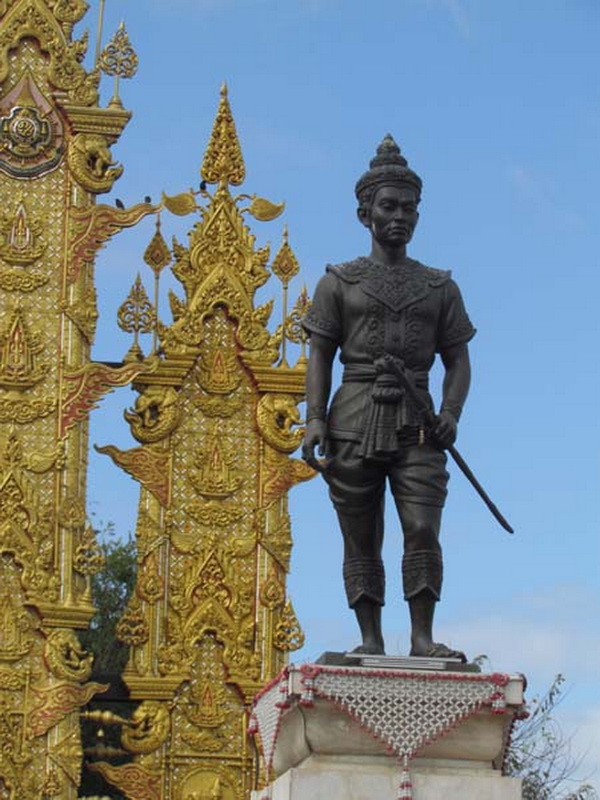
King Mangrai Monument provides historical context for a visit to Chiang Rai. The monument honors King Mangrai, the ruler associated with the founding of the Lanna kingdom and the establishment of Chiang Rai in the thirteenth century. It is a meaningful stop for travelers who want to connect the modern city with the political and cultural history of northern Thailand.
The site is suited to a brief, respectful visit rather than a rushed photo stop. Reading about the monument’s historical significance can make the surrounding city feel more understandable, especially when paired with time at the market. Visitors should treat the area as a place of remembrance and follow local customs while viewing the monument.
Rong Khun Temple
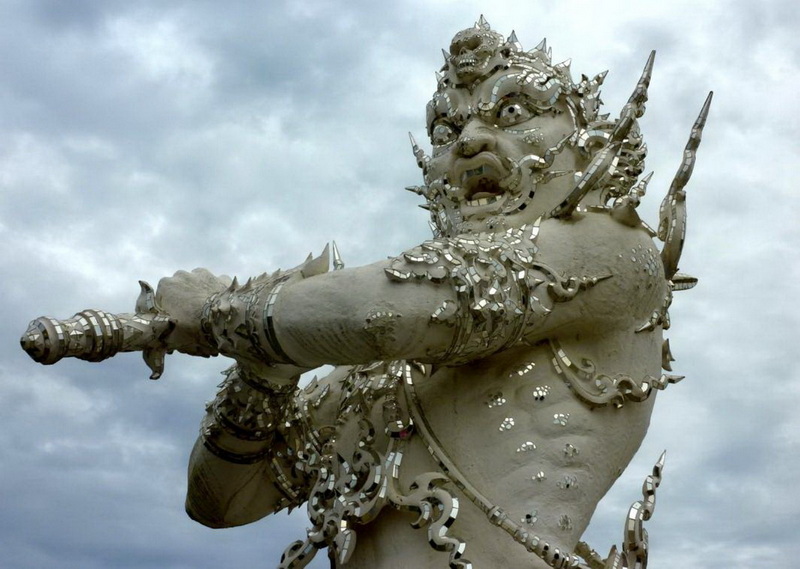
Rong Khun Temple, widely known in English as the White Temple, is one of Chiang Rai’s most recognizable cultural landmarks. Its bright white surfaces, detailed ornamentation, and reflective elements create a distinctive visual style associated with contemporary Thai Buddhist art. The complex is not simply a decorative attraction, however; it is also a religious and artistic setting that deserves attentive and respectful behavior.
A visit can complement Chiang Rai Khon Muan Street by showing a different side of the province. The market presents living community activity, while Rong Khun Temple invites visitors to consider symbolism, religious ideas, and modern artistic expression. Travelers should follow posted rules, dress appropriately, and avoid reducing the site to a single photograph. Combining both places can create a fuller understanding of Chiang Rai’s cultural landscape.
Why This Place Stays With You
Chiang Rai Khon Muan Street is most rewarding when treated as a living part of the city rather than a quick attraction to be collected. Pairing its food, crafts, and public atmosphere with thoughtful visits to King Mangrai Monument or Rong Khun Temple adds historical and cultural perspective. Travelers coming from Chiang Mai can choose a guided route, a broader regional tour, or a slower independent plan according to their interests. Whatever the format, patience, respectful behavior, and room for unplanned observation will make the experience more memorable.
ไม่มีความคิดเห็น:
แสดงความคิดเห็น