Pang Ung with Visitor Guidance and Guided Travel Context
A thoughtful first visit to the lake, forest landscape, and surrounding communities of Mae Hong Son

Pang Ung is a forested reservoir in Mueang Mae Hong Son District, Mae Hong Son, known for still water, tall trees, cool mornings, and a landscape that changes noticeably with the weather. The lake is often identified in English as Pang Oung Lake or Pang Ung Lake, while Pangung is another spelling seen in travel searches. Its appeal is not based on a single monument. Instead, visitors come to observe a quiet mountain setting and understand how the lake fits into the wider highland environment of Mae Hong Son Thailand. For a first-time international visitor, the most useful approach is to treat the destination as both a nature visit and a community setting. A Mae Hong Son Thailand Visitor Guide can explain the geography, local customs, and practical decisions that shape the experience, while a responsible guide can add context that is difficult to gain from photographs alone. This article focuses on that planning language: what the place is, how guided travel is described, what to notice on site, and how Phu Klon and Ban Rak Thai can extend the regional picture without turning the visit into a rushed checklist.
Reading the Landscape of Pang Ung
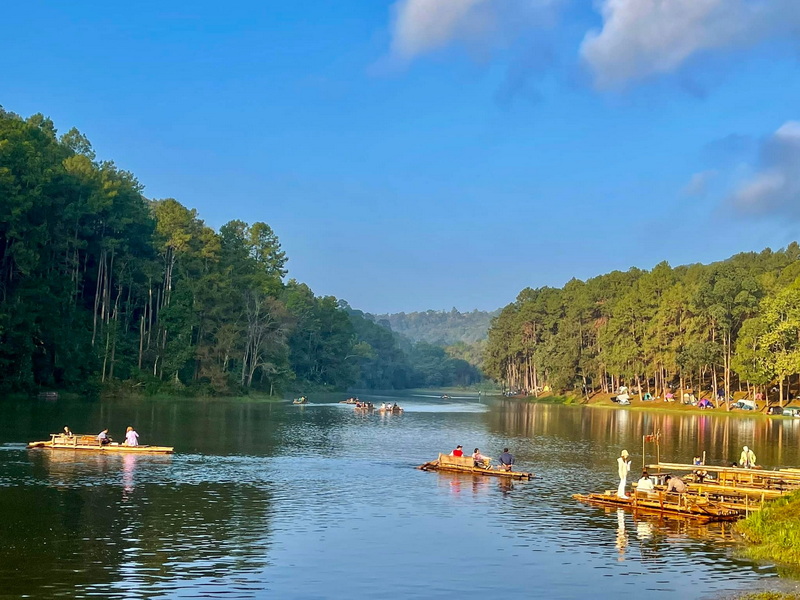
Pang Ung lies in the mountainous surroundings of Mae Hong Son, a province in Thailand’s northwest close to the Myanmar border. The reservoir is encircled by hills and woodland, creating a contained landscape in which water, tree lines, slopes, and changing light are the main visual elements. Early in the day, mist may gather above the water when temperatures and humidity allow it. Such conditions are seasonal and weather-dependent, so a visitor should regard mist as part of the atmosphere rather than a guaranteed feature.
The lake’s setting helps explain why the area feels different from an urban sightseeing stop. Paths, viewpoints, and open spaces are experienced against a background of forest and highland air. Pine trees are a familiar part of the scene, and reflections on the water can be especially noticeable when wind is light. The quiet appearance should not be mistaken for an untouched wilderness, however. The reservoir and surrounding area are visited by people and connected to local community life, so ordinary courtesy remains important.
The name Pang Ung Mae Hong Son is useful when distinguishing this destination from similarly named places elsewhere in Thailand. It is also helpful to check maps and local directions carefully because English spellings vary. A Pang Ung Travel Guide may use Pang Oung, Pang Ung Lake, or Pang Oung Lake, but these names generally refer to the same well-known lake destination in this area. Understanding the naming variation prevents confusion when comparing route descriptions or discussing the site with a guide.
How to Understand a Guided Visit
The phrase Guided Tours From Chiang Mai To Mae Hong Son describes a broad style of journey rather than one fixed product. It may refer to an escorted road trip, a private arrangement, or a multi-stop itinerary in which a guide explains the region as the route progresses. Because travel services change, visitors should confirm current inclusions, meeting arrangements, travel duration, and destination access directly with any operator. The phrase itself should not be read as a guarantee of a particular schedule or route.
For Pang Ung, a useful guide is more than someone who points toward the lake. Guiding may involve explaining the mountain geography, identifying how the reservoir relates to nearby settlements, translating local notices, and helping visitors understand where photography or movement is appropriate. A guide can also provide context about seasonal conditions and road travel without promising that every viewpoint or activity will be available on a particular day.
When comparing a guided journey with independent travel, consider the kind of support needed. Someone unfamiliar with Thai place names may value help communicating directions and interpreting local information. A visitor interested in culture may prefer explanations that place the landscape within the lives of nearby communities rather than presenting residents as part of a display. A nature-focused traveler may ask a guide to explain forest features while keeping noise and movement low. These are questions about learning and conduct, not just convenience.
Good visitor language is specific and realistic. Ask whether Pang Ung is included, how much time is intended for quiet observation, and whether nearby places are visited as short stops or fuller experiences. It is also reasonable to ask how the guide approaches photography, community interaction, waste, and changes caused by weather. Clear questions help prevent misunderstandings and encourage travel arrangements that respect both the visitor’s expectations and local conditions.
Practical Conduct Around the Lake
A calm setting depends partly on visitor behavior. Keep voices moderate near the water, follow signs and local instructions, and avoid stepping into restricted areas for a better photograph. Do not leave food packaging or other waste behind. If a boat ride, viewing area, or other local activity is offered, listen to the operator’s safety instructions and avoid assuming that an activity is available simply because it appears in an older travel account.
The communities around Mae Hong Son include people with varied ethnic, linguistic, and religious backgrounds. That diversity should be approached with ordinary respect rather than curiosity that turns people into attractions. Ask permission before photographing individuals, homes, ceremonies, or work. Dress and behavior should suit the setting, particularly near religious or community spaces. A guide can help explain when a question is appropriate, but visitors remain responsible for their own conduct.
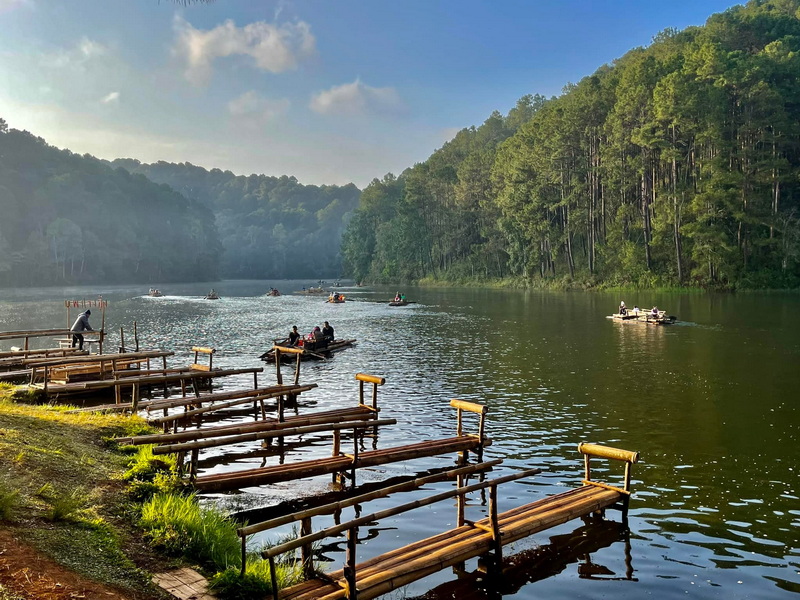
Weather deserves a place in the planning conversation. Mountain conditions can shift, mornings may feel cold compared with lower elevations, and damp surfaces can affect walking. Comfortable layers, suitable footwear, drinking water, sun protection, and a way to protect personal belongings from rain are sensible general preparations. Conditions on roads and at viewpoints can change, so a cautious itinerary is preferable to one built around exact arrival times or promised scenic effects.
The best photographs often come from waiting rather than crowding. Light may move across the hills, reflections may strengthen when the surface settles, and clouds can alter the appearance of the reservoir. Observing quietly gives visitors a fuller understanding of the place than trying to record every moment. This slower rhythm also makes it easier to notice that Pang Ung is a living destination with environmental and community limits.
Using Pang Ung in a Wider Mae Hong Son Visit
Pang Ung can be understood as one part of the highland landscape around Mae Hong Son rather than an isolated photograph stop. A regional plan should leave room for changing road conditions, pauses, and the different pace required by natural and cultural places. When a guide describes a route from Chiang Mai, listen for the balance between time on the road, time at the lake, and time in nearby communities. That information is more useful than a list of stops without context.
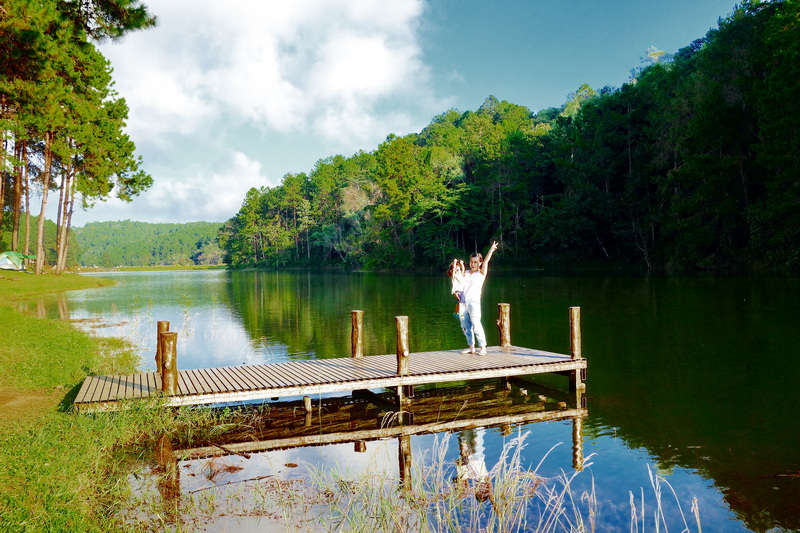
The destination also invites comparison between managed water landscapes and other forms of local livelihood. Forest edges, cultivated slopes, villages, and roads may appear close together, yet each has its own rules and meaning. Visitors should avoid drawing broad conclusions from a brief encounter. Listening to a local explanation, using neutral language, and recognizing that communities are not staged for tourism can make a short visit more informed.
For travelers who want to Visit Pang Ung thoughtfully, the central decision is not whether to collect the most viewpoints. It is whether the plan allows enough time to observe, ask respectful questions, and respond to local guidance. This approach works whether the journey is guided from Chiang Mai or organized independently. It also leaves space for nearby places to add context instead of competing with the lake for attention.
Two Places That Extend the Pang Ung Story
Once the lake’s geography and visitor etiquette are clear, nearby stops can add useful context without changing the focus of the visit. Phu Klon and Ban Rak Thai offer two distinct perspectives on the wider Mae Hong Son landscape and its communities.
Phu Klon
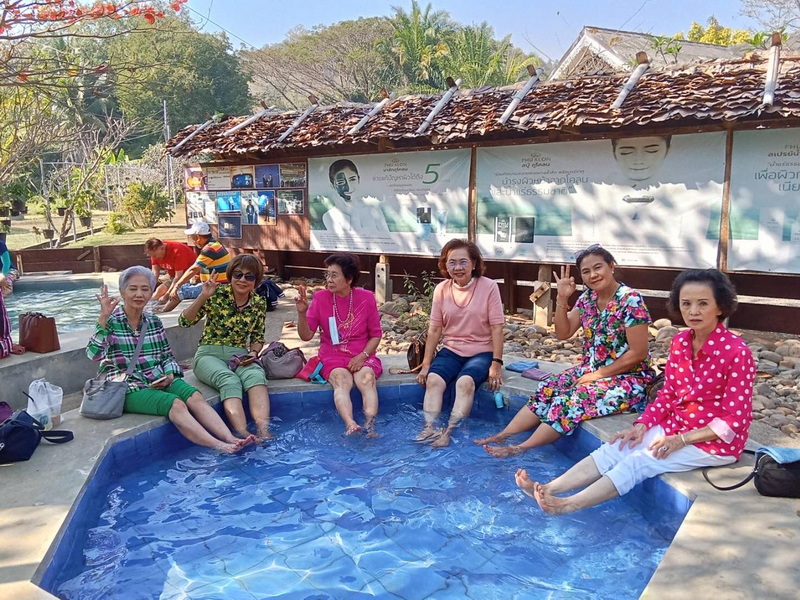
Phu Klon is a mud and mineral site in the Mae Hong Son area that offers a different kind of landscape experience from the cool forest reservoir of Pang Ung. Its significance for a regional itinerary lies in contrast: Pang Ung encourages attention to water, woodland, and mountain atmosphere, while Phu Klon is associated with naturally occurring mud and mineral features. Conditions and visitor arrangements can change, so a guide or current local information is useful before planning the stop.
The site can be discussed responsibly without making unsupported claims about health benefits. Visitors should treat any wellness-related experience as a cultural or recreational option rather than a substitute for medical advice. A respectful visit also means following site instructions, keeping shared areas clean, and allowing other people to enjoy the setting without intrusive photography. Placed after Pang Ung, Phu Klon broadens the geographic story of Mae Hong Son by showing another natural feature shaped by the region’s geology.
Ban Rak Thai
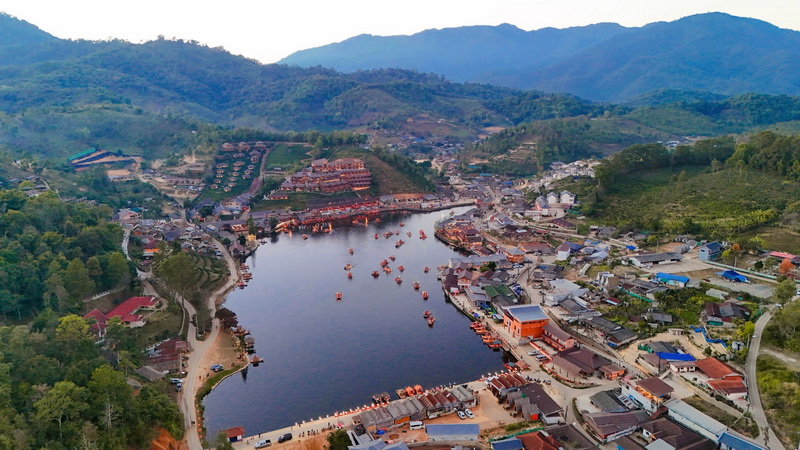
Ban Rak Thai, also known as Mae Aw, is a village near the Myanmar border with a strong Chinese Yunnan cultural influence. Its visual character includes a lake, hills, tea-growing traditions, and architecture and foodways that reflect the community’s historical background. These features should be understood as living local culture, not as a themed performance created solely for visitors.
A visit is more meaningful when travelers approach residents, food, and photographs with consideration. Ask before photographing people, respect private spaces, and remember that a village is also a home and workplace. A guide may explain the area’s history and help distinguish public visitor spaces from places where quiet observation is more appropriate. Together, Ban Rak Thai and Pang Ung show why a Mae Hong Son journey benefits from combining natural scenery with careful attention to community context.
A More Informed Way to Visit Pang Ung
Pang Ung rewards preparation that is practical but not rigid. Learn the alternate spellings, check current local guidance, allow for mountain weather, and decide what kind of explanation would make the visit meaningful. Whether the journey is independent or arranged through Guided Tours From Chiang Mai To Mae Hong Son, respectful behavior remains the essential guide. The lake’s quiet water, forest setting, and connection to nearby communities are best encountered with patience. Seen in that way, Pang Ung becomes more than a scenic stop: it becomes an opportunity to understand a small part of Mae Hong Son with care.