Chiang Rai Attractions and Tours Featuring Phu Chi Fa National Park
A practical introduction to mountain scenery, regional sightseeing, and thoughtful tour planning in northern Thailand
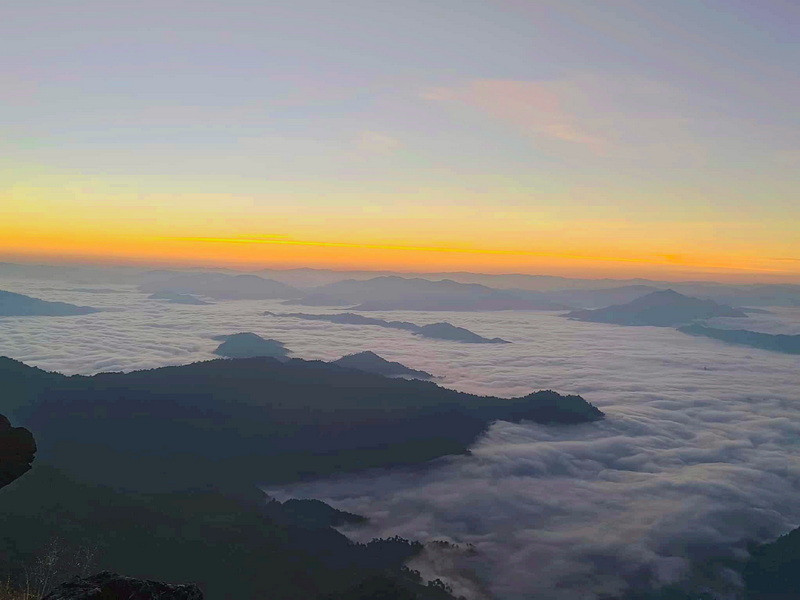
In the highlands of Thoeng District, Chiang Rai, Phu Chi Fa National Park offers a very different perspective on northern Thailand. Rather than a city temple or an urban landmark, it is a mountain landscape shaped by steep slopes, open skies, forested ridges, and a viewpoint facing the border highlands. The attraction is especially associated with early-morning scenery, when changing light reveals layers of mountains across the horizon. For visitors comparing Chiang Rai Thailand Attractions, Phu Chi Fa is useful to understand as both a natural destination and a regional excursion. Its setting makes it more dependent on weather, daylight, and walking conditions than many attractions near Chiang Rai city. A visit can therefore be rewarding without being rushed, provided that travelers allow time for the landscape and prepare for a cool, uneven outdoor environment. This overview explains what makes the park distinctive, how it can fit into Chiang Rai Tours, and what to consider when combining it with other places in the province. It focuses on practical expectations rather than fixed schedules, prices, or particular operators, since arrangements and conditions can change.
A Mountain Viewpoint Shaped by the Border Highlands
The defining feature of Phu Chi Fa is its elevated viewpoint, reached by a short but sometimes steep walk from the approach area. The route leads through a natural setting rather than a developed attraction complex, so the experience is based mainly on scenery, fresh air, and the gradual change from woodland to a more open ridge. Visitors should expect an outdoor walk with uneven ground, not a paved promenade suitable for every level of mobility.
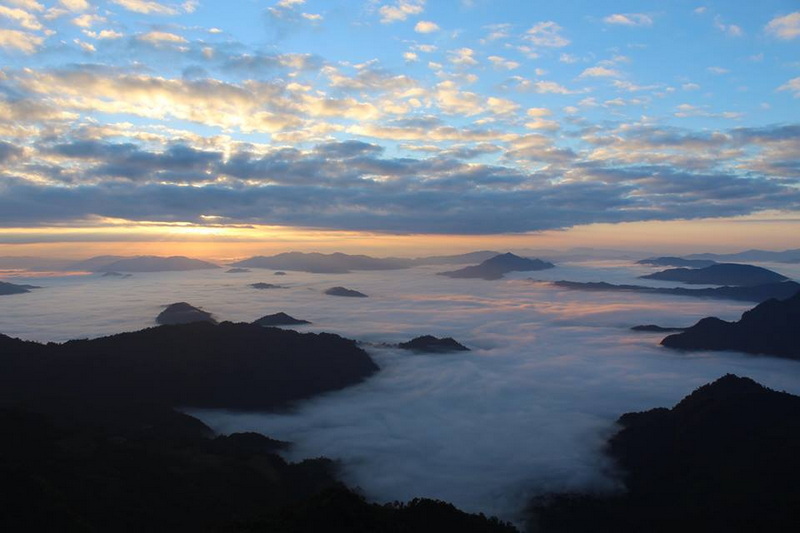
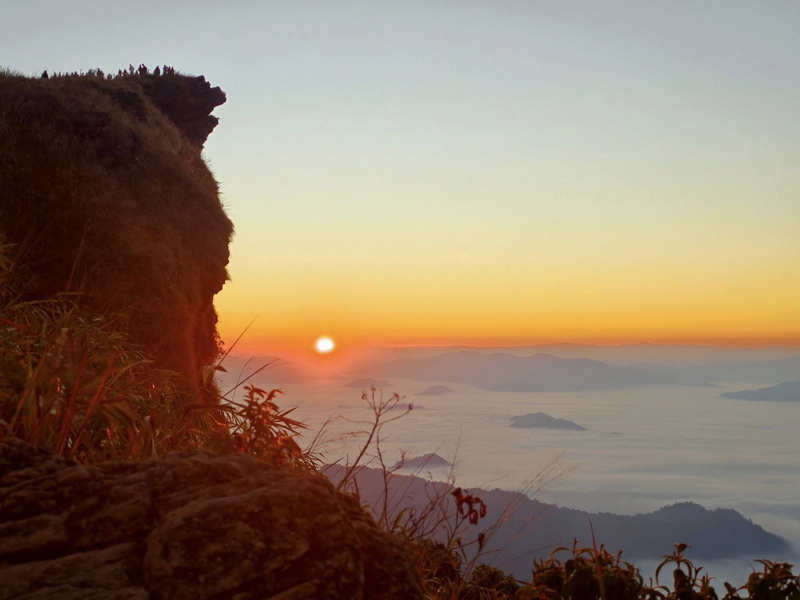
At the summit, the land drops away toward broad valleys and distant mountain ranges. The distinctive rock formation and pointed ridge help give the place its name, commonly interpreted as a mountain pointing toward the sky. Views depend strongly on cloud, haze, and seasonal weather. On a clear day, the layered landscape can appear expansive; under mist, the atmosphere becomes quieter and more intimate, with visibility changing from one moment to the next.
The viewpoint also has regional significance because the mountain landscape lies close to the Thai-Lao border area. That location is best understood geographically rather than treated as a novelty. Travelers are visiting a highland environment shared by connected cultures and communities, and respectful behavior matters when moving through local areas or encountering residents. The scenery is the main attraction, while the surrounding region adds context to its position in Chiang Rai Province.
What to Expect in the Natural Environment
Phu Chi Fah National Park is most appealing to travelers who enjoy viewpoints, mountain air, and simple contact with nature. The attraction does not need a long list of built facilities to make an impression. Its value lies in the contrast between the walk through vegetation, the exposed ridge, and the wide outlook beyond it. The landscape can encourage a slower style of sightseeing, with time spent observing light, cloud movement, and the changing colors of the hills.
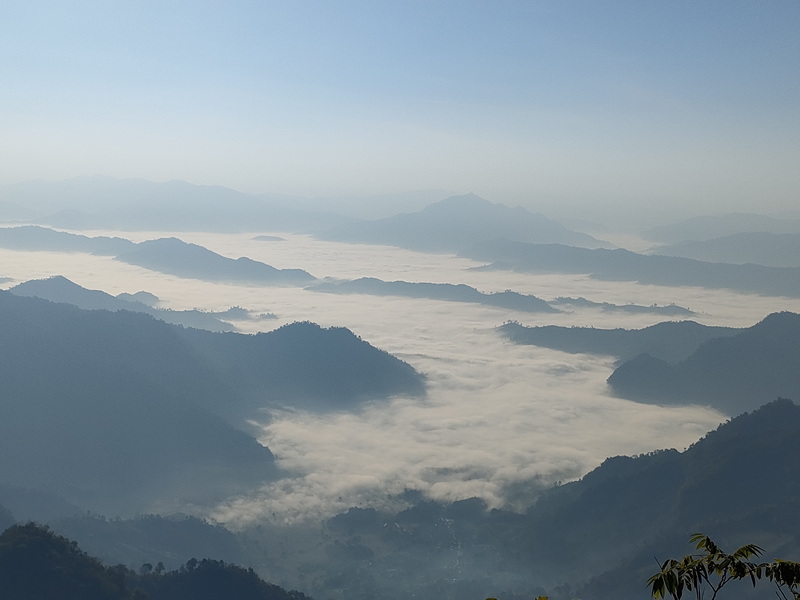
Conditions may feel noticeably cooler at elevation, particularly before sunrise or during the cooler part of the year. Warm layers, secure walking shoes, drinking water, and protection from sun or rain are sensible preparations. A small flashlight may also be useful for any walk undertaken in low light, although visitors should follow current local guidance and use established paths. Weather can affect both comfort and visibility, so an impressive view should not be treated as guaranteed.
Responsible behavior helps protect the character of the site. Visitors can keep to marked routes, carry waste out when suitable disposal is unavailable, avoid disturbing plants and animals, and keep noise under control at the viewpoint. Wildlife sightings should never be assumed, and feeding animals or approaching them would be inappropriate. The same principle applies to local communities: ask before photographing people, respect private spaces, and avoid turning cultural differences into a spectacle.
How Phu Chi Fa Fits Chiang Rai Sightseeing
Phu Chi Fa is located away from the central cluster of Chiang Rai city attractions, so it usually works best as a planned regional outing rather than an incidental stop between nearby temples. Travelers may encounter day-trip concepts that connect the mountain with other destinations in Chiang Rai Province, while longer itineraries can give the area more breathing room. The right format depends on the starting point, road conditions, preferred pace, and whether the main goal is the viewpoint or a broader highland journey.
A tour that includes the mountain should explain the walking component, expected time outdoors, and the possibility of changing weather. In some travel references, the destination appears as Phu Chifa, so checking the location rather than spelling alone can avoid confusion. This information is more useful than a promise of perfect scenery. Visitors should also check what is actually included in any proposed itinerary, since the words Chiang Rai Tours can describe very different approaches, from a tightly timed sightseeing circuit to a slower nature-focused day. Confirming the meeting point, walking expectations, and return arrangements before departure can prevent misunderstandings.
For travelers coming from Chiang Mai, the distance makes planning especially important. A same-day visit may involve a substantial amount of road travel, leaving less time for unhurried observation. Some people may prefer to combine Phu Chi Fa with other stops only when the route is realistic and daylight allows. Others may choose a Chiang Rai-based plan that separates city sightseeing from the mountain excursion. Neither approach is universally best; the practical choice is the one that matches energy, weather, and available time.
The attraction can also be considered alongside the wider range of Chiang Rai Thailand Attractions, including cultural sites, rural landscapes, and protected natural areas. Phu Chi Fa contributes a highland viewpoint to that mix rather than representing the whole province. Seeing it in this regional context helps travelers build an itinerary with variety while avoiding the assumption that every destination can be comfortably visited in one long day.
Planning for a More Comfortable Visit
Timing is an important part of the experience, but exact opening arrangements and access conditions can vary, so current local information should be checked before setting out. Early visits are commonly associated with the mountain’s broad horizons and changing light, yet they also mean darker conditions, cooler temperatures, and a greater need for care on the walking route. Daylight visits may be easier for some travelers and can still provide strong scenery when visibility is favorable.
The route should be considered honestly by anyone with limited mobility, young children, or a strong dislike of steep or uneven ground. Travelers can ask a tour provider or local information source about current walking conditions rather than relying on a general description. Comfortable clothing, shoes with traction, and a flexible attitude are more valuable than elaborate equipment. Phones and cameras may capture the landscape, but visitors should remain attentive to footing and other people at the viewpoint.
Cultural and environmental awareness should continue beyond the summit. Local residents live and work in the highland region, and visitors should follow instructions, avoid blocking access roads, and support orderly use of shared spaces. A respectful trip is not only quieter and safer; it also recognizes that the mountain is part of a living region rather than a backdrop created solely for tourism. This perspective makes the visit more meaningful and helps preserve the destination for future travelers.
Extending the Highland Landscape
Phu Chi Fa makes the most sense as part of a broader look at the province’s natural and rural character. Two nearby destinations can extend that perspective, provided that the route is planned with realistic travel time and attention to current conditions.
Phu Sang National Park
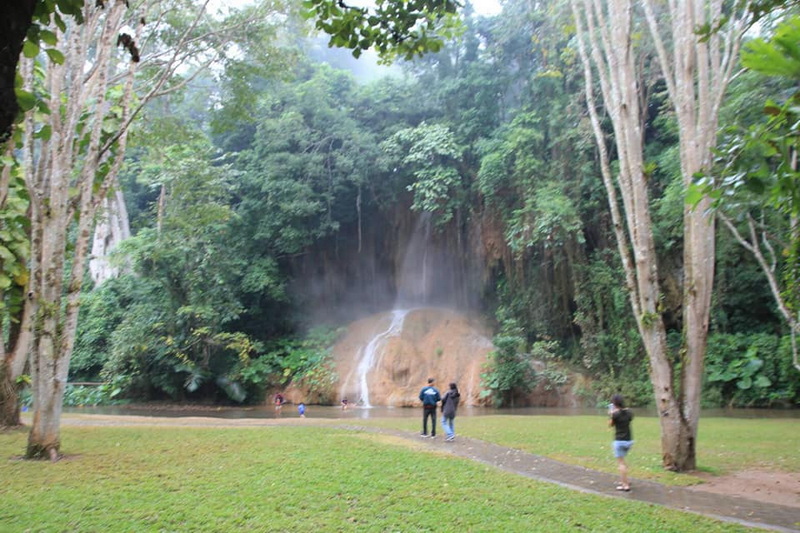
Phu Sang National Park provides a useful natural counterpart to the high viewpoint at Phu Chi Fa. Its protected landscape broadens the regional picture, shifting attention from a single panoramic ridge to forests, streams, and other features associated with a national park environment. Travelers considering both places should review the distance, available daylight, and current access information instead of assuming that every site can be covered comfortably in one outing.
The two destinations can complement one another in a nature-oriented itinerary, but they offer different forms of sightseeing. Phu Chi Fa centers on elevation and open views, while Phu Sang encourages interest in the wider landscape and its natural features. Treating each place as more than a quick photo stop allows visitors to notice the ecological variety of Chiang Rai Province.
Choui Fong Tea Plantation
Choui Fong Tea Plantation adds an agricultural and rural dimension to a Chiang Rai itinerary. The cultivated tea landscape differs visually from the forested mountain setting of Phu Chi Fa, offering visitors a chance to consider how farming shapes the scenery of northern Thailand. The plantation is best approached as a working landscape and visitor destination, so respectful movement through designated areas is important.
Combining a tea plantation with a mountain viewpoint can create a varied regional day, although route planning remains essential. The distance between stops, weather, road conditions, and the amount of time available will influence whether the combination feels relaxed or rushed. Travelers who value observation may prefer fewer stops, allowing time to appreciate both the highland panorama and the patterned tea fields.
Reading Chiang Rai Through Its Landscapes
Phu Chi Fa offers more than a memorable outlook: it shows how Chiang Rai’s attractions can move from urban and cultural settings into highland nature. The key to planning is to treat the mountain as a weather-sensitive outdoor visit, allow enough time for the walk, and choose a tour structure that matches the region’s distances. With respectful conduct and realistic expectations, the viewpoint, surrounding forests, and nearby rural destinations can form a thoughtful introduction to the varied landscapes of northern Thailand.