Kad Luang Food Trails for Curious Chiang Mai Travelers
A practical food-focused guide to local tastes, respectful exploring, and two heritage stops beyond the market
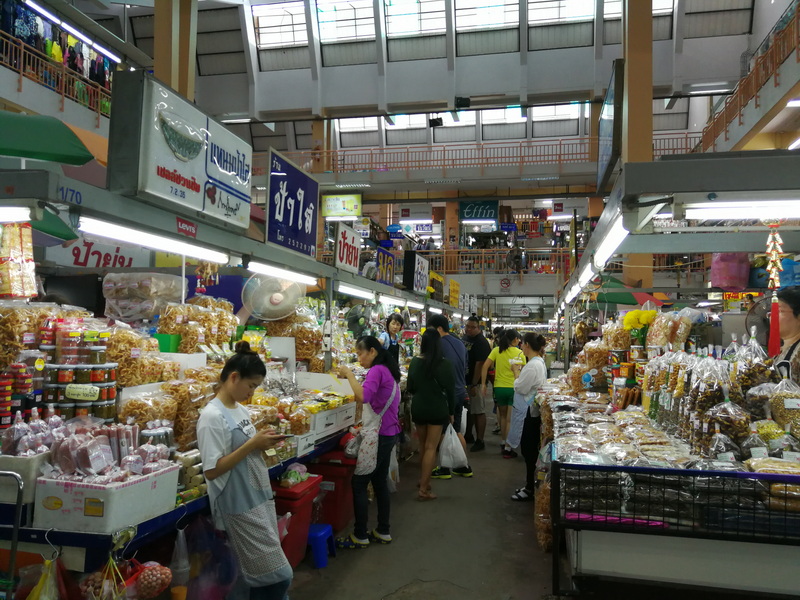
In Mueang Chiang Mai District, Chiang Mai, food shopping is closely woven into ordinary life. Warorot Market, widely known as Kad Luang, is one of the city’s most useful places to observe that connection. Rather than functioning only as a quick stop for visitors, the market brings together prepared foods, fresh ingredients, dried goods, sweets, and regional products in a busy urban setting shaped by local routines. For food enthusiasts, the appeal lies in the range of tastes available in one walk. A visitor may find northern Thai specialties, fragrant snacks, preserved foods, and ready-to-eat dishes that reveal how ingredients are used at home and shared across the region. The experience rewards curiosity, but it also calls for patience: aisles can feel concentrated, foods may be unfamiliar, and the best way to explore is to watch how the market works before stepping into it. This guide treats the market as part of Chiang Mai Travel rather than an isolated food attraction. It explains what to look for, how to sample thoughtfully, and how to connect a food-focused visit with Sunday Night Market Chiang Mai and Wat Chiang Man without turning local culture into a spectacle.
Reading the market through its food
Warorot Market Chiang Mai is best approached as a food landscape with several layers. Some areas emphasize ingredients and provisions, while others present foods that can be carried away or eaten soon after purchase. The name Kad Waroros is also used for this market, helping visitors recognize references to the same everyday food destination. The contrast helps explain the market’s importance: it serves people looking for everyday supplies as well as visitors trying to understand northern Thai flavors.
Look for the ingredients that appear repeatedly across stalls. Dried chilies, herbs, curry pastes, roasted items, fermented preparations, and preserved fruits point toward the practical methods used in regional cooking. These are not merely decorative products arranged for tourists. They are part of a food system in which flavor, shelf life, convenience, and household cooking all matter.
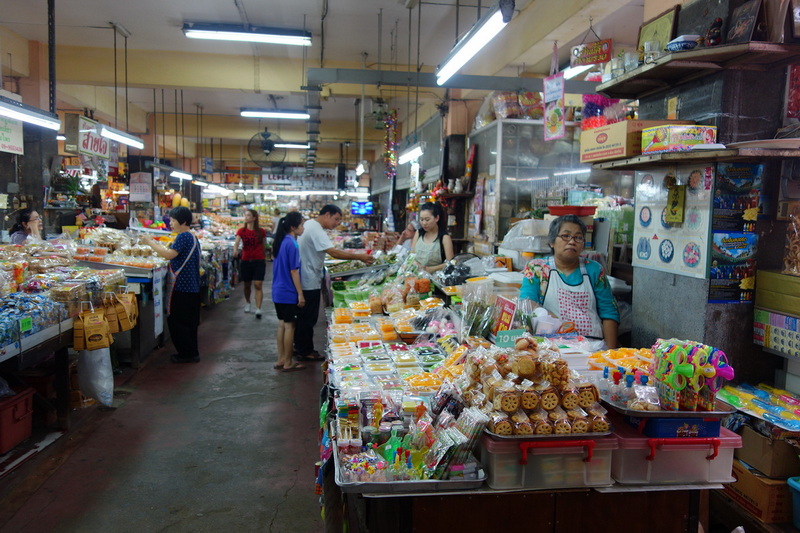
A useful first pass is simply to observe. Notice which stalls attract regular customers, how vendors arrange their goods, and which foods are packaged for travel or household use. This approach makes the market easier to navigate and avoids treating every unfamiliar item as a performance. It also gives visitors a clearer sense of what they might genuinely enjoy trying.
Northern tastes worth seeking out
The market is a strong setting to look for northern Thai food, including dishes associated with the broader Lanna culinary tradition. Sai ua, the region’s herb-scented sausage, is often recognized by its aromatic mixture of spices and herbs. Nam prik ong, a tomato-based chili relish commonly served with vegetables and other accompaniments, offers a different balance of savory richness and heat. Nam prik noom, made with roasted green chilies, can bring a smokier and more direct pepper flavor.
Khanom jeen nam ngiao is another dish that may appeal to travelers who enjoy noodles and brothy flavors. The dish is associated with northern food culture and often combines rice noodles with a seasoned tomato-based broth. Khao soi, one of Chiang Mai’s best-known foods, is also worth considering when available, especially for its combination of noodles, curry-like broth, and contrasting textures. Recipes and serving styles vary, so the same dish may not taste identical from one vendor to another.
Snacks and sweets create a gentler route into local flavors. Roasted nuts, crisp rice preparations, dried fruit, coconut-based treats, and small savory bites can be easier to share or carry while exploring. If a food is unfamiliar, ask politely about its ingredients when communication allows, particularly if allergies or dietary restrictions are involved. A small portion and an open mind are usually better than ordering more than can be appreciated.
How to explore with ease and respect
A thoughtful visit begins with realistic expectations. Market aisles may be active and compact, and some areas are designed more for buying provisions than lingering with a meal. Keep personal belongings close without blocking passage, step aside before checking a phone or map, and allow people carrying goods to pass. These small choices show respect for the vendors and residents who depend on the market as a workplace.
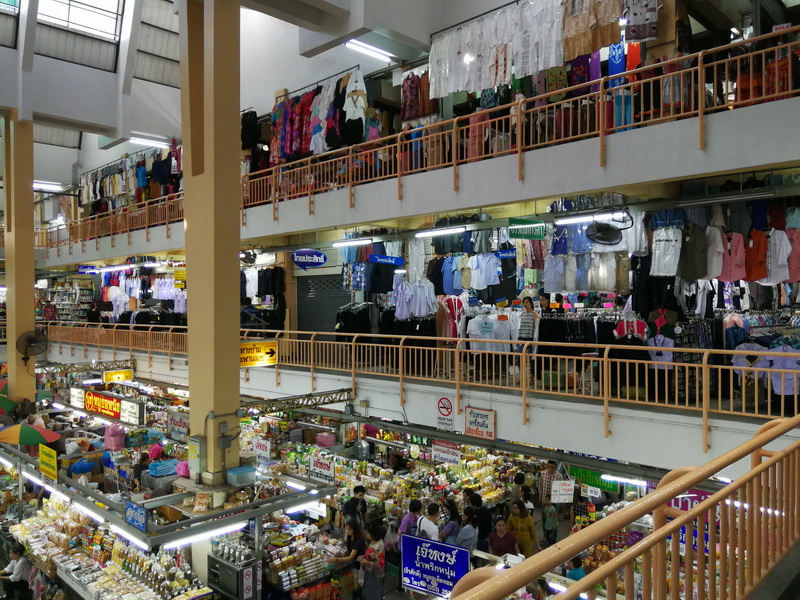
Cash is useful in many traditional market settings, although payment practices can differ between stalls. Carrying smaller notes may make ordinary purchases simpler, but visitors should avoid assuming that every vendor accepts the same method. Prices and portions can vary, so ask before ordering when the amount is unclear. A calm question is preferable to bargaining aggressively over a modest purchase, especially when buying prepared food or handmade goods from a small seller.
Food safety also benefits from observation. Choose foods that appear well handled and appropriately protected, and pay attention to items that are served hot or freshly prepared. Anyone with allergies should communicate clearly and remain cautious because ingredients and preparation surfaces may not be fully familiar. Travelers who are unsure about a dish can begin with a small serving rather than making assumptions about its contents.
Photography deserves similar care. Ask before taking close portraits of vendors or focusing a camera on a person’s stall. A market is a living workplace, not a staged backdrop. Purchasing something, thanking the seller, and avoiding intrusive questions can help make the encounter more balanced. This respectful approach is central to any visit to the Best Street Food Markets In Chiang Mai.
Building a flexible food walk
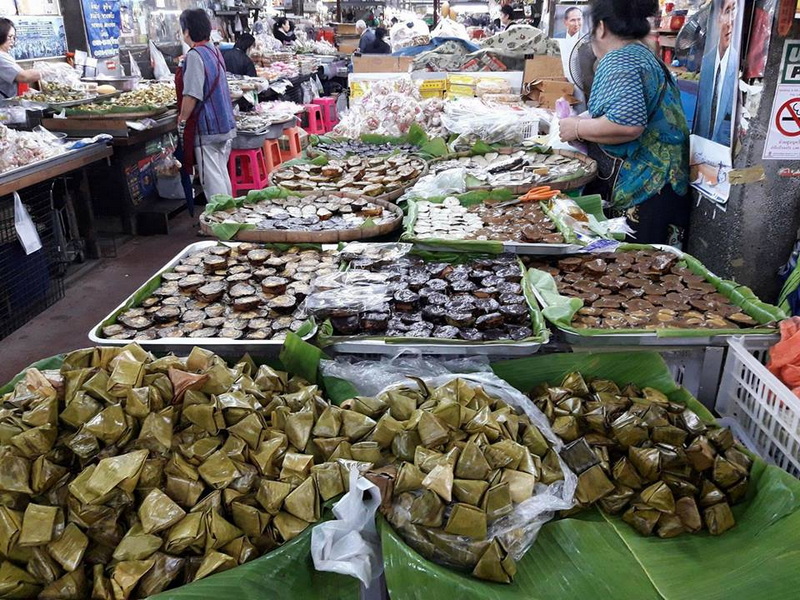
A food-focused route works best when it leaves room for discovery rather than trying to sample everything. Start by walking through the market to understand its layout and atmosphere. Then choose one or two savory foods, add a snack or sweet, and pause somewhere appropriate to eat. This keeps the experience manageable and lets attention stay on flavor, texture, and the stories behind particular ingredients.
Consider visiting with a simple tasting plan. One person might look for a northern sausage, another for a chili relish or noodle dish, and everyone can share observations rather than ordering identical portions. If a stall is busy, wait patiently or return later instead of creating pressure. Travelers who prefer a quieter rhythm can focus on packaged regional foods and ingredients, which provide a useful introduction without requiring a long meal.
The market also fits naturally into a wider day of cultural exploration. Keep the food portion of the outing distinct from sightseeing so that neither activity feels rushed. A visit to Waroros Market can introduce the flavors and routines of the city, while nearby historic and evening destinations offer different perspectives. This balance turns a market stop into a meaningful part of a Chiang Mai itinerary without claiming that one visit represents the whole city.
Two thoughtful additions to a food day
Once the market’s flavors and everyday rhythms have shaped the day, the surrounding itinerary can broaden the experience without competing with it. These two stops offer distinct settings for continuing the exploration at a more measured pace.
Sunday Night Market Chiang Mai
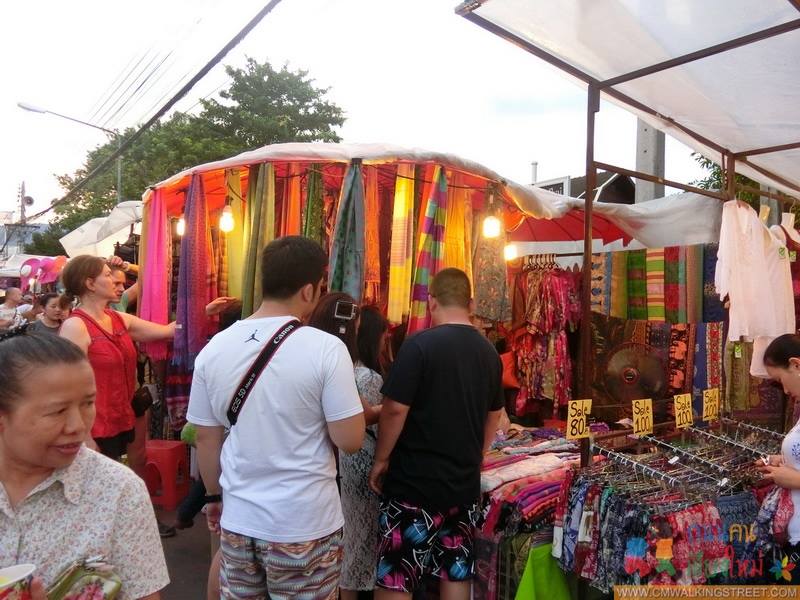
Sunday Night Market Chiang Mai offers a contrasting setting for exploring local food and creative work. Its evening atmosphere is shaped by a walking-street format, with prepared snacks, drinks, crafts, and other stalls creating a different pace from the more provision-oriented character of Kad Luang. The two experiences work well together because they show how food appears in both everyday shopping and social evening activity.
Treat the night market as its own community space rather than an extension of the daytime market. Walk at a considerate pace, avoid blocking stall fronts, and choose foods that can be eaten without making a mess in crowded areas. Sampling a small number of items can be more enjoyable than trying to cover every stall, leaving time to notice the variety of local makers and vendors.
Wat Chiang Man

Wat Chiang Man provides a quieter cultural counterpoint after time among food stalls. As one of Chiang Mai’s historic temples, it invites visitors to shift from tasting and browsing toward architectural observation and reflection. Its setting can help place the market within the longer story of the old city, while also reminding travelers that religious sites require a different manner of dress and behavior.
Visitors should follow posted guidance, dress respectfully, speak quietly, and avoid treating active religious spaces as photo sets. The most rewarding connection between the temple and the market is not a forced sightseeing checklist but a change in perspective: food reveals daily continuity, while the temple offers a place to consider history, belief, and community life.
Leaving with more than a full stomach
Kad Luang is memorable not because every stall must be sampled, but because it makes Chiang Mai’s food culture visible through ordinary exchanges, regional ingredients, and practical routines. Approach the market slowly, try foods with care, and respect the people whose work gives the place its character. Pairing the visit with Sunday Night Market Chiang Mai and Wat Chiang Man can add useful contrast, creating a day that connects flavor with history and community. The result is a richer travel experience built on attention rather than speed.