Guided Tours to Mae Hong Son with Kam Ko Temple on the Cultural Route
A practical planning guide for respectful temple visits, regional touring, and nearby cultural and natural stops
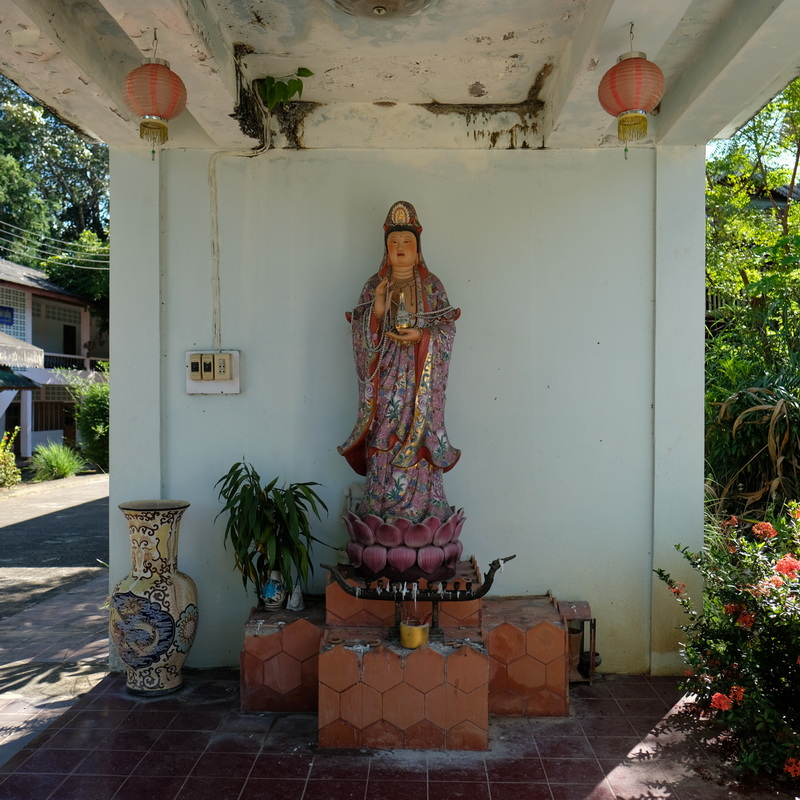
For travelers approaching Mae Hong Son with a guide, Wat Kam Ko offers a quieter cultural point of reference than the province’s more widely photographed landmarks. Known in English as Kam Ko Temple or Kamko Temple, it is a Buddhist temple in Mueang Mae Hong Son District where visitors can pause, observe local religious architecture, and learn about the area’s layered cultural identity. Its value on a guided itinerary is not based on a long list of facilities or dramatic entertainment, but on the opportunity to understand a living place with context and care. A journey from Chiang Mai to Mae Hong Son is also a route-planning decision. The mountain roads, distance, and number of possible stops make guided travel useful for visitors who prefer local interpretation and organized navigation. Searchers may use terms such as “Guided Tours From Chiang Mai To Mae Hong Son,” although actual routes, transport arrangements, and visiting times vary by operator and season. This guide explains how to think about Kam Ko Temple within that broader journey, then considers two nearby experiences: Pha Bong Hot Spring and Ban Huay Sua Tao.
Why Kam Ko Temple Fits a Guided Mae Hong Son Itinerary
Wat Kam Ko is best approached as a place of religious and community importance rather than as a quick photo stop. A visit can introduce travelers to the role Buddhist temples play in northern Thai communities, where sacred buildings may serve as spaces for worship, ceremonies, teaching, and everyday local connection. The temple’s setting in Mae Hong Son makes it part of a province known for cultural influences connected with northern Thai and Shan traditions. Visitors should allow the site to be observed on its own terms instead of expecting a staged attraction.
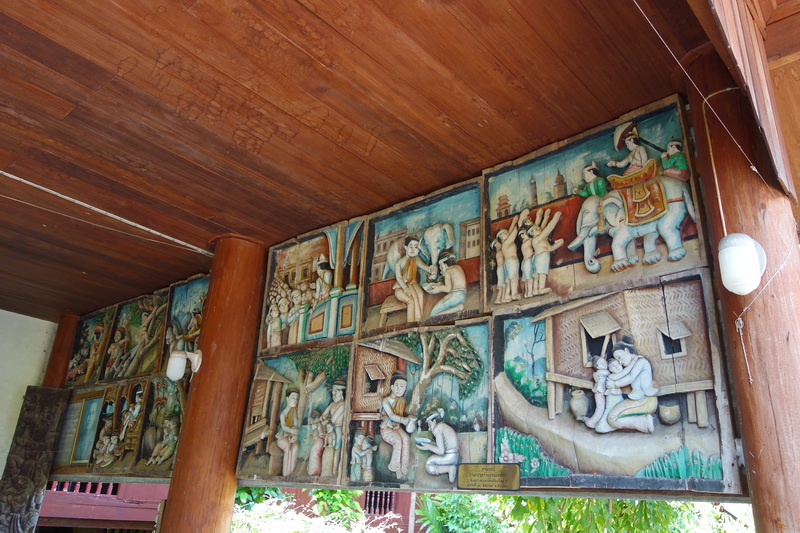
A guide can add value by explaining details that are easy to miss, such as the purpose of a shrine, the meaning of respectful gestures, or the difference between a building intended for public gathering and one used primarily for religious practice. Interpretation should be treated as an aid, not as a substitute for quiet observation. If a guide does not have a verified answer about the temple’s history or current use, it is better to acknowledge that uncertainty than to repeat an attractive but unsupported story.
The name may appear in several forms, including Wat Kam Ko, Wat Kamko, and Wat Kam Ko Mae Hong Son. These variations are useful when researching maps, itineraries, and travel discussions, but they refer to the same planned stop in this context. A simple search for “Kam Ko Temple” alongside Mae Hong Son can help distinguish the temple from similarly named places elsewhere in Thailand.
How to Evaluate Guided Tours from Chiang Mai
Travelers looking for Guided Tours From Chiang Mai To Mae Hong Son will encounter broad search language rather than one standardized tour product. Related phrases may include Mae Hong Son tour packages from Chiang Mai, a Chiang Mai to Mae Hong Son tour package, a Mae Hong Son Loop tour from Chiang Mai, or a Chiang Mai to Mae Hong Son driver tour package. These terms describe different planning interests: some travelers want an escorted cultural journey, some want private transport with a driver, and others are researching a longer road itinerary.
Before choosing an itinerary, check what the tour actually means by guided. A guide may accompany the group throughout the route, meet visitors at selected sites, or provide transport while local explanations are limited. Ask whether Kam Ko Temple is a confirmed stop or merely an optional possibility, and whether the schedule leaves enough time for a respectful visit. It is also sensible to confirm the route’s overall pace, because the distance between Chiang Mai and Mae Hong Son can make a rushed program tiring.
The most useful questions are practical rather than promotional. Travelers can ask how much time is allocated for temples, whether modest clothing is expected, how meals and rest stops are handled, and whether the route includes community visits that require additional cultural sensitivity. If a tour description promises access to private religious areas or guarantees a particular local encounter, seek clarification before booking. Availability and conditions can change, so published wording should not be treated as a permanent promise.
A guided journey may be especially helpful for international visitors who are unfamiliar with mountain roads, Thai temple etiquette, or the geography of Mae Hong Son Province. However, guided travel does not remove the visitor’s responsibility. Guests should listen to instructions, stay with the agreed meeting plan, avoid entering restricted areas, and refrain from touching religious objects unless invited. The strongest itinerary is one that creates understanding without turning local life into a performance.
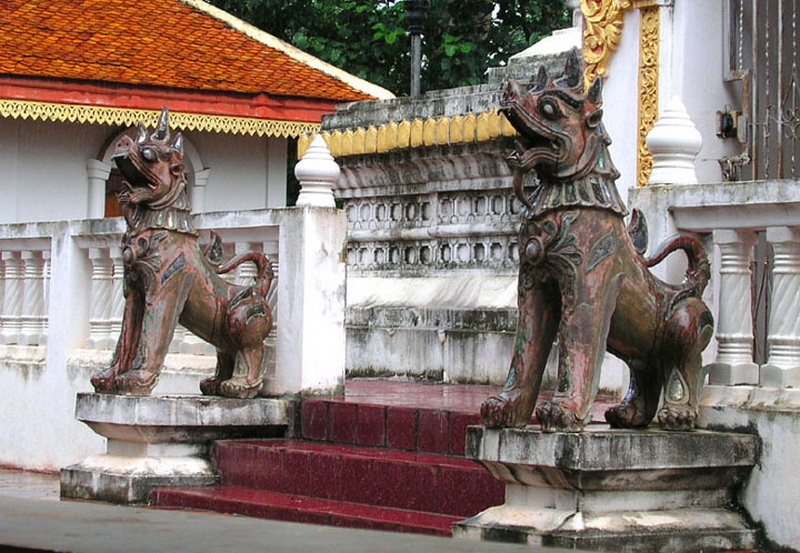
Planning a Respectful Visit to Wat Kam Ko
Plan to arrive with enough flexibility for the temple’s atmosphere. A group may need to lower its volume, wait while worshippers pass, or avoid a building being used for prayer. A guide can help identify where visitors may stand and which areas are appropriate for photography. These small adjustments make a substantial difference at a sacred site, particularly when a tour group is moving through a place that remains meaningful to local residents.
Clothing should be comfortable for warm weather but sufficiently modest for a Buddhist temple. Covering shoulders and knees is a considerate choice, and shoes may need to be removed before entering certain buildings. Follow posted instructions or guidance from temple caretakers. Avoid placing feet toward Buddha images or people, leaning on architectural features, or treating statues and altars as decorative backgrounds. A calm manner is more valuable than trying to see every corner.
Photography deserves particular care. Ask before photographing people, monks, ceremonies, or interior religious objects, and avoid using flash when it could disturb worship. Do not interrupt prayers to obtain a clearer image. If a guide suggests that a particular area is not suitable for photos, accept that direction without debate. These habits are relevant whether the visitor calls the site Wat Kam Ko Thailand, Wat Kam Ko Mueang Mae Hong Son, or simply the local temple.
For a first-time visitor, the best question is often an open one: what should I notice here, and what should I avoid doing? This invites useful local knowledge without assuming that every feature has a simple explanation. Keep the visit educational and unhurried. A few minutes of quiet attention can provide more insight than a crowded checklist of attractions.
Building a Manageable Route from Chiang Mai
The route to Mae Hong Son is a substantial overland journey through mountainous northern Thailand. Travel time depends on the selected road, traffic, weather, stops, and transport type, so visitors should avoid building plans around an unverified exact duration. Curving roads may be tiring for passengers who are sensitive to motion, while heavy rain can affect comfort and road conditions. Anyone prone to travel sickness should discuss sensible preparation with a travel companion or health professional before departure.
When reviewing a guided itinerary, look at the sequence rather than only the number of destinations. A day that lists many temples, viewpoints, villages, and natural sites may leave little time for meaningful visits. For Kam Ko Temple, a well-paced stop should allow an introduction, quiet observation, and departure without pressure. The same principle applies to community-based locations, where visitors may need clear instructions about photography, purchases, and personal space.
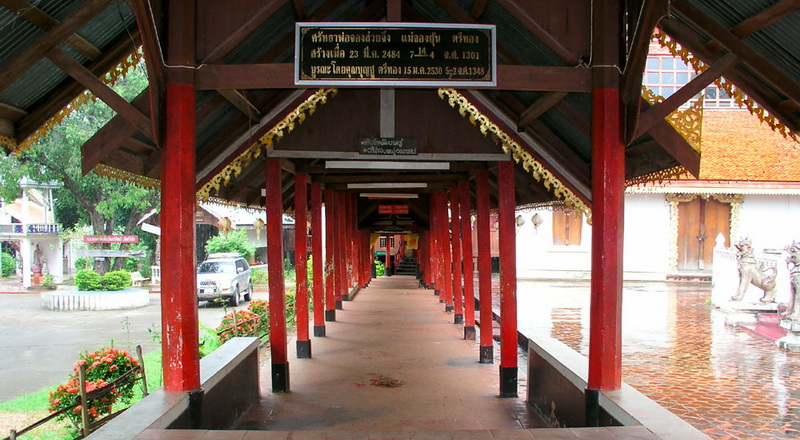
Travelers should also consider the difference between a group tour and a private arrangement. A group can provide shared interpretation and a social experience, but its movement may be slower and less flexible. A private tour may allow more adjustment, although the specific service level depends on the provider. Neither format is automatically better. The right choice depends on budget, mobility, tolerance for long road travel, and the degree of cultural explanation the traveler wants.
Use the phrase Mae Hong Son Thailand travel guide when gathering background information, but compare sources and check current details directly with the relevant provider or local authority. Temple access, community arrangements, and road conditions are not fixed facts. Careful planning builds confidence while leaving room for the realities of travel in a mountainous province.
What Responsible Guided Travel Looks Like
Responsible touring begins with seeing local people as hosts and residents rather than as scenery. This is especially important when a route includes community-related destinations. Ask permission before taking portraits, do not assume that traditional clothing or daily activities are available for tourist display, and avoid making jokes about language, appearance, or religious practice. A guide should help establish respectful boundaries, but every traveler should remain attentive to them.
Small practical choices also matter. Follow designated paths, keep litter with you until it can be disposed of properly, and avoid loud behavior near worshippers. If a donation box is present, contributions should be voluntary and handled discreetly. Buying locally made goods can be appropriate when it is done without pressure, but visitors should not bargain aggressively over small purchases or treat a community visit as a guaranteed shopping opportunity.
For many people, a guided trip to Mae Hong Son is an introduction rather than a complete understanding of the region. Kam Ko Temple can provide a thoughtful starting point because it encourages attention to faith, architecture, and local continuity. Nearby natural and community stops then add different perspectives, provided the itinerary does not reduce them to quick photo opportunities. The goal is a journey that leaves travelers better informed and local spaces undisturbed.
Nearby Attractions
Pha Bong Hot Spring
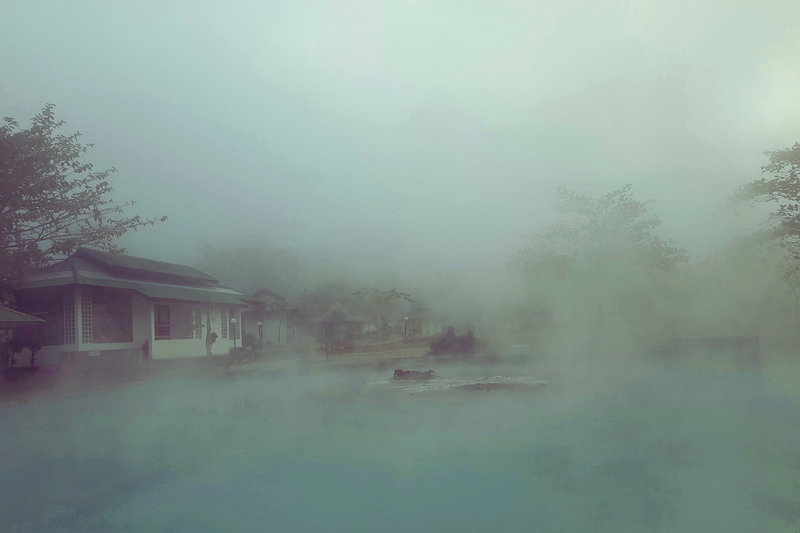
Pha Bong Hot Spring is a natural attraction in the Mae Hong Son area and can complement a temple-focused itinerary with a slower outdoor stop. Hot spring sites are associated with geothermally heated water emerging from underground, although the visitor experience depends on the facilities, access arrangements, and current conditions at the time of travel. Travelers should follow local signs and use only areas intended for bathing or viewing.
As part of a guided route, the hot spring offers a change of rhythm after cultural sightseeing. Visitors should bring practical items appropriate to the confirmed arrangements, respect any bathing guidelines, and avoid assuming that every pool or water source is safe for entry. A guide can explain the local layout, but current operating information should be checked rather than inferred from old travel descriptions.
Ban Huay Sua Tao
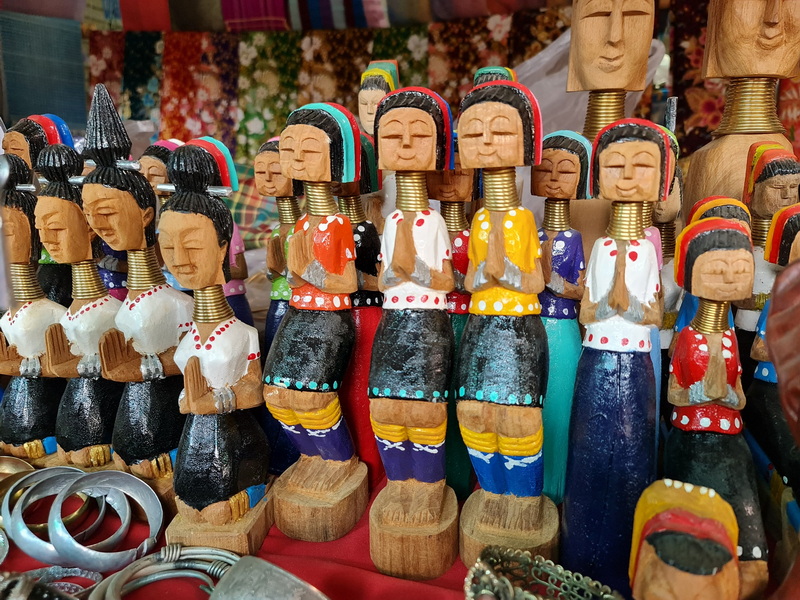
Ban Huay Sua Tao is a community destination near Mae Hong Son that is often included in cultural travel discussions. Visits to places like this require particular care because residents’ homes, livelihoods, and traditions are not exhibits. Travelers should listen to the guide’s instructions, ask before taking photographs, and understand that a community may have its own preferences about visitor access and interaction.
The most constructive approach is observant and unhurried. Learn about the place through information that residents or responsible guides choose to share, avoid assumptions about identity or tradition, and do not pressure anyone to pose or demonstrate an activity. Confirm in advance whether the stop is currently welcoming visitors and what conduct is expected, since community arrangements can change.
Why This Place Stays With You
Kam Ko Temple works well within a carefully paced journey from Chiang Mai because it connects route planning with cultural attention. Choose a guided itinerary that explains its stops honestly, allows adequate time at Wat Kam Ko, and treats nearby Pha Bong Hot Spring and Ban Huay Sua Tao according to their distinct character. Flexible planning is important in Mae Hong Son, where roads, weather, temple activities, and community arrangements may affect a day’s sequence. With modest dress, patient observation, and respectful questions, travelers can approach the temple as a living sacred place rather than a checklist attraction.
ไม่มีความคิดเห็น:
แสดงความคิดเห็น