Planning a Respectful Visit to a Karen Hill Tribe in Chiang Mai
A practical guide to choosing thoughtful Chiang Mai tours and engaging with community life respectfully
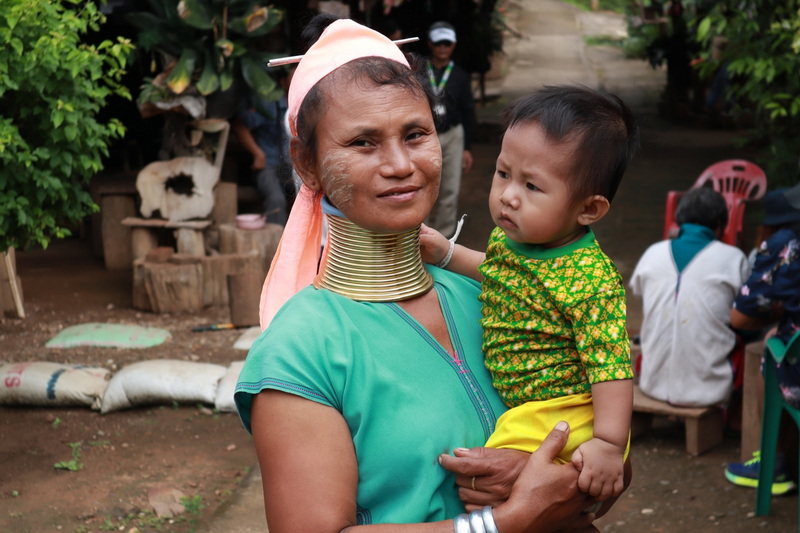
A tour featuring a Karen Hill Tribe visit can be one part of a wider Chiang Mai journey, but it deserves more thoughtful preparation than simply adding a stop to an itinerary. Travelers are not visiting a staged attraction in the ordinary sense. They are entering communities where people live, work, raise families, maintain relationships, and make decisions about how visitors are received. That context should shape both the choice of tour and the behavior expected during the visit. Chiang Mai offers several kinds of cultural excursions, from short village visits to broader countryside programs that combine community experiences with other activities. Because names and descriptions vary between operators, the most useful planning question is not only what a package includes, but also how the visit is organized. Does the operator explain community consent, photography, local guiding, and the destination’s economic benefits clearly? Are visitors encouraged to observe and learn rather than treat residents as scenery? This guide focuses on planning and cultural respect. It outlines what to ask before booking, how to understand references to Karen Long Neck or Karen Longneck communities, and how to behave once there. The aim is not to prescribe a single “authentic” experience, but to help travelers make informed choices that recognize dignity, local agency, and the living nature of Karen culture.
Understand What the Tour Is Actually Offering
Tour descriptions can use broad phrases such as hill tribe village, cultural village, Karen village, or Karen Long Neck Village. These labels may refer to different community settings and should not be treated as interchangeable without further explanation. The word Karen itself covers diverse communities, languages, histories, and local identities. Some tourism materials also use “long neck” as a familiar visitor term for Kayan women who wear brass coils, even though Kayan identity and Karen identity are not the same. A careful operator should be willing to explain its terminology rather than relying on a simplified attraction label.
Before selecting a tour, read beyond the headline itinerary. Look for information about who guides the visit, whether the community has agreed to receive tourists, how village-made goods are sold, and whether photography rules are communicated in advance. A responsible description may acknowledge that visitors are guests and that experiences can differ between communities. Vague promises of an untouched or completely authentic encounter deserve caution, because tourism itself can influence the setting and because no living community exists to perform a fixed idea of tradition.
A Chiang Mai Package Tour may include a Karen visit as one element among several cultural or rural experiences. That arrangement can suit travelers who want context rather than a single brief encounter, provided the schedule does not reduce the village to a rushed photo stop. Ask whether there is meaningful time for explanation, whether local residents participate as hosts or guides, and whether the program leaves room for visitors to listen. The most informative tour is not necessarily the one with the greatest number of stops.
Compare Tour Formats with Cultural Purpose in Mind
Travelers may encounter private excursions, small-group programs, and larger package tours that feature a Karen Hilltribe community. Each format can have advantages and limitations. A small group may make quiet observation and conversation easier, while a larger group may create more pressure on residents and shared spaces. A private program can allow questions to be handled at a gentler pace, but its ethical quality still depends on the operator’s policies and relationships with the community.
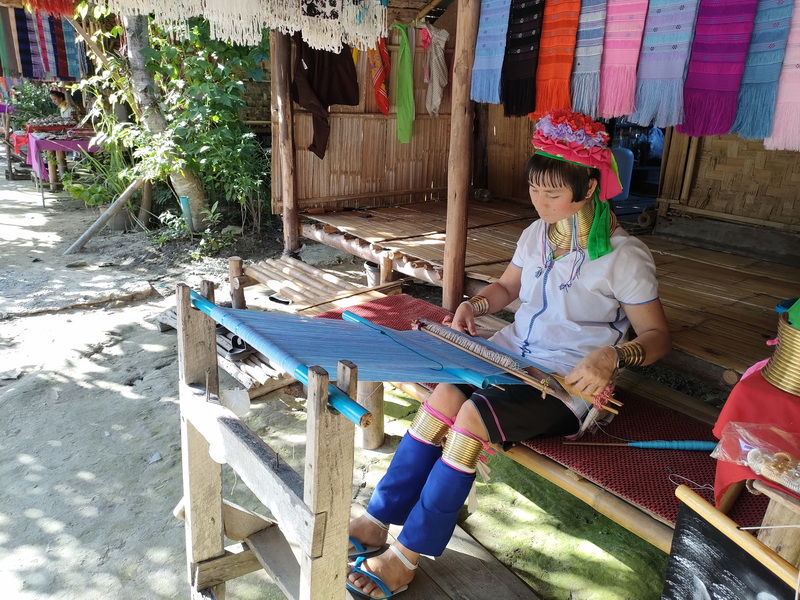
When comparing the Best Hill Tribe Tours Chiang Mai, do not use popularity or the number of attractions as the only measure. Consider whether the tour presents local people as partners in the experience. Useful questions include: Is a local guide involved? Are community members paid for guiding, demonstrations, or cultural interpretation? Are purchases optional rather than expected? Does the operator explain where visitor fees go, using precise language instead of vague claims about helping the village? These questions do not guarantee a perfect encounter, but they reveal whether the company has considered its responsibilities.
Some itineraries combine a village visit with craft activities or opportunities to buy locally made products. Purchasing can be positive when it is voluntary, fairly presented, and connected to the makers or community economy. It becomes uncomfortable when visitors are pressured, when people are positioned as sales displays, or when products are presented through stereotypes. Travelers can support livelihoods without assuming that buying something is the price of admission to a person’s story.
A useful planning principle is to choose depth over quantity. One carefully explained community visit may teach more than several hurried stops. If the tour description emphasizes checking off villages, collecting photographs, or seeing people in a supposedly unusual setting, look for a different option. Ethical travel is not defined by how many cultural sites appear on a booking page; it is defined partly by the quality of the relationship created between visitors, guides, operators, and residents.
Prepare for Respectful Conduct in the Village
Treat the visit as entering someone’s home area, even when the community has an established tourism program. Dress modestly, follow the guide’s instructions, and keep your voice and movements considerate. Ask before photographing people, homes, religious objects, children, crafts, or personal activities. A person’s presence in a public-looking space is not automatic permission to take a portrait. If someone declines, accept the answer without persuasion or visible disappointment.
Photography requires particular care in settings marketed around recognizable appearance or dress. A Karen Longneck Village should not be approached as a human gallery. Do not ask people to pose repeatedly, touch clothing or brass coils, or make comments that turn physical features into entertainment. If a resident chooses to speak about dress, identity, or family life, listen without assuming that one person represents every Karen or Kayan community. Consent should also apply to posting images online, where a casual holiday photograph can circulate far beyond the original setting.
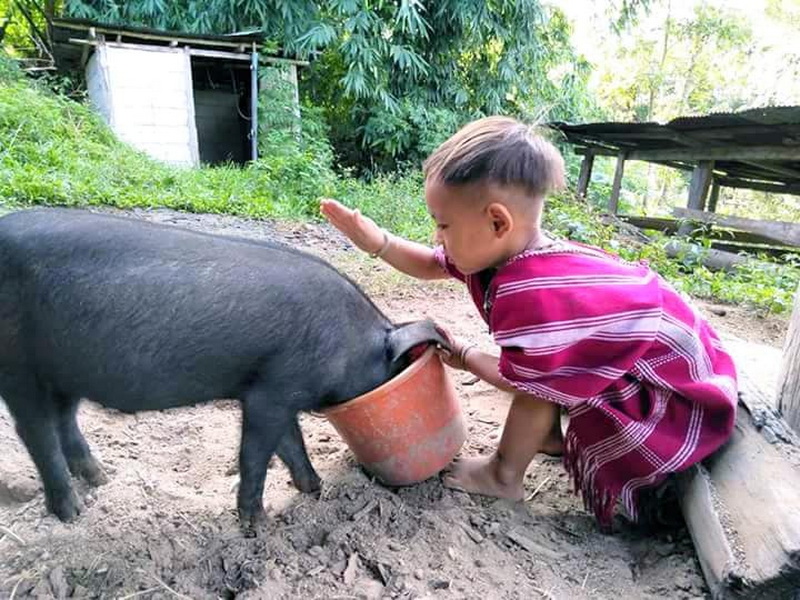
Conversation is most respectful when it begins with curiosity rather than judgment. Ask the guide how visitors should greet people, which subjects are appropriate, and whether translation is needed. Avoid intrusive questions about income, migration, relationships, health, or personal history unless a resident voluntarily raises the subject and the guide confirms that discussion is welcome. Do not expect a performance of tradition, a demonstration on demand, or an answer that confirms a preconceived travel story.
Small habits also matter. Stay on paths or visitor areas, do not enter homes or workspaces without invitation, and avoid leaving rubbish. Refrain from distributing sweets, money, or gifts directly to children unless the community or tour leader has established a suitable approach. Direct donations can create awkward expectations and unequal relationships. If you want to contribute, ask about community-approved channels rather than improvising at the village entrance.
Use Language That Recognizes Living Communities
The phrase Karen And Karen Longneck Hill Tribe Thailand may appear in search results or tour marketing, but it compresses complex identities into a convenient travel term. Travelers can use familiar wording when researching while remaining attentive to the distinctions explained by community members and responsible guides. “Karen,” “Kayan,” and other ethnic identities should not be treated as interchangeable simply because a package uses them together. Asking for clarification is more respectful than repeating an inaccurate label with confidence.
Cultural respect also means recognizing change. Community members may combine inherited practices with contemporary education, technology, religion, employment, and personal choices. Modern clothing, mobile phones, or commercial activity do not make a village less culturally meaningful. Nor should visitors assume that a community must preserve every custom in an unchanged form to be worthy of attention. A living culture is shaped by its people, including their choices about which traditions to share publicly.
The same principle applies to the word authentic. An encounter can be meaningful without being untouched by tourism, and a community can set boundaries around what it does not wish to display. Rather than asking whether a visit is perfectly authentic, ask whether the experience gives residents agency, provides accurate context, and allows visitors to behave as respectful guests. This shift leads to better questions and reduces pressure on communities to satisfy an outsider’s fantasy.
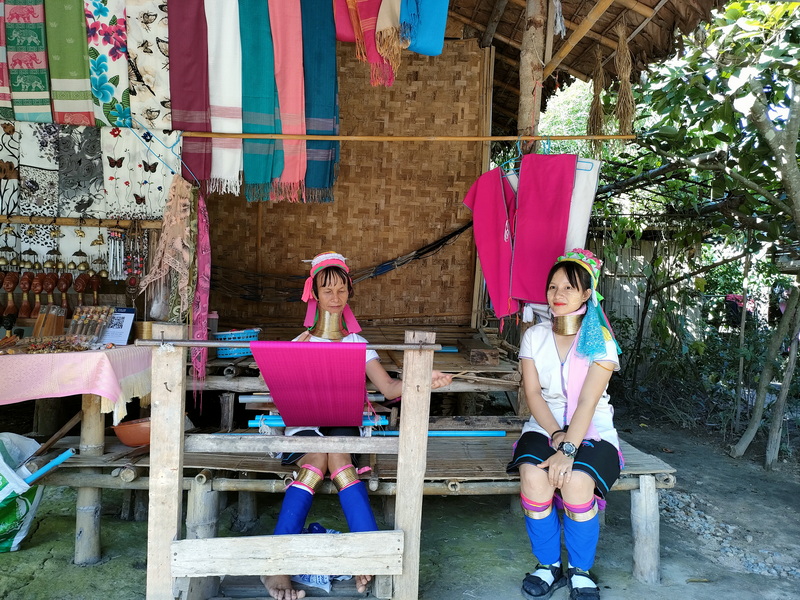
Build a Thoughtful Chiang Mai Plan
Begin planning by identifying your purpose. If you want to learn about contemporary community life, select a tour that explains its local relationships and allows time for interpretation. If your interest is handicraft, ask whether makers are involved in presenting their work and whether prices or purchasing arrangements are transparent. If you are traveling with companions, agree beforehand that nobody will take unapproved photographs or pressure residents into conversation. Shared expectations make respectful behavior easier once the group arrives.
A Chiang Mai Package Tour can be convenient for travelers who prefer an organized cultural day, but convenience should not replace careful reading. Check the wording about the Karen visit, the role of guides, and visitor conduct. Ask direct questions when information is unclear, especially about consent, photography, community participation, and shopping. Be cautious of guarantees that promise a staged encounter with every feature shown in promotional images. Circumstances and community preferences can change, and responsible operators should acknowledge that.
Travelers searching for a Karen And Karen Longneck Hill Tribe Thailand experience should also compare the tone of different tour providers. Does the language emphasize people’s dignity and knowledge, or does it focus on spectacle? Are residents described as hosts and community members, or only as attractions? Does the operator invite questions about its practices? These details can help distinguish a culturally aware program from one that depends heavily on exoticizing language.
After the visit, reflect on what you learned and how you represented the community. Share information accurately, avoid posting identifiable photographs without permission, and do not repeat sensational claims that a guide or resident did not make. If the experience raised concerns, provide specific feedback to the operator. If it was well managed, explain which practices contributed to that impression. Thoughtful reviews can encourage better standards without turning a community into a marketing endorsement.
Why This Place Stays With You
A Karen Hill Tribe visit is best planned as a meeting with a living community, not as a guaranteed spectacle. Choose an operator that explains its local relationships, asks for consent, and gives residents room to define what they share. During the visit, listen carefully, photograph only with permission, and let community guidance set the boundaries of your participation. With these habits, travelers can approach Karen Hilltribe experiences in Chiang Mai with greater humility and confidence, supporting cultural exchange that values people’s agency over the expectations of a package itinerary.
ไม่มีความคิดเห็น:
แสดงความคิดเห็น