Lahu Hilltribe Tour Choices for Thoughtful Travelers
A practical comparison guide for selecting a culturally responsible Lahu tour in Northern Thailand
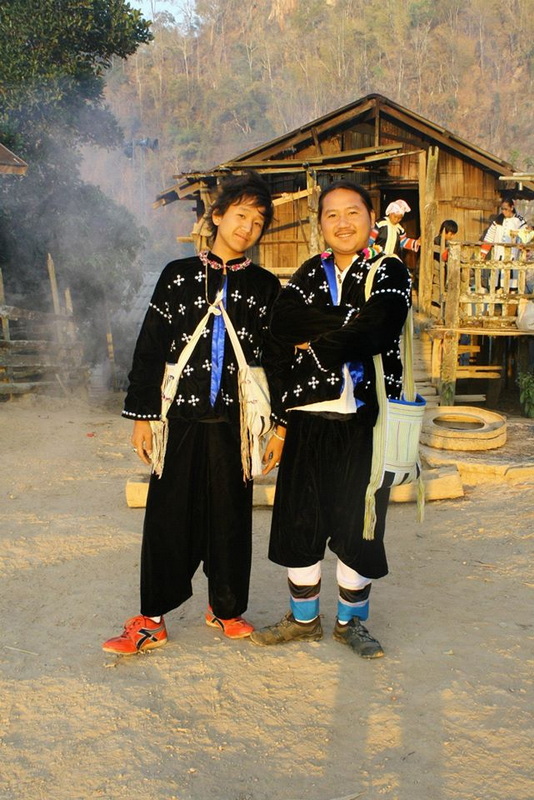
Choosing a Lahu Hill Tribe tour becomes easier when the decision starts with the experience you want to have. Some travelers prefer a short introduction to community life, while others want more time for food, craft, farming, landscape, or conversation. These options are not interchangeable, and the most suitable choice depends on how much interaction you expect, how closely the community is involved, and how clearly the operator explains its role. Rather than judging a tour by a long list of stops, compare the design behind the visit. Does the description identify who leads the activity? Does it explain what guests are invited to do? Are residents presented as participants with choices, or only as scenery for a packaged product? This guide helps culture-focused travelers assess those details before booking. It also separates the needs of different visitors, from first-time guests seeking a concise introduction to travelers who want a more focused Lahu Hill Tribe experience. The goal is a practical decision, supported by clear information and considerate expectations.
Start With the Purpose of the Visit
The first comparison is between learning goals. A general hill community excursion may suit a traveler who wants a broad introduction to Northern Thailand, with the Lahu Hill Tribe included as one part of a wider cultural day. A more focused Lahu tour is better for someone whose main interest is understanding local perspectives, community activities, and the way a visit is hosted.
Look at the wording used to describe the experience. A useful description should identify its central subject rather than relying only on attractive scenery or a generic promise of an unforgettable day. Terms such as village interpretation, local food knowledge, craft activity, agricultural learning, or guided conversation suggest different kinds of engagement. None is automatically better; the important point is whether the stated purpose matches your own.
Travelers searching for the Best Hill Tribe Tours Chiang Mai should therefore make a short list of priorities before comparing providers. Decide whether you want cultural explanation, hands-on learning, a quiet rural setting, or a deeper discussion with a community representative. This prevents a broad tour from being selected when a specialized experience is actually the better fit.
Match the Format to Your Preferred Level of Interaction
Tour formats can be compared by the amount and type of participation they offer. A guided interpretive visit usually places the emphasis on explanation. It may suit first-time visitors, families, or travelers who prefer to learn through observation and questions directed to a guide. Its trade-off is that direct contact with residents may be limited, so the booking description should explain who provides the interpretation.
A food or craft-focused visit creates a more defined activity. This can work well for travelers who enjoy learning through a shared task rather than sitting through a long presentation. The key question is whether the activity has a clear local connection and whether the people demonstrating it are acknowledged as contributors, not simply used to decorate a tour schedule.
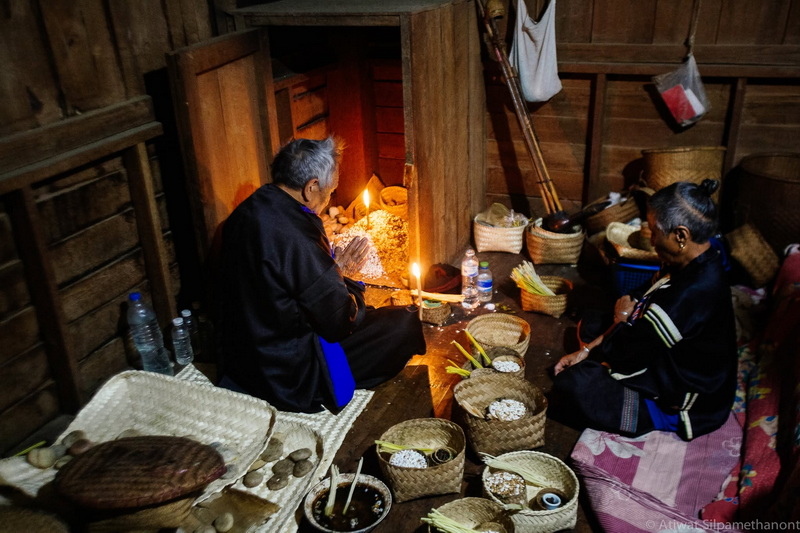
A community-led conversation or small-group learning session may suit visitors who value dialogue and have enough patience for an unhurried exchange. It is not necessarily the right choice for every family or large group, particularly when different ages and attention spans require a more flexible format. Ask how the interaction is structured, what language support is available, and whether guests are expected to participate actively or mainly listen.
Landscape-oriented tours can appeal to travelers interested in agriculture, forest surroundings, or the relationship between settlement and mountain environment. Their cultural content may be lighter than that of a dedicated community activity. This format is a reasonable choice when scenery and local interpretation are equally important, but it should not be selected under the assumption that every rural walk provides the same depth of cultural insight.
Check Who Shapes the Experience
The strongest comparison point is not the tour label; it is the evidence of community involvement. Look for a description that explains whether local residents guide an activity, provide knowledge, host a workshop, or help determine what visitors are able to see and do. Specific roles are more informative than broad claims about supporting villages.
Transparency can also be assessed through the level of detail provided about the visit. A reliable description should distinguish between an activity arranged with community input and one interpreted entirely by an outside guide. It should state what guests will encounter without promising access to every aspect of local life. Clear boundaries are a positive sign because they show that the experience has been defined rather than improvised around visitor curiosity.
Consider the scale of the group as a design issue. A smaller group may allow more room for questions and reduce pressure during a shared activity, while a larger group may be more suitable for travelers who prefer a structured introduction. Neither format should be judged by size alone. Ask how the group is managed, whether the activity can remain meaningful for everyone, and whether the operator explains how residents participate when several guests arrive together.
For travelers researching Muser Hill Tribe Information Thailand, terminology can also reveal how carefully an operator writes. Muser Hill Tribe and Muser Hilltribe are terms commonly encountered in travel searches, but a responsible description should avoid treating labels as a substitute for explanation. The useful question is not which keyword appears most often; it is whether the operator provides accurate, measured information and identifies the particular community experience being offered.
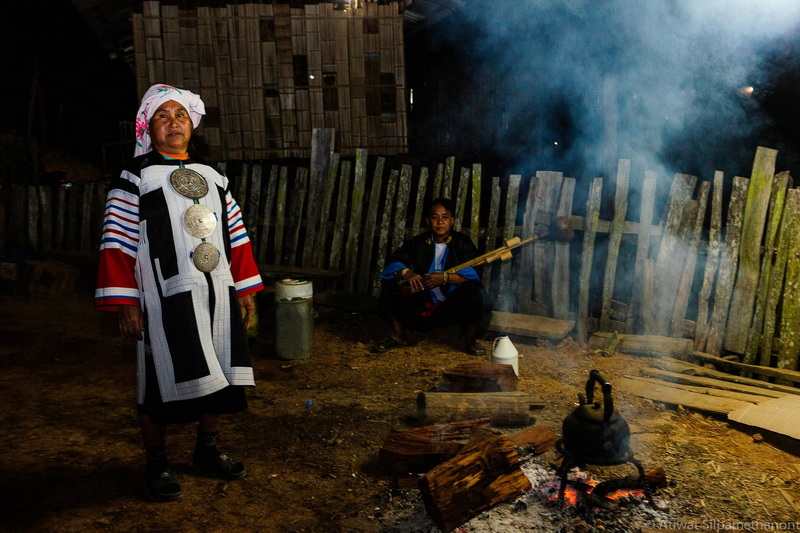
Compare Group Design Before You Commit
Different travelers need different levels of structure. Families may value an activity with a clear beginning and end, practical participation, and explanations that work for several age groups. Couples may prefer a quieter format with time for discussion. Solo travelers often benefit from a setting where the guide makes introductions and explains how to join activities without placing all responsibility on the guest.
A group interested in photography, food, or traditional skills may want a specialist emphasis, but the description should make clear whether the activity is primarily instructional or simply included as a brief stop. Travelers with a strong interest in the Lahu Hill Tribe Information Thailand may prefer a format that allows questions about history, community decision-making, and everyday work, provided the operator presents those subjects with appropriate care.
Read the inclusions and exclusions as indicators of structure, not merely as administrative details. If the description explains the purpose of each major activity, the sequence is easier to assess. If it only lists several appealing experiences without saying how they connect, the tour may be designed around variety rather than depth. Choose according to your tolerance for movement between topics and your interest in staying with one subject long enough to understand it.
Use a Clear Booking Question Set
Before choosing among hill tribe tours, send a short set of questions to the operator or read the published information closely. The answers should help you understand the experience without requiring promises about an ideal outcome.
Useful questions include: What is the main learning purpose of this tour? Who leads each community-based activity? Which parts are interpreted by the outside guide? How is the group size decided? What choices do local participants have about the visit? Are guests expected to buy, taste, make, or join anything, or are those activities optional? What happens if a planned activity is not available on the day? These questions test clarity rather than demanding access.
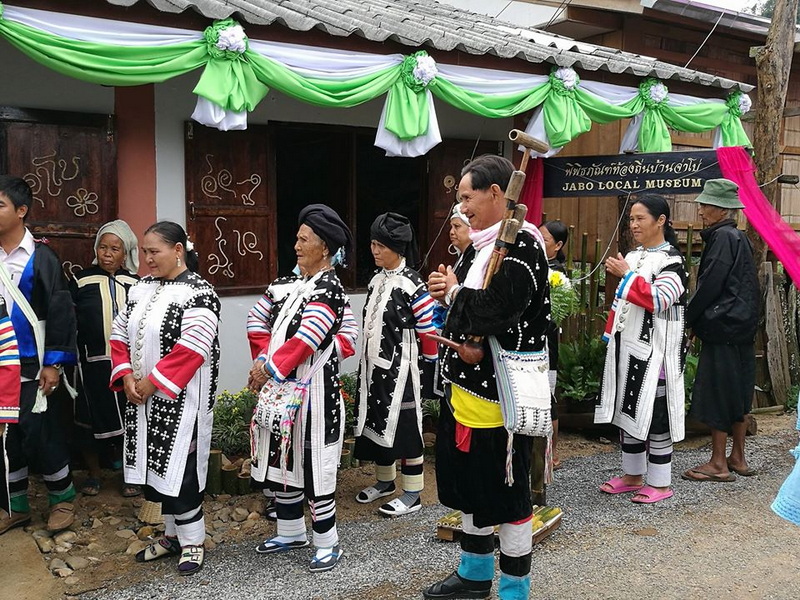
Also check whether the tour distinguishes confirmed features from possibilities. Careful wording may explain that community activities can vary, while vague wording may imply that every guest will receive the same highly arranged encounter. A transparent operator can describe the intended format while acknowledging normal variation. This helps travelers arrive with realistic expectations and reduces pressure on hosts to deliver a fixed performance.
When comparing a Chiang Mai Package Tour with a more specialized booking, convenience may be the deciding factor, but convenience should not replace information. A broad package can be appropriate for a traveler with limited interest in one cultural subject. A focused tour may be preferable when the Lahu Hill Tribe is the principal reason for booking. The right choice is the one whose purpose, participation model, and group design are easiest to understand.
Make the Final Choice by Evidence
After comparing several options, score each one against five practical criteria: clear purpose, stated community role, suitable interaction level, workable group design, and honest description of variation. A tour does not need to promise every possible activity to score well. In fact, a narrower description may be more useful when it explains exactly what the experience is intended to provide.
Be cautious when a listing depends mainly on dramatic wording, broad claims about authenticity, or a long catalogue of attractions with little explanation. Those features do not necessarily prove that a tour is poorly designed, but they leave important questions unanswered. Give greater weight to specific information about people, activities, responsibilities, and visitor expectations.
This method works for independent travelers as well as those considering the Best Hill Tribe Tours Chiang Mai through a larger booking provider. It also helps separate a genuinely focused Lahu Hill Tribe option from a general Northern Thailand excursion that happens to use Lahu-related terms in its description.
Why This Place Stays With You
Choose the Lahu Hilltribe tour whose description lets you answer five questions before booking: why the visit exists, what you will actually do, who contributes to it, how the group is handled, and what may vary. If those answers are specific and consistent, the format is easier to match with your interests and easier to approach with suitable expectations. If key details remain unclear, continue comparing rather than relying on promotional language. For a culture-focused traveler, a well-defined experience is the most useful starting point for respectful engagement in Northern Thailand.
ไม่มีความคิดเห็น:
แสดงความคิดเห็น