Pong Nam Ron Thapai Guided Tours and Visitor Information
Plan a comfortable visit with practical tour advice, safety guidance, and nearby Pai attractions
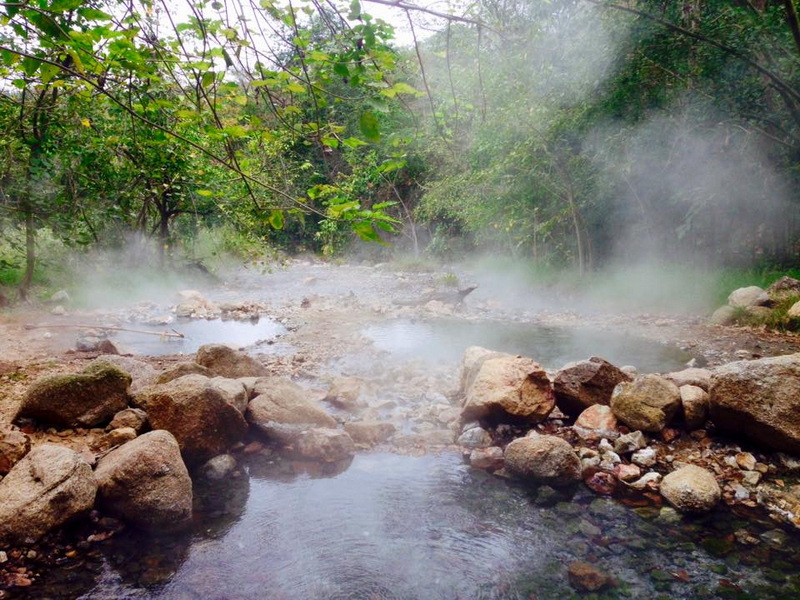
Pong Nam Ron Thapai, also known as Tha Pai Hot Spring, is a forested geothermal site in Pai District, Mae Hong Son. Warm mineral water, shaded trails, and the quiet setting make it a natural stop for travelers who want a slower experience between Pai’s viewpoints, waterfalls, and cultural sites. The attraction is not simply a place to take a quick photograph; it is also an opportunity to observe how visitors share a sensitive natural area responsibly. For an international traveler arriving from Chiang Mai, the route and the mountain roads are important parts of the planning. A guided itinerary can reduce the work of arranging transport, especially when the hot spring is included in a wider Pai or Mae Hong Son journey. This focused guide explains what to ask before booking, what to expect at the site, and how to combine the visit with Wat Phra That Mae Yen and Mor Paeng Waterfall without making the day feel rushed. Conditions, access arrangements, and conservation rules can change, so travelers should confirm current details with their tour operator or the relevant local authority. The most useful preparation is straightforward: allow enough time, wear suitable footwear, follow bathing and safety rules, and treat the surrounding forest as part of the attraction rather than merely a backdrop.
Choosing a Guided Route from Chiang Mai
Guided Tours From Chiang Mai To Mae Hong Son can be arranged in several different formats, but Pong Nam Ron Thapai is more naturally suited to an itinerary that includes Pai rather than a very compressed transfer. The road from Chiang Mai crosses mountainous terrain, and the journey may take a substantial part of the day depending on the route, traffic, weather, and planned stops. For that reason, travelers should read the itinerary carefully instead of assuming that every Mae Hong Son tour gives the hot spring enough time.
When comparing tours, check whether the program is a day excursion, a multi-day loop, or a route combining Chiang Mai, Pai, and other parts of Mae Hong Son. Ask how long the group expects to spend at the hot spring, whether admission or local access charges are included, and whether the guide will accompany visitors into the site. These questions are more useful than choosing an itinerary only by the number of attractions listed. A schedule with fewer stops may provide a more comfortable visit.
A guided trip can be especially helpful for first-time visitors who are unfamiliar with the winding roads around northern Thailand. The guide may also explain how the hot spring fits into the geography of Pai District and advise the group about footwear, walking surfaces, bathing areas, and photography etiquette. However, travelers should still confirm the current meeting point, vehicle arrangements, luggage policy, and weather contingency directly with the operator. Exact schedules and services vary, and they should not be presumed.
If your main purpose is to enjoy the hot spring rather than collect many landmarks, state that preference when making an inquiry. A well-planned route can leave room for a calm walk, time to change, and a short break before continuing. Travelers prone to motion sickness may also wish to ask about the road conditions and seating arrangements, since the mountain route can be demanding for some passengers.
What to Expect at Tha Pai Hot Spring
Tha Pai Hot Spring lies in a green natural setting where geothermal water emerges through the ground and flows through the landscape. The site is associated with warm pools and mineral water, while some areas can be considerably hotter than others. Visitors should rely on signs, barriers, and staff instructions rather than judging temperature by appearance. Water that looks calm may still be too hot for safe contact.
The experience is generally more about observing the setting and using designated areas than searching for dramatic activity. Depending on current management arrangements, some pools may be intended for viewing while others may be suitable for bathing. Rules can differ by location and season. Before entering any pool, confirm that bathing is allowed, check the temperature if a facility provides a safe way to do so, and avoid placing hands or feet near visibly hot outlets.
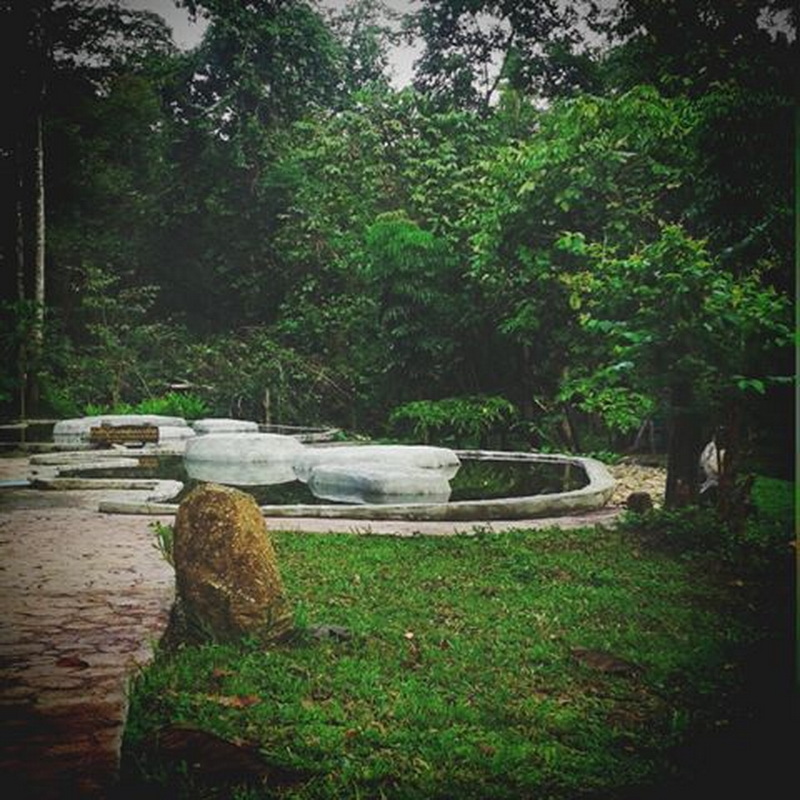
A light day bag is practical. Bring drinking water, sun protection, insect repellent, a towel or change of clothes if bathing is permitted, and shoes with a reliable grip. Paths may be uneven, damp, or affected by rain. Keep valuables secure, and use changing facilities only where they are provided. Visitors with medical conditions affected by heat should seek professional advice before bathing and should leave the water immediately if they feel dizzy, weak, or uncomfortable.
The forest atmosphere rewards a patient pace. Listen to the guide’s interpretation, notice the contrast between warm water and surrounding vegetation, and avoid disturbing plants or wildlife. Do not pour soaps, oils, or other products into natural pools. Food waste, plastic, and cigarette litter have an outsized effect in a small natural area, so everything brought in should be carried out or placed in the correct bins.
A First-Time Visitor Plan
Before you Visit Thapai Hot Spring, review the day’s route and decide whether you want a bathing stop, a nature walk, or simply an introduction to the geothermal landscape. This small decision helps your guide set realistic expectations. If the visit is part of a longer loop, wear clothing that remains comfortable after walking and keep a dry layer available for the next stop.
Arrival is usually easier when the group stays together and listens to the guide’s first briefing. Note the meeting place, toilets, changing areas, emergency procedures, and any restricted zones before exploring. If you are traveling independently within a guided package, ask how to return to the vehicle and what time the group will depart. Mountain attractions may have limited mobile reception, so do not depend entirely on a phone for orientation.
The best time of day depends on the season, weather, and tour schedule rather than a single universal rule. Cooler periods can make walking and bathing more comfortable, while rain may make paths slippery and affect road travel. Ask for current local advice shortly before departure. A responsible operator should be willing to adjust the plan if conditions create a safety concern, rather than treating every stop as compulsory.
Respectful conduct matters in a shared public landscape. Keep voices moderate, dress appropriately for the setting, and give other visitors space around bathing and changing areas. Photography should never intrude on people who are relaxing. The name Pong Nam Ron Tha Pai may appear in different transliterations, but the practical message is the same: this is a natural and managed site that benefits from care, patience, and attention to local rules.
Making the Hot Spring Part of a Thoughtful Mae Hong Son Journey
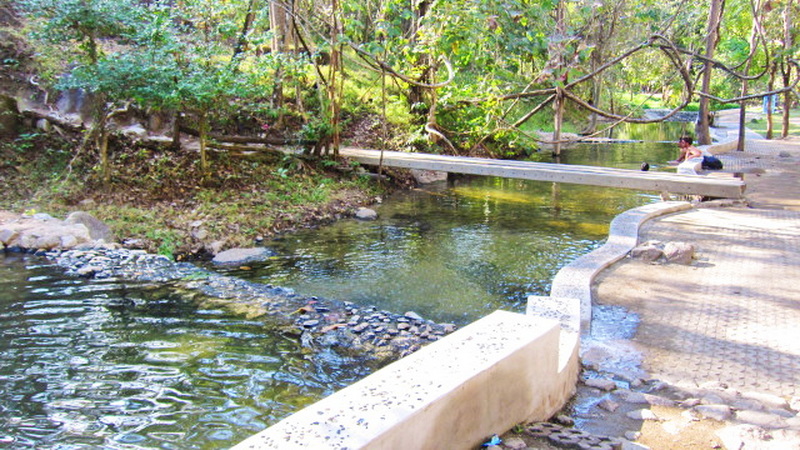
The hot spring works well as one component of a regional itinerary because it offers a change of pace from road travel and urban sightseeing. A visit can introduce the geological character of northern Thailand without requiring a strenuous hike or a long technical explanation. Guides can add context about the landscape, but travelers should distinguish general interpretation from claims about health benefits. Warm water may feel relaxing, yet it should not be presented as a treatment or a guarantee of improved health.
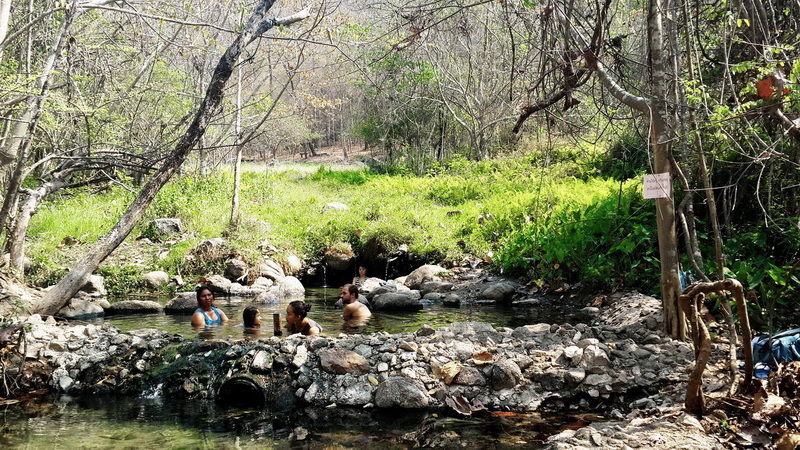
A broader Tha Pai Hot Spring Travel Guide should also acknowledge the communities and environments connected to tourism in Pai District. Choose operators that communicate clearly, manage waste responsibly, and avoid encouraging guests to trespass or disturb local places. Support for local services should be thoughtful rather than extractive: follow posted rules, pay required fees through official channels, and ask before photographing people, homes, ceremonies, or private property.
Travelers continuing toward Mae Hong Son may find that a slower schedule creates a better understanding of the province. The roads, forests, temples, farms, and small settlements are not merely scenery between headline attractions. Allowing time for rest also reduces pressure on drivers and passengers. If a planned route becomes too full, dropping one stop can be a sensible choice and may make the remaining experiences more meaningful.
For visitors considering a return, note the season, weather, accessibility, and the areas that were open during the visit. Natural attractions can change in response to rainfall, maintenance, conservation decisions, or safety conditions. Current information is therefore more reliable than an old social media post or a fixed assumption about facilities.
Pairing the Visit with Nearby Sights
A practical tour plan can combine Pong Nam Ron Thapai with one nearby cultural stop and one natural stop, provided the travel time remains reasonable. Wat Phra That Mae Yen offers a contrasting experience focused on Buddhist architecture, elevated views, and quiet reflection. Mor Paeng Waterfall provides another change of atmosphere, with flowing water and a setting associated with outdoor sightseeing. Each location calls for different behavior, so the day feels varied without requiring a crowded checklist.
Ask the guide to explain the order of stops and the expected walking involved. A temple visit may require appropriate clothing and respectful conduct, while a waterfall area may involve slippery ground or uneven paths. The hot spring itself also requires caution around heat. Treating these differences as part of the planning process helps first-time visitors remain comfortable and prevents avoidable disruption.
If you are joining a group, remember that other travelers may have different abilities, interests, or comfort levels. Stay within agreed meeting times, tell the guide if you need assistance, and avoid pressuring anyone to enter water or climb a viewpoint. A considerate group rhythm is particularly valuable on a long route from Chiang Mai, where fatigue can build before the final stop.
Nearby Attractions
Wat Phra That Mae Yen
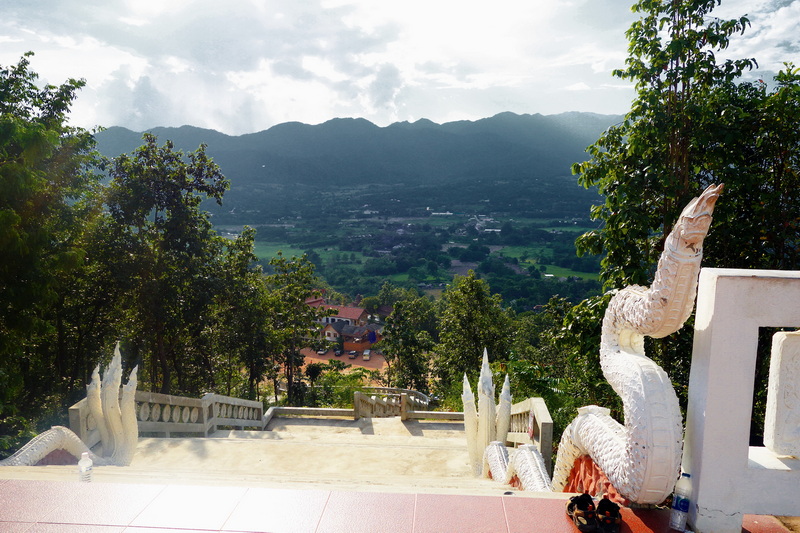
Wat Phra That Mae Yen is a hilltop temple near Pai known for its elevated setting and broad views across the surrounding valley. It provides a cultural counterpoint to the geothermal landscape of Tha Pai Hot Spring. Visitors should dress respectfully, keep noise low, and follow any instructions about sacred areas. Steps and exposed sections may feel tiring after a long day, so ask the guide about the walking distance and allow time to pause.
Combining the temple with the hot spring can help create a balanced itinerary: one stop emphasizes natural processes, while the other invites attention to local religious practice and landscape. Photography should remain considerate, especially when worshippers are present.
Mor Paeng Waterfall
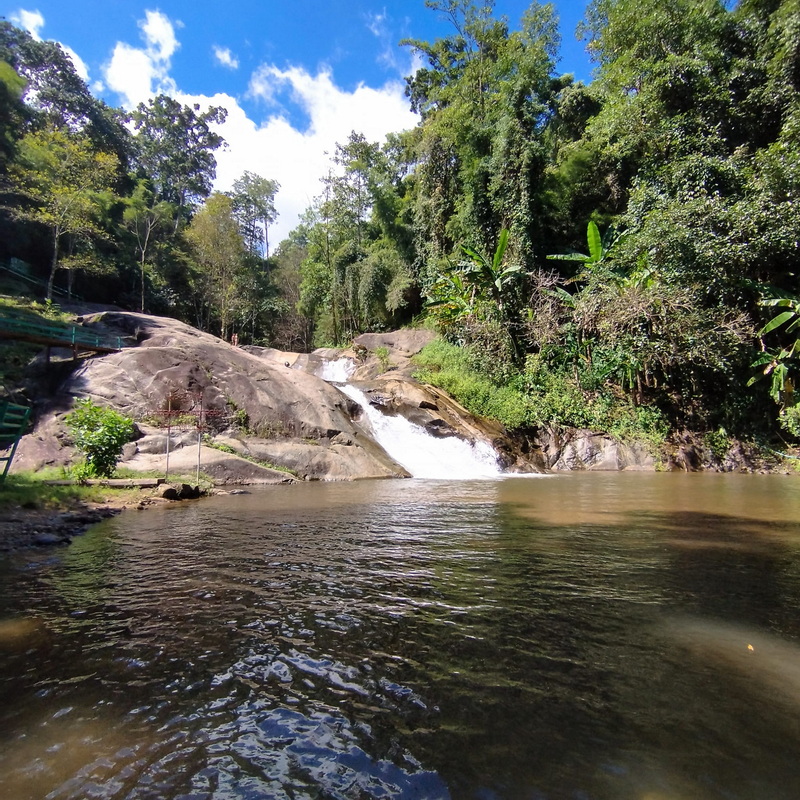
Mor Paeng Waterfall is a natural attraction in the Pai area where visitors can enjoy a short outdoor stop amid rocks, trees, and flowing water. Conditions can vary with rainfall, and wet surfaces may be slippery. Wear footwear with good traction, stay within permitted areas, and do not assume that every pool or ledge is safe for swimming or climbing.
The waterfall pairs naturally with a Thapai Hot Spring Visitor Guide because both stops involve water but require different precautions. At the hot spring, heat is the principal concern; at Mor Paeng Waterfall, uneven ground, currents, and slick rocks deserve attention. A guide can help the group understand the current conditions and keep the visit within a realistic timetable.
Why This Place Stays With You
Pong Nam Ron Thapai is easiest to appreciate when the journey is planned around comfort, safety, and time rather than the largest possible list of stops. A guided route from Chiang Mai can simplify the mountain travel and add useful local context, while careful questions help ensure the itinerary suits your interests. Allow space for the hot spring’s forest setting, respect bathing and temple etiquette, and check current conditions before departure. With those basics in place, Tha Pai Hot Spring can become a thoughtful part of a wider Mae Hong Son journey.
ไม่มีความคิดเห็น:
แสดงความคิดเห็น