Guided Touring Around Tha Pai Memorial Bridge
A thoughtful route connecting wartime history, mountain scenery, and cultural landmarks around Pai
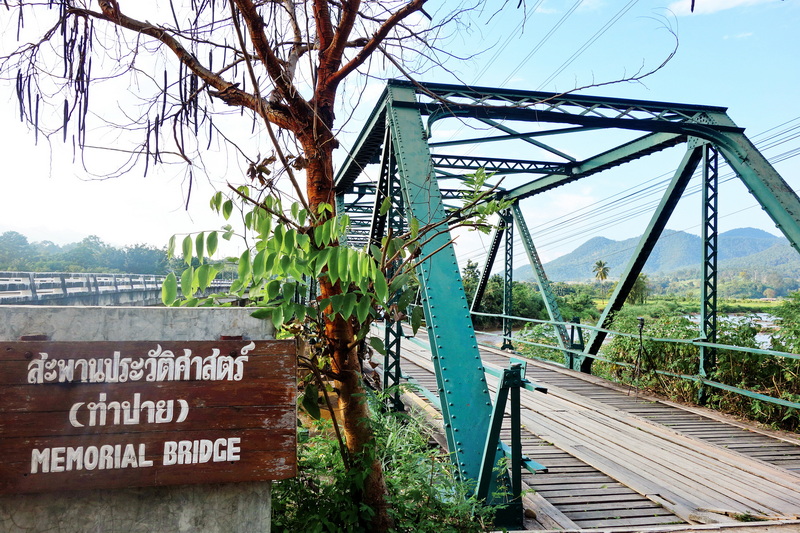
A visit to Tha Pai Memorial Bridge is most rewarding when it is treated as more than a brief photo stop. The bridge stands in Pai District, Mae Hong Son, within a landscape of wooded hills, open farmland, and winding roads. Its simple structure draws attention to the history of the area, while the nearby cultural and natural sights give a guided outing greater depth. For travelers comparing Guided Tours From Chiang Mai To Mae Hong Son, the bridge can serve as a meaningful stop on a broader journey through northern Thailand. A guide may help place the site within the story of the Mae Hong Son region, explain why the crossing is associated with the Second World War, and encourage visitors to observe the setting respectfully. The most useful tour experience is not necessarily the one with the most stops, but the one that leaves enough time to understand each place. This article focuses on how to approach the bridge and its nearby attractions without assuming particular schedules, prices, or package inclusions. It also considers the balance between historical reflection and the quiet pleasures of visiting Wat Phra That Mae Yen and Sai Ngam Hot Spring.
Beginning with the Bridge’s Historical Setting
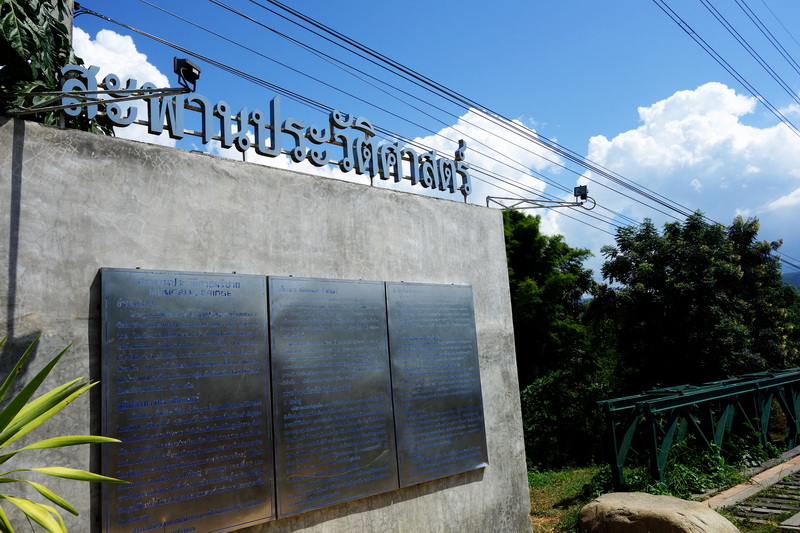
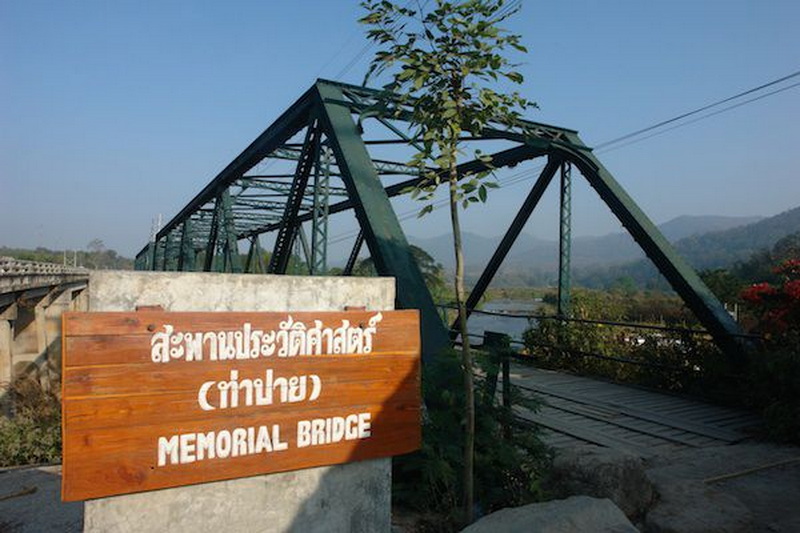
The landmark is widely known as Pai Memorial Bridge, Pai Historical Bridge, and the Tha Pai World War II Memorial Bridge. It is generally associated with the wartime road network developed in the region during the Second World War. Accounts commonly describe a bridge being built over the Pai River during that period, with local people involved in difficult construction conditions. The present structure and its history should therefore be approached as a memorial landscape rather than as an ordinary crossing.
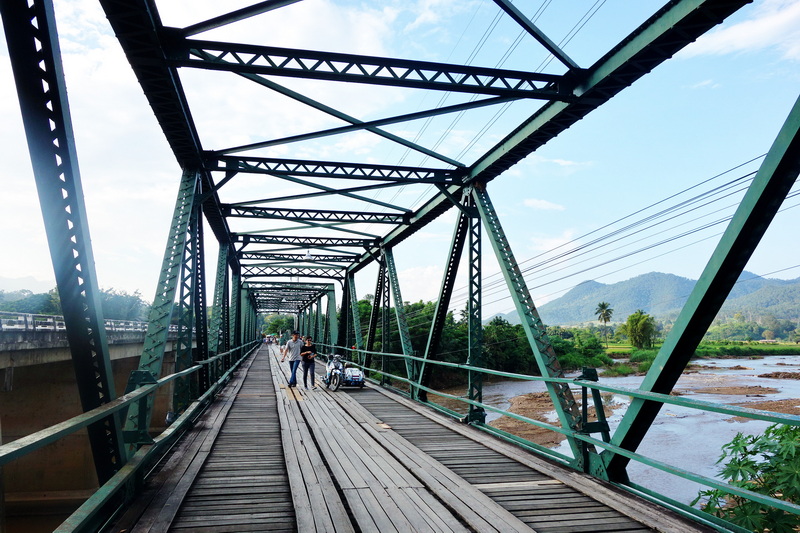
The bridge’s appearance is modest, which makes its context especially important. Visitors may notice the metal framework, the river below, and the rural surroundings before they understand the weight of the name World War II Memorial Bridge Pai. A respectful visit allows space for both observation and thought. The site is not a place for theatrical storytelling or exaggerated claims; its value comes from remembering how international conflict affected people and places far from the main battlefields.
A guide can add useful context by separating established history from local stories or simplified travel descriptions. Travelers should listen for explanations of the route, the river, the wartime period, and the bridge’s later role as a heritage attraction. Asking considerate questions can make the stop more educational, especially when the guide explains the area without turning local memory into entertainment.
How Guided Tours Can Shape the Visit
A guided itinerary from Chiang Mai to Pai and onward through Mae Hong Son may place the bridge within a larger regional story. Instead of seeing the landmark in isolation, visitors can understand how mountain roads connect communities, temples, hot springs, farms, and historical sites. The bridge becomes one chapter in a journey through changing landscapes rather than a disconnected landmark checked off a list.
Travelers considering Guided Tours From Chiang Mai To Mae Hong Son should examine the purpose of an itinerary rather than rely only on its name. Some tours may emphasize scenery, while others may give more attention to heritage and local culture. Since schedules and inclusions vary, it is sensible to confirm the actual route, available time, and guiding approach before making arrangements. This article does not assume that every tour visits the same locations or provides the same interpretation.
The strongest guided experience encourages an unhurried attitude. At the bridge, that may mean allowing time to look at the structure, read any available public information, and consider the river landscape. A knowledgeable guide can also remind visitors that memorials deserve appropriate behavior: quiet conversation where suitable, careful photography, and no climbing on restricted parts of the structure. These simple choices help preserve the dignity of the site.
For independent travelers joining part of a guided journey, the same principle applies. The bridge can be used as a point of orientation before continuing to other attractions in Pai District. The important question is not how quickly the group can move on, but what relationship the visit creates between the traveler, the history, and the surrounding community.
Reading the Landscape Around Tha Pai World War II Bridge
The Tha Pai World War II Bridge sits in an environment where natural scenery softens the visual impression of the historical structure. The Pai River and surrounding vegetation help explain why this crossing mattered as part of movement through a mountainous area. Depending on season and weather, the landscape may appear lush, dry, misty, or brightly open. These changes are part of the experience, but they should not distract from the memorial meaning of the site.
A guided visit can invite travelers to notice details that are easy to miss during a quick stop: the relationship between the road and the river, the way the bridge fits into the valley, and the contrast between present-day tourism and the difficult history connected with its construction. This kind of observation makes the visit more thoughtful than simply collecting a photograph with the bridge.
The surrounding area also calls for ordinary countryside courtesy. Visitors should remain aware of traffic, avoid blocking access, and leave no rubbish. If people are working nearby, photographing them should be approached with permission and sensitivity. Respect for the landscape is part of respecting the memorial, because the site belongs to a lived-in region rather than existing solely for visitors.
Connecting History with Cultural and Natural Stops
The bridge works well in a guided day of varied experiences because its historical character contrasts with Pai’s spiritual and natural attractions. After considering the memorial, travelers may be ready for a temple viewpoint or a quieter encounter with forest and spring water. Such a sequence creates a balanced understanding of Mae Hong Son: the province is not only scenic, and its history is not separate from its living cultural landscape.
Wat Phra That Mae Yen offers a different kind of perspective. Located on a hill above Pai, the temple is associated with Buddhist worship and broad views over the valley. Visitors should dress respectfully, keep voices moderate, and follow any guidance about areas of worship. The temple can encourage a slower pace after the roadside setting of the bridge, with attention turning from wartime infrastructure to faith, landscape, and the continuing life of the local community.
Sai Ngam Hot Spring provides another change of atmosphere. Set in a forested environment, the spring is valued for its warm, natural waters and peaceful surroundings. Conditions in natural areas can vary, so travelers should follow local instructions, respect designated areas, and avoid treating the site as an unrestricted playground. A guide may help explain the environmental character of the spring, but visitors should still observe the place for themselves and minimize disturbance.
Including these locations in a broader route does not erase the differences between them. The bridge calls for historical reflection, the temple calls for cultural respect, and the hot spring calls for environmental care. Together, they show why a guided tour can be useful when it connects places through meaning rather than merely arranging a series of stops.
Planning a More Meaningful Guided Stop
Before choosing a tour connected with Pai Memorial Bridge Mae Hong Son, travelers can consider several practical questions. Is the itinerary primarily historical, scenic, cultural, or a mixture? Does the time allowed at each attraction support genuine observation? Will the guide explain local etiquette and historical context? Clear answers help visitors select an experience that matches their interests without assuming that every advertised route is identical.
Comfort and attention also matter. Mountain journeys can involve changing weather and periods of travel between attractions, so visitors may prefer a flexible mindset and suitable clothing for both outdoor viewing and temple visits. Because exact operating details can change, current information should be checked directly with the relevant tour provider or local authority. A responsible article or guide should not promise fixed availability, travel times, or inclusions without verification.
Most importantly, travelers can keep the bridge’s identity in view. It is sometimes called the Tha Pai World War II Bridge, but it is not simply a decorative landmark. Listening carefully, avoiding sensational photographs, and allowing the site to remain quiet are small ways to acknowledge the people and history connected with it. The surrounding attractions then become companions to the memorial rather than distractions from it.
Nearby Attractions
Wat Phra That Mae Yen
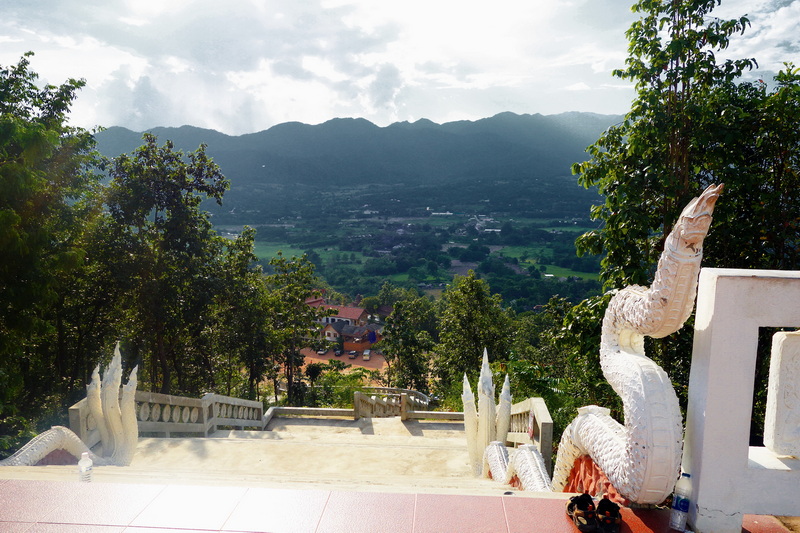
Wat Phra That Mae Yen is a hilltop Buddhist temple near Pai known for its elevated outlook across the valley. Its setting gives travelers a visual connection to the roads, fields, and settlements surrounding the town. A visit is best approached as a cultural experience rather than only as a viewpoint: modest clothing, respectful conduct, and attention to worshippers help preserve the temple’s atmosphere.
When paired with Pai Memorial Bridge, the temple adds a living spiritual dimension to a historically focused itinerary. A guide may explain local customs and help visitors understand why the temple remains important beyond its scenery. The change from river crossing to hillside sanctuary also gives a tour a natural rhythm, moving from remembrance toward contemplation.
Sai Ngam Hot Spring

Sai Ngam Hot Spring offers a nature-focused contrast to the bridge. Its warm water and forest surroundings create a calmer setting in which visitors can appreciate the character of the Pai area. The attraction is best enjoyed with care for the environment: follow local directions, use only appropriate areas, and avoid leaving litter or disturbing plants and wildlife.
For a guided route, the spring can provide a gentle counterpoint to historical interpretation. After learning about the Tha Pai World War II Bridge, travelers may find that the quiet woodland setting encourages a different form of attention. The value lies not in rushing through the stop, but in recognizing how cultural heritage and natural places share the same regional landscape.
Why This Place Stays With You
Tha Pai Memorial Bridge offers a compact but significant encounter with the history of Pai District, Mae Hong Son. When included in a carefully explained guided itinerary, it can be understood alongside the living culture of Wat Phra That Mae Yen and the natural calm of Sai Ngam Hot Spring. Travelers do not need dramatic storytelling to appreciate the route. Patience, respectful behavior, and curiosity are enough to connect the memorial with the wider landscape. That approach turns a short sightseeing stop into a more considered introduction to the region.
ไม่มีความคิดเห็น:
แสดงความคิดเห็น