Pong Dueat Geyser A Guide to Reading Northern Thailand Tour Descriptions
A focused guide to geothermal vocabulary, hot-spring labels, and nature-led tour language around Mae Taeng
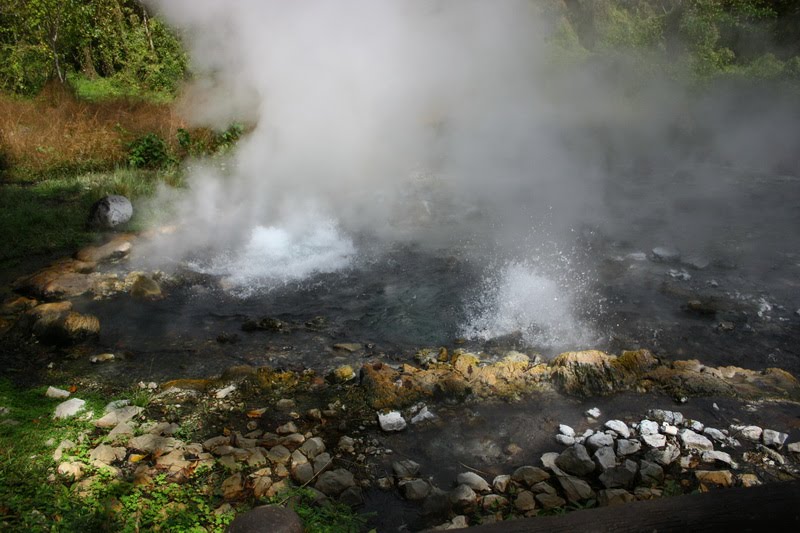
A tour description can make Pong Dueat Geyser sound like several different experiences. One listing may call it a hot spring, another may use the name Pong Dueat Pa Pae, and a third may place it within a scenic mountain itinerary. These labels are not interchangeable in emphasis: one highlights heated water, another points to the geyser-like feature, and a broader route description may be referring to the setting as a nature stop. That makes this attraction especially useful for readers who want to understand northern Thailand travel language before choosing an outing. Pong Dueat Hot Spring is in Mae Taeng District, Chiang Mai, and its defining appeal is the meeting of geothermal water with a natural outdoor setting. A short visit can therefore be read through several lenses at once: earth science, bathing culture, landscape observation, or regional sightseeing. This guide treats the destination as a vocabulary key. It explains what common labels suggest, how Pong Dueat fits discussions of the Best Hot Springs in Chiang Mai, and why the phrase Guided Tours From Chiang Mai To Mae Hong Son can describe a travel theme without telling the whole story of a particular itinerary. The goal is not to promote a specific package. It is to help nature-minded visitors understand what kind of experience the words are pointing toward.
One Site, Several Useful Names
Pong Dueat Hot Spring is the clearest destination name for general travel searches. Pong Dueat Geyser draws attention to the feature that makes the place memorable: geothermal water can bubble or spurt from the ground in geyser-like activity. Pong Dueat Pa Pae and Pong Dueat Pa Pae Hot Spring are additional wording variations that may appear in travel content, maps, or search results. Readers should treat these as naming clues connected with the same destination topic, not as a reason to imagine several separate attractions.
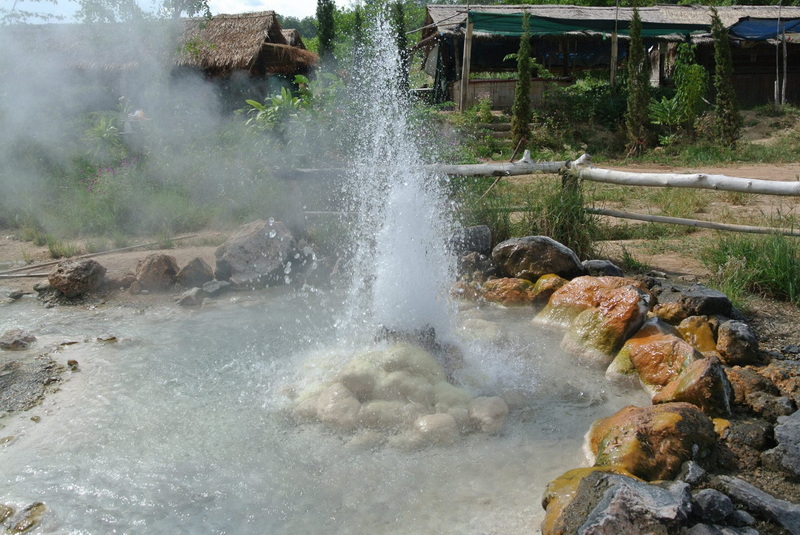
The word “geyser” also changes the expected visitor experience. A conventional hot spring is often discussed through bathing pools, warm water, or relaxation. A geyser label directs attention toward movement: water rising, bubbling, steaming, or leaving mineral traces around the spring area. The attraction’s interest begins before anyone considers a soak. It lies in watching a force from below the surface make itself visible.
Only a small amount of geology is needed to understand the scene. Rainwater moves into the ground, encounters heat below, and returns upward through cracks and channels. At Pong Dueat, that process produces naturally heated water and visible geothermal activity within Mae Taeng’s green surroundings. The explanation is simple, but it gives the site a strong sense of place: the water is not merely heated for visitors; it arrives as part of an active earth system.
What “Best Hot Springs in Chiang Mai” Can Mean
The phrase Best Hot Springs in Chiang Mai is a comparison label, not a single standard of quality. “Best” may mean the strongest geothermal display, the most appealing bathing environment, the easiest cultural stop, or the most interesting setting for a short nature visit. Pong Dueat earns attention within that conversation because its geyser-like activity gives the destination an observable natural feature beyond the general idea of warm water.
A useful comparison starts with the visitor’s subject of interest. Someone focused on bathing may judge a hot spring by pools, water temperature, atmosphere, and the amount of time available for relaxation. Someone drawn to natural processes may place greater weight on bubbling water, steam, mineral colouring, and the chance to see how a spring behaves. Pong Dueat belongs firmly in the second conversation, even though the word “hot spring” keeps it connected to the first.
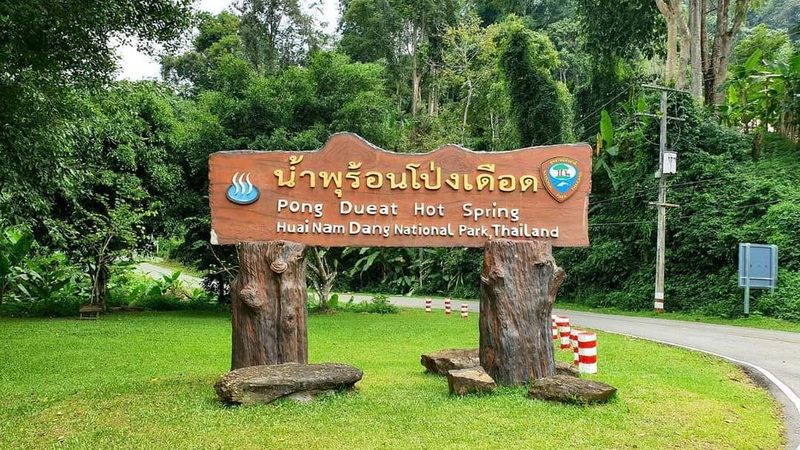
Search language can also blur local naming. Pa Pae Hot Spring may appear beside Pong Dueat-related searches, while Pong Dueat Pa Pae Hot Spring Chiang Mai and Pong Dueat Pa Pae Hot Spring Thailand are longer versions aimed at travellers searching by destination, region, or country. These phrases are useful for discovery, but the meaningful question is what the page or itinerary actually emphasizes: a geothermal feature, bathing, a forest stop, or a wider northern route.
This is why the best comparison is experiential instead of competitive. Pong Dueat is compelling for visitors who want a spring with visible geothermal character and an outdoor setting. Another hot spring may appeal more strongly to someone whose priority is an extended bathing session. Neither judgment needs a ranking; each describes a different way of valuing thermal places.
Reading the Route Words Around Mae Hong Son
The phrase Guided Tours From Chiang Mai To Mae Hong Son usually signals a regional travel theme: northern mountains, long-distance road scenery, cultural stops, and natural attractions linked across a larger journey. When Pong Dueat appears in that search environment, its role is often best understood as a geothermal point of interest within that theme. The phrase alone does not describe the spring’s physical character, so the destination name remains important.
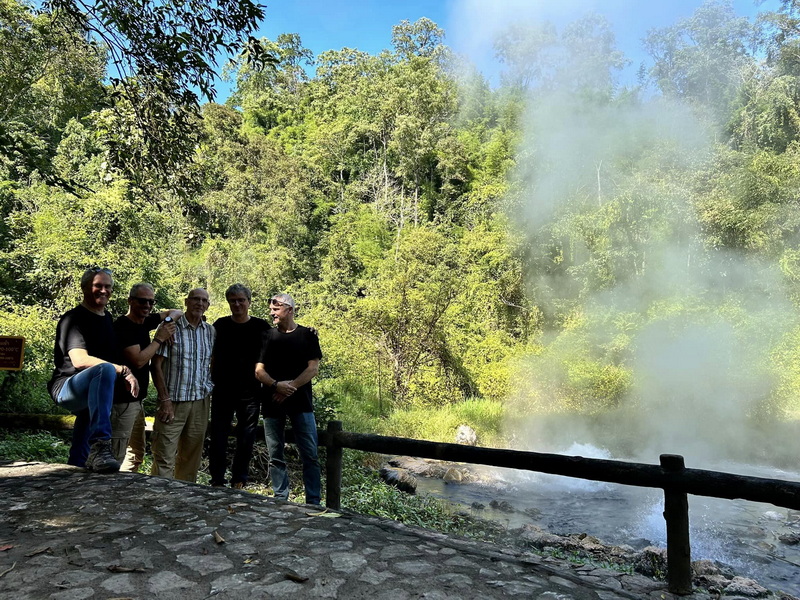
Several common expressions help reveal the intended emphasis of a description. A “nature stop” suggests that the place contributes scenery, earth features, or outdoor interest. A “scenic detour” presents the attraction as a memorable interruption in a longer route. A “mountain route” places the spring within northern topography and road-based exploration. A “hot-spring visit” gives the thermal element priority. These terms overlap, yet each one prepares the reader to notice something different.
A listing that calls Pong Dueat a geyser stop is inviting observation of the water’s activity. A description that calls it a wellness stop may foreground warmth and rest. If it appears as part of a Mae Hong Son travel narrative, the attraction may function as one chapter in a regional story instead of the sole purpose of the day. This distinction helps readers interpret tour language without mistaking a broad search phrase for a detailed itinerary.
For a nature lover, the strongest reading combines the labels without allowing one to erase the others. Pong Dueat Pa Pae Hot Spring Travel Guide, for example, should ideally answer both sides of the name: what makes the spring physically distinctive and how does the setting contribute to a northern Thailand outing? The more useful descriptions are those that give the geothermal feature enough attention to remain a destination, not just a line in a list.
The Details That Give the Stop Its Character
Pong Dueat rewards an attention span measured in observations instead of attractions counted. Watch the surface of the water and the rhythm of its movement. Notice how damp ground, mineral traces, steam, and vegetation occupy the same small area. The scene becomes legible when these details are read together: heat is moving upward, water is carrying material from below, and the surrounding environment records that process.
This also explains why the destination can matter to people who are not planning to bathe. The spring offers a compact lesson in northern geology, presented through sound, motion, and texture. A visitor interested in photography may focus on steam or water. A family may find the bubbling activity easier to understand than an abstract explanation of geothermal energy. A traveller following a regional route may value the change of subject after stretches of mountain scenery.
The site’s name should guide attention, not dictate a performance. A visitor searching for Visit Pong Dueat Pa Pae Hot Spring may arrive expecting a standard spa-like experience, yet the geyser identity points toward something more elemental and observational. That does not diminish the spring’s recreational value; it places relaxation alongside curiosity. The destination works best when its natural feature remains visible in the way the visit is imagined.
A brief verification note belongs at the practical edge of the subject: facilities and visitor arrangements can change, so current local information is useful when making detailed plans. It need not dominate the interpretation. The enduring reason to know Pong Dueat is the geothermal event itself and the way it gives a specific point in Mae Taeng a distinctive vocabulary.
Two Other Nature Vocabulary Clues
The surrounding attraction names also reveal how northern itineraries use broad nature language. They point to different subjects, and that difference is useful when reading a route description.
Kanta Elephant Sanctuary
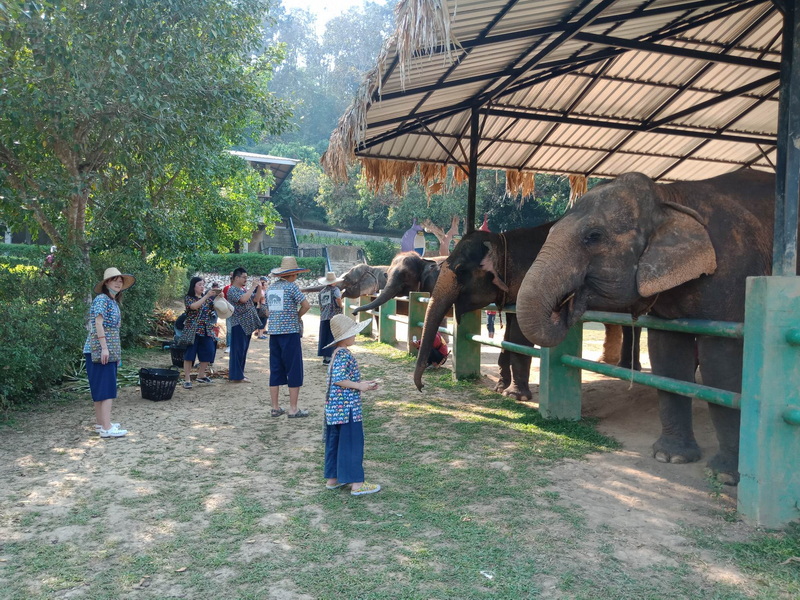
Kanta Elephant Sanctuary adds an animal-focused name to the wider set of nature experiences associated with this part of Chiang Mai. In an article about tour language, it illustrates how a route description can shift from geothermal observation to wildlife interest. Its inclusion should be read as a separate attraction theme, not as a definition of Pong Dueat’s geyser character.
Mok Fa Waterfall
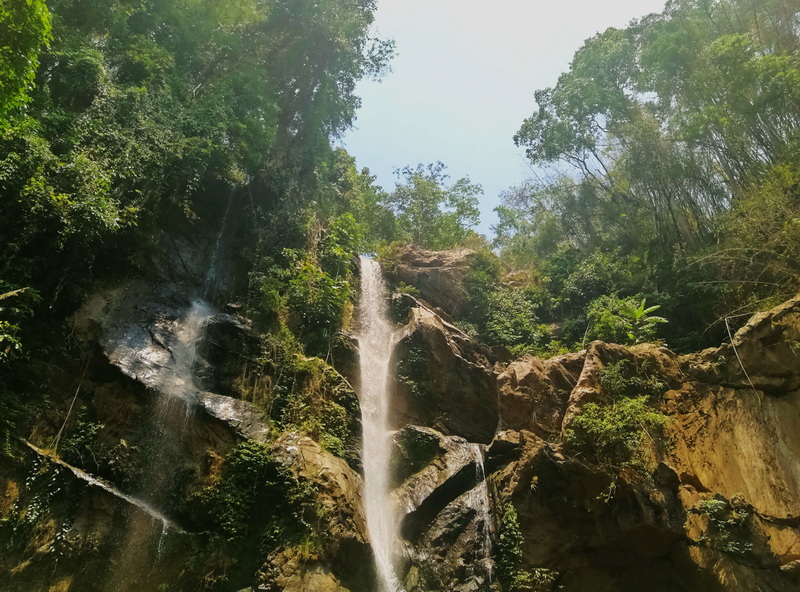
Mok Fa Waterfall introduces another form of water-based scenery into the regional conversation. The spring’s water is notable for heat rising from underground, while a waterfall is understood through flowing surface water and vertical movement. That simple distinction helps readers see why a tour writer may group different natural attractions under one broad outdoor itinerary while each retains its own subject.
Let the Name Tell You What to Notice
Pong Dueat Geyser becomes easier to understand once its labels are separated into their parts. “Hot spring” identifies the thermal setting, “geyser” directs attention to movement, and the Mae Hong Son tour language places the site within a larger northern travel conversation. Together, those clues point to a destination valued for its visible geothermal character and its ability to give a route a clear natural subject. Search terms may lead visitors there, but the bubbling water, heated ground, and changing surface details are what make the place worth interpreting for yourself.
ไม่มีความคิดเห็น:
แสดงความคิดเห็น