Pai Canyon Visitor Guide for a Guided Mae Hong Son Journey
A practical first-visit perspective on viewpoints, walking conditions, guided planning, and nearby natural stops
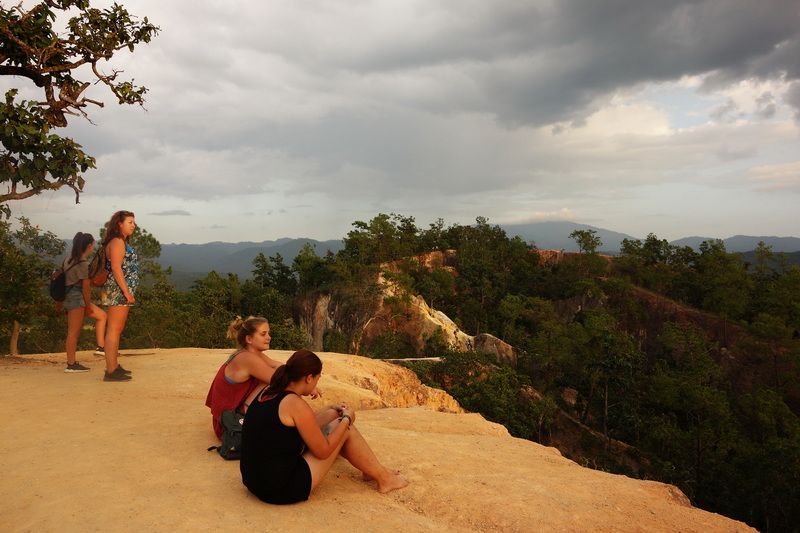
Pai Canyon, also known as Kong Lan, is a scenic natural viewpoint in Pai District, Mae Hong Son. Its appeal comes from narrow ridges, exposed earth, and broad views across a dry, undulating landscape. This is not a conventional park with a single paved viewing platform. Visitors encounter a terrain that rewards careful walking and sensible preparation, especially when exploring beyond the first accessible lookout. For a first-time international visitor, a guided itinerary can make the experience easier to understand and combine with other places in the district. A knowledgeable guide can help explain where the safer walking opportunities begin, how long to allow for photography and observation, and when to move on to the next stop without turning the visit into a rushed checklist. This article takes a planning-first approach to Pai Canyon Or Kong Lan Mae Hong Son, with practical context for travelers considering a wider Mae Hong Son route. The emphasis is on what to expect rather than on fixed schedules, prices, or promises about any particular tour. Conditions, traffic, weather, and operator arrangements can change, so visitors should confirm current details before departure. Used thoughtfully, a guided visit provides structure while still leaving room to appreciate the landscape at an unhurried pace.
Understanding Pai Canyon and Kong Lan
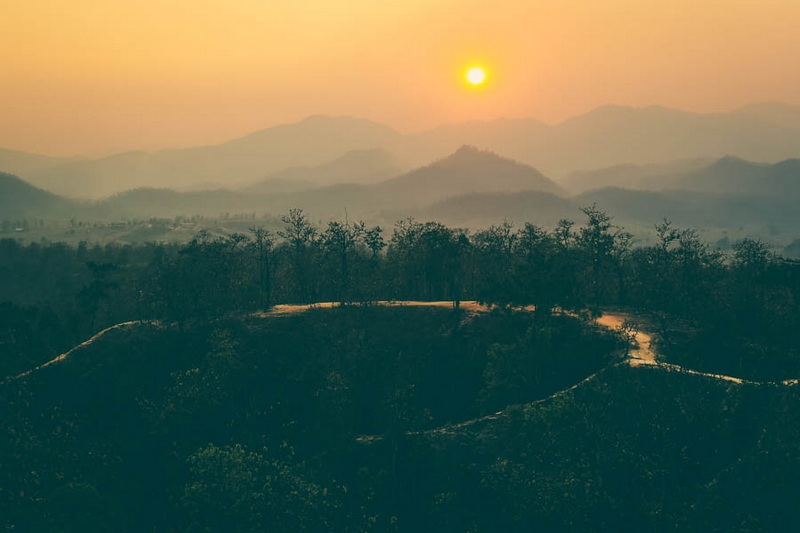
Pai Canyon is the name most visitors hear, while Kong Lan is a local name commonly associated with the same landscape. The site is formed by eroded earth and sandstone-like ridges that create a sequence of elevated paths and viewpoints. From the accessible areas, the surroundings appear open and spacious, with forested hills and agricultural land extending beyond the canyon formations. The landscape changes character with the light, but visitors should treat it as a natural environment rather than a manicured attraction.
The first viewing area may give a strong impression of the canyon, yet the ridges can become narrow, uneven, and exposed as walkers continue. Some sections have steep drops beside the walking surface, and the ground may be loose or dusty. A person who is comfortable at one viewpoint may not feel equally comfortable farther along the ridge. There is no need to reach every visible section to have a worthwhile visit; choosing a safe stopping point is part of responsible sightseeing.
A useful Pai Canyon Or Kong Lan Thailand visitor guide should therefore explain both the scenery and the limits of the terrain. Lightweight clothing, sun protection, drinking water, and shoes with a secure grip are sensible choices. Visitors should avoid climbing onto unstable edges for photographs and should give other people enough room on narrow sections. During or after rain, surfaces may be slippery, while dry weather can create dust and stronger heat exposure. A guide can help a group adapt its walking plan to those conditions.
How a Guided Visit Can Improve the Day
Search phrases such as Guided Tours From Chiang Mai To Mae Hong Son cover several different travel expectations. Some travelers mean a multi-stop regional journey, while others are looking for a guided route that includes Pai and selected attractions before continuing toward Mae Hong Son. Because the wording is broad, it is important to read an itinerary carefully rather than assuming that every tour offers the same amount of time at Pai Canyon.
Before choosing a guided experience, ask how the canyon visit fits into the wider day. Useful questions include whether walking time is flexible, whether the group visits during a busy viewing period, and whether the guide explains local geography or simply leads the way to a viewpoint. It is also reasonable to ask about the physical character of the walk. A clear description helps travelers decide whether the activity suits their footwear, fitness, confidence around heights, and preferred pace.
A guide can add value without overwhelming the visit with commentary. The most helpful guidance may be simple: stay on established walking surfaces, pause where the ridge widens, protect valuables from dust, and allow space for other visitors. An attentive guide also helps a group gather before moving on, which is useful when the terrain has several branching viewpoints. Travelers who prefer quiet observation can mention that preference in advance so the experience remains balanced.
For people building a Mae Hong Son Thailand Visitor Guide for their own trip, Pai Canyon works best as one landscape-focused stop within a varied route. It offers visual drama and open views, but it does not provide the same experience as a waterfall, hot spring, bridge, or cultural site. Combining different kinds of places can make the day more comfortable and meaningful, particularly for visitors who do not want every stop to involve uneven walking.
Practical Preparation for First-Time Visitors
Timing should be discussed with the tour provider or guide rather than assumed from a generic online description. Light, heat, road conditions, and crowd levels can influence how comfortable the visit feels. Many visitors are drawn to the changing colors around late afternoon, but a popular viewing period may also mean more people on limited ridge space. The best choice depends on the season, the group’s interests, and the current local conditions.
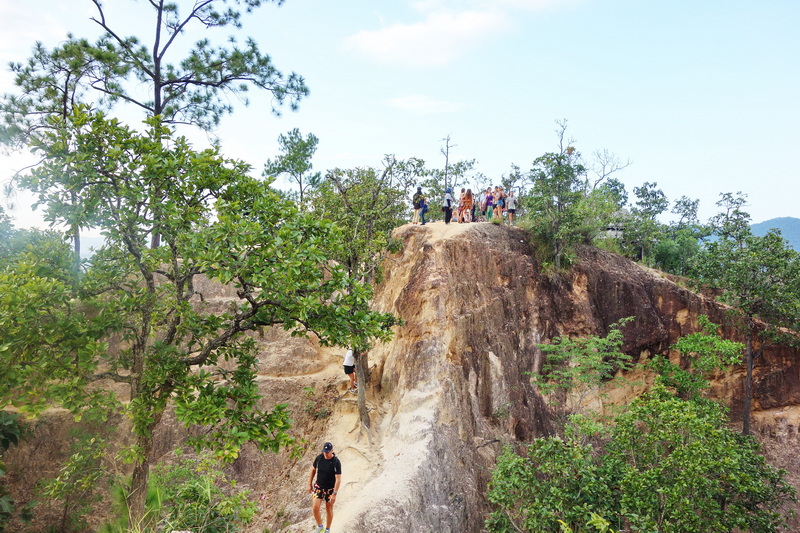
Wear clothing that allows easy movement and choose closed shoes with a reliable sole. Sandals may be less suitable on dusty or uneven sections, particularly if a traveler intends to walk beyond the main lookout. A small bag is easier to manage than bulky luggage, and water should be kept accessible. Sun protection is important because some viewpoints are open rather than shaded. Visitors should also carry personal medication and communicate any mobility concerns before the walking portion begins.
Photography deserves a safety reminder. The dramatic lines of the ridges can encourage people to focus on framing a picture instead of watching their footing. Stop fully before taking photographs, keep phones and cameras secure, and do not stand on crumbly edges or block a narrow path. A guide may identify viewpoints that provide a strong composition without requiring risky positioning. Respecting other visitors also matters: brief pauses are considerate when the path is limited.
Responsible behavior extends beyond personal safety. Do not remove soil, plants, or rocks, and carry away anything brought into the landscape. Keep voices moderate when other people are observing the scenery, and follow any current local signs or instructions. Weather can alter conditions quickly, so a guide may shorten or modify the walking portion. Flexibility is more useful than treating a preplanned route as an unchangeable promise.
Creating a Balanced Pai Canyon Itinerary
A well-shaped itinerary gives Pai Canyon enough attention without making the entire day a race between viewpoints. Start by deciding what the group values most: landscape photography, a short scenic walk, regional context, or a broader circuit through Pai District. Then discuss the order of stops with the guide. The ideal sequence depends on current conditions and the overall route, so a flexible plan is preferable to one built around exact assumptions.
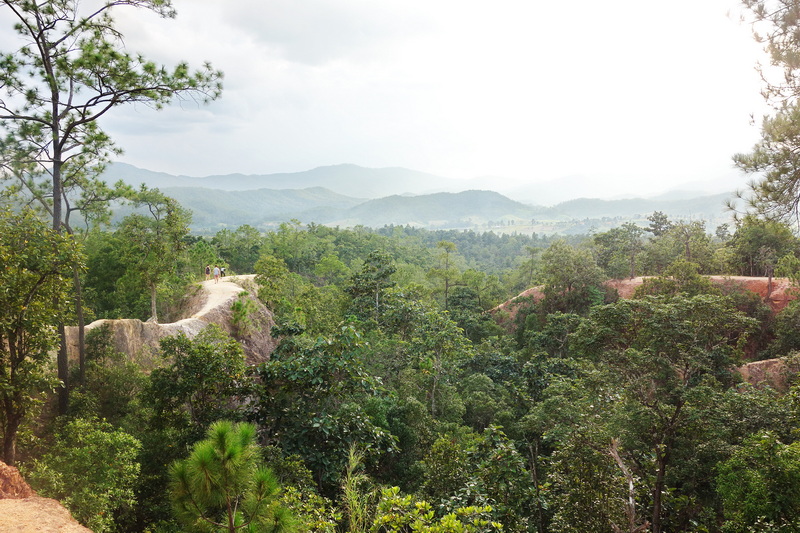
Travelers searching for Pai Canyon Or Kong Lan Travel Guide information often want to know whether the site is suitable for a quick visit. It can be, provided expectations are realistic. A short stop may cover the principal outlook and a careful stretch of ridge, while a longer visit allows more time to observe the formations and landscape. Neither approach is automatically better. The right duration depends on comfort, weather, daylight, and the interests of the people traveling together.
Families, older travelers, and anyone uneasy with heights should tell the guide before reaching the canyon. They may enjoy the main viewpoint without attempting narrower sections. Solo travelers can also benefit from clear orientation, especially if they are unfamiliar with the terrain. A guided setting is not a substitute for personal judgment, but it can make decisions easier by providing local awareness and a shared plan.
When evaluating a possible Visit Pai Canyon Or Kong Lan experience, look beyond the attraction name in the itinerary. Consider whether the description explains walking conditions, whether nearby stops create a sensible rhythm, and whether the operator allows practical questions before departure. Good planning does not remove the natural character of the place. It simply helps visitors arrive prepared, move respectfully, and leave with a clearer understanding of what they saw.
Two Complementary Stops Near the Canyon
Once the main canyon visit is understood, the surrounding itinerary can be shaped around contrast rather than repetition. These two nearby places offer different textures and tempos, helping a guided day feel more varied.
Kho Ku So Bamboo Bridge
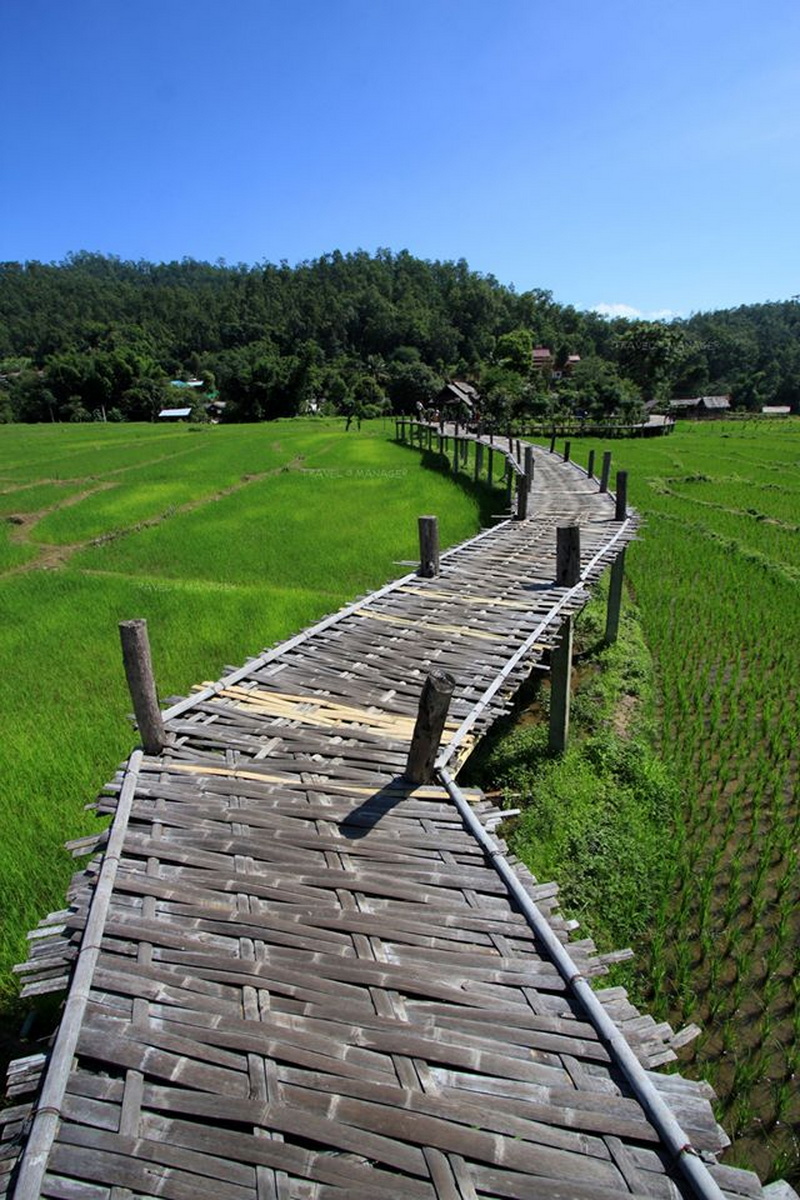
Kho Ku So Bamboo Bridge provides a contrasting experience to the exposed ridges of Pai Canyon. The bridge passes through a rural landscape and is associated with cultivated fields and a quieter, more grounded way of seeing the countryside. Its appeal lies in the relationship between the walkway, the surrounding farmland, and the local setting rather than in a single dramatic lookout.
As part of a guided itinerary, this stop can offer a gentler change of pace after walking on uneven canyon terrain. Visitors should remain attentive to current conditions and follow local guidance on the bridge. The site is best approached respectfully, with consideration for nearby agricultural activity and the people who maintain or use the area.
Pam Bok Waterfall
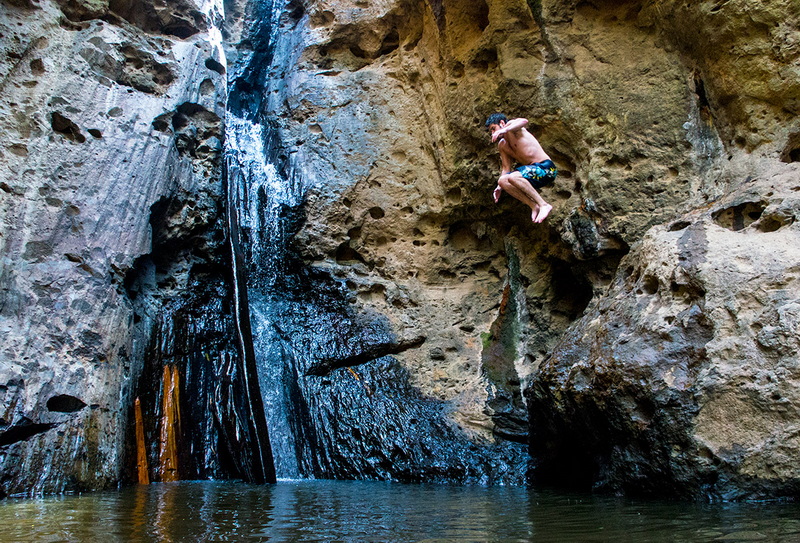
Pam Bok Waterfall adds a different natural setting to a Pai-area route. Its enclosed landscape and flowing water contrast with the open, dry appearance often associated with the canyon. The surrounding terrain can still be uneven, and water levels and walking conditions may vary, so visitors should rely on current local advice rather than assuming that every area is accessible at all times.
For guided travelers, Pam Bok Waterfall works well as a complementary stop because it changes the visual rhythm of the day. Instead of moving from one viewpoint to another, the group can experience a more sheltered landscape and notice how water has shaped the setting. Appropriate footwear, care on damp surfaces, and respect for any local instructions help keep the visit enjoyable and responsible.
A More Confident Way to Visit Pai Canyon
Pai Canyon is most rewarding when visitors balance curiosity with care. Understand that Kong Lan is a natural, uneven landscape, prepare for sun and changing ground conditions, and choose walking distances that suit the group. A thoughtful guide can add context and help connect the canyon with complementary places such as Kho Ku So Bamboo Bridge and Pam Bok Waterfall. With realistic expectations and a flexible plan, first-time travelers can enjoy the scenery without treating the visit as a hurried photo stop.
ไม่มีความคิดเห็น:
แสดงความคิดเห็น