Doi Luang National Park Through Forest, Ridge, and Water
An ecological reading of Chiang Rai’s upland forests, mountain streams, changing seasons, and nature-focused visitor experiences
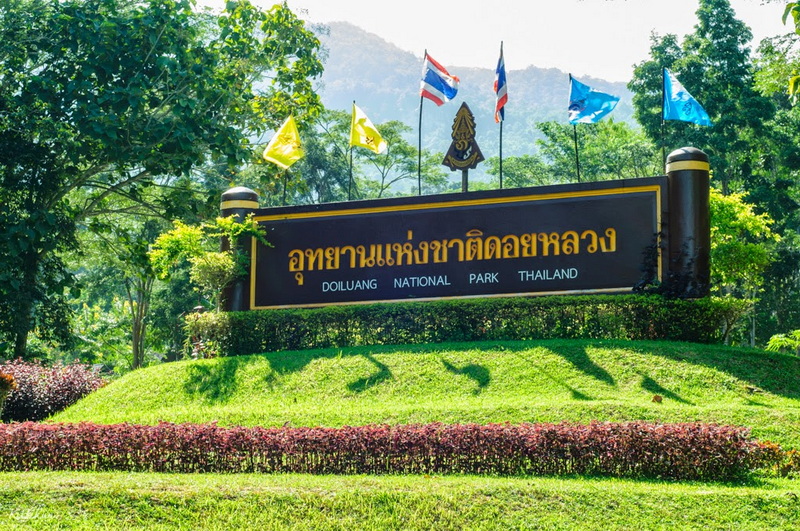
A mountain park can be read like a living diagram. Ridges collect weather, slopes guide water downhill, and layers of vegetation create different experiences within the same protected area. Doi Luang National Park, in Doi Luang District, Chiang Rai, is especially rewarding when approached in this way. Its visitor interest lies in the relationship between upland forest, elevated terrain, streams, waterfalls, and seasonal change. A view from a ridge is connected to the trees below it; a stream is connected to rainfall higher on the slope; the character of a forest path shifts with light, moisture, and temperature. This ecological interpretation guide is for first-time visitors who want to understand what they are seeing, not simply collect a list of sights. It places Doi Luang Chiang Rai within the northern Thai park tradition and explains why its natural features deserve attention. The discussion also includes a short guide to searching for Chiang Rai Tours, since tour descriptions can vary greatly in how much emphasis they place on protected nature. For readers comparing the Top National Parks In The North Of Thailand, Doi Luang offers a useful case study in how landform and water shape a mountain environment.
Ridges Are the Park’s First Story
Begin with the shape of the ground. Doi Luang National Park occupies a mountainous setting where ridgelines, slopes, valleys, and higher forested areas create a sequence of changing viewpoints. The ridge is not merely a place to look outward. It is also a climatic boundary: exposed ground receives stronger wind and sunlight, while a sheltered slope can retain more moisture and shade. Even without identifying every plant, visitors can notice how the feel of the air changes as the terrain rises or bends away from open exposure.
Elevation also affects the visual scale of the park. From a higher position, a stream valley may appear as a narrow green corridor, while closer observation reveals a complex meeting point of rock, leaf litter, roots, and running water. This shift between distant pattern and near detail is one of the central pleasures of a Doi Luang National Park Visitor Guide. The park rewards a habit of alternating between looking across the mountains and looking carefully at the ground underfoot.
Ridges influence movement through the environment as well. A crest may feel bright and open; a descending section can quickly become cooler and enclosed by vegetation. These transitions explain why a short distance in a mountain park can contain several distinct impressions. The landscape is not arranged as isolated attractions. Its character emerges from the way elevation joins one habitat condition to another.
Reading the Forest in Layers
A forest is easier to understand when it is viewed vertically. The upper canopy receives the strongest light and catches moving air. Beneath it, smaller trees and branches create filtered shade. Lower plants occupy the dimmer spaces near the soil, where fallen leaves gradually become part of the forest floor. Doi Luang National Park Attractions are therefore not limited to visible landmarks; the arrangement of the vegetation is itself an attraction for an attentive observer.
Look for changes in texture. A dense canopy may soften sunlight into a green, even glow, while a gap in the trees can make the ground suddenly bright. On a slope, trunks may appear to lean at different angles as they respond to terrain and light. Around damp ground, mosses, leaf litter, and decaying wood contribute to a slower visual rhythm. These details help explain how a protected forest stores moisture, shelters smaller organisms, and returns nutrients to the soil.

The forest also moderates the visitor’s sense of distance. Sound becomes important when sightlines are blocked by vegetation: flowing water, moving leaves, and changing wind may reveal a nearby feature before it comes into view. This makes a walk through Doi Luang National Park Thailand an exercise in ecological attention. Instead of searching only for large wildlife or dramatic scenery, visitors can observe the relationships that make a forest function.
Water Connects the High Ground to the Valley
Mountain water begins as a process spread across the terrain. Rain meets leaves and branches, sinks into soil, gathers in small channels, and gradually joins larger streams. In Doi Luang National Park, ridges and forested slopes help explain the presence of this moving water. Streams are not separate decorations in the scenery; they are the visible result of gravity, rainfall, rock, and vegetation working together.
A waterfall makes that process especially easy to see. Water accelerates over a change in elevation, breaks into spray, and continues its journey through a channel below. The surrounding vegetation often feels cooler and more humid because water is constantly exchanging energy with the air. Rock surfaces, pools, fallen branches, and the direction of the flow provide clues about how water has shaped the route over time. Visitors can appreciate a waterfall as both a scenic feature and a small lesson in erosion.
Stream edges also reveal the park’s ecological connections. Moist soil supports a different set of textures from a dry ridge, and shaded water can create a noticeably different atmosphere from an exposed slope. After rainfall, the sound and visual force of a stream may become more prominent; in drier periods, rocks and channels may take on greater importance. This water-centred perspective gives Doi Luang National Park Chiang Rai a clear identity for nature-minded travelers: the park can be read from its sources, channels, and changing flow.
Seasonal Change Alters the Same View
The park does not present one fixed version of itself. Seasonal weather changes the balance between sunlight, humidity, cloud, soil moisture, and stream activity. A forest in a wetter period may appear saturated with colour, with water sounds becoming a stronger part of the experience. In a drier period, the same slopes may feel more open, and individual textures such as bark, grasses, exposed stones, and leaf litter may stand out more clearly.
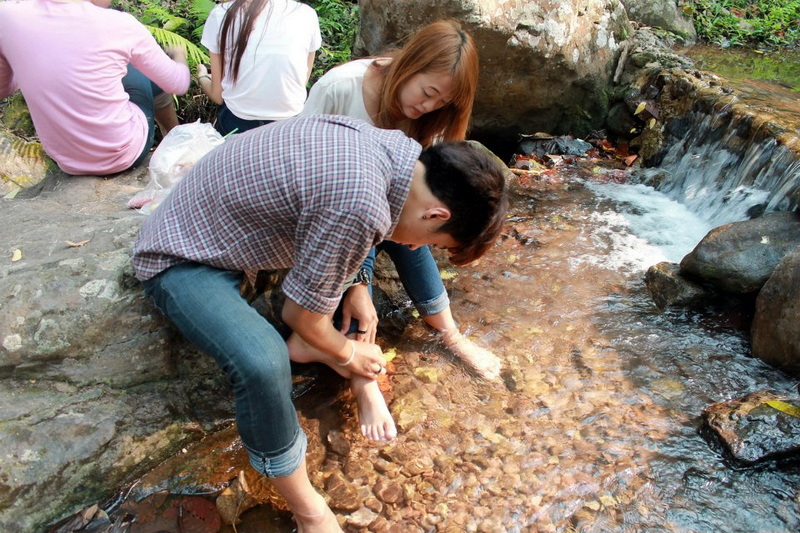
Temperature and cloud also shape mountain visibility. A clear interval can reveal layered ridges and distant contours, while mist can compress the view and make nearby vegetation feel unusually immediate. Neither condition needs to be treated as a failure of the visit. Each one highlights a different ecological feature: distance and structure in clear air, moisture and intimacy in cloud.
For a Doi Luang National Park Travel Guide, this seasonal perspective is more useful than promising a single ideal scene. Think in terms of questions to observe: Where does water collect? Which slopes receive direct light? How does the soundscape change near trees and streams? What becomes visible when the air is clear, and what becomes more noticeable when the view closes in? These prompts turn weather into part of the interpretation.
Finding Chiang Rai Tours with a Park Focus
Search language can help separate a nature experience from a general city sightseeing product. A listing that names forest walks, mountain scenery, waterfalls, streams, or protected areas signals an outdoor emphasis. Descriptions centred on markets, temples, food, or urban landmarks serve a different purpose. Neither category is automatically better; the useful distinction is whether the language matches the kind of attention Doi Luang requires.
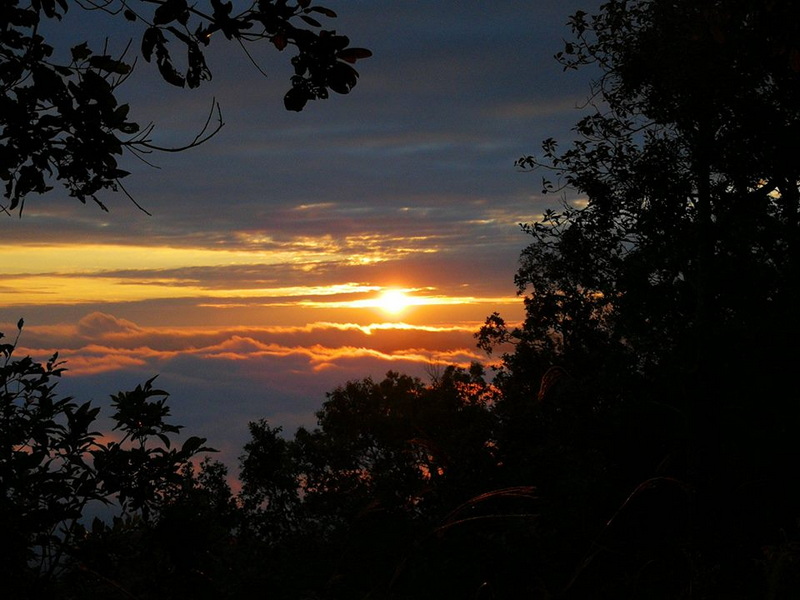
When researching Chiang Rai Tours, look for wording that treats the park as a substantial natural setting instead of a brief scenic stop. Terms such as national park, forest, ridge, waterfall, stream, and nature observation can indicate that the experience is built around the environment. A search for Visit Doi Luang National Park may also produce several styles of result, so read the descriptive emphasis carefully and distinguish a park-focused outing from a broad Chiang Rai highlights tour.
Tour research is best kept secondary to the destination itself. The important question is not how many features can be placed into one day, but whether the description gives enough importance to the forest, terrain, and water systems that make the park distinctive. Practical details can change, so a short review of the latest available tour information is sensible; there is no need to let that administrative step define the meaning of the place.
A Park Best Understood as a Living System
Doi Luang National Park becomes most legible when its features are connected. The ridge explains the slope, the slope feeds the stream, the stream shapes the valley, and the forest moderates every stage of that journey. This is the central value of a visit: not simply seeing a waterfall or standing above a line of hills, but recognizing the processes that place those features together. Bring attention to changes in light, sound, moisture, elevation, and vegetation, and the park reveals a richer story with every shift in ground.
ไม่มีความคิดเห็น:
แสดงความคิดเห็น