Guided Tours from Chiang Mai to Mae Hong Son Featuring Baan La-Up
A respectful planning guide to village visits, regional travel, and meaningful stops around Mae La Noi
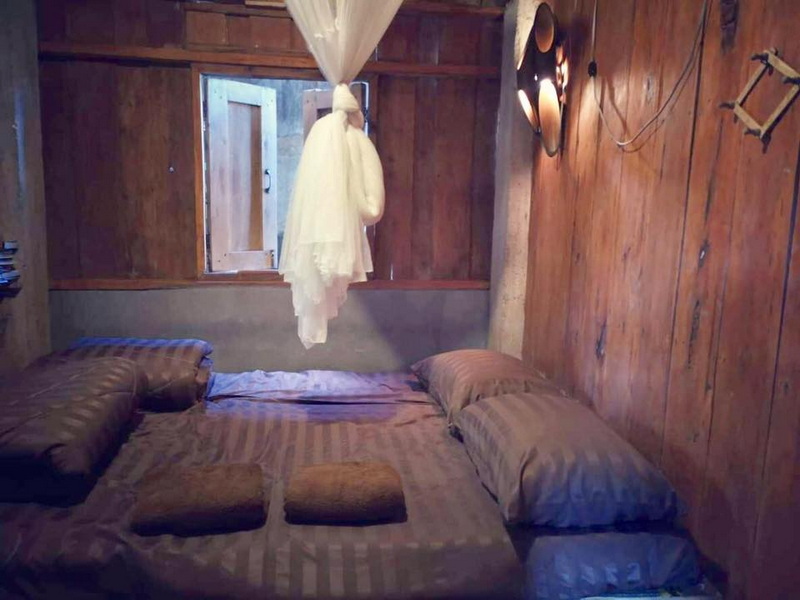
A guided journey from Chiang Mai to Mae Hong Son can make a remote-feeling region easier to understand and navigate. Roads wind through mountain country, distances are substantial, and the character of each community is best appreciated with time, context, and respectful attention. Ban La-Up, also written as Baan La-Up, is a village destination in Mae La Noi District that can bring these elements together within a broader Mae Hong Son visit. The value of including Ban La-Up is not simply that it offers a scenic stop. A thoughtful tour can help visitors understand the setting, learn how local livelihoods relate to the landscape, and observe community life without treating residents or traditions as a performance. This guide focuses on what travelers can reasonably expect from guided tours, how to prepare for the journey, and how to combine the village with nearby cultural and natural sites. Because tour programs differ, the most useful approach is to evaluate the style of travel rather than assume that every advertised route includes the same services. Travelers should confirm timing, transport arrangements, walking requirements, site access, and expectations for photography before departure.
Understanding the Journey from Chiang Mai
Guided Tours From Chiang Mai To Mae Hong Son generally appeal to visitors who want regional orientation as well as transport. The route into Mae Hong Son Province is a long overland journey through changing elevations and rural scenery, so a guide or experienced driver can help explain the difference between passing through a landscape and understanding it. Depending on the operator and overall route, Ban La-Up may form one cultural stop within a wider exploration of Mae La Noi and Mae Hong Son.
There is no single standard tour format to assume. Some guided journeys are designed around a private vehicle and flexible sightseeing, while others follow a planned regional circuit with a set number of stops. A traveler considering Ban La-Up should ask whether the village is a confirmed destination or merely an optional suggestion, how much time is normally allowed, and whether the visit is intended for observation, cultural interpretation, or a short scenic break.
The distance makes preparation important. Comfortable clothing, water, sun protection, and practical walking shoes are sensible choices, especially when a route includes uneven ground or village roads. Travelers who are sensitive to winding roads may also wish to discuss the driving character of the journey in advance. A well-planned tour balances movement with pauses instead of trying to turn every stop into a hurried photo opportunity.
What Visitors May Find at Ban La-Up
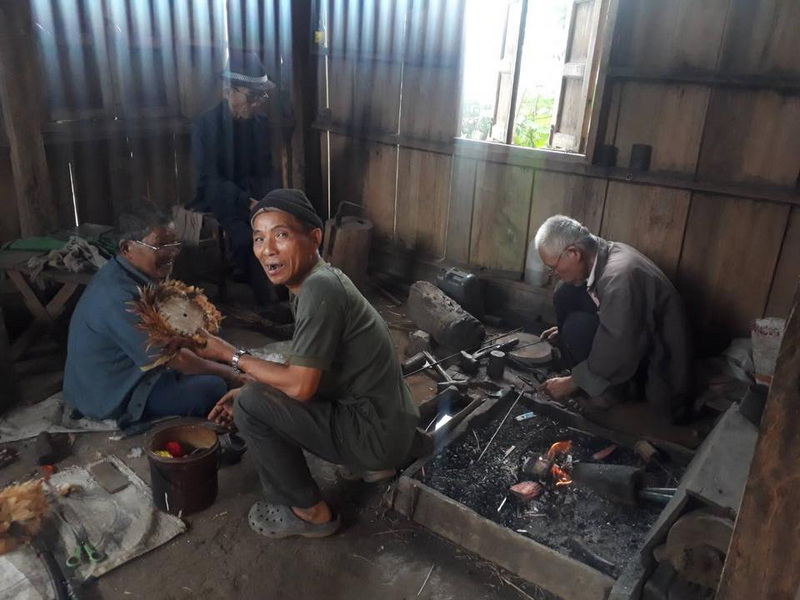
Ban La-Up is a community setting in Mae La Noi District rather than a conventional attraction built around a single monument. Its appeal comes from the relationship between settlement, surrounding hills, local routines, and the opportunity to encounter a quieter part of Mae Hong Son. Visitors may notice homes, cultivated areas, pathways, and ordinary working environments. These details are valuable precisely because they belong to a living community rather than a staged display.
Names can appear in several forms in travel material, including Ban La-Up Mae Hong Son and Ban La-Up Mae La Noi. A tour guide can help place the village within the district and explain how the stop relates to the wider province. The alternative spelling Ban Lua-Up may also appear in search results or informal references, but travelers should concentrate on confirming the location and intended visit with their chosen tour provider.
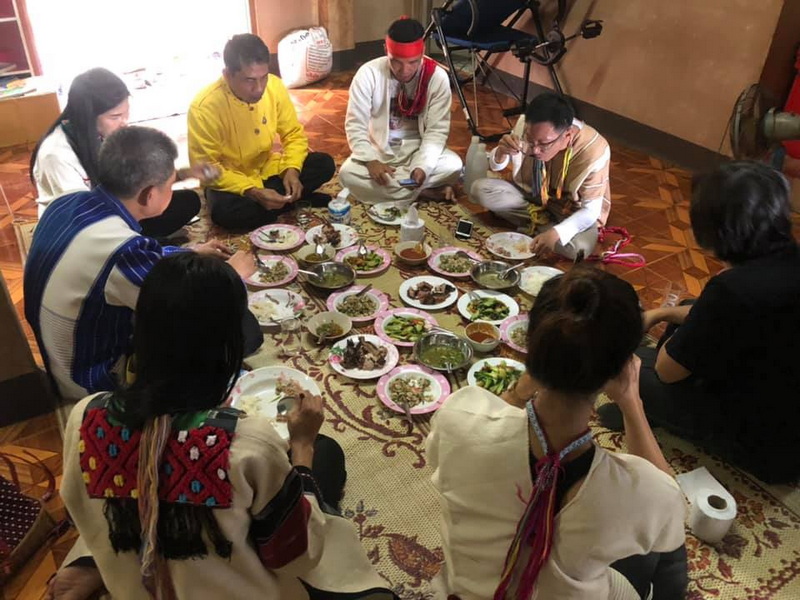
Visitor expectations matter. The experience may feel unhurried and observational, with scenery and local context carrying more importance than a long list of formal attractions. Guests should follow guidance about where to walk, avoid entering private spaces, and ask before photographing people, homes, ceremonies, or work activities. Purchasing locally made goods, where offered appropriately, can be a respectful way to support livelihoods, but visitors should never assume that a community visit creates an obligation to buy.
Planning a Responsible Community Visit
A useful Mae Hong Son Thailand Visitor Guide should treat cultural awareness as part of logistics, not as an optional extra. Ban La-Up is associated with a local community whose identity and livelihoods deserve more than a brief label. Visitors can prepare by learning a few basic Thai greetings, listening to explanations, dressing modestly, and allowing residents to set appropriate boundaries. A calm attitude is often more valuable than arriving with rigid expectations about what a village visit should look like.
Ask practical questions before booking or confirming a guided journey. These can include whether the guide has current knowledge of access conditions, whether the route involves walking, how the group size affects the visit, and whether interpretation will be available in a language the traveler understands. It is also reasonable to clarify photography expectations and whether any community contribution or local purchase is voluntary. Such questions help prevent misunderstandings without turning the visit into a transaction.
Travelers should also allow for changes caused by weather, road conditions, local activities, or community preferences. A responsible guide will explain adjustments rather than promise an identical experience in every season. Flexibility protects both visitors and residents, particularly in places where daily life is not organized around tourism. The best memories may come from attentive observation: a mountain view, an explanation of local work, or the quiet rhythm of a village road.
Choosing a Guided Tour That Fits Your Travel Style
When comparing guided options, first decide what kind of support is most useful. Travelers who value interpretation may prefer a guide who can discuss local history, community life, and the region’s geography. Those primarily concerned with comfort may focus on vehicle suitability, driving experience, rest opportunities, and the amount of time spent on the road. A private arrangement can offer more flexibility, while a shared group may provide a social experience but less control over pacing.
The wording used in tour descriptions should be read carefully. A mention of Mae Hong Son does not necessarily mean that Ban La-Up is included, and a reference to a cultural village does not always identify the same place. Before departure, confirm the destination name, district, approximate travel sequence, and whether the visit depends on local access. Travelers should also check what is not included, such as meals, entrance charges, or personal purchases, rather than relying on assumptions.
Families, older travelers, and people with mobility concerns may need a more detailed conversation about walking surfaces, rest stops, and the day’s physical demands. Solo travelers can benefit from a guide’s regional knowledge, particularly when connecting several sites across Mae Hong Son Province. In every case, the right tour is the one that leaves enough space for respectful engagement instead of measuring success by the number of stops completed.
Making Ban La-Up Part of a Wider Mae Hong Son Visit
Ban La-Up works best when considered as part of a regional story. Mae La Noi District combines mountain scenery, agricultural landscapes, and communities with distinct local identities. A guided visit can connect these elements by explaining how roads, terrain, and livelihoods shape movement through the area. This context makes the village more than an isolated pin on a map and helps visitors understand why travel times can be longer than distances appear.
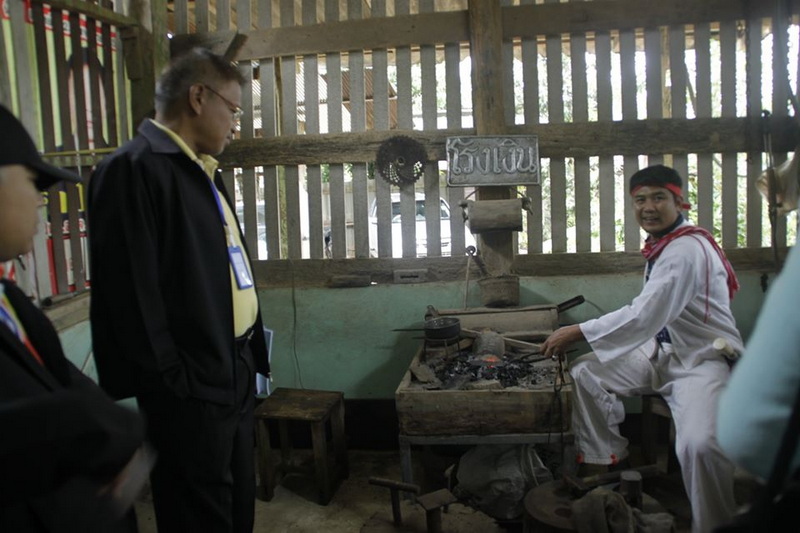
Rather than filling the day with hurried appointments, travelers can choose a route with a coherent theme: community life, mountain landscapes, or a combination of cultural and natural settings. The guide’s role is especially useful here because local knowledge can help determine whether the pace is realistic. Leaving room for pauses also supports responsible travel; it gives visitors time to listen and reduces pressure on communities to provide constant entertainment.
A considerate visit ends as thoughtfully as it begins. Follow instructions, carry personal waste away when appropriate, avoid loud behavior, and do not publish identifiable images of residents without permission. These small actions communicate that visitors recognize Ban La-Up as a home and workplace, not merely a backdrop. The result is a more grounded travel experience and a clearer understanding of the responsibilities that accompany guided tourism.
Two Complementary Stops for a Guided Route
Once the village visit has been placed in its cultural and logistical context, nearby sites can add natural and community perspectives without competing with Ban La-Up. They are most useful when selected for coherence and visited at a considerate pace.
Kaew Komol Cave
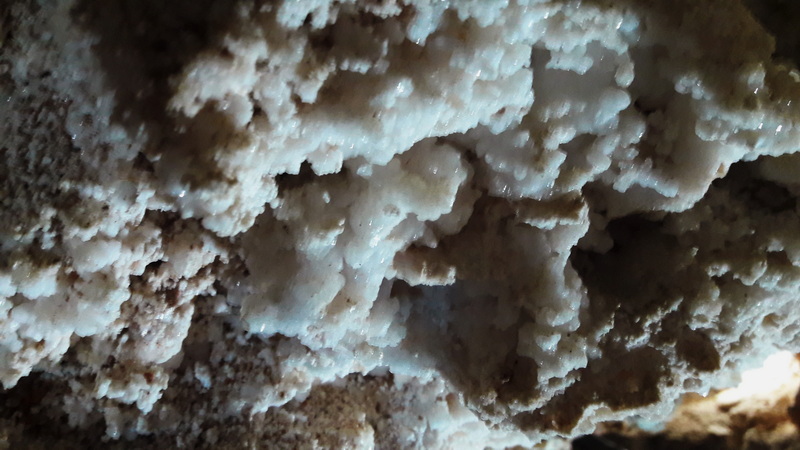
Kaew Komol Cave can complement a Ban La-Up visit for travelers interested in the natural side of Mae La Noi District. A cave setting offers a different perspective from the open mountain environment around the village, so the two stops can create useful contrast within a guided route. Travelers should confirm current access conditions and any visitor rules with their guide, since natural sites may require particular care and may not suit every mobility level.
The relevance of the cave is not only visual. It encourages visitors to think about the geological features beneath the same regional landscape that supports villages and agriculture above ground. When time is limited, ask whether the cave and Ban La-Up can be visited without making either stop feel rushed.
Huai Hom Karen Village

Huai Hom Karen Village provides another cultural point of reference for travelers exploring communities in the Mae Hong Son area. Like any living settlement, it should be approached with respect for residents, local customs, and everyday work. A guide can help explain the community context while making clear which areas are appropriate for visitors and when permission is needed.
Combining Huai Hom Karen Village with Ban La-Up may broaden a traveler’s understanding of local diversity, but the two places should not be treated as interchangeable cultural showcases. Each community has its own history, livelihoods, and boundaries. A responsible itinerary allows enough time for listening and observation, avoids forced comparisons, and accepts that some activities or spaces may not be open to public viewing.
A More Informed Way to Visit Ban La-Up
A guided journey from Chiang Mai to Ban La-Up can offer more than a convenient route into Mae Hong Son. It can provide regional context, practical support, and a respectful introduction to community life in Mae La Noi District. The strongest planning begins with realistic expectations: confirm what the tour includes, prepare for a long mountain journey, and allow local people to define the boundaries of the visit. With that approach, Ban La-Up becomes a meaningful part of a wider Mae Hong Son experience, supported by thoughtful connections to Kaew Komol Cave and Huai Hom Karen Village.