Chiang Rai Attractions and Tours Featuring Choui Fong Tea Plantation
A thoughtful route through tea landscapes, regional sights, and complementary experiences in northern Thailand

Mae Chan District offers a different way to understand northern Thailand. Rather than presenting Chiang Rai only as a collection of famous landmarks, the area invites visitors to notice how scenery, agriculture, community life, and regional identity meet. Rolling hills and cultivated landscapes create a setting where a sightseeing day can feel both visually rewarding and connected to the character of Chiang Rai Province. Among the region’s notable destinations, Choui Fong Tea Plantation stands out for the way it makes tea cultivation part of the visitor experience. The attraction is not simply a place to buy a drink or take photographs. Its planted slopes, open views, and tea-focused products provide an accessible introduction to an agricultural landscape that has become one of the memorable Chiang Rai Thailand Attractions for first-time visitors. This overview considers how to plan a visit around the plantation without reducing Chiang Rai to a single stop. It looks at the kinds of attractions and tours that can include the tea fields, how to appreciate the site responsibly, and why Pa Tueng Hot Springs and Acha Thong Forest Monastery can add different dimensions to the same regional journey.
Reading Chiang Rai Through Its Landscapes
Chiang Rai is known for a broad mix of sights rather than one uniform style of attraction. Visitors may encounter contemporary religious art, historic cultural settings, mountain scenery, local markets, gardens, and agricultural destinations. This variety is important when planning a first visit because the province rewards an itinerary that alternates between visual highlights and slower experiences. A temple or gallery may offer artistic depth, while a rural viewpoint or plantation reveals another side of everyday life in the region.
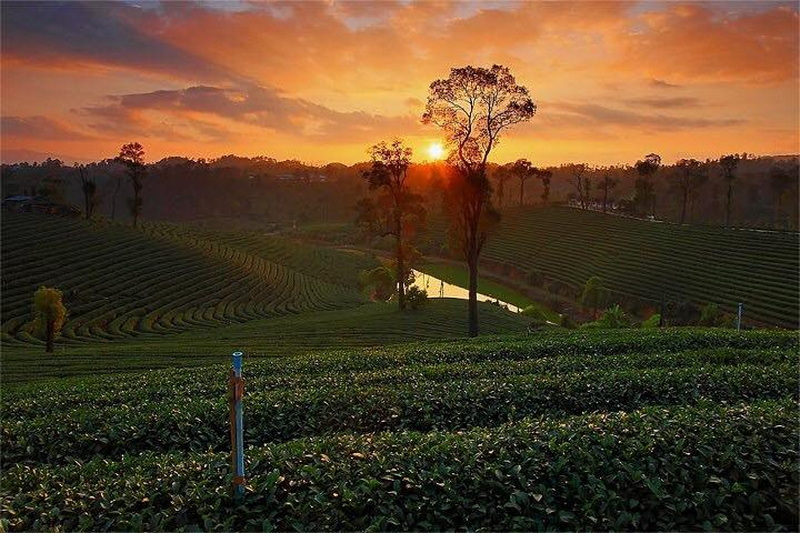
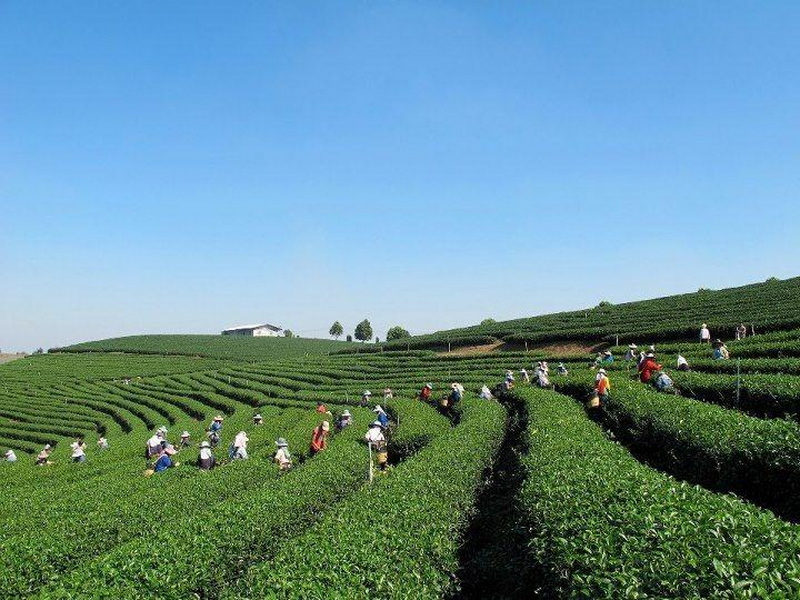
Choui Fong Tea Plantation fits naturally into that wider picture. The cultivated hills provide a strong sense of place, especially for visitors who have not previously seen tea grown in northern Thailand. Neat rows of tea plants follow the contours of the land, creating patterns that change with the light and weather. The setting encourages observation: the appearance of the fields, the surrounding hills, and the relationship between farming and tourism are all part of the visit.
The plantation is also useful for travelers who want a destination with a clear theme. Tea can be appreciated as a product, but the landscape adds context to what appears in a cup or packaged item. Visitors can take time to view the fields, sample tea-related products where available, and consider how agricultural places are presented to the public. Respectful behavior matters here, including remaining in permitted areas, avoiding damage to plants, and allowing working spaces to remain functional.
Choosing a Tour Style That Suits the Day
Tour options in Chiang Rai can be understood by the rhythm they create rather than by a single standard itinerary. A broad sightseeing tour may combine the plantation with several well-known attractions, giving first-time visitors an overview of the province. A nature-oriented outing may give more attention to scenery and rural routes. A privately arranged day can allow travelers to spend longer at the places that interest them most, although the practical details depend on the provider and the agreed plan.
When comparing Chiang Rai Tours, it is helpful to ask what kind of experience the route is designed to provide. Does the schedule allow time to appreciate the tea landscape, or is the plantation treated as a brief photo stop? Are the other destinations visually or thematically different enough to make the day varied? Does the proposed route respect the pace needed for meaningful visits? These questions are often more useful than choosing an itinerary based only on the number of stops.
Travelers coming from Chiang Mai may encounter day-trip concepts that combine Chiang Rai with the plantation and other major sights. Such a journey can cover considerable ground, so expectations should remain realistic. A long sightseeing day may be suitable for someone seeking an introduction, while visitors who prefer quiet observation may value a more focused plan. Checking current arrangements directly with a tour provider is important because routes, visiting conditions, and operating details can change.
For independent planners, the plantation works well as one anchor within a regional route rather than as the sole definition of Chiang Rai. Allowing time for changing weather, viewpoints, and unplanned pauses can make the experience less rushed. The most satisfying plan is usually the one that matches the traveler’s interests, energy, and curiosity instead of attempting to collect every famous location in one day.
What Makes Choui Fong Tea Plantation Memorable
The appeal of Choui Fong Tea is closely tied to its setting. Tea fields spread across gently shaped terrain, offering a visual contrast with the dense urban environments from which many visitors begin their journey. The orderly rows create natural lines for photography, but the view is more than a backdrop. It shows how a cultivated crop can shape the identity of a place and become part of a visitor’s understanding of the countryside.
A visit can be approached in several layers. First comes the landscape itself: the texture of the plants, the slope of the fields, and the changing atmosphere across the day. Next is the chance to learn about tea as a regional product through displays, tastings, or purchases where these are available. Finally, there is the social setting of a popular attraction, where visitors should be considerate of other guests and mindful that the plantation remains connected to agricultural work.
The best photographs do not require stepping into planted rows or blocking paths. Staying on designated routes protects the crop and preserves the view for others. Visitors should also avoid assuming that every area is open for exploration or that every product and activity is available at all times. Conditions may vary, so a flexible attitude and attention to local guidance are sensible parts of any Choui Fong Tea Plantation Travel Guide.
For travelers interested in food and drink, tea products can provide a modest souvenir linked to the place rather than a generic purchase. It is worth taking time to read labels, ask polite questions, and choose only what can be carried responsibly. The experience becomes more meaningful when consumption, photography, and appreciation are balanced with respect for the land and the people who maintain it.
Connecting the Plantation With the Wider Province
A balanced Chiang Rai itinerary gives each stop a distinct role. The tea plantation contributes agricultural scenery and a calm visual experience. A cultural attraction may offer insight into artistic traditions or religious life. A market can introduce local flavors and ordinary patterns of commerce. A natural site can change the pace again, encouraging visitors to notice water, forest, rock, or mountain conditions. This variety helps prevent a day of sightseeing from feeling like a sequence of similar photo opportunities.
Visitors should approach cultural places with the same care expected at any living religious or community setting. Clothing, photography, noise, and movement should follow local guidance. It is also useful to remember that Chiang Rai is not a theme park designed solely for visitors. Residents, farmers, vendors, monks, and workers continue their daily routines around the destinations that travelers come to see. Courtesy makes the journey more comfortable for everyone.
The plantation can also serve as a conversation point about responsible tourism. Agricultural attractions depend on healthy land, careful maintenance, and a relationship between visitors and local businesses. Buying thoughtfully, avoiding litter, and not damaging crops are small actions, but they support the dignity and continuity of the place. A visit to Choui Fong Tea Plantation Thailand becomes more than a scenic outing when the landscape is treated as a working environment rather than a stage.
Those seeking a broader overview of Chiang Rai should consider how much time they want for each experience before selecting a route. A short introduction may be enough for travelers with limited time, while a slower plan allows closer attention to the plantation and its surroundings. There is no single correct way to see the province; the useful question is whether the itinerary creates space for curiosity, respect, and genuine engagement.
Two Complementary Stops Beyond the Tea Fields
The plantation can be the central visual experience of a Mae Chan outing, but the surrounding area offers ways to change the pace and broaden the meaning of the day. These two nearby places bring natural and cultural perspectives that complement the agricultural landscape.
Pa Tueng Hot Springs
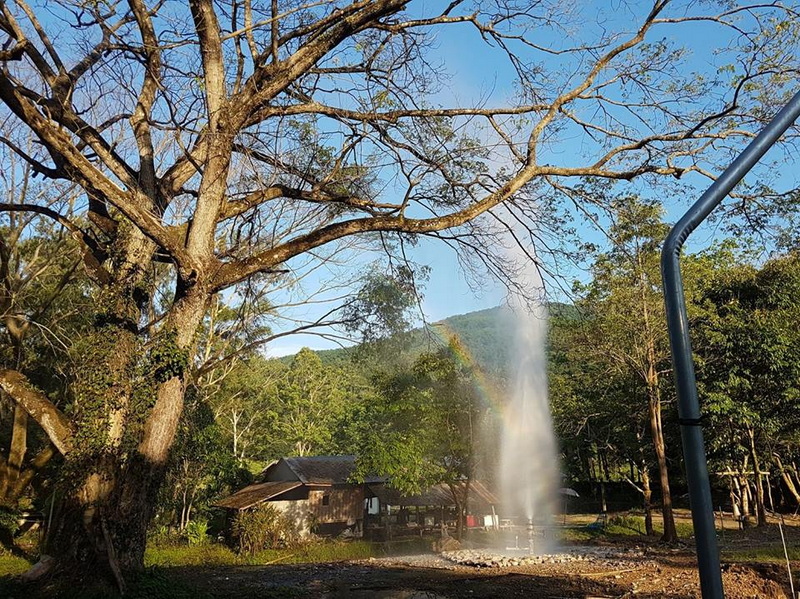
Pa Tueng Hot Springs can provide a contrasting stop after the cultivated slopes of the tea plantation. The hot-spring setting shifts attention from agricultural patterns to natural heat and water, giving the day a different sensory character. Travelers should follow local instructions, take care around hot areas, and confirm current visitor conditions before planning specific activities.
As part of a wider route, the springs work best when treated as a distinct landscape rather than simply another item to check off. The contrast between tea fields and geothermal surroundings can help visitors appreciate the environmental variety of Mae Chan District. It also offers a gentler transition for those who prefer to balance sightseeing with time spent observing nature.
Acha Thong Forest Monastery
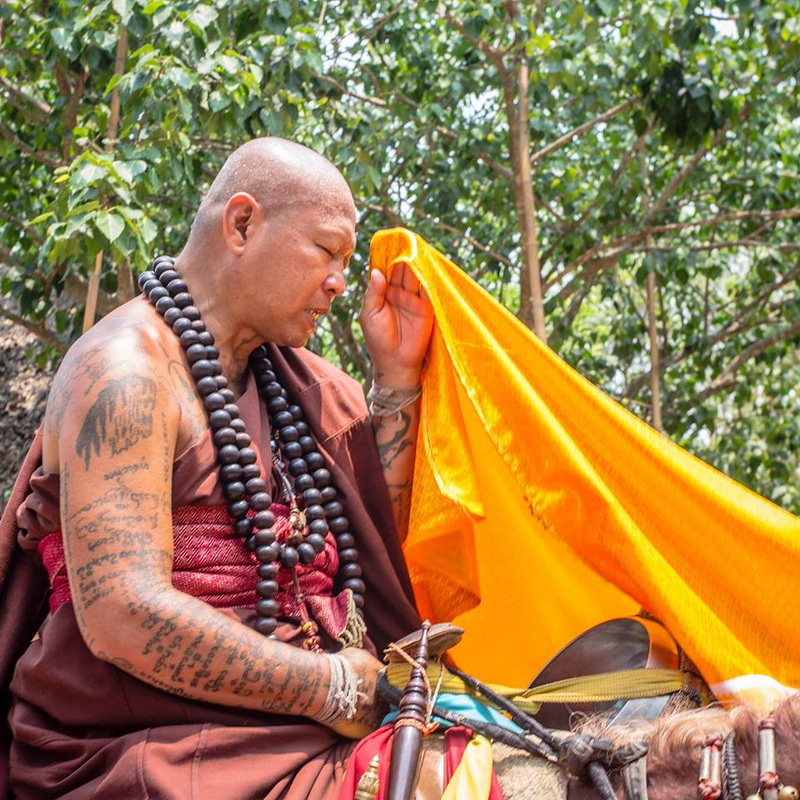
Acha Thong Forest Monastery offers a more contemplative cultural dimension to a Chiang Rai journey. A forest monastery is a place of religious practice and community life, so visitors should dress respectfully, keep noise low, and follow any guidance about where to walk or take photographs. The atmosphere is best approached with patience rather than as a dramatic sightseeing performance.
Placed alongside a tea plantation visit, the monastery highlights the range of experiences available beyond conventional landmarks. The plantation introduces cultivated land and regional products, while the monastery invites attention to faith, forest surroundings, and quiet reflection. Together, they can give a tour a more varied and considerate sense of place.
Let the Landscape Set the Pace
Choui Fong Tea Plantation is a strong choice for travelers who want to see Chiang Rai through more than its headline landmarks. Its tea-covered hills connect scenery with agriculture, regional products, and thoughtful visitor behavior. When combined with carefully chosen Chiang Rai Tours, the plantation can anchor a varied day that also leaves room for cultural respect and natural appreciation. Whether paired with Pa Tueng Hot Springs, Acha Thong Forest Monastery, or other suitable regional stops, the experience is most rewarding when visitors slow down enough to notice how the landscape works and why it matters.