Guided Tours from Chiang Mai to Mae Hong Son Featuring Kaew Komol Cave
A thoughtful route through limestone landscapes, local communities, and the quieter rhythm of Mae La Noi
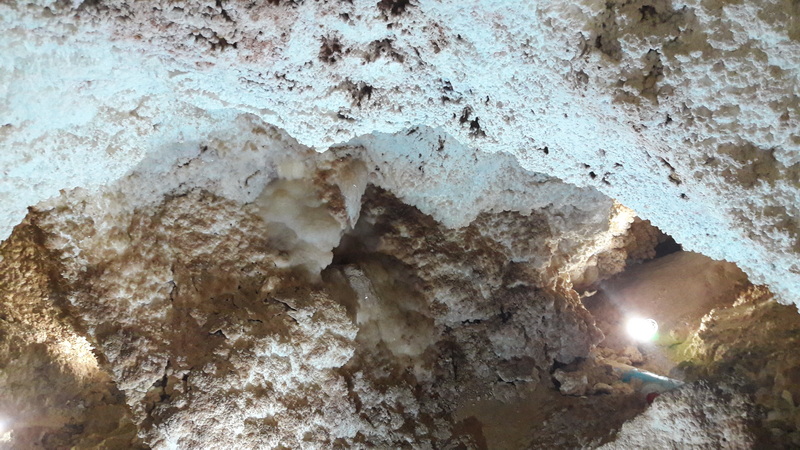
A journey from Chiang Mai into Mae Hong Son Province is more than a transfer between two northern Thai destinations. The road winds through mountain country, changing from busy urban surroundings to forested slopes, small settlements, and broad valley views. Within this regional journey, Kaew Komol Cave offers a focused encounter with the landscape beneath the surface. Its mineral formations and cool interior give visitors a different perspective on the terrain seen from the road. For a first-time international visitor, guided travel can make this kind of route easier to understand. A guide may connect the cave to the geography of Mae La Noi District, explain appropriate visitor behavior, and help travelers appreciate the journey as a sequence of places rather than a rushed collection of stops. This article looks at how guided tours can frame a visit, what the experience may involve, and how nearby community destinations can extend the day without turning local culture into a performance. A useful Mae Hong Son Thailand Visitor Guide should therefore cover more than viewpoints and photographs. It should also prepare visitors for mountain travel, a natural attraction that requires care, and encounters with communities whose identity deserves respectful attention.
Why the cave fits a guided Mae Hong Son journey
Guided Tours From Chiang Mai To Mae Hong Son often appeal to travelers who want regional context as well as transportation between attractions. The distance, winding roads, and number of possible stops can make an escorted itinerary easier to follow, especially for visitors unfamiliar with northern Thailand. Rather than treating Kaew Komol Cave as an isolated destination, a guide can place it within the wider story of Mae Hong Son: a mountainous province shaped by forests, valleys, limestone formations, and diverse communities.
The cave is located in Mae La Noi District, an area known for a more rural atmosphere than the larger northern cities. Its position makes it a natural point of interest during a longer overland journey. The road experience is part of the setting, so a guided visit may allow travelers to notice changes in elevation, vegetation, agriculture, and settlement patterns along the way. These observations help explain why the province feels distinct from Chiang Mai, even though both destinations belong to northern Thailand.
A guide can also help establish realistic expectations. This is a natural attraction rather than an entertainment complex, and the visit is centered on entering a cave environment, observing formations, and moving through a managed visitor area. Conditions may differ according to local operating arrangements and weather, so travelers should confirm current details before setting out rather than assuming that every tour follows an identical program.
What a guided tour structure can add
A well-planned route usually begins with orientation: understanding the day’s general sequence, the nature of the roads, and the kind of walking involved at each stop. For Kaew Komol Cave Mae Hong Son, this preparation is valuable because visitors may be combining a longer drive with a short but distinctive underground experience. Asking about walking surfaces, footwear, personal comfort, and time available can help each traveler participate at an appropriate pace.
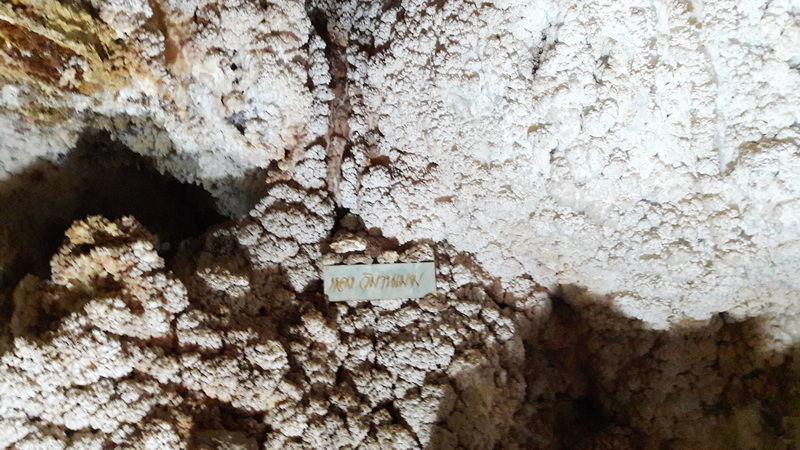
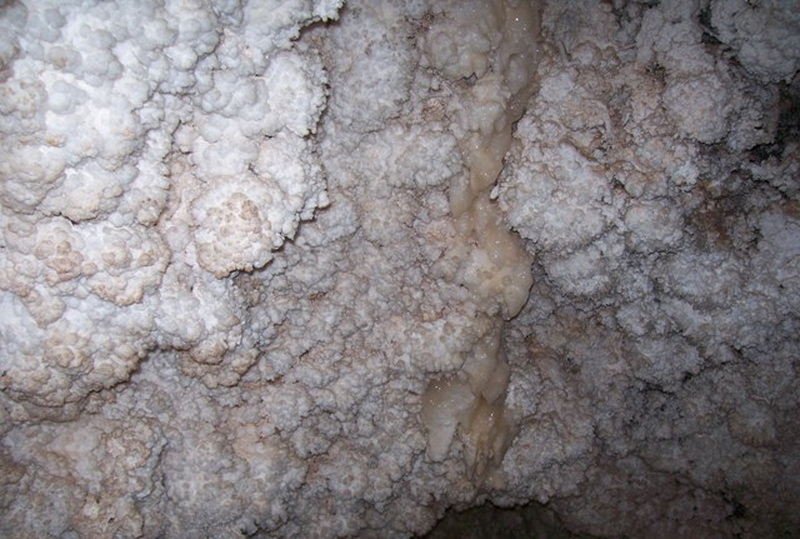
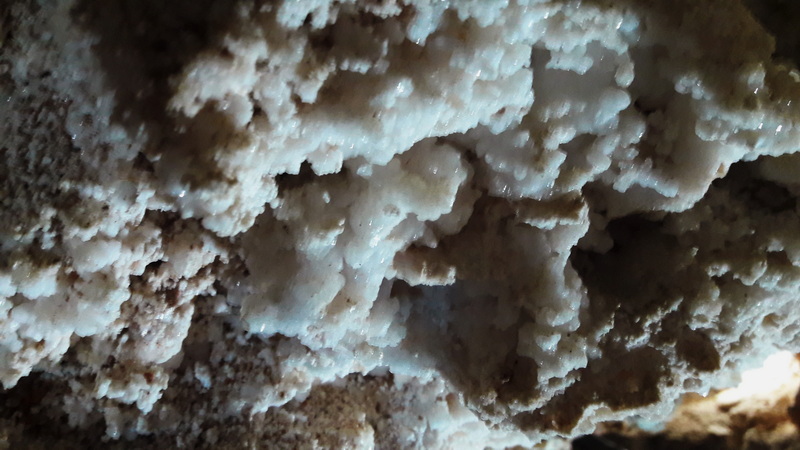
The next benefit is interpretation. Cave formations can be difficult to understand when viewed quickly, particularly when mineral textures and shapes appear unfamiliar. A knowledgeable guide may explain how water movement and mineral deposits contribute to the cave’s appearance, while also separating established information from imaginative descriptions. This turns looking into learning without requiring visitors to have a background in geology.
Guided travel can also reduce decision fatigue. Instead of repeatedly deciding where to turn, how to connect one site with another, or how much time to reserve for a stop, travelers can concentrate on the landscape and the people they meet. This does not mean surrendering all independence. Good communication remains important: visitors should feel able to ask questions, request reasonable pauses, and understand which activities are planned and which depend on local conditions.
For international visitors, a guide may provide useful cultural translation as well. That role should not involve speaking for communities or simplifying them into tourist labels. It is better understood as helping guests recognize boundaries, ask permission before photographing people, dress appropriately for the setting, and approach village visits with curiosity rather than expectation.
Inside the Kaew Komol Cave experience
The appeal of Tham Kaeo Komon lies in the contrast between the open mountain journey and the enclosed world underground. Visitors leave the changing views of the road and enter a darker, cooler environment where attention naturally shifts to walls, ceilings, textures, and the route underfoot. The atmosphere can feel quieter and more concentrated than a typical outdoor sightseeing stop.
A responsible visit begins with patience. Formations are not props, and touching them can damage delicate surfaces or transfer oils and dirt. Following marked routes, listening to local staff or guides, and keeping voices considerate all help protect the site. Photography may be tempting, but visitors should use equipment only where permitted and avoid blocking paths while taking pictures. A cave visit rewards close observation more than hurried image collecting.
The experience can vary between travelers. Some visitors will focus on geology and the slow work of water and minerals; others may be drawn to the sensory contrast of darkness, cool air, and uneven natural textures. People who dislike confined spaces may want to discuss the route beforehand. Families and older travelers should also consider walking comfort, steps, and the amount of standing involved, since practical ease affects enjoyment as much as scenery.
A guide can make the visit feel connected to the rest of the province by explaining how underground formations relate to the limestone landscape above. The purpose is not to exaggerate the cave or assign unsupported legends to it, but to help visitors see it as part of a living natural environment. In that sense, a Visit Kaew Komol Cave experience can be both visually memorable and educational when approached with time and care.
Planning the journey with comfort and respect
Travelers considering a Kaew Komol Cave Travel Guide should begin with the broader journey rather than the cave alone. Mountain routes can take longer than a map may suggest, and a multi-stop itinerary may feel demanding if every hour is tightly scheduled. A guided route is most comfortable when it leaves room for road conditions, meal breaks, short rests, and the possibility that a local site requires more time than expected.
Light, practical clothing and secure footwear are sensible choices for a cave visit and a day spent moving through rural areas. Visitors should carry drinking water and protect personal belongings from damp conditions, while avoiding unnecessary disposable items. Exact facilities, access arrangements, and opening conditions can change, so current information should be checked with the relevant local authority or tour provider before departure.
The best questions are specific and simple. Travelers can ask whether the route includes substantial walking, how much time is normally allowed at the cave, whether photography is restricted in certain areas, and how the itinerary approaches village visits. These questions do not demand a fixed promise; they establish shared expectations and make it easier to choose a journey that matches personal ability and interests.
Responsible tourism also means recognizing that a community stop is not automatically a cultural lesson. Purchase decisions, photographs, and conversations should be guided by consent and respect. If a tour includes local products or village interaction, visitors can support genuine community-led activities without treating residents as scenery. A considerate attitude helps preserve the quality of the encounter for both guests and hosts.
Extending the journey beyond the cave
The cave can be the central natural experience, but the surrounding district gives a guided route greater depth. Two community destinations may help travelers connect the mountain landscape with the people who live within it, provided visits are approached with consent and restraint.
Ban La-Up
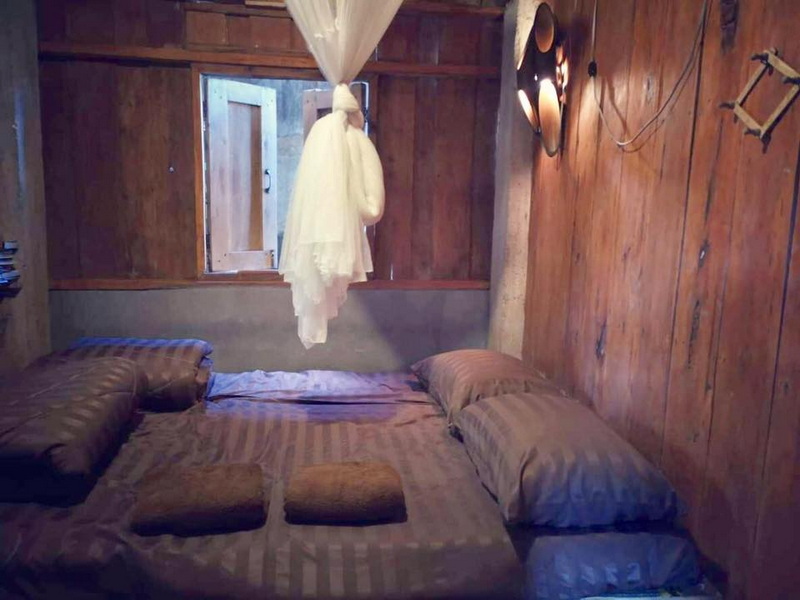
Ban La-Up can add a community and landscape dimension after the cave visit. The destination is associated with local hill-community life in Mae Hong Son, so a respectful visit should focus on the place as a living community rather than a staged backdrop. Travelers may notice settlement patterns, surrounding hills, and locally made products, but the meaning of the visit depends on how the community welcomes visitors and what activities are currently available.
A guide can help explain appropriate behavior, including when to ask before taking photographs and how to make purchases directly and thoughtfully. Visitors should avoid assuming that every resident wishes to be photographed or interviewed. When approached with humility, Ban La-Up complements the underground experience by bringing attention back to people, land, and everyday life in the mountain region.
Huai Hom Karen Village

Huai Hom Karen Village offers another way to understand the human geography surrounding Mae La Noi. A visit should be presented with dignity and without reducing Karen identity to a tourist image. The village is a community first, and travelers benefit from learning through permitted, locally guided experiences rather than arriving with fixed assumptions about customs or daily routines.
Placed after a cave visit, the village can broaden the journey’s perspective. Underground mineral formations reveal one layer of the region’s natural history, while a community destination encourages attention to livelihoods, landscape relationships, and local continuity. Visitors should follow guidance from residents or local hosts, buy only what they genuinely value, and leave the area as quietly and carefully as they found it.
A more meaningful route through Mae La Noi
Kaew Komol Cave works especially well within a guided journey because its value grows through context. The road from Chiang Mai, the cave’s mineral environment, and the nearby communities each reveal a different part of Mae Hong Son. Guided travel can make those connections easier to understand while supporting practical decisions about comfort, timing, and respectful conduct. With realistic expectations and attention to local guidance, visitors can experience the cave not as a hurried stop, but as one carefully considered chapter in a mountain journey.