Luang Khun Win Temple in the Forests of Mae Wang
A thoughtful guide to temple culture, private touring, and mountain experiences south of Chiang Mai
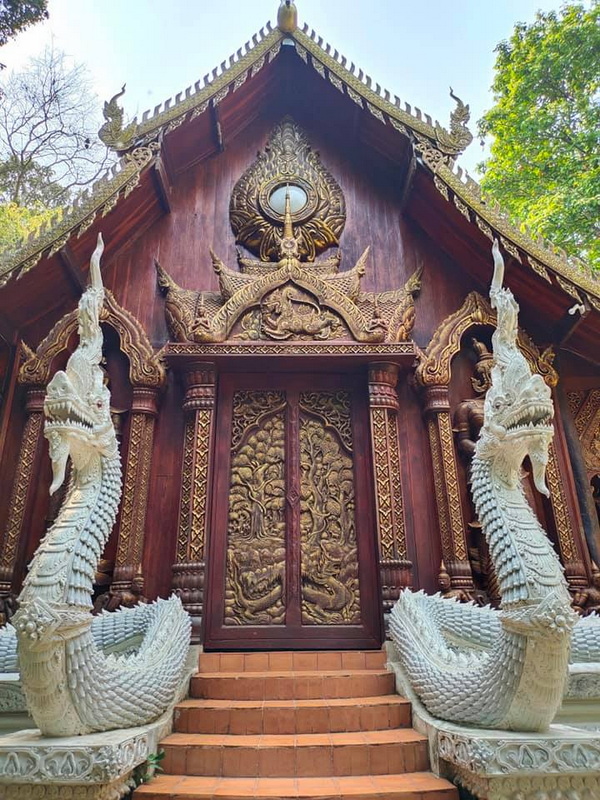
South of Chiang Mai, Mae Wang District offers a different pace from the city’s busy historic center. Here, Luang Khun Win Temple sits in a forested mountain setting where the journey, the surrounding landscape, and the atmosphere of the religious site are all part of the experience. It is a useful destination for visitors who want to understand Chiang Mai beyond the familiar old-city temples. The temple is best approached as a place of worship and local heritage rather than simply a photo stop. Its wooded surroundings and traditional character can encourage slower observation: notice the relationship between buildings and trees, allow space for worshippers, and treat architectural details with care. For travelers comparing Chiang Mai Temples, Wat Luang Khun Win adds a rural and contemplative dimension to the region’s cultural landscape. This guide focuses on how the temple can fit into a responsible day of sightseeing, including the role of a Private Tour Chiang Mai City arrangement, practical questions to consider before setting out, and nearby options in Mae Wang. It does not depend on a fixed itinerary, since conditions, access, and local arrangements can vary.
A Forest Setting Within the Chiang Mai Temple Landscape
Wat Luang Khun Win is located in Mae Wang District, a mountainous area south of Chiang Mai. The setting distinguishes it from temples surrounded by urban streets, markets, and dense neighborhoods. Forest scenery creates a quieter context for reflection, while the distance from the city helps visitors see how religious places remain connected to rural communities and local landscapes.
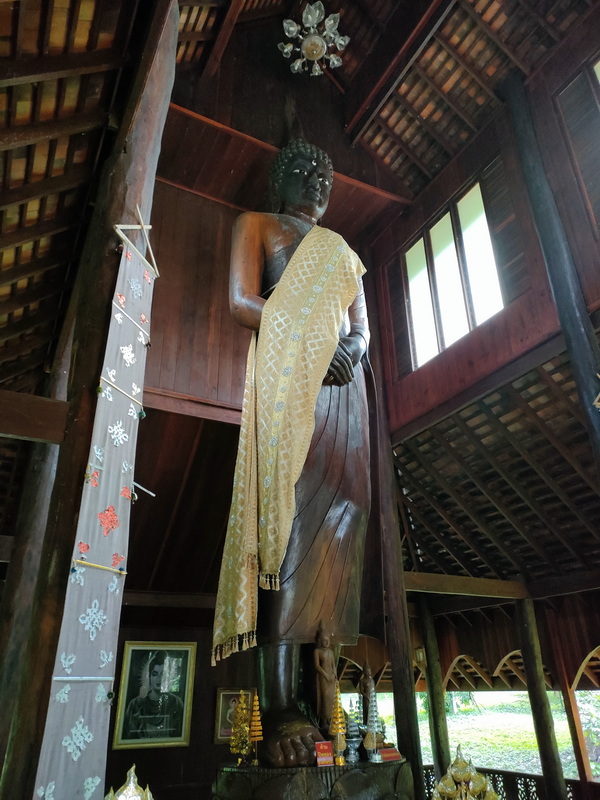
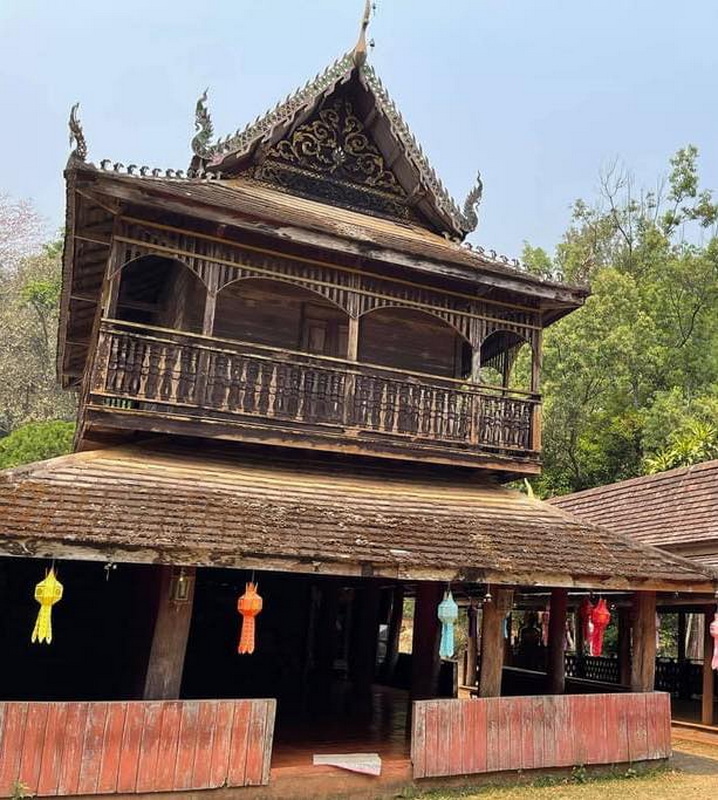
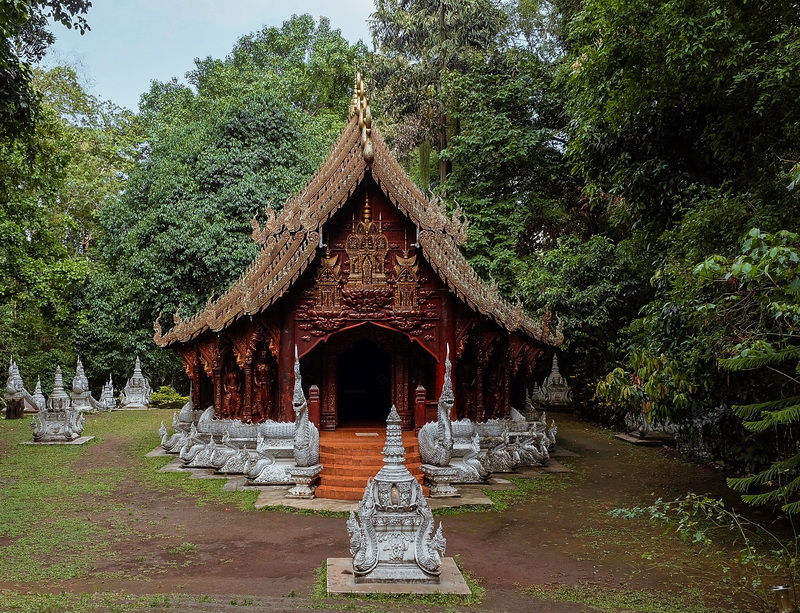
The temple is known for traditional wooden elements and a sense of age that blends with its natural surroundings. Rather than presenting a single monumental viewpoint, the site rewards attention to texture, proportion, shade, and craftsmanship. Visitors may encounter carved details, Buddhist images, and buildings arranged within the woodland environment. These features should be viewed as part of an active sacred place, not as scenery detached from religious life.
For people studying the region’s heritage, Luang Khun Win Temple Chiang Mai demonstrates that the cultural identity of Chiang Mai is not limited to the old city. Temples in the wider province can reflect different relationships between architecture, forest, village life, and pilgrimage. The temple’s importance for a visitor therefore lies both in its individual character and in the wider perspective it offers on northern Thai religious culture.
Planning a Visit With Patience and Respect
A visit requires a more deliberate mindset than a short stop between central attractions. The temple lies in a rural district, so travelers should allow flexibility for the journey and avoid building a schedule that leaves no time for changing road conditions or a slower exploration of the site. Checking current access information locally before departure is sensible, especially when traveling during periods of heavy rain.
Dress should be modest, with shoulders and knees covered where possible. Shoes may need to be removed before entering certain buildings, and signs or local instructions should always take priority. Keep voices low, avoid interrupting prayer or ceremonies, and ask before photographing people, monks, or religious activities. Images of Buddha should be treated respectfully, and visitors should avoid climbing on structures or posing in ways that turn sacred objects into props.
The forest environment also calls for practical care. Comfortable footwear, water, sun protection, and protection from rain can make the outing easier, but visitors should avoid leaving litter or disturbing plants and wildlife. A calm approach is especially appropriate here: the value of the temple is not measured by how quickly it can be seen, but by how attentively the place is encountered.
How a Private Tour Can Add Context
A private tour can be useful for travelers who want cultural explanation and flexible pacing rather than a checklist of city landmarks. When discussing a Private Tour Chiang Mai City, it is important to clarify whether the proposed route can include destinations in Mae Wang District, since the temple is outside the central urban area. The phrase may describe a style of personalized sightseeing rather than a standard route, so travelers should confirm the intended scope before making arrangements.
A guide may help explain the temple’s place within northern Thai Buddhist traditions, identify architectural details that are easy to overlook, and provide advice about respectful conduct. Local knowledge can also be valuable when the route involves rural roads or when visitors wish to combine cultural sightseeing with nature-based activities. The best arrangement should leave enough time for the temple itself instead of treating it as a brief photograph opportunity.
Private touring is also helpful for visitors with specific interests. A culture-focused traveler might ask for more interpretation of woodwork and religious imagery. A nature lover may prefer a slower day that gives equal attention to the surrounding mountain landscape. Independent travelers can use a private guide to reduce uncertainty while still discussing the pace and emphasis they prefer. These possibilities are planning considerations, not promises of a particular package or operating schedule.
Building a Meaningful Day Around the Temple
The temple works well as part of a broader day in Mae Wang rather than as an isolated urban attraction. Begin with realistic expectations: the journey is part of the destination, and the rural setting may feel more rewarding to visitors who enjoy landscapes, quiet observation, and cultural places away from busy sightseeing circuits. Time can be given to walking carefully around the grounds, noticing how the buildings sit among the trees, and pausing without demanding constant visual stimulation.
Among the Top Things To Do in Chiang Mai, visiting a forest temple offers a different kind of activity from shopping, nightlife, or highly organized entertainment. It combines cultural learning with a change of scenery and can appeal to travelers who want to understand the province’s character through its communities and religious sites. It is also a useful counterpoint to visits in the old city, where the density of monuments and visitors creates a very different atmosphere.
A balanced day should not reduce local life to a backdrop. If the route includes community areas or local projects, visitors should follow guidance, purchase or participate thoughtfully, and avoid entering private spaces without permission. Leave room for quiet and uncertainty rather than expecting every part of the experience to be staged for tourists. This approach supports a more respectful connection with Mae Wang and makes the temple visit feel considered rather than hurried.
Extending the Mae Wang Experience
Once the temple has been given the time and attention it deserves, the surrounding district offers ways to continue the day without losing its cultural focus. Two nearby options broaden the experience from sacred architecture to community landscapes and protected forest.
Khun Wang Royal Project
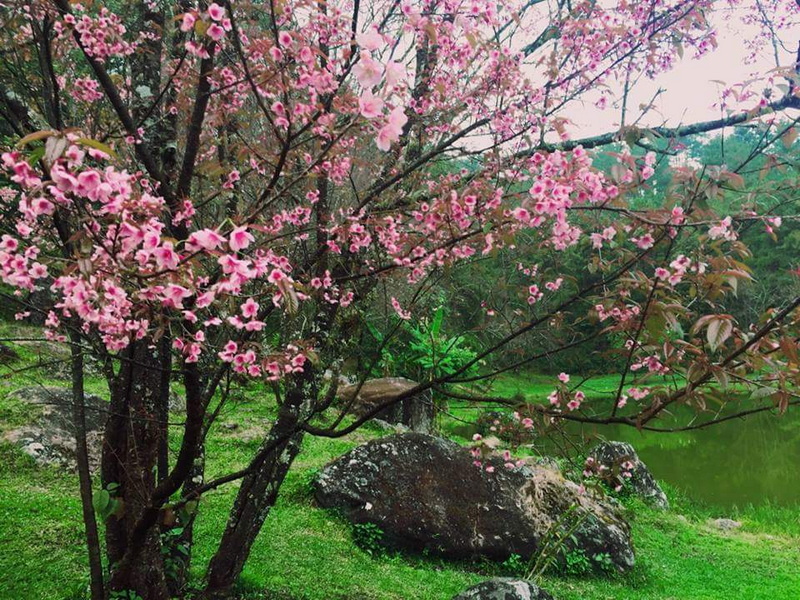
The Khun Wang Royal Project provides a cultural and agricultural dimension to a wider Mae Wang outing. Royal Project locations are associated with efforts to support highland communities and develop crops and livelihoods suited to local conditions. Visitors should view the site through that community context, following any guidance about access, photography, and seasonal activities rather than assuming that every area is open for casual exploration.
Its mountain setting can complement the temple’s forest atmosphere, but the two places represent different kinds of experience. Wat Luang Khun Win centers on religious heritage, while the project can help visitors think about cultivation, rural livelihoods, and the relationship between people and highland environments. Together, they offer a broader picture of the district without requiring either place to be treated as a spectacle.
Mae Wang National Park
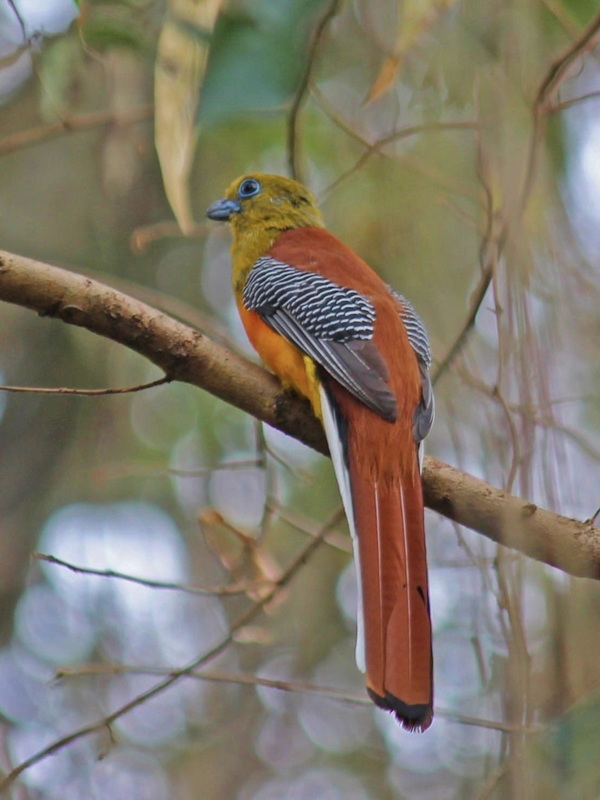
Mae Wang National Park adds a natural perspective to a temple-focused visit. The park represents the wider forested landscape of the district, where scenery, terrain, and local environmental conditions shape the experience of traveling through the area. Visitors should check current local guidance before planning outdoor activities, since weather and site conditions can affect what is practical.
Combining a national park visit with Luang Khunwin Temple can create a day that moves between cultural and environmental interests. The transition is most rewarding when travelers allow enough time for each setting and behave carefully outdoors: carry waste out, respect restricted areas, and avoid treating natural places as backdrops for disruptive behavior. The result is a fuller understanding of Mae Wang as both a cultural and ecological destination.
A Quieter View of Chiang Mai
Luang Khun Win Temple offers more than another name to add to a temple list. Its Mae Wang setting encourages visitors to connect religious heritage with forest, rural travel, and local community life. With respectful behavior, flexible planning, and enough time for the journey, the temple can become a thoughtful part of a wider Chiang Mai experience. A private guide may add useful context, while nearby destinations such as the Khun Wang Royal Project and Mae Wang National Park show how cultural and natural interests can share one carefully planned day.