Chiang Mai Monkey Show Travel Guide for Mae Rim Visitors
A practical, responsible route through Mae Rim’s wildlife attractions and surrounding travel choices
Mae Rim District, Chiang Mai, is a popular setting for travelers who want to explore animal attractions beyond the city center. The Chiang Mai Monkey School is one of the places associated with this northern Chiang Mai travel route, offering visitors an opportunity to observe a presentation involving trained monkeys in an organized setting. The experience is different from visiting a conventional zoo, so it is useful to arrive with realistic expectations and a respectful attitude toward the animals and their handlers. This guide focuses on how to think about a visit rather than promising a fixed program, timetable, or particular performance. Activities, access arrangements, and visitor experiences may change, so travelers should confirm current details before setting out. The main value of planning ahead is that Mae Rim has several animal and nature-oriented stops, allowing visitors to shape a day around their interests without rushing from one attraction to another. Alongside the Chiang Mai Monkey Show, this route can include Mae Rim Elephant Home and Siam Insect Zoo. Each offers a different perspective on wildlife and education. With careful transport planning, comfortable clothing, and attention to animal welfare, a visit can become a more thoughtful part of a northern Thailand itinerary.
Understanding the Monkey School Setting
The Chiang Mai Monkey School is located in Mae Rim District, Chiang Mai, an area known for attractions that appeal to visitors looking for wildlife, gardens, and countryside scenery. Reaching the district usually requires traveling north from central Chiang Mai, and the journey itself can feel different from moving between attractions inside the old city. Roads, traffic, and weather can affect the time needed, so a flexible plan is more dependable than a tightly packed schedule.
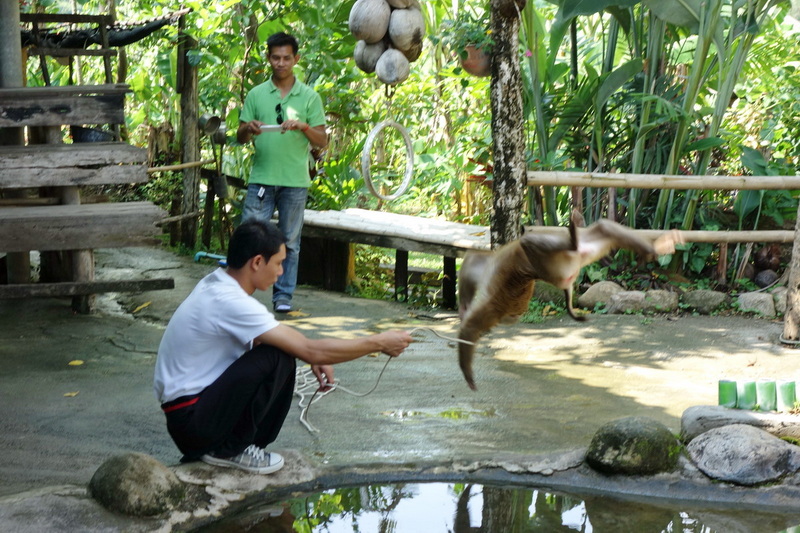
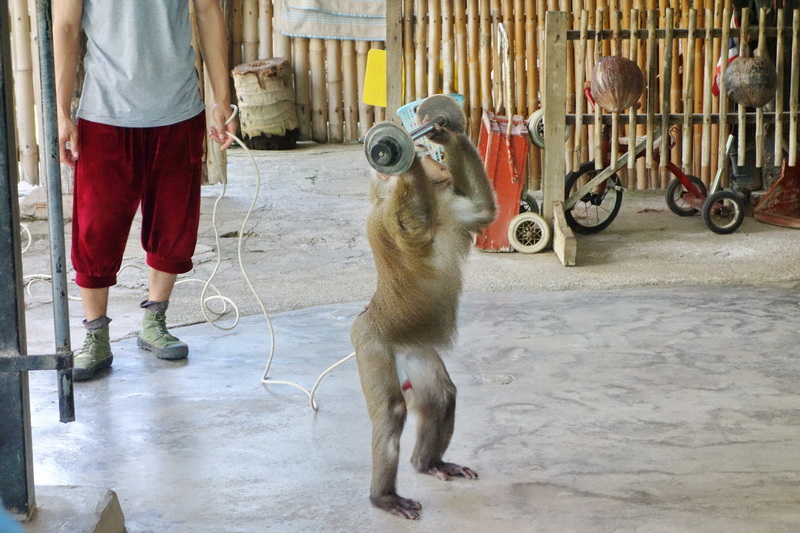
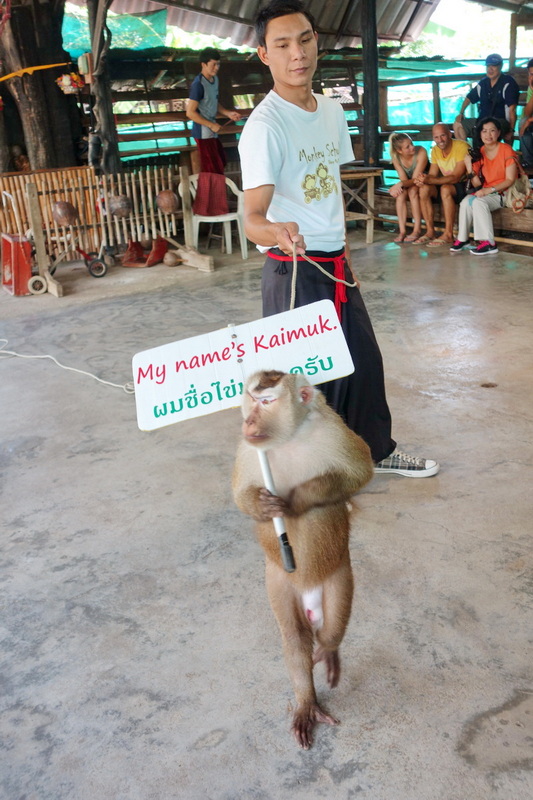
A visitor may encounter demonstrations or presentations involving trained monkeys, depending on the current program. It is best to regard the Chiang Mai Monkey Show as an organized animal presentation rather than an informal encounter with wildlife. The purpose of a visit should not be based only on spectacle. Observing how animals are handled, how facilities are maintained, and whether staff communicate clear welfare practices can help travelers make informed decisions.
Responsible behavior matters throughout the visit. Follow staff instructions, avoid shouting or sudden movements, and do not touch, feed, or photograph animals when those actions are not permitted. Visitors should also respect barriers and designated viewing areas. If an animal appears distressed or if a presentation raises personal ethical concerns, it is reasonable to observe quietly, ask respectful questions, or choose not to participate in particular interactions.
The term Chiang Mai Monkey School Thailand may appear in travel searches, but search wording does not replace checking current information directly. Travelers should verify the location, admission arrangements, transport access, and available activities before departure. This is especially important for international visitors who may be unfamiliar with local roads or who are coordinating several Mae Rim stops in one day.
How It Fits Among Zoos in Chiang Mai
Travelers often group many animal attractions under the broad heading of Zoos in Chiang Mai, although the experiences can differ considerably. A large urban zoo, a small educational collection, an animal-focused farm, and a demonstration center may each have different layouts, interpretation, and visitor expectations. Comparing them only by the number of animals or the popularity of photographs can miss more important questions about education, habitat, and welfare.
The Chiang Mai Monkey School is best approached as one specialized stop within the wider wildlife landscape of the region. Its focus is connected to trained animal demonstrations, while other attractions may emphasize insects, elephants, botanical surroundings, or general zoological displays. This variety can be useful for families and curious travelers, because it allows them to discuss how different animals live, how people interact with them, and what responsible care may involve.
Before choosing a route, consider the type of experience you want. A visitor interested in learning may prefer to spend more time reading interpretation and asking questions. Someone traveling with children may need regular breaks, shade, water, and a manageable number of stops. A wildlife enthusiast may want to compare the educational approach of several places rather than treating every attraction as a performance venue.
It is also wise to avoid assuming that every advertised activity will be available on the day of arrival. Weather, maintenance, animal welfare decisions, private events, and local operating changes can affect what visitors see. A flexible attitude helps prevent disappointment and supports better treatment of animals, since responsible facilities may alter presentations when conditions require it.
Building a Practical Mae Rim Visit
For a first-time visitor, the simplest planning step is to identify the starting point in Chiang Mai and then map the order of stops in Mae Rim. A private car, hired driver, taxi arrangement, or organized excursion may be suitable depending on group size, confidence on local roads, and the number of places included. Travelers using independent transport should allow time for navigation and parking rather than assuming every stop is immediately beside the next one.
An organized Chiang Mai Tour can reduce the need to manage directions, but travelers should read the itinerary carefully and ask what is included. Some tours prioritize convenience and photography, while others leave more time for interpretation. Questions about transport, waiting time, animal interaction, and changes caused by weather are useful before booking. Avoid selecting an excursion solely because it promises the greatest number of attractions in the shortest period.
A self-arranged visit offers greater control over pace. This can be helpful for families, older travelers, or anyone who wants to spend quiet time observing rather than moving quickly. However, independent visitors need to confirm opening information, transport availability, and payment requirements in advance. Keep important addresses written in a form that a driver can understand, and carry water, sun protection, and modest clothing suitable for a respectful visit.
A sensible route usually leaves space between major stops. Morning and afternoon conditions can feel different, and traffic may be unpredictable. Rather than designing a schedule with no spare time, choose a small number of priorities and treat additional attractions as optional. This approach also makes it easier to stop for a meal or rest without turning the day into a race.
For people searching for a Chiang Mai Monkey School Travel Guide, the most useful advice is to confirm details close to the visit, use reliable transport, and maintain realistic expectations. A travel plan is successful when it supports comfort, curiosity, and responsible conduct—not simply when every listed attraction is checked off.
Making the Experience More Responsible
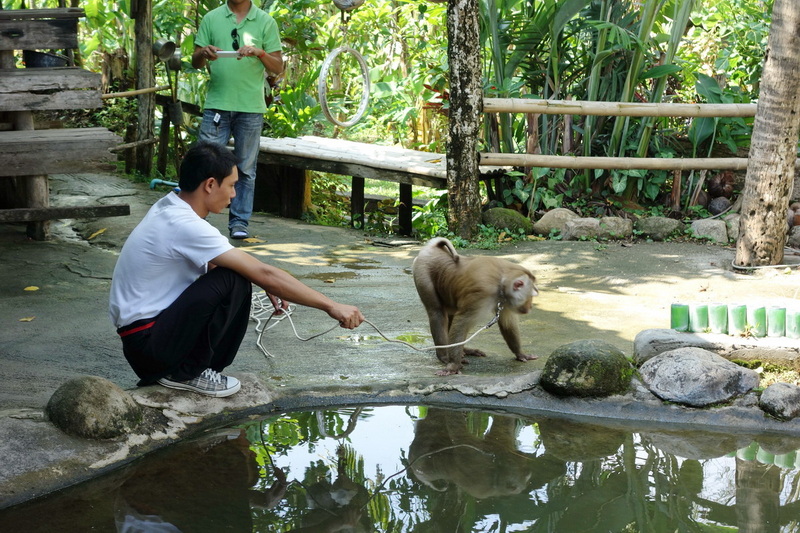
Animal tourism requires more attention than ordinary sightseeing because visitors influence demand through their choices. At the Monkey School, look for clear instructions, orderly handling, clean surroundings, and communication that treats the animals as living beings rather than props. No single visual impression can answer every welfare question, but careful observation is more constructive than uncritical enthusiasm or hostile judgment.
Photography should never take priority over animal comfort. Turn off flash where requested, keep a safe distance, and ask before photographing staff or other visitors. Do not use food, noise, or gestures to attract an animal’s attention. Children should be supervised closely, particularly in areas where animals may move unexpectedly. These habits are simple, but they help create a calmer environment for everyone.
Visitors can also support local communities respectfully. Dress comfortably but appropriately, speak politely with staff, and remember that Mae Rim is a lived-in district rather than a theme park isolated from local life. Follow signs, avoid littering, and use designated paths. If a guide shares information about local traditions or animal care, listen without turning cultural practices into jokes or exotic entertainment.
The best Visit Monkey School experience may be one that encourages questions: What is the educational purpose of the presentation? How are animals trained and rested? What veterinary support is available? Are there opportunities for observation without direct contact? Ask in a courteous way, recognizing that staff may not be able to answer every question immediately. Thoughtful visitors help encourage greater transparency across the tourism industry.
Nearby Attractions
Mae Rim Elephant Home
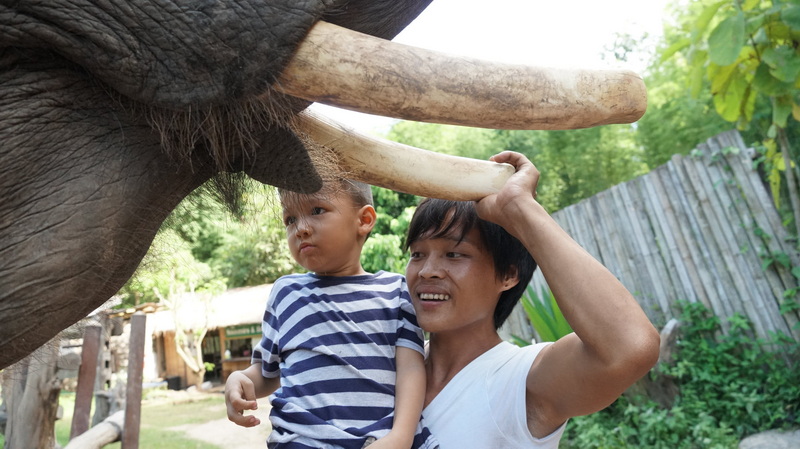
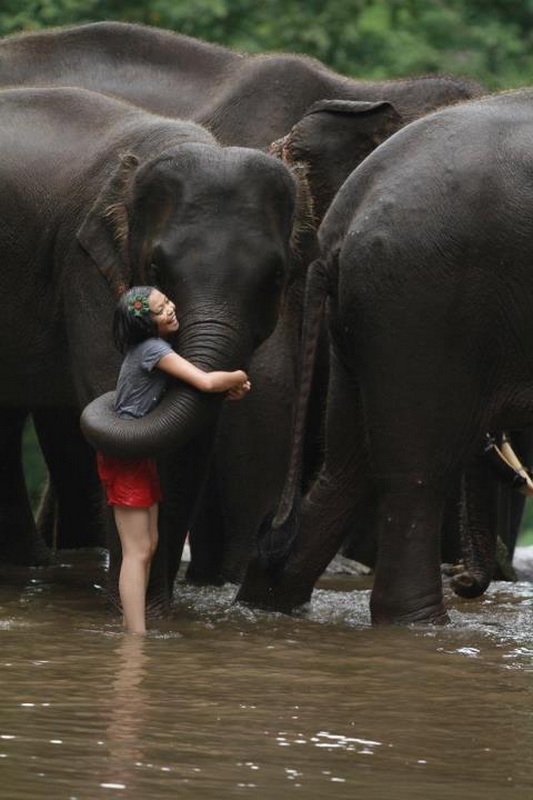
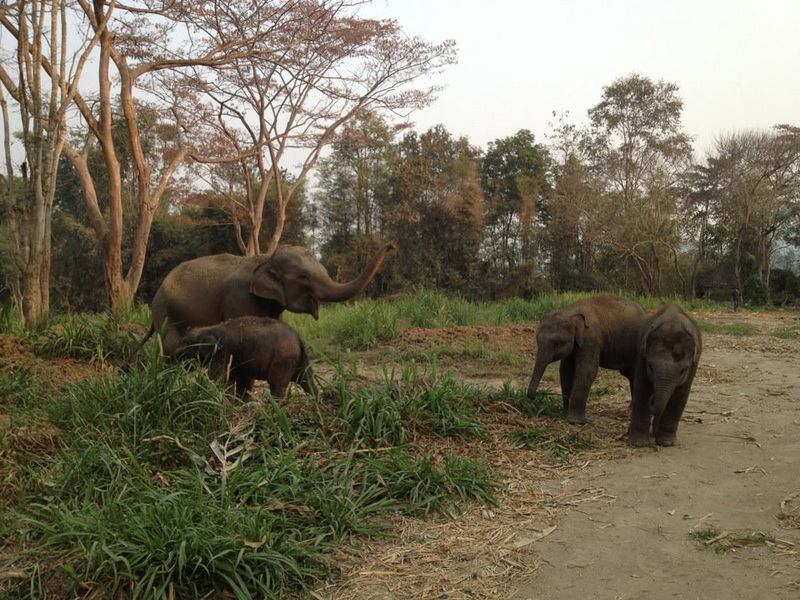
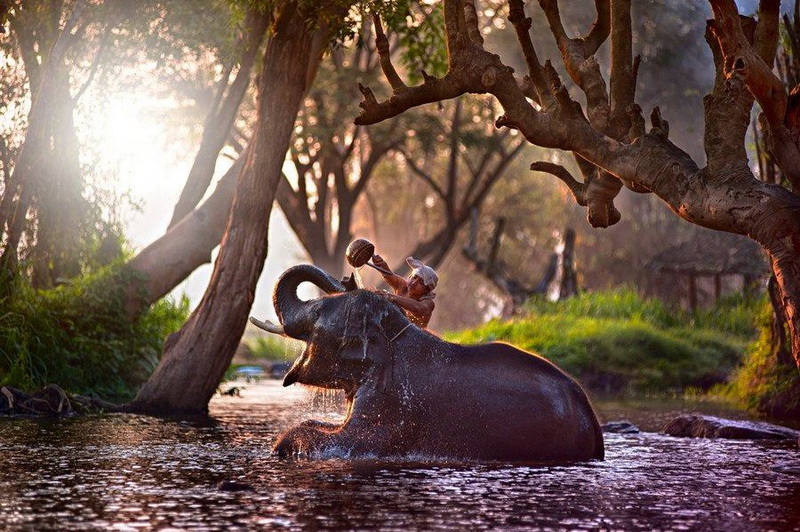
Mae Rim Elephant Home can complement a visit to the Monkey School for travelers interested in learning about elephants and the responsibilities involved in caring for them. The experience may emphasize observation, daily care, or educational contact, depending on the current arrangement. Because elephant tourism varies widely, visitors should ask how animals are housed, what activities involve direct contact, and how the program responds to individual elephant needs.
This stop is best treated as a separate experience rather than an extension of the Monkey Show. Allow enough time to listen to explanations and observe without crowding the animals. Travelers should follow all safety instructions, avoid feeding or touching elephants unless staff explicitly permit it, and remain alert to changes in animal behavior. Confirm current access and transport details before combining the home with another Mae Rim attraction.
Siam Insect Zoo
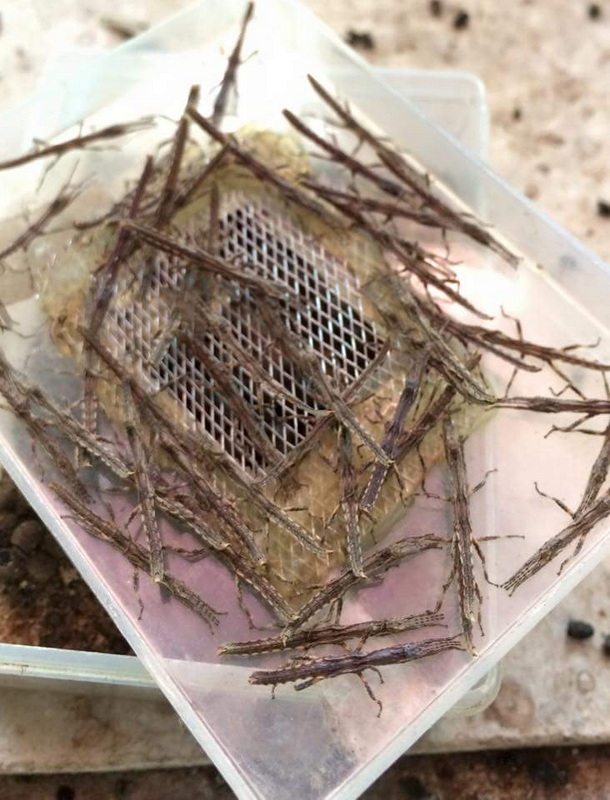
Siam Insect Zoo provides a different form of wildlife learning from the larger-animal presentations associated with the Monkey School. Insects can be easy to overlook, yet they play essential roles in pollination, decomposition, food chains, and healthy ecosystems. Displays and educational interpretation may help visitors notice the variety of forms, colors, and behaviors found among insects and other small creatures.
This attraction can work well for travelers who want a slower, more observation-based stop or for families introducing children to animals that are often misunderstood. Encourage young visitors to look closely and ask questions rather than treating the displays as a collection of curiosities. As with any attraction, check current visitor information before traveling, and respect instructions about touching specimens, using cameras, and moving through the exhibits.
Why This Place Stays With You
A visit to the Chiang Mai Monkey School can fit naturally into a wider exploration of Mae Rim, especially when travelers approach it with patience and ethical awareness. Consider the type of animal experience you want, confirm practical details before leaving Chiang Mai, and leave enough time for nearby attractions rather than forcing an overloaded itinerary. Mae Rim Elephant Home and Siam Insect Zoo offer contrasting ways to think about wildlife, care, and education. With respectful behavior and flexible expectations, your Chiang Mai Travel plans can support a more comfortable and meaningful day beyond the city center.