Sai Ngam Natural Mineral Spring Visitor Guide for Guided Mae Hong Son Tours
Plan a thoughtful route from Chiang Mai with practical guidance for this quiet Pai-area thermal attraction
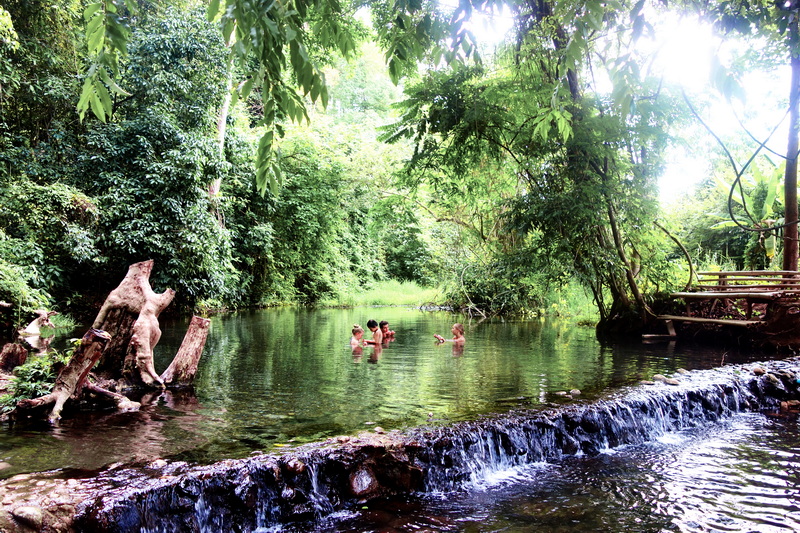
A visit to Sai Ngam Natural Mineral Spring is best planned as one part of a wider journey rather than as an isolated stop. The spring lies in Pai District, Mae Hong Son, an area known for forested landscapes, winding roads, and a slower travel rhythm than larger northern Thai cities. For visitors starting in Chiang Mai, a guided route can simplify the long overland journey while leaving room to understand the places between the two destinations. This guide focuses on decisions that make the visit easier: how to discuss the spring with a tour provider, what information to confirm before departure, how to behave around a shared bathing area, and which nearby natural sights can complement the day. Conditions and local arrangements can change, so travelers should confirm current access, opening information, weather concerns, and any local rules before setting out. The aim is not to promise a fixed itinerary, but to help travelers arrive prepared and respectful.
Building a Guided Route from Chiang Mai
The journey from Chiang Mai to Pai and onward through Mae Hong Son Province involves mountainous roads and considerable travel time. Travelers who prefer not to manage navigation, vehicle arrangements, and route changes may find Guided Tours From Chiang Mai To Mae Hong Son useful for organizing the broader trip. A guide can also provide context about the landscape and help visitors understand how the spring fits into a day that may include several stops.
When comparing guided options, look beyond the attraction name. Ask whether Sai Ngam Hot Spring is included as a confirmed stop or merely suggested, how much time is normally allowed there, and whether the route is private or shared. It is also sensible to clarify the meeting point, vehicle type, road itinerary, meal arrangements, and what happens if heavy rain or road conditions require a change. These questions are practical rather than demanding; mountain travel often requires flexibility.
A tour that includes the spring may be arranged as part of a longer Pai or Mae Hong Son journey rather than a simple short excursion. The distance and road conditions mean that travelers should not assume that every Chiang Mai departure can comfortably include all desired sights. A responsible itinerary leaves enough time for safe driving and unhurried visits instead of treating each stop as a rushed photo opportunity.
What to Expect at Sai Ngam Hot Spring
Sai Ngam Hot Spring is a natural thermal pool area associated with the forested surroundings of Pai District. Warm water, shade, and the green setting are central to its appeal. The site is generally approached as a place for quiet bathing and relaxation, not as a large resort complex with extensive facilities. Visitors should therefore keep expectations focused on a simple nature stop and check what services are operating on the day of travel.
The name Sai Ngam is sometimes written in different ways, including Sai Ngam Hot Springs or Saingam Hot Spring. Search results and local references may use these variations, while the attraction is also described as Sai Ngam Hot Spring Mae Hong Son or Sai Ngam Hot Spring Pai. Recognizing the different names can help travelers and guides discuss the same destination without confusion.
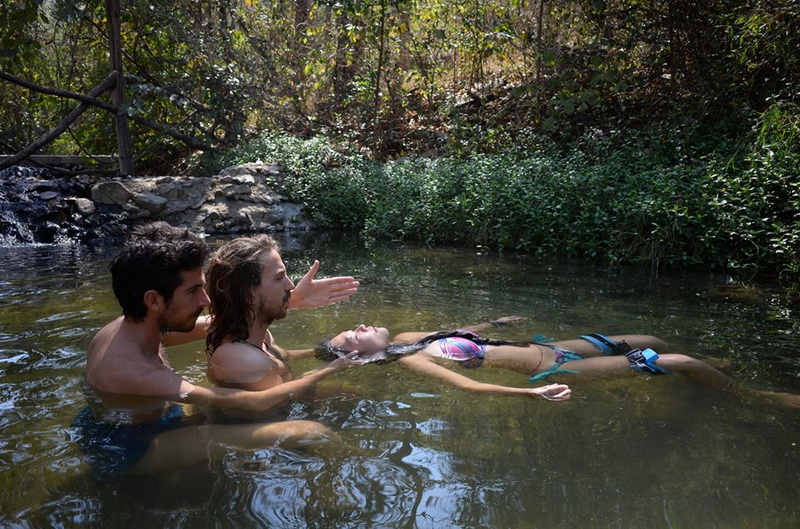
Water temperature can feel different depending on the weather, time of day, and personal sensitivity. Anyone with a medical condition affected by heat should seek appropriate advice before bathing. Visitors should also avoid entering the water when ill, follow posted instructions, and take breaks rather than staying in warm water for an extended period. A towel, dry clothing, drinking water, sun protection, and secure footwear are useful additions to a day bag.
A Saingam Hot Spring Visitor Guide for a Respectful Stop
A reliable Saingam Hot Spring Visitor Guide begins with current information, because natural attractions do not always operate under the same conditions throughout the year. Before departure, confirm whether the site is accessible, whether any local admission or parking arrangements apply, and whether temporary closures or weather-related restrictions have been announced. A guide or accommodation host may be able to help check local updates, but travelers remain responsible for confirming details that matter to their plans.
The bathing area is a shared environment. Keep voices moderate, avoid splashing other visitors, and allow people enough space to enter and leave safely. Do not use soap, shampoo, oils, or other products in the natural water unless clear local instructions specifically permit them. Food, plastic, and other waste should be kept away from the pool and carried to the appropriate disposal point. These habits protect both the setting and the experience of other visitors.
Modest, practical swimwear is a considerate choice, particularly when the pool is shared by local residents and travelers. Follow signs, barriers, and instructions from staff or community representatives rather than creating a private interpretation of what is allowed. Photography should also be discreet. Ask permission before photographing identifiable people, and avoid treating bathing visitors as scenery.
A guide can be especially helpful for translating practical instructions and explaining changes to the route, but guided travel does not remove the need for personal awareness. Stay with the agreed meeting plan, keep valuables secure, and tell the group leader if heat, dizziness, or fatigue becomes a concern. For independent travelers, the same principles apply: pause, observe, and ask locally when information is unclear.
Pairing the Spring with a Broader Mae Hong Son Itinerary
A well-paced Mae Hong Son itinerary can balance the thermal spring with other natural settings instead of grouping several similar stops together. Pam Bok Waterfall and Mor Paeng Waterfall offer different ways to experience the Pai area, although water levels, access conditions, and visitor facilities can vary with season and weather. They should be treated as separate nature visits, each requiring suitable footwear and attention to slippery surfaces.
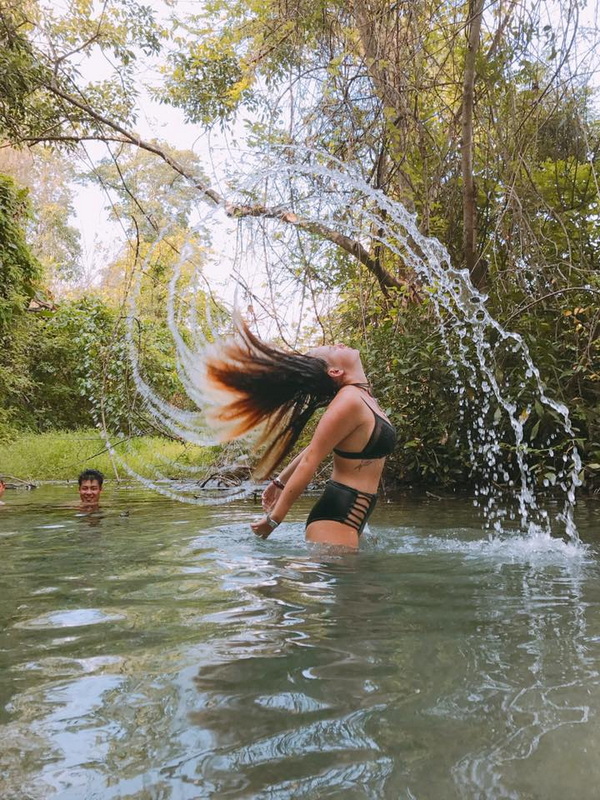
When discussing a route with a guide, explain whether your priority is bathing, walking, photography, scenery, or learning about the region. This helps the guide judge how much time is realistic at each location. Travelers who want a calm spring visit may prefer fewer stops, while those interested in seeing a wider range of Pai District landscapes may accept a shorter stay at each attraction.
The broader region deserves a respectful pace. Roads through the hills can be tiring, and frequent arrivals and departures may reduce the quality of the experience for both travelers and local communities. A thoughtful tour considers driving safety, weather, local regulations, and the capacity of small natural sites. It also recognizes that the spring is not simply a backdrop for a packaged excursion; it is part of a living local environment that deserves care.
Questions to Settle Before You Visit
Before booking or joining a route, ask for the proposed travel sequence and the expected time at Sai Ngam. Confirm whether bathing is practical on that particular itinerary, since a stop may be too brief for travelers who want to use the pool. Check whether changing space, toilets, food, and drinking water are available or whether you should prepare independently. Do not assume that facilities found at a developed resort will be present at a natural spring.
Weather deserves special attention in mountainous northern Thailand. Rain can affect road conditions, walking surfaces, and the comfort of waiting outdoors. Dry-season heat can make warm-water bathing less appealing during the hottest part of the day, while cooler weather may make it more comfortable. Flexible clothing, a light layer, sandals or shoes with grip, and a waterproof bag can help without overpacking.
Families and older travelers should consider steps, uneven ground, water temperature, and the distance between the vehicle and the bathing area. Travelers with limited mobility should ask a tour provider for a candid description of access rather than relying on a general attraction label. The same careful questioning is useful for anyone carrying photography equipment or traveling with valuables.
Finally, keep a small margin in the schedule. A natural attraction may invite a slower departure, a guide may need to respond to a local instruction, or the road may require additional time. The most dependable plan is one that allows changes without turning them into a crisis. This approach supports safer travel and makes it easier to appreciate the landscape along the way.
Nearby Attractions
Pam Bok Waterfall
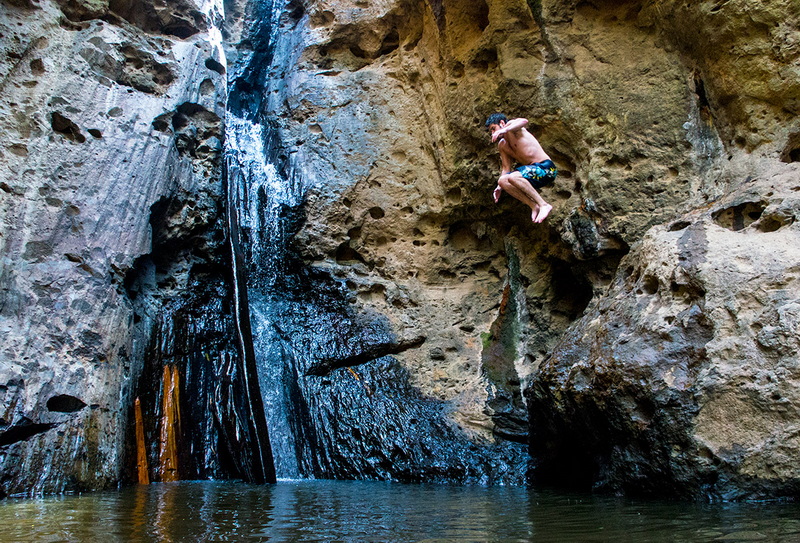
Pam Bok Waterfall provides a contrasting natural setting for travelers continuing through the Pai area. Its appeal comes from the combination of rock, flowing water, and a more active outdoor atmosphere than a thermal pool. Access conditions can vary, and wet rocks may be slippery, so visitors should follow local directions, wear shoes with reliable grip, and avoid entering water where conditions are unclear.
If it is included in a guided itinerary, ask how much walking is involved and whether the stop is intended for viewing or swimming. Water flow is affected by the season, so expectations should remain flexible. Leave no litter, avoid climbing fragile surfaces, and give other visitors room around narrow paths or viewpoints.
Mor Paeng Waterfall
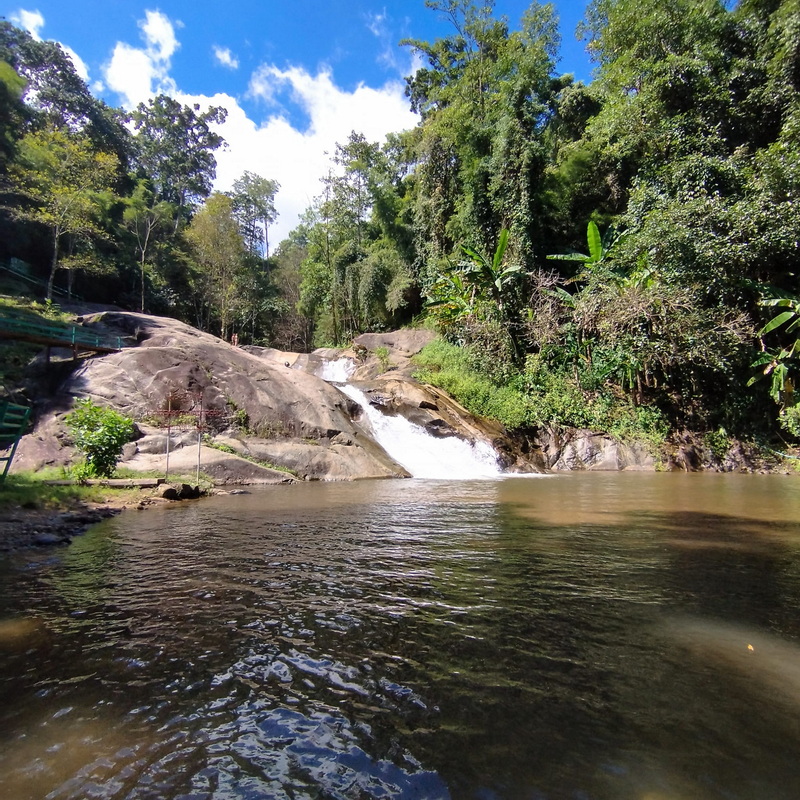
Mor Paeng Waterfall is another Pai-area nature stop that can complement a visit to Sai Ngam Hot Spring. The setting encourages visitors to spend time outdoors and observe the landscape from a different perspective, with flowing water and rock formations shaping the experience. As with any waterfall, surfaces may become slippery and water conditions can change after rainfall.
A guide can help explain the practical route and indicate where visitors should stay, but travelers should still watch their footing and respect barriers. Avoid overcrowding small pools, keep personal belongings secure, and leave the area as it was found. Including Mor Paeng on the same day is most comfortable when the schedule allows enough time for safe travel rather than measuring success by the number of stops.
Why This Place Stays With You
The most useful Sai Ngam Hot Spring Travel Guide is one that combines route planning with restraint. Confirm the current conditions, discuss realistic timing with a tour provider, prepare for a simple natural setting, and treat the bathing area as a shared local place. Guided Tours From Chiang Mai To Mae Hong Son can reduce logistical pressure, but flexibility and respectful behavior remain essential. With Pam Bok Waterfall or Mor Paeng Waterfall considered as complementary options, travelers can shape a balanced visit to Pai District without rushing the landscape or the people who share it.
ไม่มีความคิดเห็น:
แสดงความคิดเห็น